Carry Smart Across State Lines, A Practical Guide to EDC Rules in America
Everyday carry law is a patchwork of state statutes, local ordinances, restricted places, and transport rules. This guide explains the legal terms that matter, where people get tripped up, and how to check your own state before you carry.

Everyday carry, often shortened to EDC, can mean very different things depending on who is using the term. For some people it means a folding knife, flashlight, multitool, or pepper spray. For others it includes a lawfully carried handgun. The legal problem is that states do not treat these items the same way, and the rules can change again at the city, county, or venue level.
This article is a practical overview for adults who want to reduce legal risk, understand the basic terms, and know what to verify before carrying. It is not legal advice. Laws change often, local ordinances may be stricter than state law in some places, and restricted locations such as schools, courthouses, airports, and federal facilities can trigger serious penalties. If you have a prior conviction, a protective order, a disputed arrest, or an item that may fall into a prohibited category, talk to a licensed attorney in your state before you carry.
What everyday carry means under the law
There is usually no single nationwide legal definition of everyday carry. Instead, the law focuses on the specific item, how it is carried, where it is carried, and sometimes why it is carried. A folding knife clipped in a pocket may be treated differently from a fixed blade under a jacket. A handgun locked in a case during transport may be treated differently from one carried on your person. A tool that is lawful at home may become unlawful inside a school zone or courthouse.
That is why broad claims like “EDC is legal in all 50 states” are not safe. The better question is, “Is this specific item lawful for me to possess, carry openly, carry concealed, transport in a vehicle, and bring into this location?”
Open carry, concealed carry, and transport are not the same thing
One of the biggest sources of confusion is treating possession, open carry, concealed carry, and transport as if they were interchangeable. They are not. A state may allow possession of an item but restrict concealed carry. Another may allow vehicle transport only if the item is unloaded, cased, or not readily accessible. For firearms, permit rules and reciprocity can add another layer. For knives, blade type, blade length, and intent language may matter more.
| Legal category | What it usually means | Why it matters | Common risk points |
|---|---|---|---|
| Possession | Owning or having the item under your control | You may be allowed to possess an item even if you cannot carry it everywhere | Prohibited persons, age limits, banned item categories |
| Open carry | Item is visible to ordinary observation | Some states treat visible carry differently from hidden carry | Local rules, disorderly conduct allegations, restricted places |
| Concealed carry | Item is hidden from ordinary view, on body or close at hand | Often more heavily regulated than open carry | Permit requirements, reciprocity failures, accidental exposure issues |
| Transport | Moving the item from place to place, often in a vehicle | Transport rules may require casing, unloading, or inaccessibility | Glove box assumptions, loaded status, readily accessible storage |
If you remember only one thing from this section, remember this. A lawful item can still become unlawful because of how or where you carry it.
Which everyday carry items are most often regulated
EDC law is usually item-specific. Firearms are heavily regulated by state and federal law. Knives are regulated in a patchwork way, often by blade type, opening mechanism, length, concealment, and intent. Pepper spray and similar defensive sprays are often legal but may still have age limits, size limits, or location restrictions. Batons, impact tools, and electronic defense devices can also be regulated differently depending on the state.
| EDC item | Typical legal questions | Where rules often vary | Low risk takeaway |
|---|---|---|---|
| Folding knife | Is there a blade length limit, concealment rule, or intent issue? | State statutes, city ordinances, school and government property | Check blade length, local rules, and restricted places before carrying |
| Fixed blade knife | Is open carry allowed, and is concealed carry restricted? | Concealment rules, hunting exceptions, municipal codes | Do not assume a fixed blade is treated like a pocketknife |
| Automatic or OTF knife | Is the opening mechanism restricted? | State-specific knife statutes and local ordinances | Verify the exact category before purchase or travel |
| Multitool | Does the blade or locking feature trigger knife rules? | Venue policies, airports, schools, workplaces | A tool can still be treated as a knife in restricted places |
| Pepper spray | Are there age, size, or use restrictions? | State law, campus rules, airline and venue policies | Confirm lawful possession and where it may be carried |
| Handgun | Is a permit required, and does reciprocity apply? | State permit law, prohibited person rules, restricted places | Never assume your home state permit works everywhere |
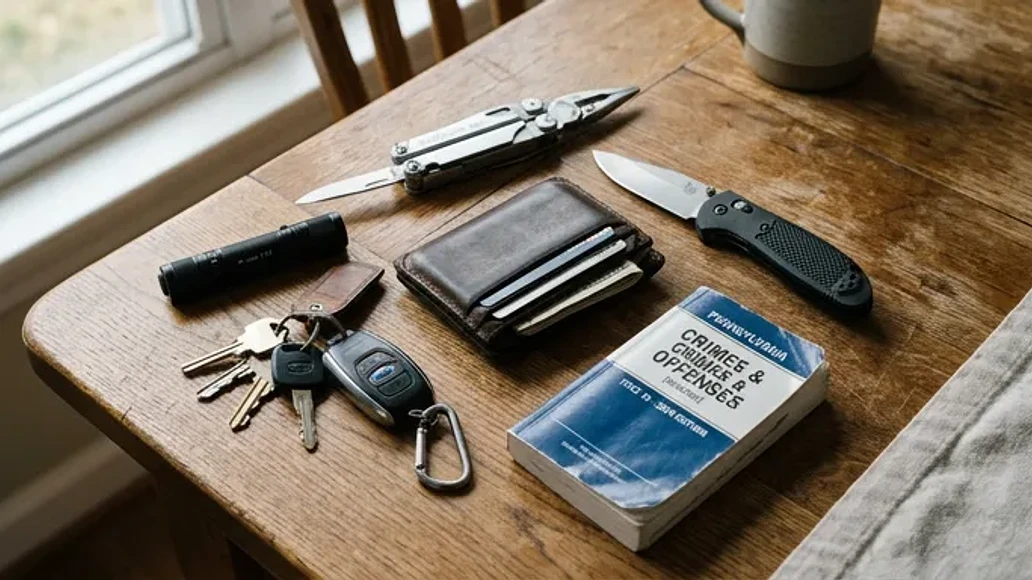
Knife types that are commonly treated differently
Knife law is one of the most misunderstood parts of EDC. In some states, a simple folding knife is broadly lawful while automatic knives, switchblades, ballistic knives, daggers, dirks, or concealed fixed blades are treated differently. In others, the key issue is not the type alone but whether the knife is concealed, how long the blade is, or whether the person had unlawful intent.
Terms also vary. One state may define a switchblade narrowly. Another may include spring-assisted or out-the-front designs in a broader category. A third may focus more on whether the knife is a weapon by design. Because of that, product marketing language is not a legal definition. Always compare the item you own to the wording in the statute.
Blade length, assisted opening, automatic, and fixed blade rules
Blade length limits are common, but they are not universal. Some states set statewide thresholds. Some leave the issue to local ordinances. Some only apply length limits in certain places, such as schools or public buildings. Assisted-opening knives may be treated differently from fully automatic knives, and fixed blades may be lawful to own but restricted when concealed.
Do not rely on internet shorthand such as “under 3 inches is always legal.” That kind of statement is exactly how people get cited or arrested. Measure the blade the way your state defines it, check whether the rule applies to possession or carry, and verify whether local ordinances add stricter limits.
State law, local ordinance, and preemption
Many readers stop after checking state law. That is not always enough. Some states preempt local regulation in whole or in part, meaning cities and counties cannot create stricter rules in certain areas. Other states allow local ordinances that can affect knives, discharge rules, public property, or municipal buildings. Even where preemption exists, venue policies and posted rules may still matter.
This is why two neighboring cities can feel very different in practice. The state statute may be the starting point, but it is not always the end of the analysis. Before carrying in a new city, check the municipal code, county code if relevant, and the policy of the place you are entering.
| Rule source | What it can control | Why readers miss it | Best way to verify |
|---|---|---|---|
| State statute | Definitions, permits, prohibited items, statewide restrictions | People assume one summary article is enough | Read the current code section on the official state legislature site |
| Local ordinance | Municipal knife rules, public property restrictions, local penalties | City rules are harder to find and may differ from state summaries | Search the city or county code directly |
| Preemption law | Whether local governments may regulate carry at all | Readers often do not know the term | Check the state statute on local authority or preemption |
| Venue policy | Private property rules, event screening, workplace bans | People confuse policy with criminal law, or ignore it entirely | Review posted rules and official venue guidance before entry |
Where carry is commonly restricted
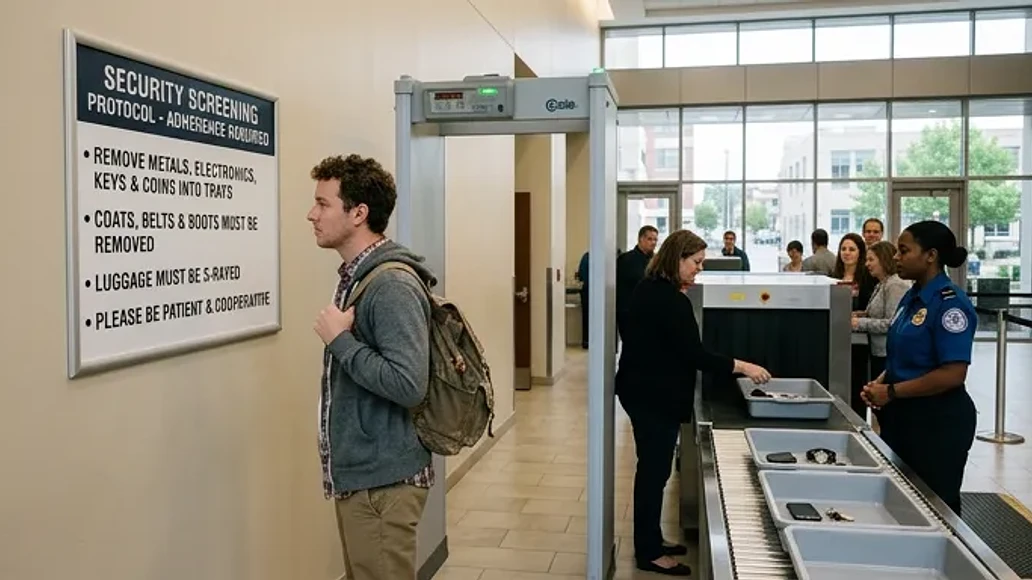
Restricted places are one of the most important legal risk points. Even in states with broad carry rights, certain locations are commonly off-limits or heavily regulated. Schools, courthouses, detention facilities, airports, federal buildings, and some government offices often have separate rules. Private property can also impose its own restrictions, and violating those rules can lead to removal, trespass charges, or worse depending on the facts.
For firearms, permit holders sometimes assume a permit overrides location restrictions. It often does not. For knives and tools, people may assume a common pocketknife is fine everywhere. It often is not. Security screening, posted signs, and special statutes can all change the answer.
| Location | Why it is high risk | What commonly changes | Safe approach |
|---|---|---|---|
| Schools and school grounds | Special statutes and enhanced penalties are common | Exceptions for tools, vehicles, or authorized persons vary | Do not carry there unless you have verified the exact rule and exception |
| Courthouses | Security screening and strict bans are common | Storage procedures and officer exceptions vary | Assume restrictions apply unless official guidance says otherwise |
| Airports | TSA rules, state law, and airport authority rules can overlap | Checked baggage rules differ from carry-on rules | Verify airline, TSA, and airport rules before travel day |
| Federal buildings and federal facilities | Federal restrictions may apply regardless of state carry law | Scope and notice rules can differ by facility | Treat federal property as a separate legal check every time |
| Private businesses and venues | Posted policies and trespass law can create risk | Signage rules and enforcement differ by state | Respect posted rules and ask management if unclear |
Vehicle transport rules are their own category
Vehicle carry is where many otherwise careful people make mistakes. Some states treat a vehicle as an extension of the home for certain purposes. Others do not. Some distinguish between carrying on your person and storing an item in the vehicle. Some care whether the item is loaded, cased, locked, or readily accessible. The phrase “readily accessible” can matter a lot, and it may not mean what you think.
A common bad assumption is that the glove box is always safe. In some jurisdictions, that can create problems. Another mistake is assuming that if an item is legal to own, it is automatically legal to keep under the seat, in a center console, or in a door pocket. For both firearms and knives, transport rules can differ from carry rules.
If you are crossing a state line, the safest general approach is to verify the destination state's transport law before you leave, use secure storage when required, and avoid casual assumptions about accessibility. If the law is unclear, get state-specific legal guidance rather than improvising.
Traveling across state lines, what changes first
The moment you cross a border, your legal situation may change. Permit recognition may change. Knife categories may change. Local ordinances may appear or disappear. Restricted place rules may tighten. Even the same item in the same bag can be lawful in one state and risky in the next.
Interstate travel requires a layered check. Start with the item itself. Then check the carry method, the vehicle transport rule, the destination city, and the places you plan to stop. If you are flying, add airline and TSA rules. If you are driving through multiple states, check each state you will enter, not just the final destination.
How reciprocity works for firearms permits
Reciprocity means one state recognizes a carry permit issued by another state. It is not universal, and it changes. Some states recognize many out-of-state permits. Some recognize only resident permits. Some recognize none. Permitless carry in a state also does not mean every nonresident situation is simple, especially when restricted places and vehicle rules are involved.
If you carry a handgun under a permit, use official state resources to confirm whether your permit is recognized where you are going. Do not rely on an old forum post, a retailer map, or a social media graphic. Reciprocity mistakes can have serious consequences.
Lawful intent versus unlawful intent
Intent matters more than many people realize, especially in knife cases. In some states, a tool carried for ordinary work, utility, or outdoor use may be viewed differently from an item carried with unlawful intent. That does not mean intent is a magic shield. It means the surrounding facts can matter, including statements made to police, the location, the manner of carry, and whether the item fits a prohibited category.
The safest course is simple. Carry ordinary lawful tools for ordinary lawful purposes, avoid modifying or describing them in a way that suggests criminal use, and do not carry prohibited items hoping that a good explanation will fix the problem later.
Common mistakes that lead to arrest or citation
Most EDC legal trouble comes from preventable errors, not from dramatic scenarios. People rely on a friend’s advice. They assume state law overrides a city ordinance. They forget that a school pickup line, courthouse annex, or airport checkpoint is a restricted place. They buy an automatic knife online without checking whether their state defines it as prohibited. They assume a permit from home works everywhere. They leave an item in a vehicle in a way the law treats as readily accessible.
| Common mistake | Why it happens | Possible consequence | Better practice |
|---|---|---|---|
| Using outdated internet summaries | Laws are easier to skim than statutes | Unintentional violation of current law | Check official state and local sources before carrying |
| Ignoring local ordinances | People assume state law is the whole answer | Citation, confiscation, or arrest in some cities | Search the municipal code for the city you will enter |
| Confusing transport with carry | Vehicle rules are often separate and technical | Charge based on accessibility or storage method | Verify vehicle-specific rules for each state on your route |
| Entering restricted places casually | Routine errands can cross into controlled spaces | Enhanced penalties or immediate confiscation | Plan ahead before schools, courts, airports, and federal sites |
| Assuming a common knife is legal everywhere | Marketing language sounds universal | Violation based on blade type, length, or concealment | Match your exact item to the statute's definitions |
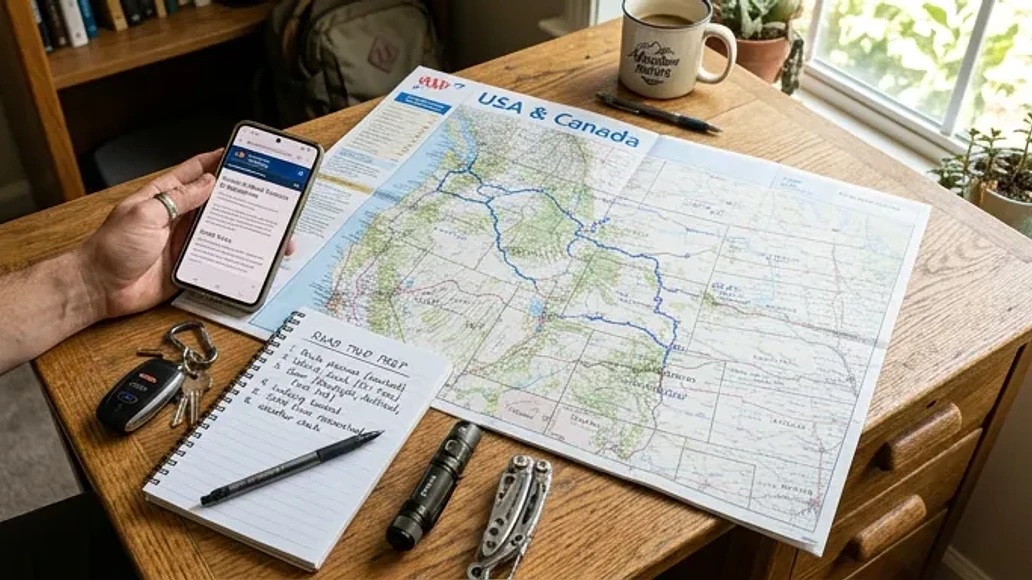
How to check your own state law before you carry
A reliable legal check is a process, not a single search. Start with the official state legislature website and read the current statute for the item you plan to carry. Then check whether your city or county has a municipal code that adds restrictions. After that, review the rules for any place you plan to enter, especially schools, government buildings, airports, and private venues.
- Identify the exact item, including blade type, opening mechanism, or permit status.
- Check whether you may lawfully possess it at all in your state.
- Check whether open carry, concealed carry, and vehicle transport are treated differently.
- Look for blade length thresholds, prohibited categories, and intent language.
- Search the city and county code for local restrictions.
- Check restricted-place rules for your destination.
- If traveling, verify each state on your route and any permit reciprocity issues.
- If anything is unclear, ask a licensed attorney in that jurisdiction before carrying.
Penalties can be more serious than people expect
Carry violations are not always minor tickets. Depending on the state, the item, the location, and your record, penalties can include confiscation, misdemeanor charges, felony exposure, loss of permit eligibility, and long-term consequences for employment or future firearm rights. Prior convictions, protective orders, and age restrictions can change the legal analysis quickly.
That is why this topic deserves caution. If you are unsure whether you are a prohibited person, whether your permit is valid in another state, or whether your item falls into a restricted category, do not guess.
When to ask a lawyer or local authority for clarification
General information can help you ask better questions, but it cannot replace legal advice in close cases. You should consider speaking with a licensed attorney if you have a prior felony or disqualifying conviction, a domestic violence record, a protective order, a juvenile adjudication that may affect rights, a pending charge, or a prior weapons-related arrest. You should also seek legal guidance if you travel frequently for work, carry in multiple states, or own an item that sits near a legal gray area.
Local law enforcement or a courthouse clerk may sometimes help with procedural questions, but they are not your personal lawyer and may not interpret edge cases for you. For anything high stakes, use an attorney licensed in the state that controls the issue.
A low-risk compliance checklist for lawful everyday carry
The safest EDC setup is usually the one that is ordinary, clearly lawful, and easy to explain as a tool or lawful defensive item under your state's rules. That does not mean minimal. It means verified. Choose gear that fits your actual needs, avoid borderline categories unless you have checked them carefully, and review your setup again before travel.
| Checklist item | What to confirm | Why it lowers risk |
|---|---|---|
| Item category | Your knife, spray, tool, or firearm matches a lawful category | Avoids accidental possession of a prohibited item |
| Carry method | Open, concealed, and vehicle storage are lawful in your state | Prevents carry method violations |
| Blade or feature limits | Length, opening mechanism, and fixed-blade rules are satisfied | Addresses common knife-law triggers |
| Restricted places | Your route and destination do not include prohibited locations | Reduces the highest-risk violations |
| Travel check | Every state and city on your route has been reviewed | Prevents border-crossing surprises |
| Documentation | Permit, ID, and official reference links are current | Helps you verify compliance quickly |
State-by-state research tips that actually work
If you want a true state-by-state answer, build it from official sources instead of relying on one summary page. Use the state legislature website for statutes. Use the state attorney general or state police site for permit and reciprocity guidance where available. Use the city or county code for local rules. Use airport, courthouse, school district, and venue sites for location-specific restrictions. If you update your notes once a year, recheck them before any major trip because these rules can change.