What Simpler Households Skip, and What Smart Preppers Should Learn From It
Many people assume Amish families avoid the same prep items across the board, but real life is more nuanced. This guide looks at the supplies they reportedly tend not to stockpile, why that choice can make sense, and where modern households should not follow minimalist habits too far.

Curiosity about Amish preparedness usually starts with a simple question, what do they not keep in bulk? The better question is why. Many Amish households are known for simplicity, repair, reuse, food preservation, and lower dependence on complex systems. That does not mean every Amish community follows the same rules, and it does not mean modern families should copy every habit without thinking through safety, climate, health needs, and local risks.
This article takes a careful approach. Instead of repeating the claim that Amish households “never” stockpile certain things, it looks at items they reportedly tend to avoid, deprioritize, or keep in smaller amounts. Then it translates those habits into practical guidance for a modern home that wants less waste and better readiness.
What “Amish” means in preparedness conversations
The Amish are not one uniform group. Practices vary by church district, region, household income, occupation, and how conservative or flexible a community is about technology. Some families preserve large amounts of food. Some use limited modern equipment for work. Some may keep more fuel, feed, or pantry staples than outsiders expect. So any statement about what “the Amish” do should be treated as a broad pattern, not a fixed rule.
That matters because preparedness is local. A rural family with a garden, livestock, cellar, and repair skills will organize supplies differently from an apartment household that depends on city water and grocery deliveries.
Why simpler households often avoid giant stockpiles
Households that value self-reliance often focus less on buying mountains of gear and more on maintaining systems that work every day. A root cellar, a pressure canner used correctly, a hand tool that can be repaired, and neighbors who trade labor can all matter more than a closet full of unopened gadgets.
There are practical reasons for avoiding oversized stockpiles:
- Perishable goods can spoil before use.
- Battery-heavy gear can fail if it is not maintained.
- Large fuel reserves create fire and ventilation risks.
- Single-use products take up space and create replacement costs.
- Skills, routines, and local production can reduce the need for excess buying.
Still, avoiding excess is not the same as avoiding readiness. Water, sanitation, medications, infant supplies, and emergency communication backups should never be minimized just to imitate a minimalist ideal.
Stockpile versus sensible reserve
A stockpile is more than you can realistically rotate, store safely, and use before it degrades. A sensible reserve is an amount matched to your household size, climate, medical needs, and likely disruptions. For one family, that may mean two weeks of shelf-stable food and stored water. For another, it may mean a month of pantry staples plus backup power for refrigerated medicine.
The goal is not to own less for its own sake. The goal is to own what you can safely store, maintain, and actually use.
Six prep items simpler households reportedly do not prioritize in bulk
| Item | Why it is often avoided | What to do instead | Important caution |
|---|---|---|---|
| Highly processed convenience foods | Cost, waste, lower daily usefulness, packaging bulk | Store staple foods you already cook with | Keep no-cook options for outages and evacuations |
| Large amounts of freezer-dependent food | Reliance on electricity, spoilage risk during outages | Use shelf-stable foods, tested canning, drying, and rotation | Do not rely on unsafe home preservation methods |
| Excess disposable products | Preference for reuse, repair, and lower recurring cost | Mix reusable household systems with a modest backup supply | Sanitation items still need reliable reserves |
| Gadget-heavy prep gear | Maintenance burden, battery dependence, limited daily value | Choose durable basics and learn to use them | Some households still need radios, lights, and power banks |
| Oversized fuel caches | Storage hazard, ventilation concerns, replacement burden | Keep only what you can store legally and safely | Fuel, generators, and stoves require fire and carbon monoxide precautions |
| Novelty survival products | Low usefulness compared with ordinary tools and pantry goods | Build around proven household essentials | Avoid buying gear you have never tested |
1. Highly processed convenience foods
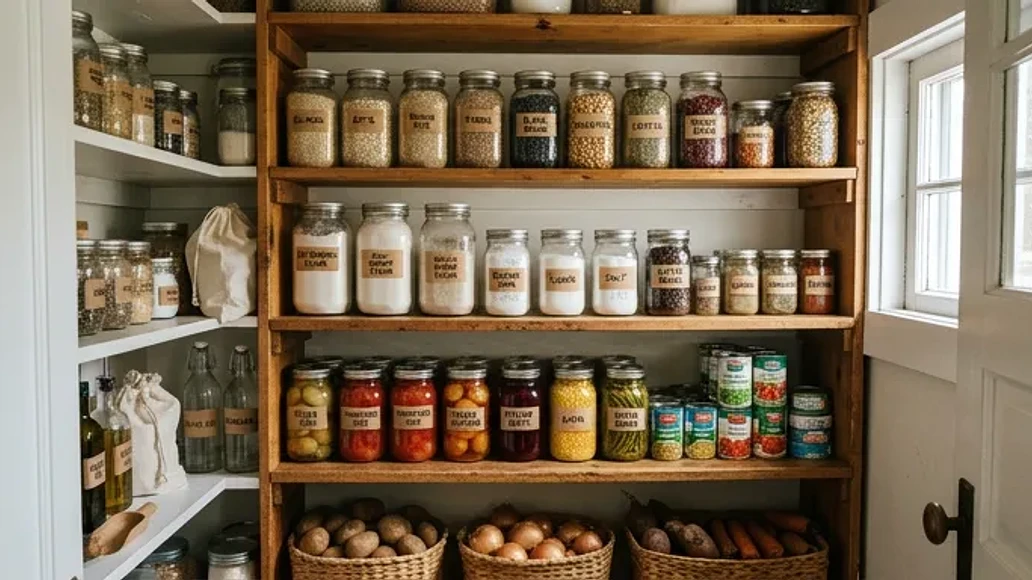
One common claim is that Amish households do not stockpile piles of ready-to-eat snack foods, instant meals, and heavily packaged convenience items. That general pattern makes sense. Families that cook from scratch often get more value from flour, oats, beans, rice, sugar, salt, lard or oil, and preserved produce than from expensive packaged foods with lower nutritional flexibility.
For a modern household, the lesson is not “never buy convenience food.” It is “do not let convenience food become your whole emergency plan.” A few no-cook meals are useful during power outages, storms, or evacuations. But a pantry built around ingredients usually costs less and rotates better.
What works better for most homes
Keep a mix of daily-use staples and a smaller layer of easy meals. That gives you flexibility without overpaying for food you may not enjoy or rotate.
2. Large amounts of freezer-dependent food
Another item simpler households may avoid stockpiling in excess is food that becomes vulnerable the moment power fails. Freezers are useful, but a preparedness plan that depends too heavily on uninterrupted electricity is fragile. A long outage can turn a large frozen inventory into a food safety problem and a financial loss.
That is one reason food preservation methods such as canning, drying, fermenting, and cool storage have long been valued in self-reliant homes. The key safety limit is important here. If you preserve food at home, use tested methods from extension services or the National Center for Home Food Preservation. Improvised canning advice is not worth the risk.
When frozen food still makes sense
Frozen food is still practical if you have a realistic backup plan, such as a short outage strategy, a thermometer, and enough shelf-stable food to avoid opening the freezer repeatedly. Households with special diets may reasonably keep more frozen items than a minimalist model would suggest.
3. Excess disposable products
Preparedness shopping often drifts toward disposable plates, wipes, paper goods, and one-time-use cleaning products. Simpler households frequently lean the other way, toward washable cloth, repairable tools, refillable containers, and systems that reduce repeat purchases.
That can be smart, but there is a limit. Sanitation is not optional. During illness, caregiving, sewage problems, or water interruptions, disposable gloves, trash bags, toilet paper, feminine hygiene products, diapers, and disinfecting supplies may be exactly what a household needs.
The practical takeaway is balance. Reusables lower waste and cost over time, while a modest reserve of disposables helps during disruptions.
4. Gadget-heavy prep gear
Many people buy preparedness gadgets because they feel reassuring. The problem is that a pile of specialty tools can create false confidence. If an item needs rare batteries, breaks easily, or only solves one narrow problem, it may not deserve much storage space.
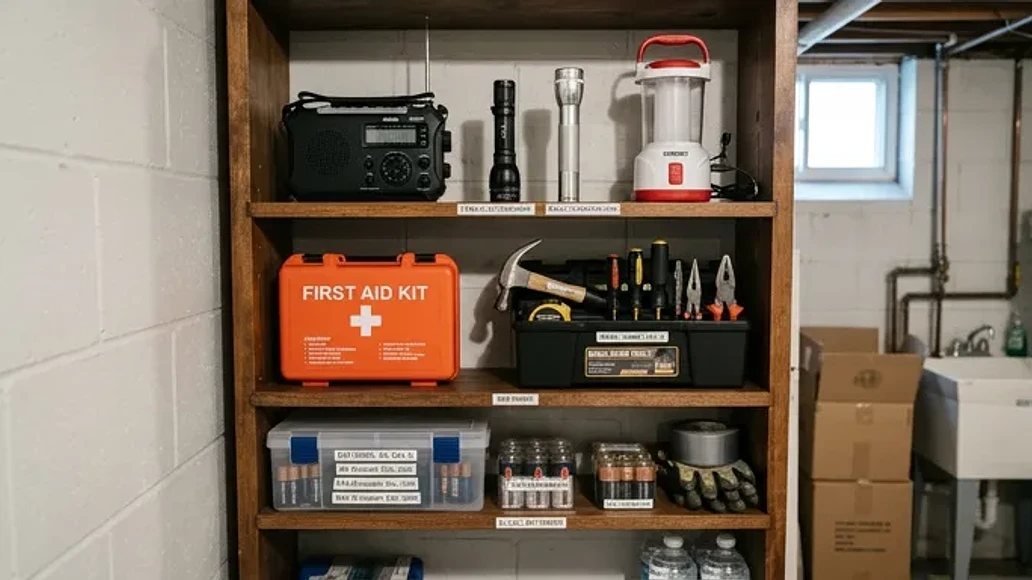
Simpler households often favor ordinary, durable items with daily value, lanterns that are actually used, hand tools that can be repaired, cookware that works on more than one heat source, and clothing or bedding that serves both normal life and emergencies.
That does not mean modern homes should skip emergency communications or lighting. A weather radio, flashlights, headlamps, power banks, and spare charging cables are often wise. The lesson is to buy fewer, better, and more maintainable items.
Ask this before buying gear
If the power goes out tonight, do you know how to use it, maintain it, and replace its consumables? If not, it may be clutter, not readiness.
5. Oversized fuel caches
Fuel is one of the easiest prep categories to overdo. Gasoline, propane, kerosene, lamp oil, and generator fuel all come with storage limits, fire risk, ventilation concerns, and shelf-life issues. A household that avoids large fuel reserves may be making a very practical decision, especially if it has alternative cooking methods, lower power needs, or a routine built around less energy use.
For modern households, the right amount depends on local hazards and equipment. Some homes need generator fuel for sump pumps, refrigeration, or medical devices. Others are better served by reducing dependence, using coolers strategically, keeping shelf-stable food, and adding battery banks or solar charging for small electronics.
Never run a generator indoors, in a garage, or near openings where carbon monoxide can enter the home. Store fuel only in approved containers and follow local fire code and manufacturer guidance.
6. Novelty survival products
Preparedness marketing is full of products that sound rugged but add little value. Tiny multi-tools that do nothing well, gimmick food buckets no one wants to eat, and single-purpose emergency gadgets often sit untouched until they expire or fail.
Households shaped by thrift and daily utility tend to skip these purchases. They may prefer extra socks, blankets, soap, jars, buckets, lids, pressure canner parts, sewing supplies, and repair materials over flashy “survival” items.
That is a useful filter for anyone. If a product does not improve your daily resilience, maintenance capacity, or emergency function, it may not deserve a place in your plan.
Which items should not be minimized for safety reasons
This is where minimalist advice can become unsafe. Some categories should not be treated as optional just because a simpler household might rely on different systems.
| Category | Why reducing too far is risky | What a modern home should keep | Who may need extra planning |
|---|---|---|---|
| Water | Dehydration and sanitation failures happen fast | Stored water, safe containers, rotation, and treatment backup | Infants, older adults, pregnant people, hot-climate households |
| Medications and medical supplies | Interruptions can become dangerous quickly | Clinician-approved reserve when possible, plus essential supplies | People with diabetes, heart disease, asthma, oxygen needs |
| Sanitation supplies | Illness spreads when hygiene breaks down | Soap, toilet paper, trash bags, cleaning supplies, gloves | Caregivers, homes with babies, immunocompromised people |
| Emergency communications | Underpreparing can delay warnings and help | Charged phones, backup power, radio, contact plan | Rural homes, severe weather areas, caregivers |
| Special diet and infant supplies | Substitutions may be unsafe or impossible | Formula, medically necessary foods, feeding supplies | Infants, allergies, pregnancy, chronic illness |
If your household includes someone who is pregnant, elderly, disabled, immunocompromised, or dependent on refrigerated medicine or medical equipment, your preparedness plan may need more supplies and more redundancy than a minimalist model suggests. For medication storage and reserve questions, follow pharmacy and clinician guidance.
What Amish-style preparedness gets right
The strongest lesson is not about any one item. It is about systems. Resilient homes often share a few traits, they know how to cook basic food, preserve harvests safely, repair useful items, keep practical reserves, and avoid buying things that create more maintenance than value.
| Amish-style practice | Why it helps | Modern adaptation | Limit to remember |
|---|---|---|---|
| Cook from staples | Lower cost and easier pantry rotation | Build meals around foods you already use | Keep some no-cook foods for outages |
| Preserve seasonal food | Extends shelf life and reduces waste | Use tested canning, drying, and freezing methods | Unsafe preservation can cause serious illness |
| Repair before replacing | Reduces dependency on shopping | Keep spare parts, tools, and maintenance habits | Do not delay replacement of unsafe equipment |
| Use multipurpose tools | Saves money and storage space | Choose durable basics over novelty gear | Some specialized needs still require dedicated equipment |
| Store what fits daily life | Improves rotation and reduces waste | Match reserves to real habits and local risks | Medical and water needs may require extra stock |
What modern households should not copy blindly
It is easy to romanticize low-tech living. But many modern homes face risks that differ from a farm household with land, community labor, and food production. Apartment dwellers may need more purchased water. Suburban homes may need backup power for sump pumps. Families with chronic illness may need refrigeration, batteries, or medical consumables that do not fit a simple-living ideal.
Preparedness should fit your actual life. If your home depends on electric heat, elevators, insulin, formula, or municipal alerts, then your reserve strategy should reflect that reality.
Safer substitutes for overstocking
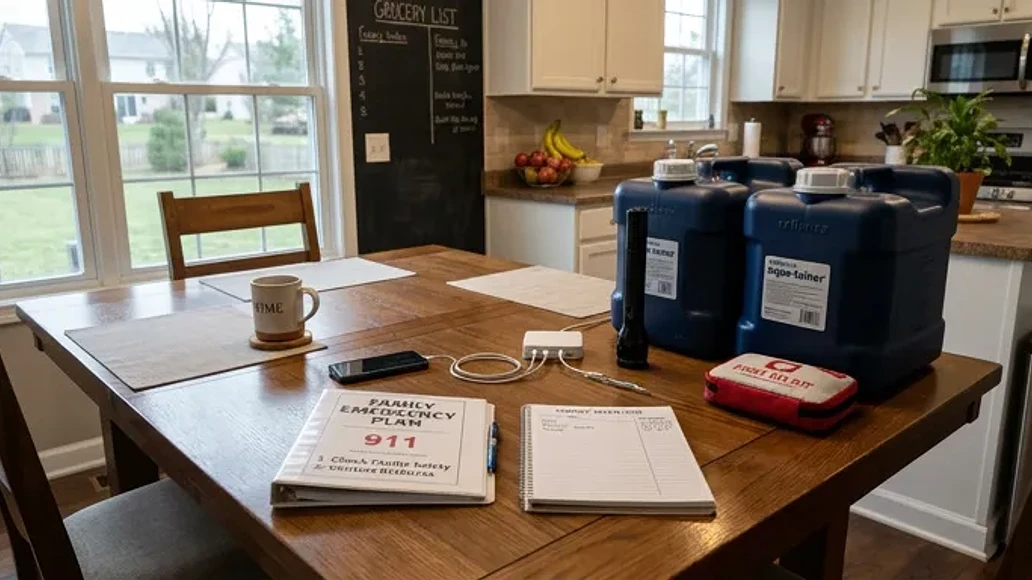
If you want less clutter and less waste, replace panic buying with a layered plan. Start with water, food you already eat, sanitation, medications, lighting, communication, and important documents. Then add skills and routines that reduce dependence.
| Problem | Wasteful response | Smarter substitute | Why it works better |
|---|---|---|---|
| Fear of food shortages | Buying random bulk foods no one eats | Deep pantry of familiar staples with rotation | Lower waste and easier meal planning |
| Fear of blackouts | Overbuying fuel and gadgets | Lighting, power banks, limited backup power, shelf-stable meals | Lower hazard and simpler maintenance |
| Fear of supply chain delays | Huge piles of disposables | Reusable systems plus modest backup stock | Reduces recurring cost and storage burden |
| Fear of communication loss | Buying niche electronics without a plan | Phone charging backup, weather radio, family contact plan | Improves real-world response |
| Fear of water outages | Storing water without rotation or treatment plan | Safe containers, rotation schedule, treatment backup | Safer and more reliable |
How to build a simple preparedness plan without waste
A practical plan can stay small and still be effective. Store what you use. Rotate what you store. Test what you buy. Maintain what you depend on. Keep enough for likely disruptions, not fantasy scenarios.
- List your top local risks, such as storms, outages, wildfire smoke, flooding, or winter road closures.
- Count the people, pets, and medical needs in your home.
- Build a two-week reserve of water, food, sanitation items, and medications where possible.
- Choose shelf-stable foods your household already eats.
- Add lighting, charging, and communication backups you can actually maintain.
- Review storage safety for food, water, fuel, and medicine.
- Practice using your plan during a short power-off weekend or storm drill.
Common mistakes people make when copying self-reliant lifestyles
The biggest mistake is confusing appearance with function. Mason jars, oil lamps, and hand tools can be useful, but they are not a preparedness plan by themselves. Another mistake is assuming that less technology always means more resilience. Sometimes the opposite is true, especially when a person depends on medical equipment, weather alerts, or refrigerated medicine.
A third mistake is treating all stockpiling as foolish. Some reserves are wise. The question is whether they are safe, rotated, and matched to your needs.
When to get professional guidance
Some preparedness decisions should not rely on internet folklore. Ask a clinician or pharmacist about medication reserves, refrigeration limits, oxygen equipment, diabetes supplies, pregnancy nutrition, and infant feeding needs. Use local emergency management guidance for severe weather planning. For canning and food preservation, follow tested extension or national preservation guidance rather than family tradition alone.