Stockpile Smarter: What to Leave Off the Shelf and What to Store Instead
A safer home stockpile is not about hoarding everything that looks useful. Learn which items spoil, degrade, attract pests, or create hazards, plus better alternatives for food, water, cleaners, PPE, and household essentials.

A useful stockpile is not the same thing as a pile of random supplies. The goal is simple, to keep your household safe and functional through short disruptions, storms, outages, supply hiccups, and temporary isolation. That means choosing items that store well, stay usable, fit your space, and match what your family will actually consume.
Some products are poor stockpile choices because they spoil quickly. Others attract pests, absorb moisture, lose effectiveness over time, or become hazardous if stored carelessly. A few are not bad items in normal daily life, but they are bad items to buy in bulk for long-term emergency storage.
This guide focuses on what to avoid, why it matters, and what to keep instead. It also covers rotation, packaging, water, cleaners, PPE, and special household needs so you can build a stockpile that is practical rather than wasteful.
What a stockpile is, and what it is not
For most households, a stockpile is a planned reserve of essentials kept for disruption, not a warehouse of everything you might someday use. It usually includes water, shelf-stable food, basic sanitation items, lighting, batteries, backup cooking options where appropriate, and critical daily-use supplies.
It helps to define a few terms:
- Shelf life, how long a product keeps acceptable quality or function when stored as directed.
- Rotation, using older items first and replacing them with fresh ones.
- FIFO, first in, first out, a simple rotation method.
- Nonperishable, not truly permanent, but generally stable at room temperature for a meaningful period.
- Expired, past the date set by the maker for best quality, safety, or performance, depending on the product.
- Food-grade container, a container intended for safe contact with food or drinking water.
A stockpile is not a chemistry cabinet, a medicine dump, or a collection of foods your household dislikes. If it cannot be stored safely, rotated realistically, or used with confidence, it does not belong in large quantity.
Which items are truly bad stockpile choices
Not every weak choice is equally serious. Some items are merely inefficient. Others are unsafe. The table below separates common problem categories so you can prioritize what to remove or avoid buying in bulk.
| Item type | Main problem | Risk level | Better approach |
|---|---|---|---|
| Foods your household never eats | Poor rotation, waste, expired stock | Moderate | Store familiar shelf-stable foods you already use |
| High-fat whole grain products stored long term without rotation | Shorter shelf life, rancidity | Moderate | Keep smaller amounts and rotate often, use lower-fat dry staples for longer storage |
| Damaged cans or compromised packages | Possible contamination or spoilage | High | Discard damaged items and inspect packaging regularly |
| Bulk bleach stored for years as a cure-all | Strength drops over time, misuse risk | High | Buy only what you can rotate, follow label directions, store separately from food |
| Expired or poorly stored respirators for critical protection | Reduced reliability, storage damage | High | Keep in original packaging, monitor shelf life, replace for critical use |
| Questionable water containers | Contamination, off flavors, unsafe storage | High | Use clean food-grade containers or commercially bottled water |
| Huge quantities of short-life snack foods | Low nutrition, waste, false sense of readiness | Moderate | Balance calories with protein, fiber, and easy meal components |
| Large medicine stashes without pharmacist guidance | Expiration, dosing confusion, safety issues | High | Maintain only needed medicines, check dates, ask a pharmacist about storage |
Food items that often disappoint in storage
Many people assume any dry pantry item is automatically a good emergency staple. That is not true. Shelf life depends heavily on packaging, temperature, moisture, light, and how often the item is opened.
Foods that often underperform in stockpiles include products with higher oil content, fragile packaging, or strong pest appeal. Examples can include brown rice, whole wheat flour, granola, nuts, and large bags of snack foods, especially if they are stored warm or humid and rarely rotated.
That does not mean these foods are forbidden. It means they are usually better in a normal pantry cycle than in a deep, long-term reserve. If you keep them, buy smaller amounts and use them routinely.
Why some emergency foods fail fast
Foods tend to fail for four reasons. First, fat goes rancid. Second, moisture sneaks in and causes clumping, mold, or spoilage. Third, pests find weak packaging. Fourth, people buy novelty survival foods or bargain bulk items they never test in real meals.
A stockpile should support normal eating under stress. If a food requires unusual preparation, lots of water, special grinding, or a long cooking time your backup plan cannot support, it may not be a good fit.
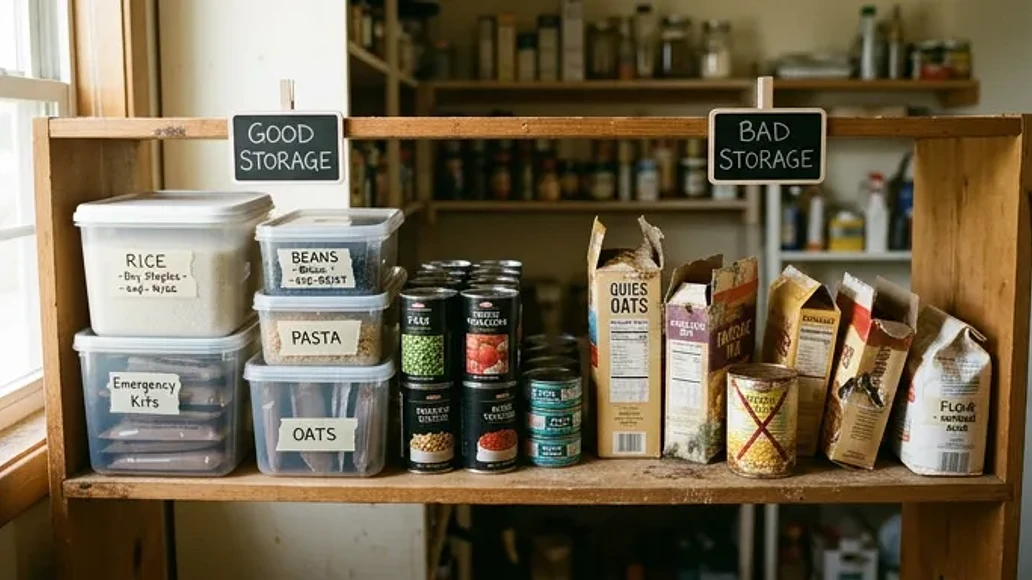
Avoid versus better alternatives for common stockpile items
| Avoid stocking heavily | Why it is a weak choice | Better item to store | Why the alternative works better |
|---|---|---|---|
| Brown rice for long unattended storage | Higher oil content can shorten storage life | White rice in appropriate packaging | Generally stores longer under good conditions |
| Whole wheat flour in bulk for long-term reserve | Can lose quality faster than refined flour | Smaller rotating flour supply, plus other shelf-stable staples | Less waste and easier rotation |
| Oversized cereal and snack packs | Low satiety, packaging damage, stale quickly once opened | Oats, pasta, beans, canned soups, canned proteins | More meal value and easier planning |
| Foods your family dislikes | They will not get rotated | Regular pantry foods with known shelf stability | Improves turnover and reduces waste |
| Glass-heavy storage in quake-prone or cramped areas | Breakage hazard | Durable cans, pouches, or sturdy food-safe containers | Safer in movement and easier to stack |
| Large bags left in original paper packaging | Pests and moisture can get in | Sealed storage containers or manufacturer-sealed durable packaging | Better protection from humidity and insects |
Can you stockpile flour, rice, and other dry goods safely?
Yes, but the answer depends on the product and your storage setup. Dry goods are not all equal. Refined, lower-fat staples generally tolerate storage better than higher-fat whole grain products. Packaging matters just as much as the food itself.
If you store dry goods, keep them cool, dry, dark, and protected from pests. Avoid garages, sheds, and attics if they swing hot and cold or get humid. Once a package is opened, its practical storage life often drops unless you repackage it properly and keep using it.
The safest rule is this, store what you already cook, in quantities you can rotate before quality drops.
Water and cleaner mistakes that create more problems than they solve
Water belongs in every home stockpile. Unsafe containers do not. Do not assume any old jug, bucket, or reused household bottle is suitable for long-term drinking water storage. Use clean food-grade containers or commercially bottled water, and inspect for leaks, cloudiness, damage, and contamination concerns.
Cleaners are another area where people overbuy. Bleach can be useful for disinfection when the product and concentration are appropriate, but it is not a forever item and not all bleach products are interchangeable. Scented, splashless, or specialty formulas may not be appropriate for the same emergency uses people assume.
Do not store bulk bleach as if it were a permanent universal emergency supply. Do not store it with food. Do not mix cleaners. Keep chemicals in original containers with readable labels, away from heat and out of reach of children and pets.
Why bulk chemicals can become a hazard
Chemicals can leak, corrode, lose strength, or be mistaken for something else if transferred to unlabeled containers. In a stressful event, confusion is dangerous. A smaller, rotated supply stored correctly is usually safer than a large neglected stash.
| Supply | Good stockpile practice | Poor stockpile practice | Key caution |
|---|---|---|---|
| Drinking water | Use food-grade containers or sealed bottled water, inspect and rotate as needed | Use random old containers with uncertain history | Contaminated containers can make stored water unsafe |
| Bleach | Keep a modest amount in original container, follow label directions | Store large old quantities for years without checking product guidance | Strength and suitability vary by product |
| Other cleaners | Store separately, labeled, and secured | Mix products or decant into food containers | Mixing chemicals can create toxic hazards |
Non-food items that do not belong in a deep stockpile
Some non-food supplies are worth keeping. Others are easy to overdo. A common mistake is buying large quantities of specialized gear or consumables without understanding shelf life, storage limits, or actual household need.
PPE is a good example. Respirators and similar protective items can be valuable, but shelf life and storage conditions matter. For critical protection, do not rely on expired or poorly stored respirators as if they are equal to fresh, properly stored approved products. Keep them in original packaging when possible, protect them from crushing, moisture, and heat, and replace them when needed.
Medicines also require caution. Do not build a giant medicine stockpile without guidance. Some products lose effectiveness over time, and some should not be used past expiration without professional advice. If the question involves prescriptions, chronic illness, insulin, inhalers, or other essential therapies, speak with a pharmacist or clinician about safe storage and refill planning.
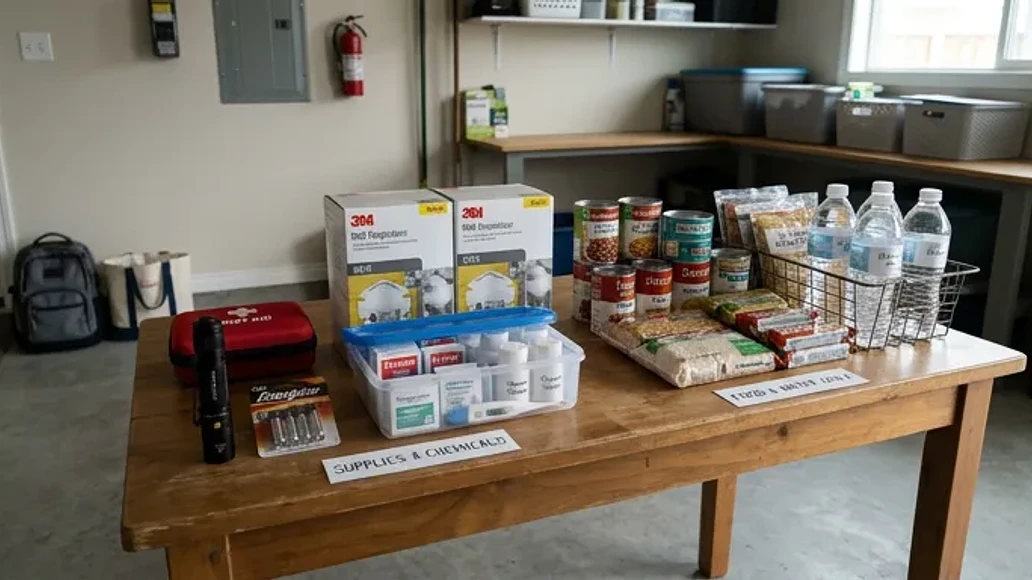
When an item should be kept, rotated, replaced, or discarded
| Item | Keep | Rotate | Replace | Discard |
|---|---|---|---|---|
| Commercial canned food | Can is clean and intact | Use oldest first | If nearing preferred use date and you want fresher stock | If swollen, leaking, badly rusted, or deeply damaged |
| Dry goods | Package is intact and contents look normal | Use routinely with FIFO | If quality drops or storage conditions were poor | If pests, moisture, mold, or off odors are present |
| Stored water | Container is sound and water remains clear | Check and refresh per product or household plan | If container is aging or storage conditions were poor | If contamination is suspected and treatment is not appropriate |
| Bleach | Label is readable and product is within useful storage period | Buy smaller amounts more often | If old or if product guidance changes | If leaking, unlabeled, or contaminated |
| Respirators | Original packaging intact, no visible damage | Review dates and storage condition | For critical use when shelf life is exceeded or storage was poor | If wet, crushed, dirty, degraded, or otherwise compromised |
| Medicines | Stored as directed and clearly labeled | Use current supplies before newly purchased ones when appropriate | Before expiration when essential to daily health | When expired and not advised for use by a pharmacist or clinician |
Packaging and storage conditions matter more than most people think
The same food can perform very differently depending on where and how it is stored. Heat speeds quality loss. Moisture encourages spoilage. Light can degrade some products. Weak packaging invites pests.
A cool, dry, dark indoor closet usually beats a hot garage. Original packaging can be fine for short-term rotation, but flimsy paper or thin plastic is not ideal for long unattended storage. Keep shelves clean, elevate items off damp floors, and leave enough space to inspect for leaks or pests.
Do not treat all long-lasting foods as interchangeable. A can of beans, a pouch meal, a bag of flour, and a jar of peanut butter all age differently.
| Category | Best storage conditions | Main threats | Practical note |
|---|---|---|---|
| Canned food | Cool, dry, indoor storage | Rust, dents, freezing, high heat | Inspect seams and ends before use |
| Dry staples | Cool, dry, pest-protected area | Moisture, insects, rodents, heat | Rotate faster once opened |
| Water | Clean, food-safe containers away from chemicals and heat | Container damage, contamination, sunlight | Label and inspect regularly |
| Bleach | Original container, cool area, separate from food | Heat, age, leaks, misuse | Follow product label, not generic assumptions |
| Respirators and PPE | Original packaging, dry, protected from crushing | Moisture, heat, deformation, age | Do not rely on compromised PPE for critical protection |
| Medicines | As directed on label, secure and dry | Heat, humidity, expired dates, confusion | Ask a pharmacist if storage or expiration is unclear |
What to stock instead of low-value items
A better stockpile is built around useful meals and daily function. Think in terms of water, calories, protein, fiber, easy preparation, sanitation, and household continuity.
Good replacements often include canned beans, canned meats or fish, shelf-stable milk options if your household uses them, pasta, oats, rice that fits your rotation plan, soups, nut butters if you rotate them, crackers with reasonable turnover, electrolyte products for short-term support when appropriate, and comfort foods in modest amounts.
For non-food supplies, prioritize flashlights, batteries, hygiene items, trash bags, manual can openers, basic first aid supplies, and any household-specific essentials. The best stockpile items are boring, dependable, and easy to use.
How to prioritize for 3-day, 2-week, and 30-day readiness
Many stockpile mistakes happen because people buy for a vague future instead of a defined time frame. A short outage plan is different from a longer disruption plan.
| Time frame | Main goal | Best focus | What to avoid |
|---|---|---|---|
| 3 days | Immediate safety and convenience | Water, ready-to-eat foods, lights, sanitation, essential medicines | Complicated foods needing long cook times |
| 2 weeks | Routine household continuity | Balanced shelf-stable meals, backup cooking plan, pet and baby supplies, hygiene items | Novelty foods and oversized chemical purchases |
| 30 days | Sustainable rotation and storage discipline | Durable staples, canned proteins, inventory system, replacement schedule | Buying more than you can store, inspect, or rotate |
Special considerations for babies, pets, older adults, pregnancy, and chronic illness
General stockpile advice can fail badly if your household has specific needs. Babies may require formula, baby food, diapers, wipes, and a safe water plan. Pets need their own food, medications, and feeding supplies. Older adults may need easy-open packaging, low-sodium options, backup power for devices, or foods that are easy to chew.
Pregnancy, diabetes, kidney disease, food allergies, and other chronic conditions can change what is safe or useful to store. Sports drinks, bars, and supplements may help in some short-term situations, but they do not replace water, balanced food, or medical advice. If your stockpile planning involves prescription timing, therapeutic diets, or medical devices, get individualized guidance from a clinician or pharmacist.
Common stockpile mistakes that waste money and space
- Buying by fear instead of by plan.
- Storing food in hot garages or damp basements.
- Ignoring expiration dates and package damage.
- Keeping too many foods that require lots of water or fuel to prepare.
- Mixing food storage with chemical storage.
- Assuming all bleach, all respirators, or all dry goods behave the same way.
- Failing to account for children, pets, and medical needs.
The fix is usually simple, reduce variety, improve storage conditions, label clearly, and rotate more often.
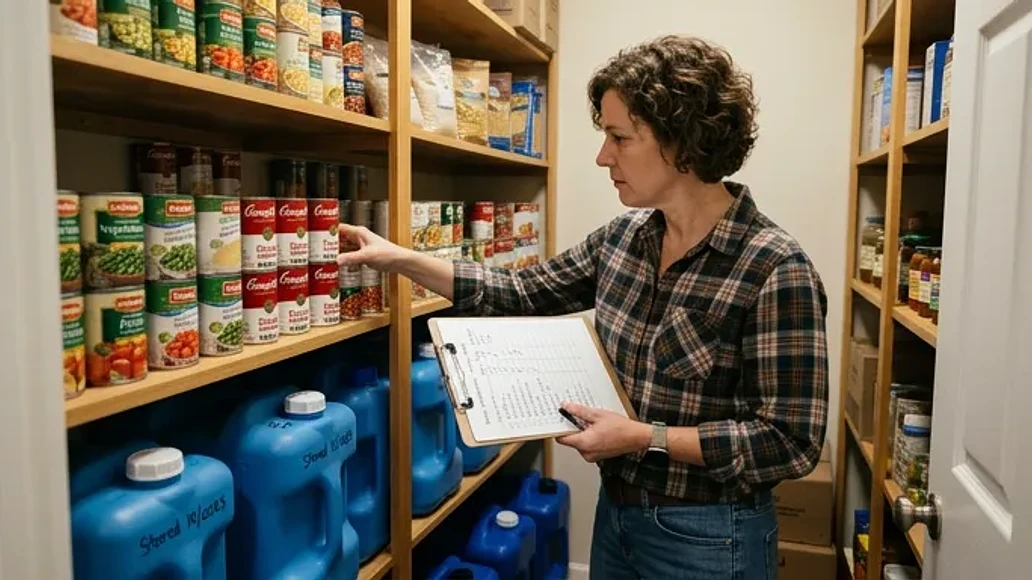
A simple rotation and inventory checklist
If you want your stockpile to stay useful, inspect it on a schedule. Monthly is ideal for a quick visual check, and every few months is a good time for a deeper review.
- Check for leaks, swelling, rust, pests, moisture, and broken seals.
- Move older items to the front and use them first.
- Replace anything your household used during the month.
- Review water containers for damage or contamination concerns.
- Confirm labels are readable on cleaners and medicines.
- Check PPE packaging for crushing, moisture, or age concerns.
- Update a simple written or digital inventory.
This kind of routine matters more than chasing a perfect list of products.
When not to rely on stockpiled items
Do not rely on damaged cans, compromised packaging, questionable water, leaking chemical containers, expired medicines without professional guidance, or degraded PPE for critical protection. If there is any sign of contamination, poisoning, severe dehydration, mold exposure, or inability to access essential medication, use official guidance and seek professional help.
For medical questions, contact a clinician or pharmacist. For poisoning concerns, contact Poison Control or emergency services as appropriate. For water safety after contamination, follow local public health instructions.