The Real Household Dangers Most Likely to Turn Fatal
A data-based look at the leading preventable ways Americans die at home, with practical steps to reduce the biggest risks in every room.

Home feels safe, but the most serious household dangers are usually ordinary, not dramatic. In the United States, preventable deaths at home are far more likely to involve poisoning, falls, fire, choking, suffocation, drowning, and self-harm than rare disaster scenarios. The useful question is not what sounds scary. It is what actually happens often enough to deserve your attention first.
This guide focuses on common, preventable risks in and around the home. It is general safety education, not personal medical advice. If someone is in immediate danger, call 911 right away. If you suspect poisoning or overdose, contact Poison Control at 1-800-222-1222 in the US, or use emergency services if the person is unconscious, having trouble breathing, seizing, or cannot be awakened.
What counts as a death at home?
For practical safety planning, it helps to separate three different situations:
Preventable home hazards, such as overdose, falls on stairs, a kitchen fire, or choking during a meal.
Medical emergencies that happen at home, such as heart attack or stroke. These matter, but they are not usually caused by the home itself.
Events that begin at home and end in a hospital. Many fatal injuries are recorded after transport, so exact location-based rankings have limits.
Because public data is not always organized neatly by room or address, the ranking below uses the best available US injury and home safety patterns. The goal is to highlight the hazards most worth preventing in an average household.
Ranked, the most common preventable ways people die at home
Recent summaries of US home accident data show that poisoning leads home accident deaths, followed by falls, then fire and smoke, with suffocation and drowning also contributing. Suicide is not usually grouped with unintentional home accidents, but it is essential to include because many suicides occur in or around the home and access to lethal means strongly affects survival.
| Rank | Cause | Typical home scenarios | Who is most at risk | Best first prevention step |
|---|---|---|---|---|
| 1 | Poisoning and overdose | Medication errors, opioid overdose, alcohol poisoning, mixing drugs, household chemicals, carbon monoxide exposure | Adults, people taking multiple medications, teens, people with substance use disorder, young children | Lock up medicines and chemicals, review medications, install CO alarms |
| 2 | Falls | Bathroom slips, stair falls, nighttime trips, ladder falls, cluttered walkways | Older adults, people with balance issues, anyone on sedating medications | Improve lighting and remove tripping hazards |
| 3 | Fire, smoke, and burns | Cooking fires, smoking materials, space heaters, overloaded outlets, faulty wiring | Everyone, especially children, older adults, and people with limited mobility | Install and maintain smoke alarms on every level and near sleeping areas |
| 4 | Choking and suffocation | Food choking, unsafe infant sleep, plastic bags, bedding hazards, airway blockage | Infants, toddlers, older adults, people with swallowing problems | Use safe sleep practices and supervise meals |
| 5 | Suicide and self-harm | Crises involving firearms, medications, isolation, severe depression, substance use | People with depression, prior attempts, substance misuse, acute stress, access to lethal means | Reduce access to lethal means and seek immediate crisis help |
| 6 | Drowning and water hazards | Backyard pools, bathtubs, buckets, spas, decorative water features | Young children, people with seizures, intoxicated adults | Use barriers and constant close supervision |
| 7 | Environmental hazards | Carbon monoxide, radon, extreme indoor heat or cold | Older adults, infants, people with heart or lung disease | Install detectors, test when appropriate, maintain heating systems |
This ranking is meant to guide prevention priorities, not to predict any one household's exact risk. Age, health, medications, housing condition, and substance use can shift the order dramatically.
Why poisoning and overdose often top the list
Poisoning at home is broader than many people realize. It includes prescription medication mistakes, opioid overdose, alcohol poisoning, accidental double-dosing, mixing sedating drugs, child exposure to gummies or pills, household cleaning chemicals, and carbon monoxide from fuel-burning appliances or generators.
What makes poisoning so dangerous is speed and silence. A person may simply look sleepy, confused, or nauseated until breathing slows or stops. Carbon monoxide is even harder to detect without an alarm because you cannot see or smell it.
High-risk poisoning situations
| Situation | Why it becomes deadly | Practical prevention |
|---|---|---|
| Taking several prescriptions from different doctors | Drug interactions can increase sedation, falls, or overdose risk | Use one pharmacy when possible and keep an updated medication list |
| Using opioids with alcohol or sleep medications | Breathing suppression risk rises sharply | Follow label directions exactly and ask a pharmacist about interactions |
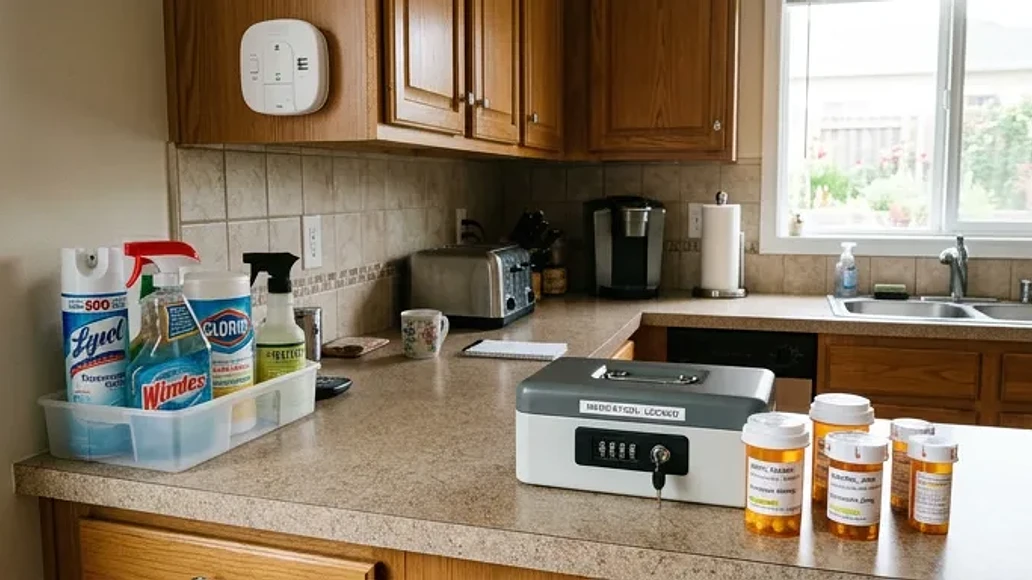
| Storing medicines in purses, counters, or unlocked drawers | Children, guests, or confused adults may access them | Use a lockbox and child-resistant containers |
| Pouring cleaners into unlabeled bottles | People may drink or mix them by mistake | Keep products in original containers with labels intact |
| Running a generator in a garage or near windows | Carbon monoxide can build up fast | Run generators outdoors, far from doors, windows, and vents |
If your household includes an older adult, someone pregnant, or anyone with heart, lung, kidney, or neurological disease, medication errors and toxic exposures can become more serious faster. New dizziness, fainting, confusion, or repeated near-misses after starting a medication should be discussed with a clinician promptly.
Suspected poisoning always deserves quick action. Call Poison Control for guidance, and call 911 immediately if the person collapses, has trouble breathing, has a seizure, or cannot be awakened.
Falls at home, the biggest threat for older adults
Falls are one of the most lethal household hazards, especially for older adults. A fall that would leave a younger person bruised can cause a hip fracture, head injury, or permanent loss of independence in an older person. But falls are not only a senior issue. Sedating medications, poor footwear, clutter, alcohol, ladders, and bad lighting raise risk at any age.
Where falls happen most often
Bathrooms, stairs, bedrooms, and entryways are repeat trouble spots. Wet floors, loose rugs, poor nighttime lighting, and carrying items while using stairs are common patterns. Outside the home, uneven walkways and icy steps matter too.
What actually reduces fall risk
| Risk factor | Why it matters | Best fix |
|---|---|---|
| Poor lighting | People miss steps, cords, pets, and clutter | Add bright bulbs, night-lights, and easy-to-reach switches |
| Loose rugs and clutter | Trips happen in seconds, especially when turning | Remove throw rugs or secure them, clear walkways daily |
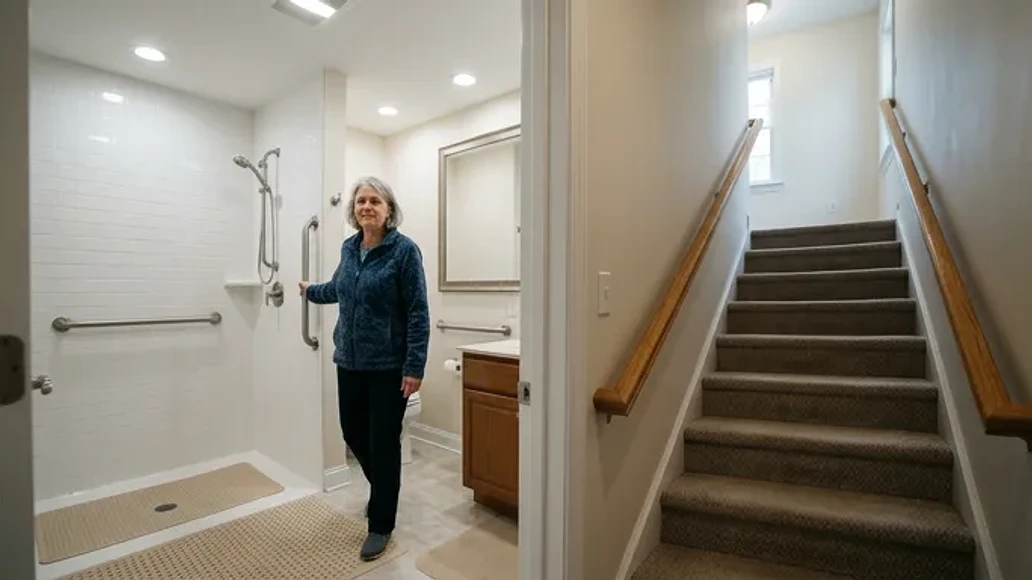
| Bathroom slips | Water and smooth surfaces reduce traction | Install grab bars, non-slip mats, and a shower seat if needed |
| Weakness or poor balance | Recovery after a stumble is harder | Ask a clinician about balance training, physical therapy, or exercise |
| Medication side effects | Dizziness and sleepiness increase falls | Review prescriptions with a doctor or pharmacist |
| Vision problems | Depth perception and obstacle detection worsen | Schedule regular vision checks and update eyewear |
Call 911 or seek urgent care after any fall with head injury, loss of consciousness, severe pain, obvious deformity, heavy bleeding, or inability to stand or walk. Repeated falls, even without major injury, are a warning sign that both the person and the home need evaluation.
Fire and smoke, small mistakes with deadly consequences
Home fire deaths often start with familiar routines, cooking left unattended, a space heater too close to bedding, overloaded cords, smoking materials, or an electrical problem that went unnoticed. Smoke, not flames alone, is what traps many people. That is why early warning matters so much.
Smoke alarm basics that save lives
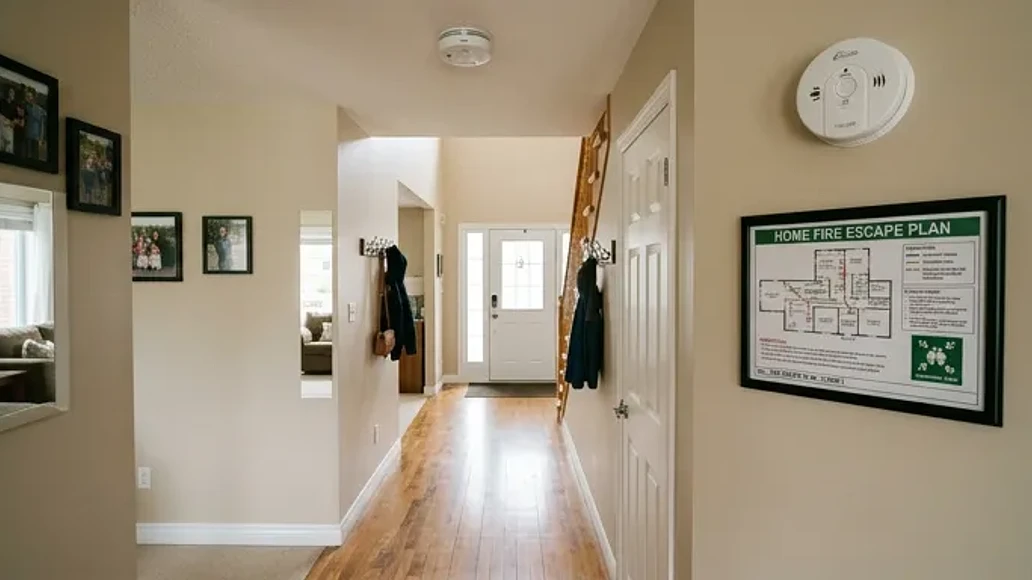
A practical standard for most homes is smoke alarms on every level, inside each bedroom, and outside sleeping areas. Test them monthly, replace batteries as needed unless you have sealed long-life units, and replace the entire alarm according to manufacturer guidance. If an alarm chirps, fix it the same day. Do not disable it and forget about it.
Carbon monoxide alarm basics
Install carbon monoxide alarms outside sleeping areas and according to local code and manufacturer instructions, especially if your home has fuel-burning appliances, an attached garage, fireplace, or gas heat. If a CO alarm sounds, move everyone outside and call for help. Do not assume it is a false alarm.
| Hazard | Common trigger | Best prevention step |
|---|---|---|
| Cooking fire | Unattended stovetop, grease, distracted cooking | Stay in the kitchen when frying or broiling, keep combustibles away |
| Space heater fire | Heater too close to curtains, bedding, or furniture | Keep a clear safety zone around heaters and turn them off when leaving |
| Electrical fire | Damaged cords, overloaded outlets, unsafe extension cord use | Replace damaged cords and avoid overloading circuits |
| Smoke inhalation | No working alarm or delayed escape | Maintain alarms and practice a home escape plan |
| Carbon monoxide poisoning | Faulty furnace, generator misuse, car running in garage | Install CO alarms and service fuel-burning equipment |
Every household should have two ways out of sleeping areas if possible and a simple meeting point outside. Practice the plan, especially with children, older adults, and anyone with mobility limits.
Choking and suffocation, quiet emergencies that escalate fast
Choking deaths are often associated with restaurants, but many happen at home during ordinary meals. Older adults with dental problems, stroke history, Parkinson's disease, dementia, or swallowing difficulty are at higher risk. Children face a different set of dangers, small objects, certain foods, plastic bags, cords, and unsafe sleep environments.
For infants and young children
Safe sleep matters. Babies should sleep on their backs on a firm, flat sleep surface with no loose blankets, pillows, bumpers, or stuffed items. Toys with small parts, coins, button batteries, and plastic bags should stay completely out of reach.
For adults and seniors
Large bites, talking while chewing, alcohol use, and dry or difficult-to-swallow foods can all raise choking risk. If someone coughs weakly, cannot speak, turns blue, or appears unable to breathe, call 911 and begin appropriate first aid if trained.
CPR and choking-response training are among the highest-value skills a household can learn. Training does not replace emergency care, but it can buy critical minutes.
Suicide and self-harm at home, prevention starts with early action
This topic needs plain, careful language. Many people in crisis are not trying to make a statement. They are trying to escape unbearable pain. The home environment matters because privacy, isolation, medications, and firearms can make an impulsive crisis far more lethal.
If someone is talking about wanting to die, expressing hopelessness, saying others would be better off without them, giving away possessions, or searching for ways to hurt themselves, treat it as urgent. Stay with the person if you can do so safely, call 911 for immediate danger, or contact the 988 Suicide & Crisis Lifeline in the US by calling or texting 988.
Lethal means safety at home
| Risk area | Why it matters | Safer approach |
|---|---|---|
| Firearms | Attempts involving firearms are highly lethal | Store unloaded, locked, with ammunition locked separately, or move firearms off-site during a crisis if lawful and feasible |
| Large quantities of medication | Easy access increases danger during impulsive moments | Limit quantities on hand and secure medicines in a lockbox |
| Isolation | Crisis can intensify when no one notices warning signs | Increase check-ins from family, friends, neighbors, or caregivers |
| Alcohol and drugs | Substances lower inhibition and worsen judgment | Reduce access and seek treatment support |
If you are concerned about yourself or someone else, do not wait for certainty. Immediate support is appropriate even if you are not sure how serious the risk is.
Drowning and water hazards around the house
Drowning is often fast and quiet. Backyard pools get the most attention, but bathtubs, buckets, spas, and even pet water areas can be dangerous for small children. Adults are also at risk when alcohol, seizures, or medical events are involved.
For homes with pools, four-sided fencing with a self-closing, self-latching gate is one of the most important protections. For infants and toddlers, supervision must be close and constant, not from across the yard or through a phone screen. Empty buckets and tubs promptly after use.
Environmental hazards that deserve more attention
Not every deadly home hazard is dramatic. Carbon monoxide is an immediate danger. Radon is a long-term cancer risk in some homes. Extreme indoor heat or cold can be serious for older adults, infants, and people with chronic illness. Mold can worsen respiratory symptoms, but radon and carbon monoxide have stronger evidence as direct fatal risks.
If your home has a basement or you live in an area where radon is common, testing is reasonable. If you use combustion appliances, fireplaces, or attached garages, carbon monoxide alarms are essential. Heating systems should be serviced according to manufacturer guidance and local code.
How risk changes by age and health
| Group | Top home risks | Why risk is higher | Priority actions |
|---|---|---|---|
| Infants and toddlers | Suffocation, choking, drowning, poisoning | Small airways, curiosity, dependence on supervision | Safe sleep, locked storage, stair gates, constant water supervision |
| School-age children | Fire, drowning, poisoning, falls | Growing independence without full judgment | Teach escape plans, secure chemicals, supervise around water |
| Adults | Poisoning, fire, falls, suicide | Substance use, stress, ladders, multitasking, fatigue | Medication review, detector maintenance, safer storage, crisis support |
| Older adults | Falls, fire, choking, medication errors, extreme temperatures | Frailty, slower reaction time, chronic illness, polypharmacy | Grab bars, lighting, medication review, meal supervision if needed |
Pregnancy, disability, dementia, stroke history, oxygen use, and chronic heart or lung disease can all change what should be prioritized. A home that is safe for one person may be dangerous for another.
A room-by-room safety audit you can do this weekend
| Area | Main hazards | Quick fixes | Longer-term improvements |
|---|---|---|---|
| Kitchen | Cooking fires, medication mix-ups, chemical exposure | Clear stove area, label everything, lock up medicines | Upgrade alarms, add a fire extinguisher, improve ventilation |
| Bathroom | Falls, drowning for small children, medication confusion | Use non-slip mats, keep floors dry, store medicines safely | Install grab bars and a handheld shower setup |
| Bedroom | Nighttime falls, unsafe sleep for infants, delayed fire escape | Add night-lights, clear pathways, keep phones accessible | Install alarms inside and outside sleeping areas |
| Stairs and halls | Trips, falls, blocked escape routes | Remove clutter, secure railings, improve lighting | Add contrasting stair-edge markings if needed |
| Garage and utility areas | CO exposure, chemicals, tools, generator misuse | Store fuels safely, lock chemicals, never idle cars in garage | Add CO alarms and improve secure storage systems |
| Yard and pool area | Drowning, falls, grill fires | Latch gates, empty buckets, supervise closely | Install compliant pool fencing and self-latching gates |
If you only have one weekend, start with these high-impact upgrades: test every smoke alarm, add carbon monoxide alarms where needed, lock up medications, clear fall hazards, and check bathroom and stair safety.
When something goes wrong, who should you call?
| Scenario | Who to call first | What to do right away | Information to have ready |
|---|---|---|---|
| Person is unconscious, not breathing normally, seizing, or trapped in smoke | 911 | Start CPR if trained, move to safety if possible | Address, age, what happened, known medical issues |
| Suspected poisoning but person is awake and stable | Poison Control, 1-800-222-1222 | Remove exposure source, keep product container nearby | Substance name, amount, age, weight, time of exposure |
| Fall with head injury, severe pain, or inability to walk | 911 or urgent medical care | Keep the person still and monitor breathing | How the fall happened, symptoms, medications, blood thinner use |
| Possible heart attack or stroke | 911 | Do not delay for a ride from family | Time symptoms started, medications, medical history |
| Suicidal statements, plan, or self-harm behavior | 911 for immediate danger, or 988 for crisis support | Stay with the person if safe, reduce access to weapons and medications | What was said, known plan, substances used, location |
Training matters. A stocked first aid kit, CPR class, and posted emergency contacts are low-cost steps that improve response in the first minutes.
What home safety improvements cost, and which ones matter most
The good news is that many of the best fixes are not expensive. Smoke alarms, carbon monoxide alarms, non-slip mats, night-lights, cabinet locks, medication lockboxes, and better labeling all cost far less than a single emergency room visit. Grab bars and rail improvements cost more, but they are still modest compared with the medical and caregiving costs of a serious fall.
If money is tight, prioritize by lethality and likelihood. Start with alarms, medication security, fall prevention on stairs and in bathrooms, and a basic emergency plan. Then move to larger upgrades such as railings, electrical repairs, and pool barriers.
Common myths that get people hurt
"Most deadly dangers are outside the home"
Not true. The home is where people spend a large share of their time, and many fatal injuries happen during routine activities.
"If it was serious, I would notice right away"
Not always. Carbon monoxide, overdose, and smoke inhalation can progress quietly.
"Falls are just part of getting older"
No. Many falls are preventable with lighting, medication review, strength work, and home changes.
"A person who talks about suicide is just seeking attention"
Dangerous myth. Talking about wanting to die should always be taken seriously.
When to involve professionals
Bring in outside help when the pattern goes beyond a simple fix. That includes repeated falls, repeated choking episodes, confusion about medications, signs of depression or suicidal thinking, electrical problems, suspected radon, recurring carbon monoxide alarm activation, or a home layout that no longer fits an older adult's mobility.
Useful professionals may include a primary care clinician, pharmacist, physical therapist, occupational therapist, mental health professional, licensed electrician, home inspector, or local aging services agency. For older relatives living alone, a respectful conversation about safety often works better than a lecture. Focus on independence, not control.
FAQ
What is statistically the most common way people die at home in the US?
Among home accident categories, poisoning is commonly reported as the leading cause, especially when overdose, medication errors, toxic exposures, and carbon monoxide are included. Exact rankings can vary by source and year, but poisoning and falls are consistently near the top.
Are falls or poisoning more likely to kill someone at home?
Overall home accident summaries often place poisoning first, while falls are especially deadly for older adults. In a home with a frail senior, falls may be the most urgent day-to-day risk. In a home with substance misuse or many medications, poisoning may deserve top priority.
How many smoke and carbon monoxide detectors should a typical home have?
A practical baseline is smoke alarms on every level, inside each bedroom, and outside sleeping areas. Carbon monoxide alarms should be installed outside sleeping areas and according to local code and manufacturer instructions, especially in homes with fuel-burning appliances, fireplaces, or attached garages.
What home safety changes should I prioritize if I live with an older adult?
Start with fall prevention and medication safety. Improve lighting, remove tripping hazards, add grab bars in the bathroom, secure stair railings, review medications for dizziness or sedation, and make sure smoke and carbon monoxide alarms work properly.