A Smarter Everyday Healing Kit, Inspired by Tradition and Built for Real Life
Learn how to build a small, practical wellness kit that respects Indigenous traditions while focusing on safe, evidence-aware first aid, OTC basics, and a few gentle herbal options.

Many people are drawn to the idea of a small medicine bag because it suggests readiness, self-reliance, and care close at hand. That appeal is real. But the phrase also carries cultural weight. In many Native traditions, a medicine bag is not just a pouch of remedies. It can be a sacred personal object tied to identity, protection, prayer, and community teachings.
For that reason, the most respectful approach for non-Native readers is not to copy sacred practices or claim expertise, but to learn from the broader principle. Keep a compact, thoughtful kit of items that help with minor illness, small injuries, stress, and short-term discomfort, while still knowing when modern medical care is necessary.
This guide takes that practical route. It explains the difference between a sacred medicine bag and a modern wellness pouch, shows which staples are most useful today, and covers where herbs may fit in safely as supportive tools rather than miracle cures.
What a medicine bag means, and why that matters
There is no single Native American tradition, and no one definition fits every tribe or nation. In many communities, medicine bags have spiritual meaning and are deeply personal. They may contain symbolic items, not just physical remedies. Some are meant to be private. Some are connected to ceremony, family, or teachings passed down in specific ways.
That is very different from a modern first aid pouch or travel health kit. If you like the idea of carrying a few reliable health staples, it is better to think in terms of a personal preparedness kit inspired by the values of readiness and care, not a replica of a sacred object.
That distinction helps in two ways. First, it shows respect for living Indigenous traditions. Second, it keeps your focus where it belongs, on practical, safe items that actually help in daily life.
Turning the idea into a modern wellness kit
A useful small health kit should do four jobs well. It should help with minor pain and fever, support hydration and digestion, handle small cuts and scrapes, and give you a few tools for allergies, stress, and basic monitoring.
That means the best modern version is usually simple. It is not stuffed with dozens of supplements, mystery tinctures, or internet remedies. It is organized, labeled, and easy to use under stress.
For most households, a good setup includes one kit for the home, one smaller version for the car or daily bag, and a travel or emergency version for outages, road trips, or go bags.
Core staples that earn their place
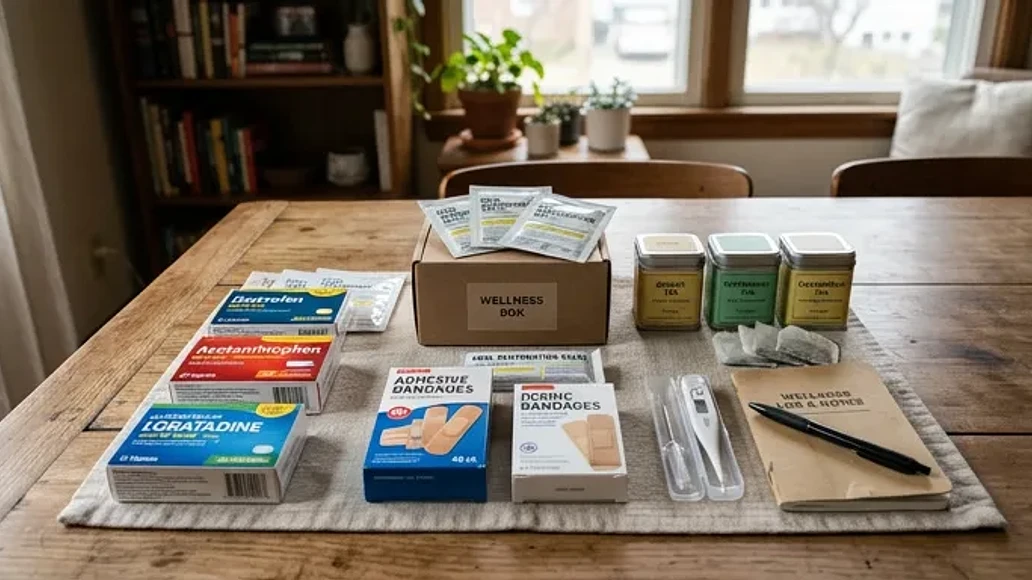
If your goal is usefulness, mainstream first aid and over the counter basics should make up the foundation. These items have clearer evidence, more predictable dosing, and better safety information than most supplements.
| Item | Main use | Typical adult use | Key cautions | When to seek care instead |
|---|---|---|---|---|
| Acetaminophen | Pain and fever relief | Use only as directed on the label | Too much can harm the liver, especially with alcohol use or other acetaminophen-containing products | High fever that persists, severe pain, confusion, or signs of serious infection |
| Ibuprofen or naproxen | Pain, inflammation, fever | Use only as directed on the label | Can irritate the stomach and affect kidneys, not right for everyone, especially with ulcers, kidney disease, or some pregnancies | Black stools, vomiting blood, severe dehydration, chest pain, or uncontrolled pain |
| Cetirizine or diphenhydramine | Allergy symptoms, itching, hives | Use only as directed on the label | Diphenhydramine can cause strong drowsiness, confusion, and falls, especially in older adults | Facial swelling, throat tightness, wheezing, or suspected anaphylaxis |
| Oral rehydration salts | Dehydration from diarrhea, heat, or vomiting | Mix exactly as directed | Incorrect mixing can worsen dehydration, use caution with kidney disease | Persistent vomiting, altered mental status, severe weakness, or dehydration in infants or frail older adults |
| Antiseptic wipes or solution | Cleaning minor cuts and scrapes | Use on small superficial wounds only | Can irritate skin, not for deep punctures or major burns | Deep wounds, animal bites, dirty punctures, or wounds that may need stitches |
| Adhesive bandages and gauze | Covering minor wounds | Apply to clean skin and change as needed | Watch for adhesive irritation or signs of infection | Bleeding that will not stop, deep cuts, or spreading redness |
| Digital thermometer | Checking fever | Use according to device instructions | Keep batteries fresh and clean after use | Very high fever, fever with rash, confusion, or breathing trouble |
| Saline nasal spray | Nasal dryness and congestion support | Use as directed | Keep nozzle clean, do not share | Severe sinus pain, prolonged symptoms, or breathing distress |
These are the items most people actually reach for. They are also easier to explain to a spouse, grandparent, babysitter, or older child than a bag full of unlabeled herbal products.
Gentle traditional remedies that may still be worth keeping
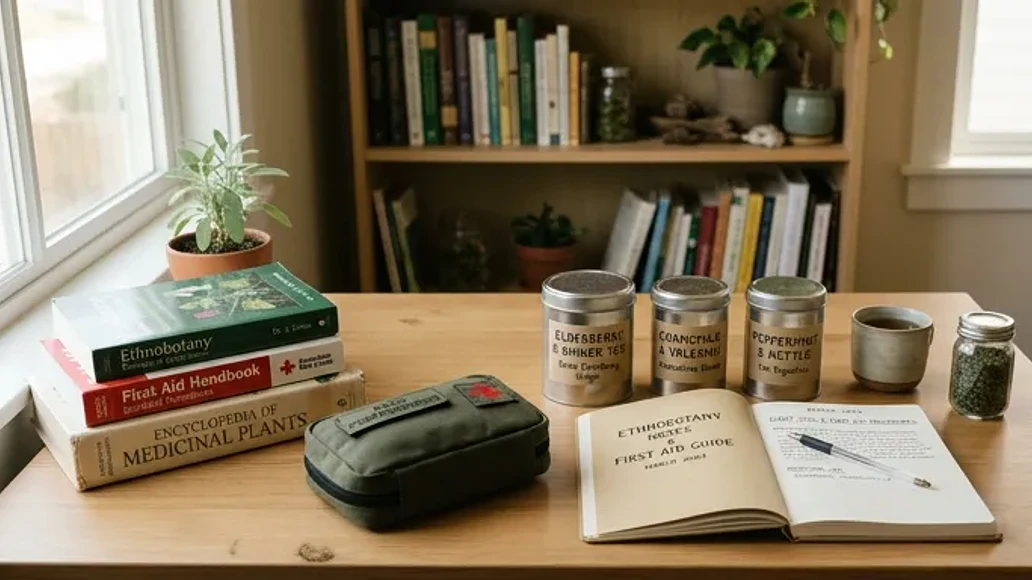
Some plant-based remedies do have a place in a modern kit, especially for mild symptoms. The key is to choose a few with at least some evidence, use them conservatively, and treat them as support rather than replacement care.
Ginger
Ginger is one of the better known options for nausea, motion sickness, and mild digestive upset. Many people find tea, chews, or capsules helpful. It may also be useful for some pregnancy-related nausea, but pregnant readers should still check with their clinician before regular use.
Ginger is not a fix for severe abdominal pain, persistent vomiting, or signs of dehydration. It can also interact with blood thinners at higher intakes.
Peppermint
Peppermint tea is a reasonable comfort remedy for gas, mild indigestion, and a sense of stomach heaviness. Some people also find the aroma calming. It is best used for mild symptoms, not ongoing digestive disease.
People with reflux may find peppermint makes heartburn worse. That is a good example of why even gentle herbs are not universal.
Chamomile
Chamomile tea is often used for relaxation and mild digestive discomfort. For many adults, it is a simple evening staple. But it can trigger allergic reactions in some people, especially those with ragweed-related allergies.
It should not be treated as a sleep medication substitute for serious insomnia, panic symptoms, or depression.
Willow bark
Willow bark has a long history of use for pain and fever because it contains salicylate-like compounds. That history is interesting, but it is not the safest first choice for most households. Dosing is less predictable than standard pain relievers, and the same basic cautions that apply to aspirin-like compounds can matter here too.
For a modern kit, acetaminophen or ibuprofen is usually the more practical and safer option because the dose and warnings are clearer.
Cabbage leaf compresses
This is an old home remedy that still gets attention for swelling, breast discomfort, and some joint pain. There is limited but interesting evidence that it may help with pain and swelling in certain situations. Still, it belongs firmly in the optional adjunct category.
Do not use it on broken skin, and do not rely on it if you suspect infection, mastitis, or a significant injury. In those cases, proper medical assessment matters more than any compress.
What the evidence really looks like
One of the biggest mistakes in preparedness writing is treating all remedies as equal. They are not. Some are strongly supported. Some are only mildly helpful. Some are risky if used casually.
| Plant or remedy | Traditional or common use | Evidence level | Mostly eases symptoms or addresses a problem | Major cautions |
|---|---|---|---|---|
| Acetaminophen | Pain and fever | Strong | Mainly eases symptoms | Liver risk with overdose or combining products |
| Ibuprofen | Pain, inflammation, fever | Strong | Mainly eases symptoms | Stomach, kidney, and bleeding risks in some users |
| Oral rehydration salts | Dehydration support | Strong | Helps address a real problem, dehydration | Use exact mixing directions, seek care for severe illness |
| Cetirizine or diphenhydramine | Allergy symptoms | Strong | Mainly eases symptoms | Drowsiness, confusion, not for anaphylaxis treatment |
| Ginger | Nausea, motion sickness | Mixed to moderate | Mainly eases symptoms | May interact with blood thinners, not for severe abdominal illness |
| Peppermint tea | Mild digestive upset | Mixed | Mainly eases symptoms | May worsen reflux |
| Chamomile tea | Mild calming, digestive comfort | Mixed | Mainly eases symptoms | Possible allergy, especially with ragweed sensitivity |
| Willow bark | Pain and fever | Mixed | Mainly eases symptoms | Salicylate-related risks, less predictable dosing |
| Cabbage leaf compress | Swelling, discomfort | Limited | Mainly eases symptoms | Do not use on broken skin or in place of infection care |
| Activated charcoal | Specific poison exposures | Protocol-based, not general home use | Can reduce absorption in specific cases | Use only with poison control or medical guidance |
The practical lesson is simple. Build your kit around proven basics. Add a few low-risk comfort remedies if they suit your household. Be skeptical of anything marketed as a cure-all.
How to build your own kit, step by step
A good kit is not the one with the most items. It is the one you can use correctly.
Basic home kit
This version covers common minor problems. Think cuts, headaches, seasonal allergies, upset stomach, and fever checks.
| Category | Recommended basics | Why it belongs |
|---|---|---|
| Pain and fever | Acetaminophen, ibuprofen | Useful for common aches, fever, and inflammation |
| Allergy support | Cetirizine or another non-drowsy antihistamine, diphenhydramine if appropriate | Helps with itching, hives, and seasonal symptoms |
| Wound care | Bandages, gauze, medical tape, antiseptic wipes, antibiotic ointment if advised by your clinician | Handles small cuts and scrapes |
| Hydration and digestion | Oral rehydration salts, ginger tea or chews, peppermint tea | Supports mild dehydration and stomach upset |
| Monitoring | Digital thermometer, medication list, allergy list | Improves decision making and communication |
| Comfort tools | Saline nasal spray, lip balm, instant cold pack | Useful for common minor discomforts |
Car or travel kit
This should be smaller, heat-aware, and easy to grab. Avoid storing temperature-sensitive items in extreme conditions for long periods. Rotate contents often.
| Item | Travel role | Special note |
|---|---|---|
| Small pain reliever supply | Headaches, minor pain | Keep in original labeled packaging |
| Antihistamine | Unexpected allergy symptoms | Know which versions cause drowsiness |
| Bandages and wipes | Minor cuts on the road | Replace if packaging is damaged |
| Oral rehydration packets | Heat, stomach illness, long drives | Store dry and check dates |
| Ginger chews or tea bags | Motion sickness and nausea | Helpful for passengers and travel stress |
| Medication and allergy card | Emergency information | Especially important for chronic illness |
Emergency or go-bag additions
Preparedness kits can go a little further, but only if the user understands the items. More gear is not automatically better.
| Item | Who should carry it | Important limit |
|---|---|---|
| Extra prescription medicines | Anyone who relies on daily medication | Rotate before expiration and follow prescribing rules |
| Spare glasses or contacts supplies | People with vision needs | Store in protective case |
| Tourniquet | People with training | Not for casual use without instruction |
| Epinephrine auto-injector | People prescribed one for severe allergies | Not a substitute for emergency follow-up |
| Printed care notes | Families, caregivers, older adults | Keep updated and easy to read |
How to use a kit without replacing your doctor
The safest mindset is this. Your kit is for minor, short-term support and for buying time while you decide whether more care is needed. It is not a substitute for diagnosis.
If a symptom is severe, unusual, rapidly worsening, or paired with red flags, home treatment should not be the whole plan. The same goes for symptoms that keep returning or do not improve in a reasonable time.
It also helps to tell your clinician what you keep and use. Bring a written list of supplements, teas, over the counter medicines, and prescriptions. That one habit can prevent dangerous interactions and duplicated ingredients.
Storage, labeling, and expiration dates
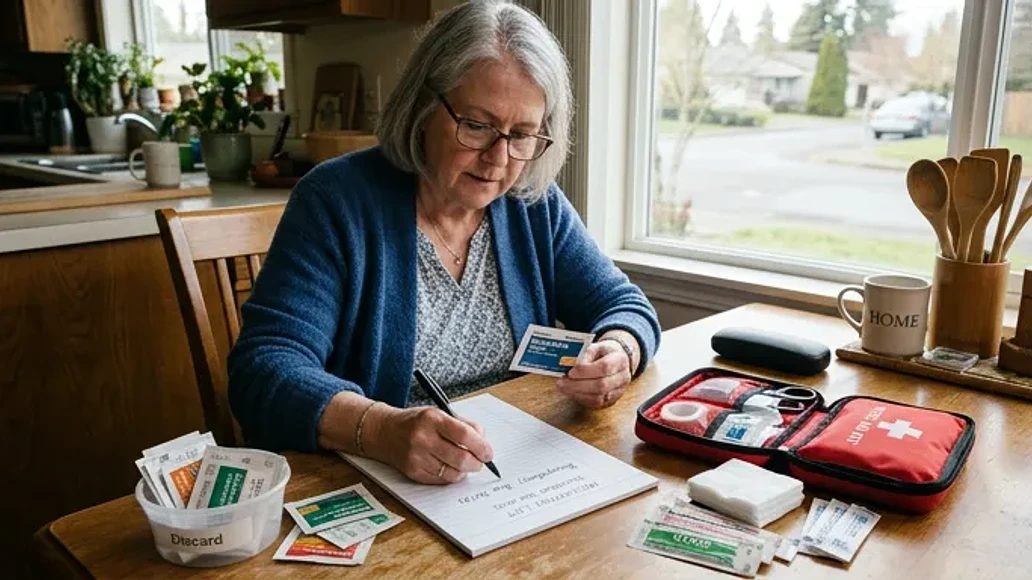
A medicine kit is only useful if the contents are safe and identifiable. Keep medicines in original packaging whenever possible. If you use a smaller organizer, label each item clearly with the name, strength, expiration date, and directions.
Heat, moisture, and sunlight can shorten shelf life. A bathroom cabinet is often a poor storage spot because of humidity. A cool, dry location is usually better. Car kits need more frequent inspection because temperature swings can be extreme.
Review the kit at least twice a year. Replace expired medicines, dried-out wipes, damaged packets, and dead thermometer batteries. Update your medication and allergy list whenever anything changes.
Special cautions for pregnancy, children, and chronic illness
These groups need extra care because common remedies can carry different risks.
| Group | What to be careful with | What to discuss with a clinician first | Safer general approach |
|---|---|---|---|
| Pregnant or breastfeeding adults | Many herbs, some pain relievers, high-dose supplements | Any new herb, supplement, or regular OTC medicine use | Use the fewest remedies necessary, with professional guidance |
| Infants and young children | Adult doses, many cough and cold products, honey under age one, essential oils | Any medicine or herb for babies and young children | Use weight-based pediatric guidance and call the pediatrician when unsure |
| Older adults | Sedating antihistamines, duplicated medicines, dehydration risk | Sleep aids, allergy medicines, and supplements | Choose simple regimens and avoid strongly sedating products when possible |
| People with heart, kidney, liver, seizure, or clotting disorders | NSAIDs, herbal interactions, dehydration, stimulant products | Any supplement or frequent OTC medicine use | Keep a clinician-reviewed list of approved options |
| People taking blood thinners, antidepressants, or multiple prescriptions | Herb-drug interactions and duplicate ingredients | All supplements and as-needed medicines | Use one pharmacy when possible and keep a current medication card |
Children deserve a special note. Dosing should always be age and weight appropriate. Never guess. Never cut adult products into improvised child doses unless the label or a clinician specifically says that is acceptable.
Common mistakes that make a kit less safe
Most problems come from a few predictable habits. People combine products with the same active ingredient. They use herbs because they seem gentler, without checking interactions. They save old prescriptions. They treat serious symptoms for too long at home.
Another common mistake is poor sourcing. Supplements are not regulated like prescription drugs. Quality can vary. If you buy herbal products, choose reputable companies, avoid cure-all claims, and be cautious with imported products that do not provide clear labeling.
Plant identification is another risk. Wild harvesting should never be casual. Many useful plants have toxic look-alikes, and contamination from roadsides, pesticides, or polluted soil is a real concern.
Red flags, when home care is not enough
A small wellness kit is for minor issues. It is not for emergencies. If any of the situations below apply, seek professional help.
| Symptom or situation | Reasonable for short home care? | When to call a clinician | When to call emergency services |
|---|---|---|---|
| Mild headache, low fever, common cold symptoms | Yes, if symptoms are mild and improving | If symptoms last more than a few days or worsen | If confusion, stiff neck, severe dehydration, or trouble breathing develops |
| Minor cut or scrape | Yes, after cleaning and bandaging | If redness spreads, drainage appears, or tetanus status is uncertain | If bleeding will not stop or the wound is deep |
| Mild nausea or motion sickness | Yes, with hydration and rest | If vomiting persists or abdominal pain increases | If there is severe pain, fainting, blood, or signs of dehydration |
| Seasonal allergy symptoms | Yes, with antihistamines if appropriate | If symptoms are frequent, severe, or not controlled | If wheezing, throat swelling, or severe allergic reaction occurs |
| Fever in an infant, frail older adult, or medically complex person | Often needs earlier advice | Call promptly for guidance | Call emergency services if there is lethargy, breathing trouble, seizure, or unresponsiveness |
| Chest pain, stroke signs, severe shortness of breath | No | No delay | Yes, immediately |
As a simple rule, severe symptoms, sudden neurologic changes, breathing problems, major allergic reactions, and uncontrolled bleeding are not medicine-bag problems. They are emergency problems.
Respectful learning from Indigenous traditions
There is a respectful way to be inspired by traditional knowledge. Start by recognizing that Indigenous medicine is living knowledge, not a costume or aesthetic. Avoid buying decorative “medicine bags” as props if you do not understand their meaning. Avoid presenting yourself as practicing Native medicine because you carry a few herbs.
A better path is to learn from reputable educational programs, tribal museums, park interpretation, Native authors, and community-led teaching when it is offered publicly. Respect means understanding that not every teaching is yours to copy.
What you can borrow ethically is the principle of intentional care. Carry what is useful. Know what it is for. Treat healing with seriousness. Stay connected to community and professional help when needed.
Keeping your kit ready over time
The best kit changes with the season and the people who use it. Allergy season may call for more antihistamine. Summer may call for extra oral rehydration packets. A family with children needs child-safe planning. A household with chronic illness needs backup prescriptions and a current medication list.
Set a recurring reminder every six months. Check expiration dates, replace used items, review doses, and remove anything you no longer understand or trust. Preparedness works best when it is boring, organized, and current.
Bringing old wisdom into modern life, carefully
The idea behind a medicine bag still speaks to people because it is really about readiness and care. Those are timeless values. But in modern life, the most useful version is not a romantic collection of mystery remedies. It is a compact, well-maintained kit built around evidence-backed basics, a few gentle comfort measures, and clear limits.
If you want to use older plant traditions in a practical way, do it with humility and caution. Keep the remedies simple. Respect the cultures that carried this knowledge. Use herbs as support, not as a substitute for diagnosis or emergency care. And make sure the strongest part of your kit is not the contents, but your judgment.