Smart Pantry Protein: How to Buy, Store, and Serve Canned Meat Safely
Learn how to choose better canned meat, store it for quality and safety, handle leftovers correctly, and spot the warning signs that mean it should be thrown out.

Canned meat can be one of the most useful items in a pantry. It offers ready-to-eat protein, long unopened shelf life, and flexibility for quick lunches, weeknight dinners, and short emergency disruptions. But it is only as useful as your handling habits. The best results come from choosing sound cans, storing them in the right conditions, reading labels carefully, and treating opened meat like any other perishable leftover.
This guide focuses mainly on commercially canned meat sold in stores. That includes products like canned chicken, tuna, salmon, ham, roast beef, corned beef, and luncheon-meat style products. Home-canned meat follows different safety rules, and those rules matter because meat is a low-acid food with higher botulism risk if processed incorrectly.
What counts as canned meat?
For everyday pantry use, canned meat usually means commercially sealed shelf-stable meat in metal cans. Some products are packed in water, some in oil, and some in broth or gel. A few are fully seasoned, while others are plain enough to use in recipes.
These products differ from jerky, meat sticks, shelf-stable pouches, refrigerated deli meat, and frozen meat. The canning process uses heat and a sealed container to make the unopened product shelf-stable. Once opened, however, canned meat is no longer shelf-stable and should be handled like leftovers.
Commercially canned meat vs home-canned meat
Commercial canned meat is generally the safer starting point for most households because it is processed under controlled manufacturing standards. Home-canned meat can also be safe, but only when it is pressure canned with tested methods from authoritative sources. Boiling-water canning is not safe for meat.
| Type | How it is processed | Main safety concern | Best for | Beginner suitability |
|---|---|---|---|---|
| Commercially canned meat | Factory processed and sealed under regulated conditions | Damage to the can, poor storage, or contamination after opening | Pantry storage, emergency food, fast meals | High |
| Home-canned meat | Must be pressure canned using tested times and pressures | Botulism risk if processed incorrectly | Experienced home preservers following tested guidance | Low to moderate |
| Boiling-water canned meat | Unsafe method for low-acid foods | Serious foodborne illness risk | Not recommended | Not suitable |
If you are building a pantry for convenience or preparedness, commercial cans are the simpler and safer option. If you later decide to preserve your own meat, use only tested pressure-canning instructions from trusted public health or extension sources.
How to choose canned meat at the store
Good buying decisions start with your use case. A can meant for sandwiches may not be the best value for soup, and a low-sodium option may be worth the extra cost if you use canned meat often. Look at the can itself first, then the label.
| What to check | What to look for | Why it matters | Best use |
|---|---|---|---|
| Can condition | No bulging, leaking, severe dents, or heavy rust | Damaged cans may be unsafe or lower quality | All purchases |
| Ingredient list | Short, recognizable ingredients if you want a less processed option | Helps you compare fillers, broth, starches, and seasonings | Everyday meals |
| Sodium | Compare brands and serving sizes carefully | Many canned meats are high in sodium | Frequent use, low-sodium planning |
| Protein per serving | Check grams of protein and drained serving size | Shows actual value for meals and emergency planning | Meal prep, pantry stocking |
| Pack style | Water-packed, oil-packed, broth-packed, or seasoned | Affects flavor, calories, and recipe fit | Salads, casseroles, sandwiches, soups |
| Date label | Choose the freshest stock when possible | Usually a quality marker, not an automatic safety cutoff | Longer pantry rotation |
For emergency storage, plain products often give you the most flexibility. For daily meals, seasoned products may be more convenient but can be higher in sodium and additives.
How to read labels, dates, sodium, and protein
Date labels on most canned foods are usually about quality, not a universal safety deadline. If the can is intact and stored properly, the food may still be usable after the printed date, though flavor, texture, and color can decline over time. The date should not override obvious warning signs like swelling, leaking, or spurting contents.
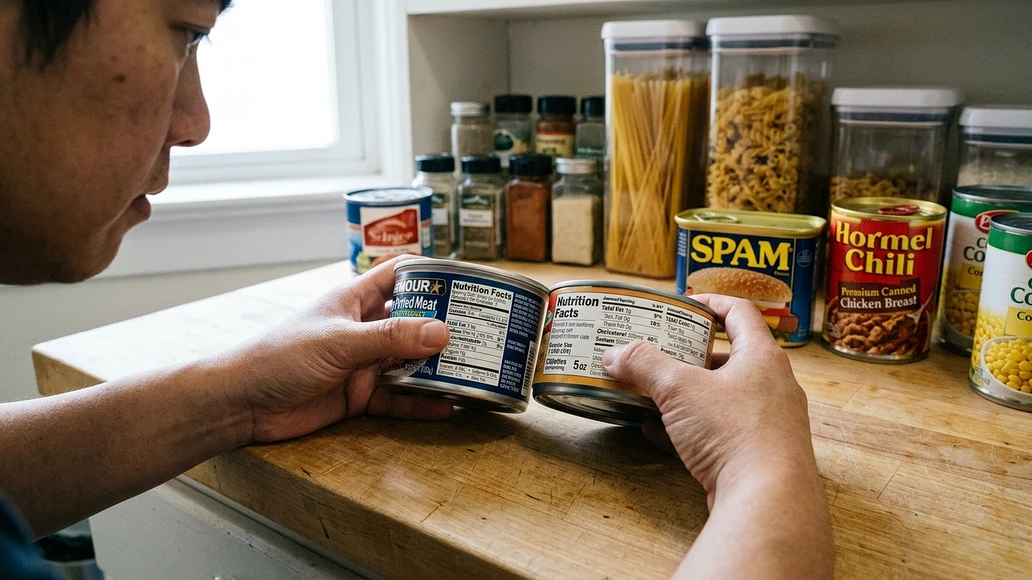
Nutrition labels deserve a close look because serving sizes can be smaller than people expect. A can that looks like one meal may contain multiple servings. Compare sodium, saturated fat, and protein on the same serving basis before deciding which brand is the better value.
People with high blood pressure, kidney disease, heart failure, fluid restrictions, or medically prescribed low-sodium diets should be especially careful with labels. This article provides general information, not personal medical advice.
Best storage conditions for unopened cans
Unopened canned meat keeps best in a cool, dry, dark place with stable temperatures. A pantry, interior closet, or conditioned storage room is usually better than a garage, shed, attic, or damp basement corner. Heat, moisture, and repeated temperature swings can shorten quality and increase the chance of can damage over time.
Good storage habits include keeping cans off concrete floors, away from direct sunlight, and away from water leaks or steam. Rotation matters too. Use older cans first and place newer purchases behind them. This simple first in, first out system helps reduce waste.
| Storage factor | Best practice | What can go wrong if ignored |
|---|---|---|
| Temperature | Store in a cool area with minimal swings | Heat can reduce quality faster |
| Moisture | Keep cans dry and away from damp spaces | Rust and label damage become more likely |
| Light | Use a dark pantry or shaded shelf | Quality may decline faster in poor conditions |
| Placement | Store on shelves, not directly on concrete | Moisture exposure and corrosion risk may increase |
| Rotation | Use oldest stock first | More waste and more expired quality dates |
How to inspect a can before buying or opening
Inspect the can twice, once at the store and again before opening. The first check helps you avoid bringing home damaged food. The second check catches problems that may have developed during storage.
Look for swelling, leaks, cracks, severe dents, and rust. A small superficial dent on the side may not always mean the food is unsafe, but deep dents, especially on seams or the rim, are more concerning because they can affect the seal. If the can is sticky on the outside, has dried residue, or looks distorted, skip it.
Warning signs that mean throw it out
Some signs mean the can should be discarded immediately. Do not taste food to test it. Botulinum toxin can be present without a reliable smell or taste.
| Warning sign | What it may indicate | What to do |
|---|---|---|
| Bulging or swollen can | Gas production or failed seal | Discard without tasting |
| Leaking can | Broken seal or contamination | Discard without tasting |
| Cracked can or split seam | Loss of sterility | Discard without tasting |
| Heavy rust, especially where metal is compromised | Possible pinholes or seal damage | Discard if rust is severe or pitted |
| Deep dents on seams or lid | Possible seal failure | Discard to be safe |
| Spurting liquid or foam when opened | Possible spoilage or dangerous contamination | Discard immediately, do not taste |
| Unusual odor after opening | Spoilage may be present | Discard, but do not rely on smell alone to clear food |
If anyone develops double vision, drooping eyelids, slurred speech, trouble swallowing, weakness, or breathing problems after eating suspect canned food, seek emergency medical care right away. Those can be signs of botulism, which is life-threatening.
How long canned meat lasts unopened, and what best by really means
Commercially canned meat is designed for long pantry storage when the can remains sealed and is kept in good conditions. The printed date is usually best understood as a quality guide. Over time, texture, flavor, and color may change even if the product remains sealed.
That does not mean every old can is automatically fine. Can condition always comes first. A sound can stored well is a better bet than a newer can that has been sitting in a hot garage. If the can is damaged or the contents behave oddly when opened, discard it.
What to do after opening
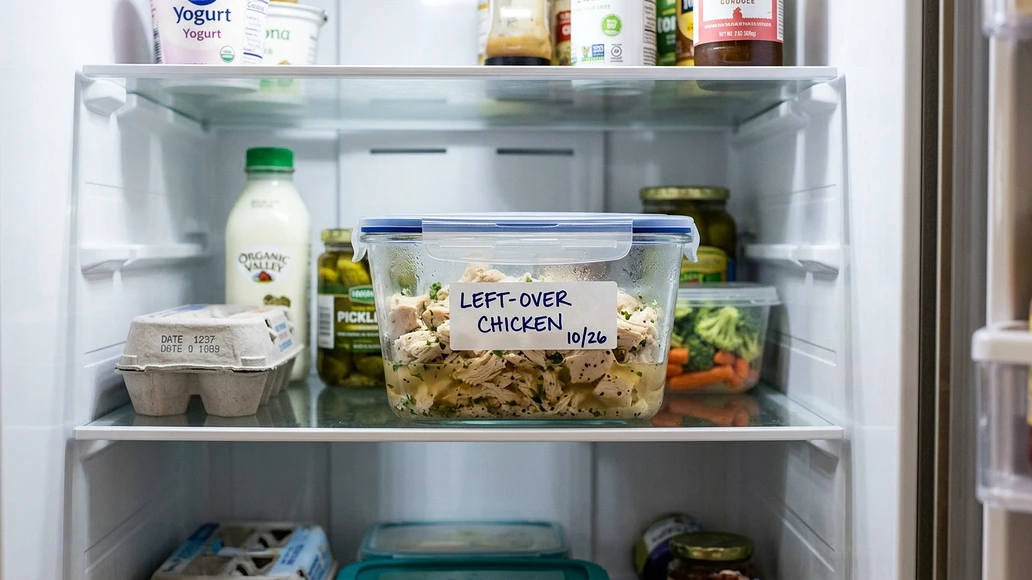
Once opened, canned meat becomes perishable. Promptly transfer leftovers to a clean glass or food-grade plastic container, cover it, and refrigerate. Do not store leftovers in the opened can. Use refrigerated leftovers within a short leftover window, according to normal food safety guidance, rather than assuming the unopened shelf life still applies.
| Stage | Safe handling step | Why it matters |
|---|---|---|
| Immediately after opening | Use what you need and transfer leftovers to a clean covered container | Reduces contamination and avoids storing food in the can |
| Refrigeration | Refrigerate promptly | Opened canned meat is perishable |
| Leftover use | Treat like other cooked leftovers and use within a normal refrigerated leftover period | Prevents unsafe assumptions based on unopened shelf life |
| If in doubt | Throw it out | Safer than tasting questionable leftovers |
If you are packing lunches or prepping meals, keep opened canned meat cold and avoid leaving it out for extended periods. High-risk groups, including pregnant people, older adults, young children, and immunocompromised people, should be especially cautious.
How to choose canned meat by type
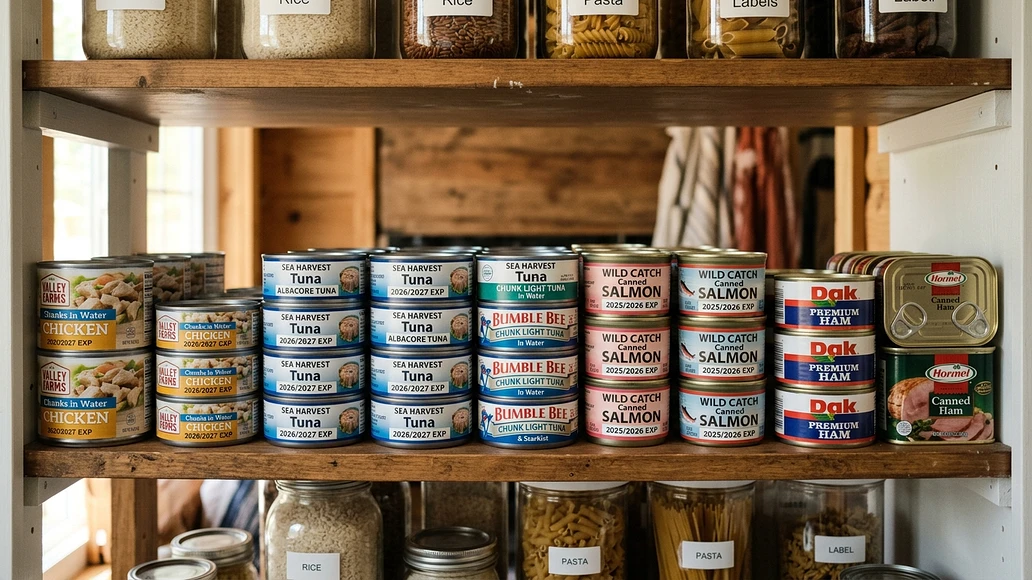
Different canned meats shine in different roles. Some are best as a neutral recipe ingredient, while others are better as a ready-to-eat sandwich filling or emergency protein source.
| Canned meat type | Typical texture and flavor | Best uses | Things to watch |
|---|---|---|---|
| Chicken | Mild, flaky, versatile | Soups, casseroles, salads, sandwiches, tacos | Sodium and added broth |
| Tuna | Firm or flaky, stronger flavor | Salads, sandwiches, pasta, patties | Oil-packed vs water-packed differences |
| Salmon | Rich flavor, soft flakes | Salmon cakes, salads, pasta, rice bowls | Bones and skin in some products |
| Ham | Salty, dense, savory | Breakfast dishes, beans, sandwiches, casseroles | Often high sodium |
| Roast beef or beef chunks | Hearty, rich | Stew, hash, gravy dishes, sandwiches | Texture varies by brand |
| Corned beef | Dense, salty, strongly seasoned | Hash, sandwiches, skillet meals | Usually high sodium and fat |
| Luncheon-meat style products | Uniform texture, ready to slice or fry | Sandwiches, breakfast, fried rice, quick meals | Often highly processed |
Best everyday uses for canned meat
Canned meat works best when paired with ingredients that add freshness and texture. Stir canned chicken into soup, fold tuna into pasta, add salmon to patties, or crisp luncheon meat in a skillet for rice or eggs. It can also stretch a meal when fresh meat is unavailable.
For preparedness, choose recipes that rely on pantry staples you already keep, such as rice, pasta, beans, crackers, tortillas, shelf-stable sauces, and canned vegetables. That makes your stock more useful during a short outage or a week when grocery shopping is delayed.
Nutritional tradeoffs to keep in mind
Canned meat can be a practical protein source, but it is not nutritionally identical to fresh, unprocessed meat. Some products are very lean and simple. Others are high in sodium, saturated fat, or fillers. The tradeoff is convenience and shelf stability.
If canned meat is a frequent staple in your home, balance it with fruits, vegetables, beans, whole grains, and lower-sodium choices when possible. Draining and rinsing some products may reduce surface saltiness, though flavor and texture can change.
Common mistakes that shorten shelf life or create safety risks
Most canned meat problems come from storage and handling mistakes, not from the concept of canned food itself. Storing cans in hot garages, damp sheds, or direct sun can reduce quality and increase damage risk. Ignoring dents and rust can lead to unsafe choices. Leaving opened meat in the can or assuming it lasts for many days because it was shelf-stable before opening is another common error.
Another mistake is treating home-canned meat and store-bought canned meat as if they follow the same rules. They do not. Commercial cans are processed under one system. Home-canned meat requires pressure canning with tested procedures.
How much canned meat to keep for short emergencies
A sensible emergency pantry does not need to be extreme. Think in terms of meals your household will actually eat. For short outages or disruptions, canned meat is useful because it can be eaten cold if needed and pairs well with shelf-stable sides.
| Household goal | Practical approach | Why it works |
|---|---|---|
| Weekend disruption | Keep enough canned meat for a few simple meals per person | Covers power outages, storms, and delayed shopping |
| One to two weeks of backup food | Build around normal recipes and rotate regularly | Reduces waste and keeps stock familiar |
| Budget stocking | Buy a few cans at a time during regular shopping trips | Spreads cost and improves rotation |
The best amount is the amount you can store properly, rotate consistently, and use in real meals. A smaller, well-managed pantry is better than a large stash that sits in poor conditions.
When canned meat is not safe to eat, even if it looks mostly normal
Do not rely on appearance, smell, or taste alone to clear suspicious food. Some dangerous contamination does not announce itself clearly. If the can is bulging, leaking, cracked, badly dented, heavily rusted, or spurts liquid or foam when opened, discard it without tasting.
This matters even more for people at higher risk from foodborne illness, including pregnant people, older adults, young children, and immunocompromised individuals. When in doubt, throw it out.
If you plan to home-can meat, know the non-negotiables
Home canning meat is not a casual shortcut. Meat is a low-acid food and must be pressure canned using tested times, pressures, jar sizes, and preparation methods. Boiling-water canning is not safe for meat. Guesswork is not safe either.
If you want to learn, start with university extension or national home food preservation guidance. Follow the recipe and process exactly, including altitude adjustments where required. If a jar fails to seal, the contents show spoilage, or you are unsure whether the process was followed correctly, do not taste it.
References
- Food Standards Australia New Zealand, canned foods purchasing and storing
- U.S. Food and Drug Administration, canned food safety
- U.S. Department of Agriculture, food storage and handling guidance
- CDC, botulism prevention and home-canned foods
- National Center for Home Food Preservation, safety factors in canning
- National Center for Home Food Preservation, canning meat
- University of Minnesota Extension, canning meat safely
- Michigan State University Extension, can safety checks
- CDC, general food safety and leftovers guidance
- U.S. Food and Drug Administration, how to use date labels