Wild Lettuce and Other So-Called Natural Opioids, What They Are and the Real Safety Picture
People often search for a backyard plant that works like morphine, but the answer is more complicated than folk medicine claims suggest. This guide explains wild lettuce, why it gets compared to opium, what evidence exists for pain relief, and when self-treatment is not a safe choice.

Searches for a “natural painkiller plant resembling morphine” usually lead to wild lettuce, a plant also called opium lettuce in folk tradition. That nickname causes confusion. Wild lettuce is not the same plant as opium poppy, and it does not contain morphine in the way poppies do. The comparison mostly comes from its milky sap, traditional sedating use, and reports that some of its compounds may have mild analgesic or calming effects.
That distinction matters. A plant can be traditional, natural, and still be unreliable, poorly studied, or unsafe for some people. If you are dealing with severe, persistent, unexplained, chest, abdominal, nerve, or post-injury pain, a home herbal experiment is not a substitute for medical care.
What people usually mean by a plant that “resembles morphine”
In plain language, the phrase can mean several different things, and they are not interchangeable.
| Meaning of the claim | What it actually refers to | Why it can mislead readers |
|---|---|---|
| Visual resemblance | Milky latex or sap that looks somewhat like poppy latex | Similar appearance does not mean similar chemistry |
| Traditional use | Historical use for calming, sleep, or discomfort | Traditional use is not the same as proven clinical effectiveness |
| Opioid-like effect | Possible sedating or pain-dulling effects | Some effects may overlap without the plant containing morphine |
| Chemical similarity | Actual presence of opiate alkaloids such as morphine or codeine | Wild lettuce does not belong in this category |
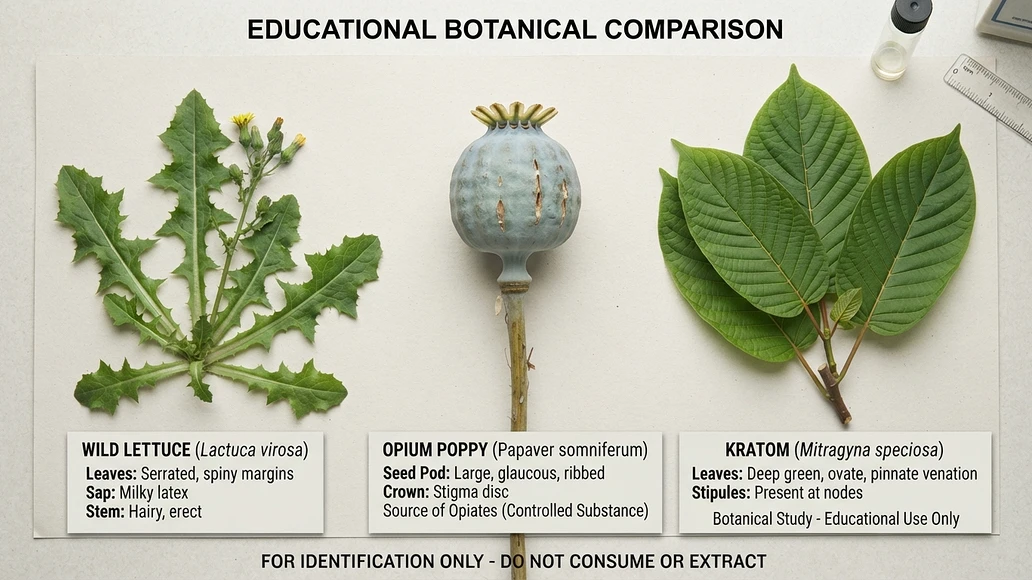
The most important takeaway is simple. Wild lettuce is not a morphine source. Opium poppy is the classic plant source of morphine and codeine. Wild lettuce is a different plant with different compounds and much weaker evidence.
Is wild lettuce the same as opium poppy?
No. Wild lettuce and opium poppy are entirely different plants. Wild lettuce is usually discussed because its dried latex, called lactucarium, has a long history in herbal writing. Opium poppy, by contrast, is the plant associated with true opium alkaloids.
| Plant | Main compounds discussed | Contains morphine or codeine | Typical concern | Bottom line |
|---|---|---|---|---|
| Wild lettuce | Lactucin, lactucopicrin, related sesquiterpene lactones | No meaningful morphine content | Sedation, variable potency, misidentification, delayed care | Traditional remedy with limited human evidence |
| Opium poppy | Opium alkaloids including morphine and codeine | Yes | Legal issues, overdose risk, dependence, toxicity | True opioid source, not a casual home remedy |
| Kratom | Mitragynine, 7-hydroxymitragynine and related alkaloids | No morphine, but opioid-like activity can occur | Dependence, contamination, liver injury, seizures, overdose risk | Not FDA-approved, much higher safety concern than many people assume |
What is lactucarium, and why do people compare it to opium?
Lactucarium is the dried milky sap from certain lettuce relatives, especially wild lettuce. Historically, it was sometimes described as a calming or pain-easing substance. That old comparison to opium is one reason modern articles still use dramatic phrases like “natural morphine.”
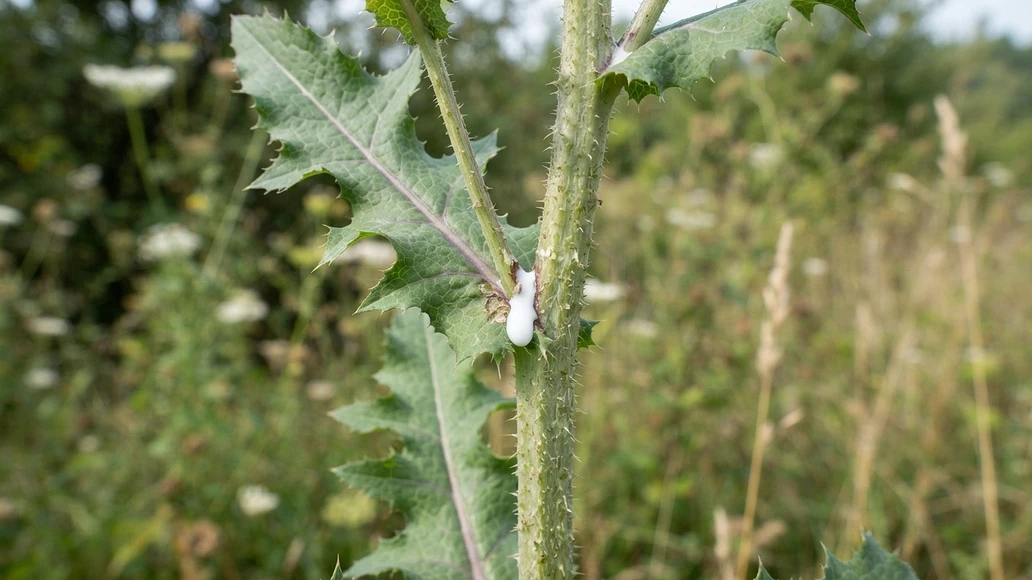
But the comparison is mostly historical and visual, not chemical. Milky latex is not the same thing as opiate content. Many plants produce latex or sap. That alone tells you very little about safety or medicinal value.
What the research says about wild lettuce for pain relief
The evidence for wild lettuce as a pain reliever is limited. There is traditional use, and some preclinical research suggests that compounds in wild lettuce may have analgesic or sedative activity. What is missing is strong, standardized human evidence showing that homemade teas, tinctures, or extracts reliably treat pain in a safe and predictable way.
| Claim | Evidence level | Practical takeaway |
|---|---|---|
| Wild lettuce helps pain in a reliable way | Limited and mixed | Possible mild effects are not the same as proven treatment |
| Wild lettuce acts like morphine | Weak and misleading framing | It does not contain morphine in meaningful amounts |
| Wild lettuce may have sedating compounds | Some preclinical support | Sedation can occur, which also means interaction risk |
| Homemade wild lettuce preparations are standardized | Not supported | Strength can vary widely from plant to plant and batch to batch |
| Natural means safe | False | Plant products can still cause side effects, contamination, and delayed diagnosis |
Another key point is that symptom relief, if it happens, does not address the cause of pain. A sedating herb may make you feel less bothered by pain while the underlying problem continues to worsen.
Which compounds in wild lettuce are actually studied?
The compounds most often discussed are lactucin and lactucopicrin, along with related sesquiterpene lactones. These are not opiates. They are part of why researchers discuss possible calming or pain-modulating effects, but they do not make wild lettuce chemically equivalent to poppy-derived opioids.
That is why careful wording matters. Saying a plant is “morphine-like” can blur the line between a mild, uncertain herbal effect and a true opioid pharmacology profile.
How to identify wild lettuce more safely
If you are trying to identify wild lettuce in the field, caution is essential. Misidentification is one of the biggest risks with any foraged medicinal plant. Wild lettuce is generally described as a tall, weedy plant in the lettuce family with lobed leaves and milky sap when cut. Some species have a central leaf vein with small prickles on the underside.
Those broad traits are not enough for beginners to rely on. Plant appearance changes with age, growing conditions, and species. If you are not already comfortable with botanical identification, do not assume a random roadside or backyard plant is the one you want.
Common lookalike problems
| Risk area | Why it matters | Safer approach |
|---|---|---|
| Young plants | Seedlings can look very similar across species | Do not identify medicinal plants from immature growth alone |
| Roadside plants | Possible contamination from herbicides, exhaust, or runoff | Avoid harvesting from roadsides, industrial edges, or treated lawns |
| Milky sap assumption | Many plants have sap, not all are safe | Use multiple identification features, not one trait |
| Internet photo matching | Photos often miss scale, leaf underside, and growth stage | Confirm with a regional field guide or local extension resource |
If there is any doubt, do not use the plant. Foraging mistakes can cause poisoning, allergic reactions, or delayed treatment while someone assumes they found a safe remedy.
Why homemade dosing is unreliable
One of the biggest problems with wild lettuce is that there is no dependable home standard for potency. The amount of active compounds can vary based on species, plant age, weather, soil, harvest timing, and preparation method. Tea, tincture, dried latex, and extracts are not interchangeable.
This is why strong how-to extraction advice can be unsafe. A homemade preparation may be too weak to do anything, or strong enough to cause sedation, dizziness, or other unwanted effects. There is no simple kitchen method that turns a wild plant into a measured, pharmacy-like pain medicine.
Forms people talk about, tea, tincture, latex, and extract
Wild lettuce is commonly discussed in several forms, including tea, tincture, dried latex, and concentrated extract. The problem is not just whether a form exists. The problem is that each form can differ in strength, and online sellers or homemade recipes may not reflect what is actually in the product.
| Form | What people expect | Main limitation | Main safety concern |
|---|---|---|---|
| Tea | Mild herbal effect | Extraction can be inconsistent | False sense of safety, delayed care |
| Tincture | More concentrated herbal dosing | Product quality varies widely | Alcohol content, interaction risk, unclear potency |
| Dried latex | Traditional “stronger” form | Very hard to standardize at home | Overuse, contamination, misidentification |
| Extract | Convenience and stronger effect | Label claims may not reflect true composition | Unknown concentration, adulteration, side effects |
Side effects and interaction risks that matter most
Even if a plant is sold as natural, side effects are still possible. Wild lettuce is most often associated with sedation-type concerns, especially when combined with other substances that slow the central nervous system.
| Risk | Why it matters | Who should be especially careful |
|---|---|---|
| Drowsiness or slowed reaction time | Can impair driving, tool use, and decision-making | Older adults, anyone working with machinery, anyone already fatigued |
| Interaction with alcohol or sedatives | Effects may add up unpredictably | People using sleep aids, benzodiazepines, opioids, or alcohol |
| Allergic reaction or stomach upset | Plants can trigger sensitivity or GI symptoms | People with plant allergies or sensitive digestion |
| Delayed diagnosis | Temporary symptom dulling can hide a serious cause | Anyone with new, severe, or worsening pain |
| Contamination | Wild or purchased products may contain pesticides, molds, or adulterants | Anyone buying unverified extracts or harvesting from unknown areas |
Who should avoid wild lettuce or similar sedating botanicals
Some groups should avoid self-treating with wild lettuce or similar products unless a qualified clinician specifically advises otherwise.
| Group or condition | Why avoidance is advised |
|---|---|
| Pregnant or breastfeeding people | Safety data are inadequate and sedating compounds may pose risk |
| Children and teens | Uncertain dosing and safety, higher risk from small amounts |
| Older adults | Greater sensitivity to sedation, falls, confusion, and interactions |
| People with liver disease | Herbal products may add metabolic stress or interact with medicines |
| People with seizure history | Some botanicals and contaminants may increase neurologic risk |
| People with substance use disorder history | Self-treatment with psychoactive products can complicate recovery |
| People taking opioids, benzodiazepines, sleep medicines, antidepressants, or alcohol | Combined sedative or interaction effects may be dangerous |
Wild lettuce vs kratom vs opium poppy, the practical difference
These plants are often lumped together online, but they should not be treated as equivalent options.
| Plant | Why people seek it out | Evidence for pain use | Major safety issue | Overall caution level |
|---|---|---|---|---|
| Wild lettuce | Folk reputation as a backyard pain herb | Limited, mostly traditional and preclinical | Unreliable potency, sedation, misidentification | Moderate caution, mainly because evidence is weak and dosing is unclear |
| Kratom | Opioid-like effects and self-treatment claims | Mixed for benefit, stronger concern profile | Dependence, withdrawal, liver injury, seizures, contamination | High caution |
| 7-OH products | Marketed as stronger kratom-derived products | Safety concerns outweigh casual use claims | Higher potency, overdose risk, unpredictable products | Very high caution |
| Opium poppy | True opioid source | Well established opioid chemistry, not a DIY remedy | Serious legal and medical risk | Very high caution |
Kratom deserves special mention because many readers searching for “natural opioid” content are really encountering kratom products or concentrated 7-hydroxymitragynine products online. Those are not benign wellness herbs. Federal agencies and academic medical sources have warned about dependence, toxicity, contamination, and overdose concerns.
When a plant remedy is not the right choice
Self-treatment is a poor choice when pain may signal a condition that needs diagnosis. Pain is a symptom, not a final answer. If a plant dulls the symptom but the cause is appendicitis, a fracture, a kidney stone, a heart problem, or a neurologic emergency, the delay can be dangerous.
| Situation | Why self-treatment is risky | Better next step |
|---|---|---|
| Pain after a fall, crash, or heavy impact | Could involve fracture, internal injury, or bleeding | Seek urgent medical evaluation |
| Chest pain or shortness of breath | Could signal heart or lung emergency | Get urgent care immediately |
| Severe abdominal pain | Could reflect appendicitis, gallbladder disease, obstruction, or bleeding | Prompt medical assessment |
| Numbness, weakness, facial droop, confusion | Possible neurologic emergency | Emergency care |
| Fever with worsening pain | Possible infection or inflammatory condition | Medical evaluation |
| Pain lasting more than a few days without improvement | Needs diagnosis, not repeated masking | Schedule professional care |
What to try instead for short-term pain relief
For minor aches and strains, safer first steps usually involve non-drug basics. Rest, hydration, gentle movement when appropriate, heat or ice depending on the situation, and evidence-based over-the-counter options may be more predictable than an unstandardized herb. If you have medical conditions, take blood thinners, have ulcers, kidney disease, liver disease, or are unsure which OTC option is safe for you, ask a pharmacist or clinician first.
For chronic pain, the best approach is usually not one miracle plant. It is a plan that matches the cause, such as physical therapy, sleep improvement, activity pacing, weight management when relevant, ergonomic changes, and condition-specific treatment.

Legal and regulatory context in the U.S.
In the United States, a dramatic claim that a plant is “like morphine” should immediately raise your skepticism. That phrase may be used loosely in marketing, folk writing, or social media without proving that a product is effective, standardized, or safe. Products sold online may also vary in purity and labeling accuracy.
Kratom products in particular exist in a complicated regulatory environment and are not FDA-approved for treating pain. Concentrated 7-OH products raise even more concern because potency can be much higher than plain leaf products. Wild lettuce products are generally less notorious, but they still suffer from the same basic problem of inconsistent quality and weak clinical evidence.
How to interpret online claims about “natural morphine”
A good rule is to slow down whenever you see language that sounds absolute, dramatic, or secretive. If an article or seller suggests a backyard plant can replace prescription pain medicine, that is a red flag. Reliable guidance should clearly separate folklore, preclinical research, human evidence, and known safety limits.
Look for these signs of a more trustworthy explanation. It should say whether the plant actually contains morphine, whether evidence comes from humans or only lab studies, who should avoid it, what interactions matter, and when pain needs medical evaluation instead of self-treatment.
When to seek medical help right away
| Red flag symptom | Why it is urgent |
|---|---|
| Chest pain, pressure, or trouble breathing | Possible heart or lung emergency |
| One-sided weakness, severe headache, confusion, or fainting | Possible stroke or neurologic emergency |
| Black stool, bloody stool, vomiting blood, or severe abdominal pain | Possible internal bleeding or serious GI condition |
| Severe pain after injury | Possible fracture, dislocation, or internal trauma |
| Rapidly worsening pain with fever | Possible infection or surgical problem |
| Pain with unexplained weight loss, persistent night pain, or loss of function | Needs prompt professional evaluation |
Bottom line
If you came here looking for the plant most often described as a natural painkiller that resembles morphine, the answer is usually wild lettuce. But the resemblance is mostly a matter of old herbal language, milky latex, and limited reports of sedating or analgesic effects. It is not the same as opium poppy, and it should not be treated as a natural substitute for morphine.
For mild, short-term discomfort, some people may still be curious about traditional herbs. Just keep the limits clear. Identification mistakes happen, homemade dosing is unreliable, side effects and interactions are real, and serious pain deserves proper evaluation.