Old Jar, Still Good? A Practical Guide to Petroleum Jelly Shelf Life
Petroleum jelly is one of the most stable products in a home first aid kit, but that does not mean every old jar is worth keeping. Here is how long Vaseline usually lasts, how to read the label, and how to decide when to keep it or toss it.

Petroleum jelly has a reputation for lasting almost forever, and there is some truth to that. Pure petrolatum is very stable, contains no water, and does not spoil the way food or water-based creams do. But a jar can still become a bad choice because of contamination, heat damage, added ingredients, or simple age. If you keep Vaseline in a bathroom cabinet, first aid kit, diaper bag, or emergency tote, the useful question is not just whether it expires. It is whether your specific jar is still clean, stable, and appropriate for the way you plan to use it.
The short answer is this. Pure petroleum jelly often remains usable for years, sometimes well beyond the printed date if it has been stored well. Products with fragrance, botanicals, or medicated ingredients usually have a shorter and stricter shelf life. The biggest real-world risk is usually contamination from fingers, moisture, or dirty storage conditions, not sudden chemical breakdown.
What petroleum jelly is, and why it lasts so well
Petroleum jelly is a refined mixture of hydrocarbons. In plain language, it is an occlusive barrier product that sits on the skin and helps lock in moisture. Because it contains no water, it does not provide the same kind of environment that bacteria and mold prefer. That is one reason plain petroleum jelly is known for long shelf life.
Refined petrolatum used in mainstream skin products is also very different from crude petroleum. The refined form used for skin protection has a long history of topical use and is widely considered safe when used as directed. It is not a cure for eczema, infection, or chronic rashes, but it is a useful barrier product for dry skin, chafing, and minor skin protection.
Does petroleum jelly expire? The practical answer
Yes, in a practical sense, it does. No, it usually does not spoil overnight.
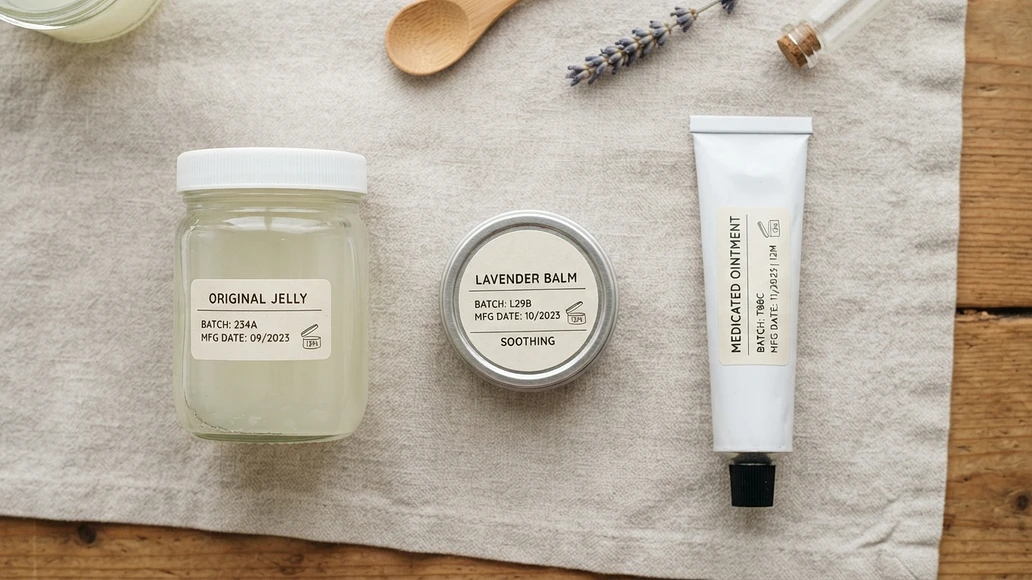
Many jars and tubes are sold with a shelf life around 2 to 3 years, especially if the product is regulated or labeled as an OTC skin protectant. Some cosmetic versions may not show a clear expiration date at all. That does not mean they last forever. It means the manufacturer may rely on batch coding and a Period After Opening symbol instead of a printed expiration date.
For plain petroleum jelly, the printed date is often a quality guarantee more than a hard safety cutoff. If the jar is unopened, stored in a cool dark place, and still looks and smells normal, it may remain usable for much longer. Once opened, cleanliness matters more.
| Product type | Typical unopened shelf life | Typical opened shelf life | Main reason to discard |
|---|---|---|---|
| Pure petroleum jelly | Often 2 to 3 years printed, sometimes usable much longer if stored well | Often 12 to 36 months by PAO guidance, sometimes longer if kept clean | Contamination, odor change, color change, texture change |
| Scented or enhanced petroleum jelly | Usually shorter practical life than plain jelly | Often shorter after opening because additives can degrade | Rancid smell, separation, irritation, color change |
| Medicated ointment or skin protectant with active ingredients | Follow printed expiration date closely | Use within labeled period after opening if provided | Expired active ingredients, contamination, reduced effectiveness |
Unopened versus opened, what changes
Unopened jars
An unopened jar kept in a cool, dry, dark cabinet usually has the best chance of lasting well beyond its printed date. The seal limits contamination, and stable room temperatures reduce stress on the product.
Opened jars
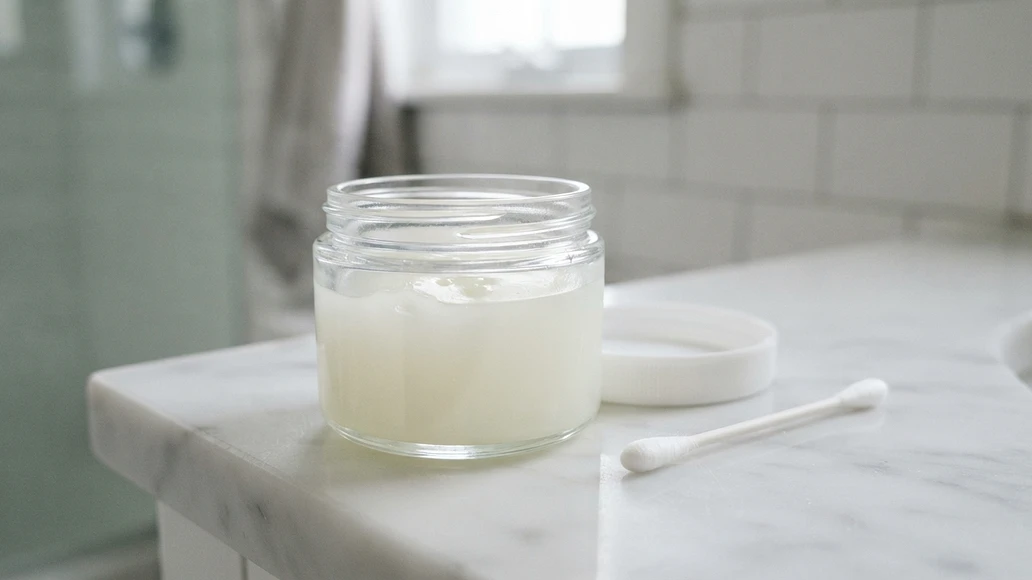
Once you open the jar, the clock becomes more about hygiene than chemistry. Every dip of a finger can introduce skin cells, dirt, moisture, or microbes. Even though plain petroleum jelly itself is not a friendly growth medium, contamination on the surface or around the lid can still make the product less suitable, especially for lips, broken skin, babies, or anyone with a weakened immune system.
Storage in a car, shed, or go-bag
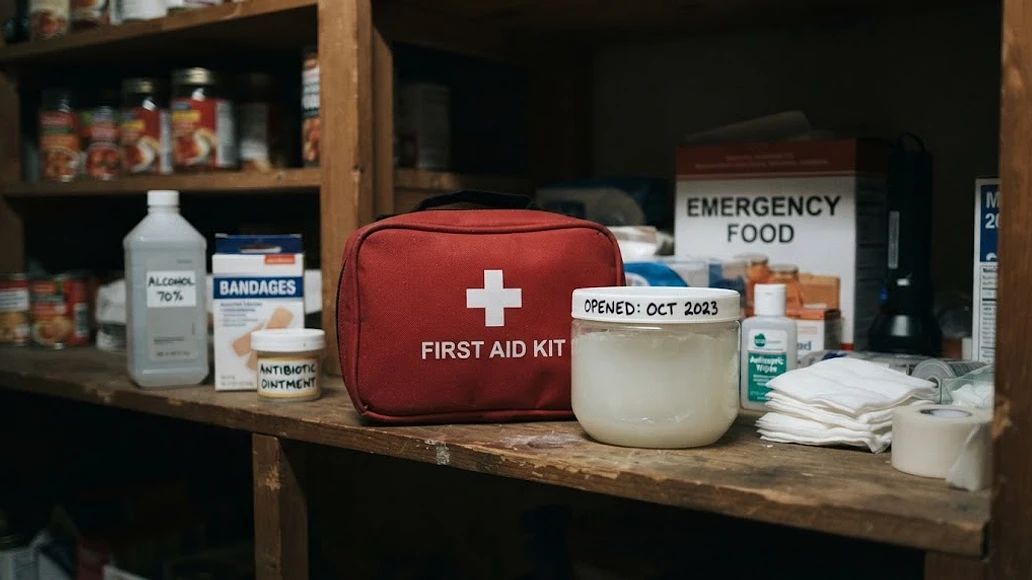
Heat swings matter. A jar in a bathroom cabinet may do fine for years. A jar in a hot car trunk, attic, or metal shed may separate, soften repeatedly, collect condensation, or degrade faster. For emergency kits, petroleum jelly is still a useful item, but it should be rotated and checked more often than the jar in your bedroom drawer.
How to read the label, date, batch code, and PAO symbol
One reason people get confused is that not every jar is labeled the same way. Some are cosmetics. Some are OTC skin protectants. Those categories can be labeled differently.
Expiration date
If there is a printed expiration date, use that as your first checkpoint. This is especially important for medicated products or anything labeled as a drug product. If the date has passed, the product may still look fine, but the safest approach is to be more conservative, especially if you plan to use it on compromised skin.
Batch code
If there is no obvious expiration date, look for a stamped batch code on the bottom, back, lid, or crimp of the tube. A batch code can sometimes be checked with a brand-specific or cosmetic batch code tool to estimate manufacture date. This is not perfect, but it can help you figure out whether the jar is two years old or ten.
PAO symbol
The PAO symbol looks like a tiny open jar with a number such as 12M or 24M. That means the manufacturer recommends using the product within 12 or 24 months after opening. It is not the manufacture date. It is a countdown that starts when you first open the product.
| Label clue | Where to look | What it means | What to do |
|---|---|---|---|
| Printed expiration date | Bottom of jar, back label, tube crimp, outer box | Manufacturer's recommended use-by date | Use it as your main guide, especially for medicated products |
| Batch code | Stamped or embossed on container or lid | Helps estimate manufacture date | Use it if no expiration date is printed |
| PAO symbol, such as 12M or 24M | Back label or bottom of container | Recommended months to use after opening | Write the opening date on the jar with a marker |
Pure jelly versus scented or medicated versions
Not all Vaseline-type products age the same way. Plain petroleum jelly is the most stable. Once you add fragrance, plant oils, flavoring, or active ingredients, the formula becomes more likely to change over time.
That means a basic jar of original petroleum jelly is usually the best choice for long-term household storage and emergency kits. A cocoa butter blend, lip therapy product, or medicated ointment may be more pleasant for daily use, but it is usually less ideal for very long storage.
How to tell if an old jar should be tossed
Do not rely on the date alone. Use your senses and your storage history.
| What you notice | Likely meaning | Keep or toss |
|---|---|---|
| No odor, normal color, smooth texture | Likely still stable | Usually keep, if storage was good and use is for intact skin |
| Strong or unusual smell | Possible degradation or contamination | Toss |
| Yellowing, darkening, or odd discoloration | Age, heat exposure, or contamination | Toss |
| Grainy texture, watery film, separation | Heat stress or formula breakdown | Toss |
| Visible dirt, lint, hair, or foreign particles | Contamination from use or storage | Toss |
| Moisture droplets or visible mold | Contamination problem | Toss immediately |
If you are on the fence, think about where you plan to use it. A questionable jar is never worth using on lips, baby skin, cracked skin, or a healing scrape.
Can you still use expired petroleum jelly?
Sometimes, yes, but with limits.
If plain petroleum jelly is past its printed date but still looks, smells, and feels normal, it is generally less concerning than an expired medicated ointment. The main risk is usually contamination or reduced quality, not toxicity. Still, the safer approach depends on the body area and the person using it.
| Use area or situation | Generally reasonable if jar seems normal | Use extra caution | Best advice |
|---|---|---|---|
| Healthy, intact skin on elbows, hands, feet | Yes | If product is very old or poorly stored | Usually acceptable if appearance and odor are normal |
| Lips | Sometimes | Higher caution because product can be ingested in small amounts | Prefer a fresh, clean product |
| Minor scrape or cracked skin | Sometimes | Higher caution because skin barrier is compromised | Use only a clean, normal-looking product, seek care if infection signs appear |
| Baby diaper area | Sometimes | Higher caution due to sensitive skin | Prefer a fresh product and stop if rash worsens |
| Inside the nose or other mucous membranes | No routine use | Yes | Avoid unless specifically advised by a clinician |
| Immunocompromised person or slow-healing skin | Not ideal | Yes | Use fresh product and ask a clinician if unsure |
Is refined petroleum jelly safe for long-term skin use?
For most people, refined petroleum jelly is considered safe for long-term external use on appropriate skin areas. It is widely used to reduce water loss from the skin and protect dry, irritated areas. It is minimally absorbed through intact skin and has a long record of use.
What it does not do is treat the root cause of every skin problem. It can help seal in moisture and protect the barrier, but it does not replace treatment for fungal infections, bacterial infections, eczema flares, psoriasis, or allergic rashes. If a skin problem keeps returning, the answer may be a better skin care routine or medical evaluation, not just more occlusion.
Common myths
One common myth is that petroleum jelly on the skin is linked to cancer. Refined petrolatum used in reputable skin products is not the same as unrefined petroleum contaminants. Another myth is that old petroleum jelly becomes poisonous. In most cases, the concern is not poison. It is contamination, poor storage, or using the wrong product in the wrong place.
Who should be more cautious
Some people should be more conservative about using older jars or heavy occlusive products in general.
- People with acne-prone or folliculitis-prone skin, because heavy occlusion can worsen breakouts for some.
- Anyone using prescription topical medications, because layering petroleum jelly can change how some products absorb.
- People with chronic skin disease, slow-healing wounds, diabetes, or compromised immunity.
- Pregnant or breastfeeding adults who plan to use it on nipples, the genital area, or over medicated creams, because personalized advice may be appropriate.
- Babies and toddlers, especially for use near the nose or on persistent rashes.
Best storage practices at home and in preparedness kits
If your goal is long shelf life, storage matters almost as much as formula.
- Keep it cool, dry, and out of direct sunlight.
- Prefer a bedroom cabinet, linen closet, or pantry shelf over a steamy bathroom if possible.
- Use clean hands or a clean spatula to remove product from jars.
- Close the lid tightly after each use.
- Avoid repeated heat cycling in cars, sheds, and attics.
- For bug-out bags or vehicle kits, choose smaller containers and rotate them on a schedule.
- Label the opening date with a marker.
For preparedness, a small sealed container of plain petroleum jelly makes more sense than a large half-used bathroom jar. Smaller containers reduce contamination risk and are easier to rotate.
Useful first aid and household roles, with limits
Petroleum jelly earns its place in many homes because it is versatile. It can help protect dry skin, reduce friction, and support minor skin care. It also has some non-skin uses around the house and in kits.
| Use | Generally safe or useful | Main caution | When to avoid or get help |
|---|---|---|---|
| Dry hands, heels, elbows | Yes | Works best after bathing or over moisturizer | Seek help if cracking, bleeding, or rash persists |
| Chafing protection | Yes | Use on clean skin | Avoid if skin is infected or very irritated |
| Minor scrapes | Yes, for barrier protection | Clean the area first | Get care for deep wounds, bites, punctures, or infection signs |
| Lips | Usually yes with fresh product | Prefer a clean container | Avoid questionable old product |
| Baby diaper area | Often used as a barrier | Use fresh, clean product | Get pediatric advice if rash worsens or does not improve |
| Fire starter with cotton | Useful in preparedness | Store away from heat sources and children | Use normal fire safety practices |
| Zipper or gear lubrication | Sometimes useful | Can attract dirt and grit | Use purpose-made lubricants when possible |
| Inside the nose | Not recommended for routine use | Not ideal on mucous membranes | Ask a clinician for safer alternatives |
How long a jar lasts in normal household use
A small jar can last surprisingly long because most people use only a thin layer. A 1.75 ounce container used only for occasional dry spots may last many months or longer. A larger jar used nightly on hands, feet, or for slugging can be used up much faster. In preparedness terms, that means one unopened backup jar can remain practical for a long time, but an opened family jar may age out from contamination before it is fully used.
Quick decision guide, keep it or toss it
Use this simple sequence.
- Check for a printed expiration date. If it is a medicated product and the date has passed, replace it.
- If there is no date, check the batch code and PAO symbol.
- Think about storage. Cool closet is better than hot car.
- Inspect the product. If smell, color, or texture changed, toss it.
- Consider the use. For lips, babies, broken skin, or compromised immunity, be conservative and use a fresh product.
- If you are unsure, replace it. Petroleum jelly is inexpensive, and uncertainty is not worth the risk.
Recent context
Recent expert commentary has mostly focused on clearing up confusion, not warning about a new danger. The big themes have been label literacy, especially PAO symbols and batch codes, plus reassurance that refined petroleum jelly is generally safe for skin. The newer conversation is less about recalls and more about helping people separate myth from practical storage reality.
When to call a clinician
Petroleum jelly is a home care product, not a diagnosis. Get medical advice if dry or cracked skin is not improving after 1 to 2 weeks of basic care, if redness or pain is increasing, if you see pus or fever, or if a baby rash is worsening. Stop using the product if it causes burning, hives, itching, or a spreading rash.
FAQ
Is it safe to use petroleum jelly after the date on the jar?
Sometimes. If it is plain petroleum jelly and it still looks, smells, and feels normal, it may still be usable on intact skin. Be more cautious with medicated products, lips, baby skin, or broken skin.
How can I tell how old my jar is if there is no date?
Look for a batch code stamped on the container and check whether the product has a PAO symbol such as 12M or 24M. If you cannot estimate the age and the jar has been open a long time, replacement is the safer choice.
Can I use old petroleum jelly on my baby or toddler?
It is better to use a fresh, clean product for babies and toddlers. Their skin is more sensitive, and contamination matters more. If a diaper rash persists or worsens, contact a pediatric clinician.
Can petroleum jelly grow bacteria or mold?
Plain petroleum jelly does not contain water, so it is not a great environment for microbial growth by itself. But contamination can still happen from dirty fingers, moisture, or debris introduced during use. Visible mold, moisture, or foreign particles are reasons to toss it.
What should I do with a jar that smells strange or looks off?
Do not try to salvage it. Throw it away in the trash, ideally with the lid secured, and avoid washing large amounts down the drain because greasy products can contribute to plumbing problems.
References
- U.S. Food and Drug Administration, Cosmetics Overview
- Mayo Clinic, Dry Skin Diagnosis and Treatment
- Verywell Health, Is Petroleum in Vaseline Safe?
- Derm Foundation, Vaseline Original Healing Jelly Review
- Skincarisma, Vaseline Batch Code Checker
- BatchFirst, Check Vaseline Batch Code and Expiry Date
- ScienceInsights, How Long Is Vaseline Good For
Disclaimer: This article is for general educational purposes only and is not a substitute for medical advice, diagnosis, or treatment. If you have persistent skin symptoms, signs of infection, severe irritation, or questions about use during pregnancy, breastfeeding, infancy, or with prescription skin medicines, consult a qualified healthcare professional.