The Emergency Pantry Rules That Actually Hold Up
A practical guide to choosing shelf-stable foods that still work when power, water, time, and ideal storage conditions are limited. Learn what to store, how to package it, what spoils first, and how to build a safer 7-day, 30-day, or 90-day pantry.

Preparedness food is easy to get wrong. Many stockpiles look impressive on a shelf but fall apart in a real disruption because they need too much water, too much fuel, too much cooking time, or they leave major nutrition gaps. A useful emergency pantry is not built around hype. It is built around foods that stay safe, store well, and still help your household function when normal routines break down.
In practical terms, “SHTF-proof” food means food that remains useful under stress. It should provide calories, protein, fats, and at least some micronutrients. It should tolerate storage better than fresh food. It should fit your climate, your budget, and your household’s medical or dietary needs. Most of all, it should be safe to eat when you finally need it.
This guide focuses on safer food storage, realistic shelf-life expectations, and pantry planning that works for short emergencies and longer disruptions. It is not medical advice, and it is not a substitute for food safety guidance from public health agencies. If anyone in your household has diabetes, kidney disease, severe food allergies, celiac disease, pregnancy-related nutrition needs, or unexplained weight loss, get professional advice before relying heavily on stored food.
What “emergency-ready food” really means
A food does not become emergency-ready just because it is shelf stable. The better test is whether it still solves problems when conditions are poor. A pantry item is more resilient when it meets most of these standards:
- It stores safely for a meaningful period under your actual home conditions.
- It provides useful nutrition, not just empty calories.
- It can be prepared with limited water, fuel, time, or equipment.
- It is familiar enough that your household will actually eat and rotate it.
That last point matters more than many people think. A stack of foods your family dislikes is not preparedness. It is expensive clutter with a future disposal problem.
The four criteria that separate useful foods from shelf clutter
1. Calorie density
In an emergency, calories matter because stress, cold, cleanup work, and disrupted routines all increase energy needs. Rice, oats, pasta, peanut butter, oils, and canned meats all help cover this need.
2. Protein quality
Protein supports strength, recovery, and satiety. Beans are useful, but they are not the only answer. Canned fish, canned chicken, powdered milk, lentils, and shelf-stable dairy can make a pantry more complete.
3. Fat stability
Fats are calorie-dense and improve meal quality, but they are often the first weak point in long-term storage. Heat speeds rancidity. A pantry with no stable fat sources can feel filling on paper but still leave meals unsatisfying and nutritionally thin.
4. Water and fuel dependency
Dry staples can be excellent long-term foods, but they are not always practical in the first 24 to 72 hours of a crisis. Foods that can be eaten cold, rehydrated quickly, or heated briefly deserve a place beside bulk staples.
Which foods are most useful in a real emergency?
The best pantry is mixed, not extreme. It should include ready-to-eat foods for immediate use, plus longer-lasting staples for extended disruptions.
| Food category | Main benefit | Nutrition strengths | Water or fuel need | Storage difficulty | Best use case |
|---|---|---|---|---|---|
| Commercially canned beans, meats, soups, vegetables, fruit | Ready to eat, durable, familiar | Protein, fiber, some micronutrients | Low, can be eaten cold if safe | Low if cans stay intact and dry | Short outages, first days of disruption |
| Rice, oats, pasta | Low cost calories | Energy, some fiber depending on type | Moderate to high | Low to moderate, better with upgraded packaging | Budget pantry base |
| Dry beans and lentils | Affordable protein and fiber | Protein, fiber, minerals | High for many beans, moderate for lentils | Moderate, moisture and pests matter | Longer disruptions with cooking access |
| Powdered milk and shelf-stable dairy | Adds protein and calcium | Protein, calcium, calories | Usually needs water | Moderate, heat shortens quality | Families, baking, nutrition support |
| Nut butters and nuts | Dense calories, easy to eat | Fat, some protein | Low | Moderate, rancidity risk | Fast meals, no-cook days |
| Freeze-dried meals and ingredients | Lightweight, long shelf potential | Varies widely | Usually high | Low if factory sealed and cool | Backup reserve, space-limited storage |
| Crackers, cereals, bars | Convenient and familiar | Usually limited, varies by product | Low | Moderate, quality drops faster | Grab-and-go, short-term use |
| Oils, ghee, shortening | Essential calories and cooking value | Fat | Low | High compared with dry staples | Meal building, calorie support |
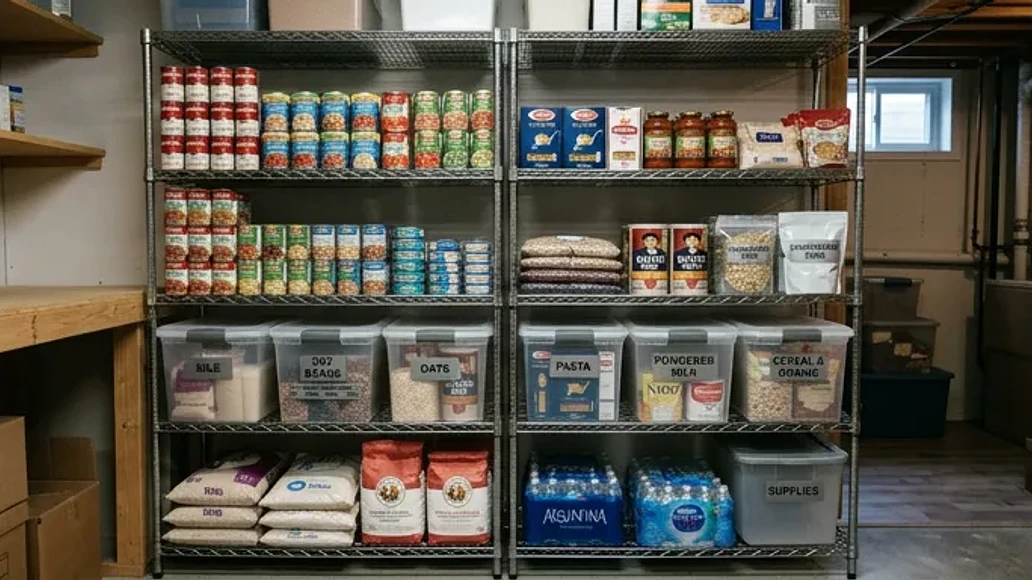
The strongest pantry usually combines canned foods, dry staples, a few quick-cook items, stable fats, and some morale foods that make repetitive meals easier to tolerate.
What lasts longest when stored correctly
Longevity depends on food type, packaging, temperature, humidity, and light exposure. Claims that a food will last for decades under any condition are not reliable. Cool, dark, dry storage is what makes long shelf life possible.
In general, low-moisture staples such as white rice, oats, pasta, and properly dried beans can remain useful for a long time when protected from oxygen, moisture, insects, and heat. Commercially canned foods can also remain safe beyond their best-by dates if the cans are intact and storage conditions were reasonable, though texture, flavor, and nutrient quality may decline over time.
Foods that usually store less well include brown rice, whole-wheat flour, granola, nuts, seeds, and many oils. These contain more natural fats, which means they can go rancid much sooner, especially in warm spaces like garages, sheds, and attics.
Which foods solve the problem, and which only feel helpful?
Some foods reduce the real risk of hunger and poor nutrition. Others mainly provide comfort or convenience. Both can have a place, but they are not equal.
| Type of item | What it does well | What it does poorly | Preparedness value |
|---|---|---|---|
| Staples like rice, beans, oats, pasta, canned proteins | Cover calories, protein, and meal-building basics | Some require cooking and water | High |
| Freeze-dried ingredients and balanced meal kits | Store compactly and can support longer planning | Often expensive and water dependent | High when paired with water planning |
| Snack foods and sweets | Boost morale and quick energy | Weak nutrition, poor long-term foundation | Moderate as a supplement |
| Flavor boosters like spices, bouillon, sauces | Improve appetite and reduce menu fatigue | Do not solve calorie or protein needs alone | Moderate as support items |
| Single-purpose novelty survival foods | May be portable or interesting | Often overpriced or nutritionally narrow | Low unless they fill a specific gap |
A practical pantry is built on foods that shorten the problem, not just foods that make the shelf look prepared.
How storage method changes shelf life
Packaging matters almost as much as the food itself. Original store packaging is often fine for short and medium storage, but it is not always ideal for long-term protection against oxygen, insects, and humidity.
| Storage method | Best for | Advantages | Limitations | Realistic note |
|---|---|---|---|---|
| Original packaging | Foods you will rotate within normal household use | Cheap, simple, no repackaging errors | Weak against pests, moisture, and oxygen over time | Best for shorter rotation cycles |
| Airtight bins or jars | Flour, oats, pasta, opened dry goods | Good pest control, easy access | Not all are true oxygen barriers | Useful for active pantry management |
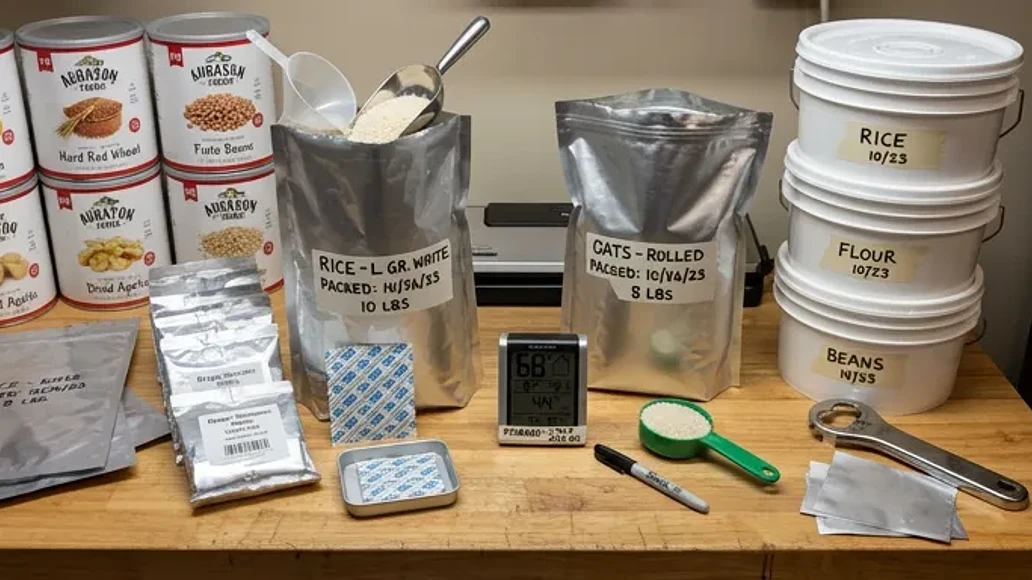
| Mylar bags with oxygen absorbers | Dry low-moisture staples like rice and beans | Strong light and oxygen protection | Requires correct sealing, labeling, and dry food only | Excellent for long storage when done properly |
| #10 cans | Long-term dry storage foods | Durable, protective, often professionally packed | Higher upfront cost, less flexible once opened | Very good for deep reserves |
| Vacuum sealing | Short to medium storage and portioning | Convenient and compact | Not a cure-all, puncture risk, not equal to Mylar for all uses | Helpful but not universal |
Mylar bags and oxygen absorbers are useful tools, but only for appropriately dry foods. They are not a shortcut for foods with unsafe moisture levels. Improperly packed foods can spoil even if the bag looks sealed.
Mylar bags, #10 cans, and pantry rotation, which should you choose?
Choose the method that matches the role of the food. If you use an item weekly, rotation in original packaging or sealed containers is often enough. If you are building a deeper reserve of dry staples, Mylar or professionally packed cans make more sense. If you need immediate convenience, canned foods and ready-to-eat items should stay in their original commercial packaging.
A common mistake is overpacking everything for long-term storage and forgetting day-to-day usability. Another is buying only ready-to-eat foods and ending up with a costly pantry that covers only a few days.
How heat, humidity, and light ruin stored food
Storage conditions can cut shelf life dramatically. Heat speeds chemical breakdown, especially in fats and vitamins. Humidity encourages spoilage, clumping, mold risk, and packaging failure. Light degrades quality and can damage oils and sensitive nutrients.
This is why garages, attics, sheds, and laundry rooms are often poor food storage locations. They may be convenient, but they are usually too hot, too humid, or too variable. A closet inside the living space is often better than a large shelf in the garage.
Hot and humid climates need stricter rotation. Foods that might hold quality for years in a cool basement can decline much faster in a warm coastal home. If your environment is bug-prone, pest-resistant containers and frequent inspection become even more important.
What foods need water, fuel, or long cooking time?
Water and fuel are part of food planning. A pantry full of dry staples can become frustrating if you cannot boil water or simmer food for long periods.
| Food | Water need | Fuel need | Time to usable meal | Practical note |
|---|---|---|---|---|
| Canned soup, canned beans, canned meat | Low | Low, optional heating | Immediate | Excellent for the first phase of an emergency |
| Instant oats, instant rice, ramen | Moderate | Low to moderate | Fast | Good bridge foods when fuel is limited |
| Pasta | Moderate to high | Moderate | Medium | Useful but water intensive |
| Lentils | Moderate | Moderate | Medium | Often easier than larger dry beans |
| Dry beans | High | High | Slow | Great value, but plan fuel and soaking needs |
| Freeze-dried meals | Often high | Low to moderate depending on product | Fast once water is ready | Convenient if water is secure |
The lesson is simple. Store some foods for no-cook use, some for quick-cook use, and some for deep reserve. Do not let your entire plan depend on one utility staying available.
How to build a balanced emergency pantry on a budget
Budget planning works best when done in layers. Start with foods you already eat. Add depth before adding novelty. Build around meals, not random items.
| Pantry tier | Main goal | Priority foods | Why this tier works |
|---|---|---|---|
| Starter, about 7 days | Cover a short outage or storm disruption | Canned meals, canned beans, canned meat, peanut butter, oats, pasta, shelf-stable milk, crackers, fruit cups | Low cost, familiar, little prep required |
| Mid-range, about 30 days | Add meal flexibility and better nutrition | Rice, lentils, more canned proteins, vegetables, powdered milk, oil, flour, baking basics, soups, sauces | Balances convenience with value |
| Extended, about 90 days | Increase depth and resilience | Bulk dry staples in improved packaging, additional fats, freeze-dried ingredients, more variety in proteins and micronutrient foods | Supports longer disruptions and better rotation planning |
Low-cost first steps usually beat expensive specialty products. A pantry based on store-brand rice, beans, oats, canned fish, canned vegetables, peanut butter, and pasta sauce can be far more useful than a small stash of premium emergency meals.
What to stock for protein, fats, carbs, and micronutrients
Emergency food planning often overemphasizes carbohydrates because they are cheap and store well. That is understandable, but a pantry built mostly from starches can leave people tired, hungry, and nutritionally short.
Protein
Use a mix of canned fish, canned chicken, canned beans, lentils, powdered milk, and nut butters. This improves both nutrition and menu flexibility.
Fats
Store manageable amounts of oils, nut butters, shelf-stable shortening, or other fats your household already uses. Buy sizes you can rotate before quality drops.
Carbohydrates
Rice, oats, pasta, flour, tortillas, and crackers provide energy and meal structure. Choose some quick-cook options for low-fuel days.
Micronutrients and fiber
Canned vegetables, canned fruit, dried fruit, tomato products, seaweed, shelf-stable dairy, and fortified cereals can help cover common gaps. Fiber matters too. A sudden switch to low-fiber foods can make an already stressful situation worse.
What foods should you avoid storing too much of?
Avoid overcommitting to foods that spoil faster than people expect, require too much preparation, or do not fit your household’s habits.
- Large amounts of brown rice or whole-grain flours in warm storage
- More cooking oil than you can rotate before rancidity becomes a risk
- Novelty survival foods with poor nutrition or unclear storage guidance
- Very salty foods if your household has blood pressure or kidney concerns
- Foods that require long simmering when you have limited fuel
- Anything your family refuses to eat
Preparedness is not about owning the most food. It is about owning the right food in the right form.
How to tell when stored food is unsafe
Food safety is where many list-style preparedness articles fall short. Shelf life is not the same as safety, and best-by dates are not the same as expiration dates. Use dates as quality markers, then inspect the food and packaging carefully.
| Food type | What to inspect | Warning signs | What to do |
|---|---|---|---|
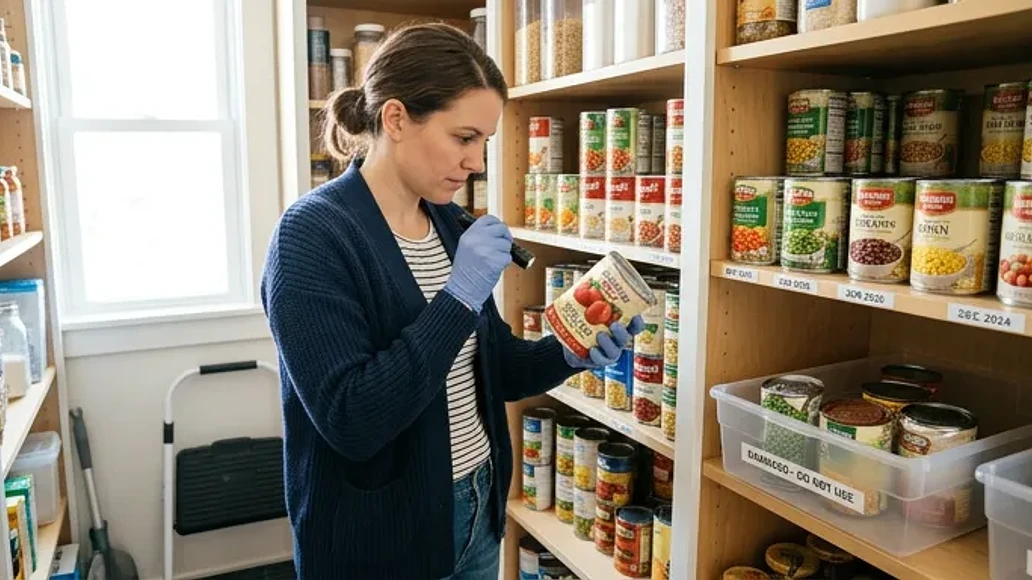
| Commercial canned foods | Can shape, seams, rust, leaks | Bulging, swelling, leaking, severe dents especially on seams, heavy rust, spurting on opening, bad odor | Discard without tasting |
| Dry grains and beans | Moisture, insects, odor, clumping | Mold, dampness, insect activity, sour or off smell | Discard compromised food |
| Flours and mixes | Smell, pests, texture | Rancid smell, bugs, unusual discoloration | Discard if quality or safety is doubtful |
| Oils and fats | Smell, flavor, clarity | Paint-like, bitter, stale, or crayon-like odor and taste | Discard rancid fats |
| Home-canned foods | Seal, liquid clarity, lid condition | Bulging lids, leaks, mold, spurting, off odor, untrusted processing method | Do not taste, discard safely |
Never eat from swollen, leaking, badly dented, rusty, or bulging cans. Do not taste food to decide if it is safe. If you suspect spoilage, throw it out. Improperly canned low-acid foods can carry botulism risk, which is serious and not something to gamble on.
How to store fats without rancidity problems
Fats deserve special attention because they are essential and fragile. Heat, oxygen, and light all speed breakdown. Buy smaller containers if your household uses fats slowly. Rotate them more often than dry staples. Keep them in the coolest practical indoor location. If a fat smells stale, bitter, paint-like, or otherwise off, do not keep it just because the date looks acceptable.
Nut butters can be easier to manage than large oil containers because they are portioned and familiar, though they still need rotation. Whole grains and nuts also contain oils, which is why they usually do not store as long as refined dry staples.
Common storage mistakes that shorten shelf life
- Storing food in hot garages, attics, or sheds
- Failing to label repackaged foods with contents and date
- Using oxygen absorbers incorrectly or with foods that are not suitable
- Ignoring pest control until infestation starts
- Buying deep reserves before building a usable short-term pantry
- Storing only dry staples and forgetting water and fuel needs
- Keeping damaged cans because they seem “probably fine”
Most pantry failures are not dramatic. They come from small oversights repeated over time.
How to rotate and audit your pantry
A good rotation system is simple enough to survive busy life. First-in, first-out means older items get used first and new purchases go to the back. Label repackaged foods clearly. Review your pantry at least once or twice a year for damage, pests, leaks, expired quality windows, and foods your household no longer uses.
It also helps to separate your pantry into three zones: immediate-use foods, weekly-use foods, and deep reserve foods. That makes it easier to see whether your stockpile is practical or just large.
How to adapt food storage for medical or dietary needs
Preparedness food should fit the people who will eat it. A generic pantry can become unsafe or unworkable if it ignores health conditions.
People with diabetes may need more deliberate carbohydrate planning and glucose monitoring, not just extra calories. People with kidney disease may need limits on sodium, potassium, phosphorus, or protein. People who are pregnant or breastfeeding need higher nutrient density and should avoid risky food storage practices. People with celiac disease, food allergies, or digestive disorders need label-based planning and cross-contact control. If your household may rely on stored food for more than a short emergency period, ask a clinician or registered dietitian how to adapt your pantry safely.
What to do if your stored food is compromised
If you find moisture, pests, mold, damaged cans, or rancid smells, separate the affected items immediately. Discard unsafe food. Clean the storage area thoroughly. Check nearby items for spread or hidden damage. Then correct the cause, which is usually heat, humidity, poor sealing, or missed rotation.
If anyone develops symptoms of foodborne illness, dehydration, or severe weakness after eating questionable food, seek medical help promptly. Do not try to “wait it out” if symptoms are significant.
A practical checklist for 7-day, 30-day, and 90-day pantry planning
Think in stages, not in one giant shopping trip.
| Time frame | Focus | What matters most |
|---|---|---|
| 7 days | Ready-to-eat and low-prep foods | Minimal cooking, familiar meals, safe water access |
| 30 days | Balanced pantry with better depth | Protein, fats, fiber, canned produce, rotation habits |
| 90 days | Longer storage and packaging upgrades | Climate control, inventory system, deeper staples, nutrition variety |
The best emergency pantry is not the one with the most dramatic label. It is the one that still works when the power is out, the weather is bad, the stores are crowded, and your household needs normal food that is safe, familiar, and practical.
References
- FDA, safe food storage basics
- CDC, keep food safe guidance
- FDA, canned food safety and storage
- USDA FSIS, food safety basics
- University of Minnesota Extension, home-canned food safety
- Utah State University Extension, food storage life guidance
- Penn State Extension, food safety and storage
- Mayo Clinic, food safety and when to seek care