Silver in a Water Jug: Useful Old Trick or Unsafe Shortcut?
A silver coin can release tiny amounts of antimicrobial silver into water, but that does not make it a reliable way to purify unknown or dirty water. Here is what silver may help with, where it falls short, and which methods are safer for home and emergency use.

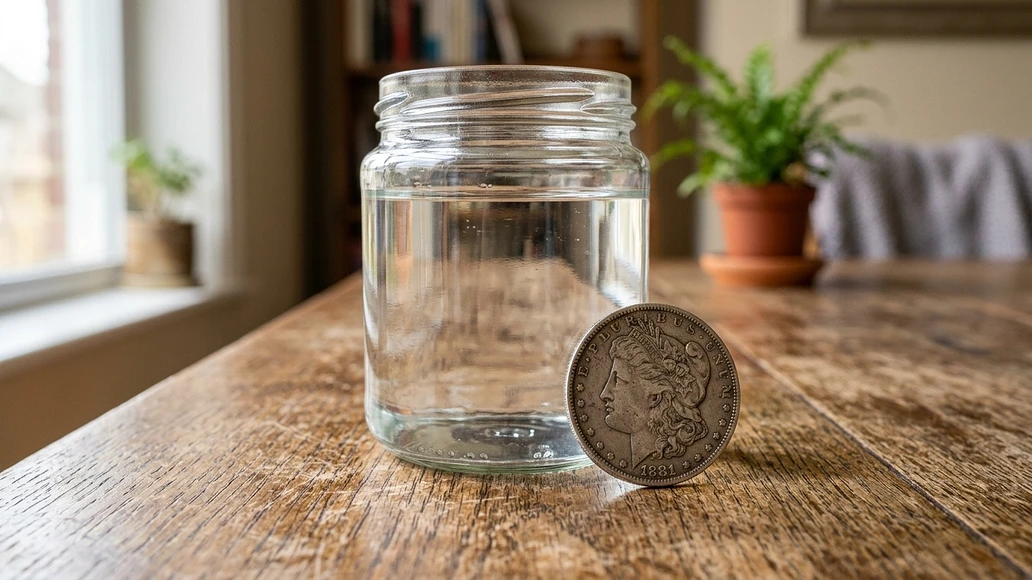
Putting a silver coin in water is an old idea that still circulates in preparedness circles. There is a real scientific basis behind it, but the practical takeaway is narrower than many people assume. Silver ions can interfere with some microbes, especially certain bacteria, yet a coin dropped into a bottle or jug is not a dependable way to make questionable water safe to drink.
That distinction matters. There is a big difference between slowing bacterial growth in already potable water and disinfecting creek water, floodwater, or a container that may have been contaminated. Modern public health guidance does not treat silver as a primary household drinking water disinfectant, and it should not replace boiling, properly used chemical disinfectants, UV treatment, or certified microbiological filtration.
This article provides general information only, not medical advice. If you are dealing with a water emergency, a boil notice, a flooded well, illness after drinking suspect water, or concerns about metal exposure, contact your local health department, water utility, or a qualified healthcare professional.
Why people still try silver in water
Silver has a long history in cups, jugs, storage vessels, and utensils. Before modern sanitation, people noticed that water and some foods sometimes seemed to keep better in contact with silver. Today, that history gets blended with prepper advice, social media claims, and wellness marketing.
The problem is that tradition and modern microbiological safety are not the same thing. A method can have a small real effect and still be too weak, too slow, or too incomplete to trust for drinking water treatment.
How silver affects microbes, in plain language
Silver works through what is often called the oligodynamic effect. In simple terms, tiny amounts of silver ions can damage microbial cell structures, interfere with enzymes, and disrupt genetic processes. That is why silver shows up in some engineered filters, wound dressings, and industrial sanitation applications.
But the details matter. Antimicrobial action depends on how much silver is present, how the ions are generated, how long the water stays in contact with silver, and what else is in the water. Organic matter, minerals, cloudiness, and pH can all change performance.
That is also why a carefully designed silver-based treatment device is not the same thing as dropping a coin into a jar and hoping for the best.
Does a silver coin release enough silver to disinfect water?
A solid silver coin can release trace amounts of silver into water over time. The key phrase is trace amounts. Under ordinary household conditions, the release rate from a coin is usually very low. That may be enough to create some limited antimicrobial pressure, but often not enough to produce fast, reliable disinfection.
In practice, a single coin is much more likely to have a modest, slow effect than to sterilize water. Claims that it quickly kills all bacteria or makes any water safe are not supported by modern guidance.
| Question | What science supports | Practical takeaway |
|---|---|---|
| Does silver have antimicrobial properties? | Yes, especially in ionic or engineered forms at adequate concentrations | Real effect, but dose and design matter |
| Does a silver coin release ions into water? | Yes, usually in very small amounts | Release is often too low for dependable disinfection |
| Can a coin make dirty water safe to drink? | No reliable evidence for household use | Do not rely on it for unknown water sources |
| Can it help keep already clean water from regrowing bacteria? | Plausible, but limited real-world evidence for simple coin use | At most, think of it as a minor supplement, not primary protection |
Silver is not equally effective against all germs
One of the biggest misunderstandings is assuming that if silver affects some bacteria, it therefore handles all waterborne threats. It does not.
| Pathogen type | How silver performs | Why that matters |
|---|---|---|
| Bacteria | Can inhibit or kill some species under the right conditions | This is the strongest case for silver, but still depends on concentration and contact time |
| Viruses | Limited and inconsistent for household water treatment | Silver should not be trusted against viral contamination |
| Protozoa, including Giardia and Cryptosporidium | Poor choice as a primary treatment | These organisms are a major reason silver is not enough for stream or flood water |
| Chemicals and heavy metals | Does not remove them | Even if microbes were reduced, chemical contamination would remain |
This is why public health guidance favors broader methods that can address the full range of likely hazards.
Dirty water versus clean stored water, two different jobs
Readers often ask the right question in the wrong way. The useful question is not simply, “Does silver help?” It is, “Help with what, exactly?”
Trying to treat contaminated water
If the water comes from a stream, pond, roof runoff, flood source, or a well affected by storm damage, a silver coin is not an appropriate primary treatment. The water may contain bacteria, viruses, protozoa, sediment, agricultural runoff, sewage, or industrial contaminants. Silver does not cover that risk profile.
Trying to preserve already safe water
If the water is already potable and stored in a clean container, silver may have a limited role in discouraging some bacterial regrowth over time. Even then, container sanitation, sealing, cool storage, and rotation matter far more than adding a coin.
For preparedness, the smarter approach is to start with safe water and safe containers, then use proven backup treatment methods if needed.
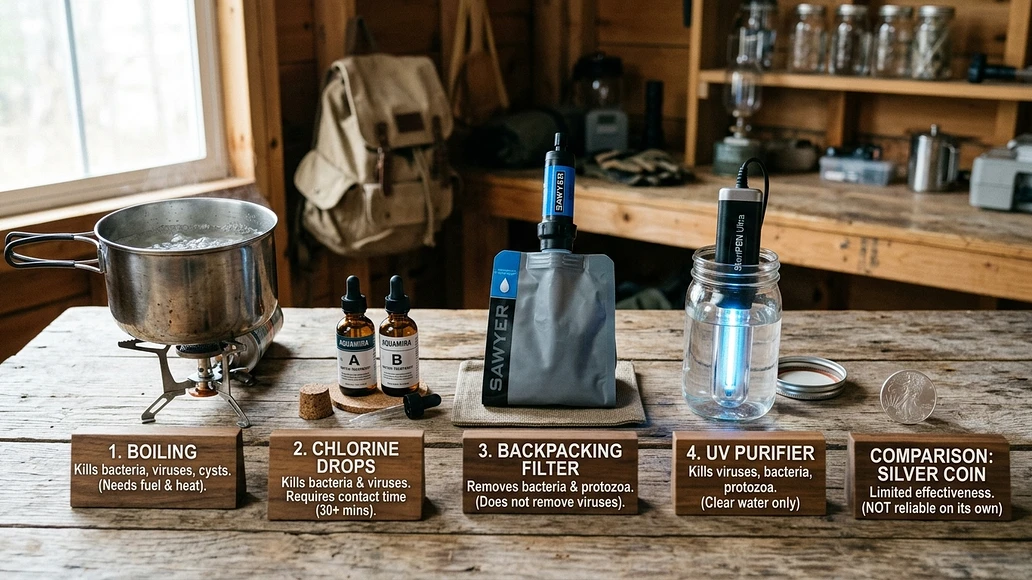
How silver compares with proven water treatment methods
| Method | What it targets | How fast it works | Equipment needed | Pros | Cons |
|---|---|---|---|---|---|
| Boiling | Bacteria, viruses, protozoa | Fast once water reaches a rolling boil | Heat source and pot | Reliable, widely recommended, simple | Needs fuel, does not remove chemicals or sediment |
| Chlorine disinfectant | Bacteria and viruses, some protozoa less effectively | Usually tens of minutes | Correct product and dosing | Portable, proven, good emergency option | Taste, dosing errors, reduced performance in dirty water |
| Iodine | Many bacteria and viruses | Usually tens of minutes | Iodine tablets or solution | Compact backup method | Not ideal for long-term use, limitations for some users and some protozoa |
| UV treatment | Bacteria, viruses, protozoa in clear water | Quick | UV device and power source | Fast, no chemical taste | Needs clear water, batteries or power, device reliability matters |
| Certified microbiological filter | Depends on filter, often bacteria and protozoa, some also viruses | Immediate during use | Certified filter system | Very practical for home and field use | Maintenance, clogging, certification details matter |
| Silver coin | Limited bacterial suppression only | Slow and unpredictable | Coin and container | Simple, historical interest | Not reliable for disinfection, poor coverage of viruses and protozoa |
| Silver vessel | Limited bacterial suppression only | Slow and variable | Silver container or lining | May modestly reduce regrowth in some situations | Still not a primary treatment method |
| Nano-silver filter | Depends on system design, often part of a broader filter | During filtration | Engineered device | Can contribute to antimicrobial control in designed systems | Not equivalent to a loose coin, performance varies by product |
When a silver coin is most likely to disappoint
A coin in water is especially risky to rely on when the water is cloudy, warm, biologically active, or from an unknown source. Those are exactly the situations where people most want a low-tech shortcut, and exactly the situations where shortcuts are most dangerous.
| Water scenario | Main risks | Recommended primary treatment | Is a silver coin appropriate as a supplement? |
|---|---|---|---|
| Municipal tap water during normal service | Low routine risk | Clean storage and rotation | Usually unnecessary |
| Stored tap water in sanitized containers | Recontamination, bacterial regrowth | Sanitized containers, sealed storage, rotation | At most, minor supplemental role |
| Clear stream water | Bacteria, protozoa, possible viruses upstream | Boiling, certified filter, or proper chemical treatment | No, not as treatment |
| Muddy floodwater | Sewage, chemicals, sediment, mixed pathogens | Avoid if possible, settle and prefilter, then use robust treatment, often multiple steps | No |
| Well water after flooding | Pathogens, runoff, sewage, chemical intrusion | Testing and local health guidance, shock disinfection if advised | No |
Different forms of silver are not the same thing
People often lump all silver-related products together, but they behave very differently.
| Form of silver | Typical ion concentration | Evidence for disinfection | Ingestion safety | Regulatory and practical notes |
|---|---|---|---|---|
| Solid silver coin or vessel | Usually very low and slow release | Limited for household water treatment | Likely low risk at trace exposure, but not a reason to consume silver routinely | Not an approved primary home disinfection method |
| Colloidal silver products | Variable and often poorly controlled | Not recommended for drinking water purification or wellness use | Chronic use can cause silver accumulation and argyria | Health agencies warn against relying on it |
| Ionic silver generator products | Can be higher than a coin, depends on device | Performance varies widely and may be poorly validated | Potential exposure concerns if used routinely | Not a substitute for proven emergency disinfection |
| Nano-silver filter media | Controlled within engineered systems | Can help in designed treatment products | Depends on product quality and certification | Judge the whole system, not the silver label alone |
The biggest red flag is homemade or heavily marketed silver drinking solutions. Those products can create a false sense of security while increasing long-term exposure.
What health and regulatory guidance says about silver in drinking water
Major health agencies do not recommend silver as a primary household drinking water disinfectant. Guidance has been consistent for years. Silver may be tolerated at low levels in drinking water, but that is not the same as endorsing it as a treatment method.
A commonly cited benchmark is about 0.1 mg/L, or 100 micrograms per liter, as a drinking water level used in regulatory and guidance contexts. Another important figure is the EPA oral reference dose for silver, around 0.005 mg per kilogram of body weight per day, which reflects concern about chronic accumulation rather than immediate poisoning from tiny occasional exposures.
| Safety reference | Value | What it means for household use | Example concern |
|---|---|---|---|
| Drinking water guidance context for silver | About 0.1 mg/L | Low levels may be tolerated, but this is not an endorsement to add silver on purpose | Repeated use of concentrated silver solutions could exceed conservative limits |
| EPA oral reference dose | About 0.005 mg/kg/day | Chronic daily intake matters more than a one-time trace exposure | Routine use of colloidal silver products can push exposure upward |
| Argyria risk | No simple household threshold | Long-term accumulation can permanently discolor skin | People using silver products for wellness are at higher risk than someone who occasionally drank from a silver cup |
Who should be especially cautious
Children, pregnant people, and anyone with kidney or liver disease should be more conservative about unnecessary silver exposure. These groups may be more vulnerable to cumulative metal intake or less able to clear it efficiently. People with chronic illness or multiple medications should also avoid unregulated silver products unless a qualified clinician is directly involved.
For these groups, the safest path is simple. Use proven water treatment methods and skip experimental or folk approaches for routine drinking water.
Safe ways to disinfect water at home and in emergencies
If your goal is safe drinking water, use methods with established public health support.
- Start by choosing the cleanest source available.
- If water is cloudy, let sediment settle and prefilter through a clean cloth or other prefilter step.
- Use a primary treatment such as boiling, a certified microbiological filter, or a correctly dosed chemical disinfectant.
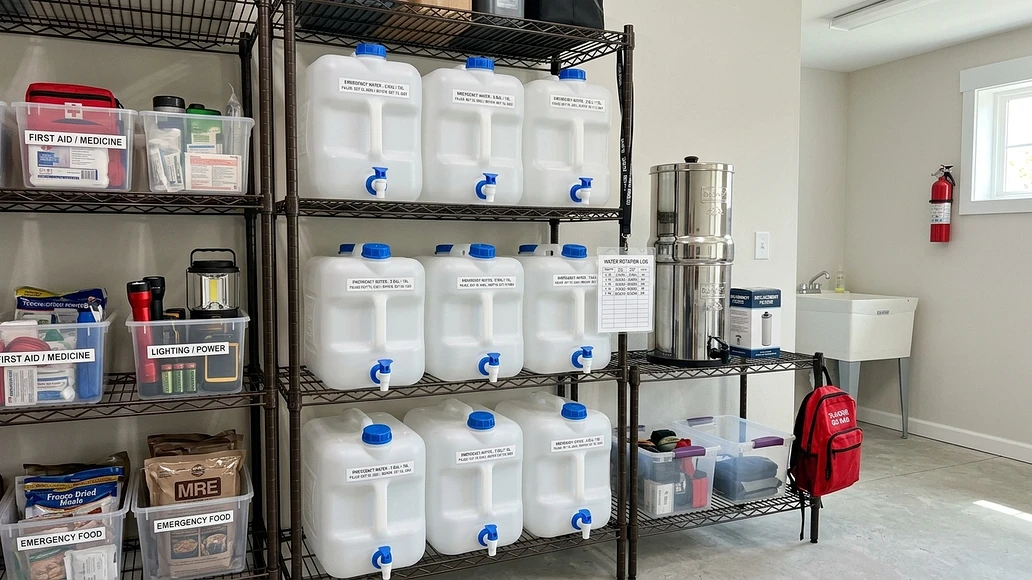
- Store treated water in sanitized, food-grade containers with tight lids.
- Label and rotate stored water on a schedule that fits your household plan.
- Keep backup methods on hand in case one system fails.
Where does silver fit? At most, it belongs in the category of supplementary and limited. It is not the backbone of a safe water plan.
Common myths that can get people into trouble
Myth: Silver makes any water safe
False. It does not reliably handle viruses, protozoa, sediment, or chemical contamination.
Myth: A coin works instantly
False. Any ion release from a solid coin is slow, and meaningful antimicrobial action usually requires time and adequate concentration.
Myth: If some silver is good, more is better
False. Chronic silver intake can accumulate in the body and cause permanent discoloration and other concerns.
Myth: Silver water boosts immunity
There is no solid evidence that drinking silver-infused water improves immunity in healthy people.
Signs your water plan may be unsafe
Do not assume a folk method worked just because the water looks clear or tastes normal. Many dangerous pathogens do not change appearance or taste.
Seek help if you have persistent diarrhea, vomiting, fever, or dehydration after drinking suspect water. Also seek guidance if a home or well test shows elevated silver or other metals, or if someone has used colloidal silver extensively and develops gray-blue skin discoloration or unexplained symptoms.
A practical preparedness plan that does not over-rely on silver
| Preparedness element | Best practice | Why it matters |
|---|---|---|
| Stored water | Use sanitized food-grade containers and rotate stock | Prevents contamination before treatment is even needed |
| Primary disinfection | Keep fuel for boiling, unscented disinfectant if appropriate, or a certified filter | Gives you methods that actually address major pathogens |
| Redundancy | Have at least two treatment options | One failure does not leave you without safe water |
| Source awareness | Know your local risks, flood zones, and backup sources | Helps you choose the right treatment quickly |
| Silver use | Treat as optional and limited, not essential | Prevents false confidence in a weak method |
History versus modern evidence
Historical use of silver vessels and utensils was not pure superstition. Silver does have antimicrobial properties. But historical observations happened in a world without modern microbiology, water testing, or standardized treatment. Today we know much more about viruses, protozoa, sewage contamination, and chemical hazards.
So the balanced conclusion is this. The old practice may have had some limited value in certain storage situations, but it does not meet modern standards for making unsafe water safe.
FAQ
Can I just drop a silver coin in my camping water bottle to make stream water safe?
No. Stream water can contain protozoa, bacteria, and sometimes viruses. A silver coin is not a reliable field treatment. Use a certified backcountry filter, boil the water, or use a proven chemical or UV method according to instructions.
Is it safe to drink water from a silver glass or jug every day?
Occasional trace exposure from a solid silver vessel is unlikely to be the same risk as drinking concentrated silver products, but daily long-term use is still not necessary and should not be treated as a health practice. If you want safe daily drinking water, focus on source quality and proven treatment, not silver exposure.
How long would I need to leave a silver coin in water before it has any effect?
There is no dependable household timetable that guarantees safe disinfection. A coin releases ions slowly, and the effect depends on purity, surface area, water chemistry, and contamination level. That uncertainty is exactly why it should not be used as a primary method.
Does silver in water kill viruses like norovirus or hepatitis A?
Do not count on it. Silver is not considered a reliable household treatment for viral contamination in drinking water.
Is colloidal silver water a good backup for emergencies if I cannot boil water?
No. It is not a recommended substitute for boiling, certified filtration, or properly used disinfectants. It also raises avoidable exposure concerns if used repeatedly.