Out of the Right Leavener? How to Rescue a Recipe Without Ruining the Bake
If your recipe calls for baking soda and you only have baking powder, you may still be able to save it. Here is how the swap works, when it fails, what ratio to use, and how texture, flavor, and sodium can change.

Running out of the exact leavener a recipe calls for is one of the most common kitchen problems. The good news is that you can sometimes swap baking powder for baking soda and still get a decent result. The bad news is that it is not a direct 1 to 1 exchange, and some recipes are much less forgiving than others.
If you are mid-recipe, the short version is this: baking powder can often stand in for baking soda at about 3 teaspoons baking powder for 1 teaspoon baking soda. That rule works best as a practical emergency fix, not a guarantee. The final texture, browning, flavor, and rise depend on how much acid is already in the batter and how delicate the recipe is.
This guide explains the chemistry in plain English, shows when the swap is reasonable, and gives you a safer way to decide whether to proceed or start over.
Baking soda and baking powder are not the same thing
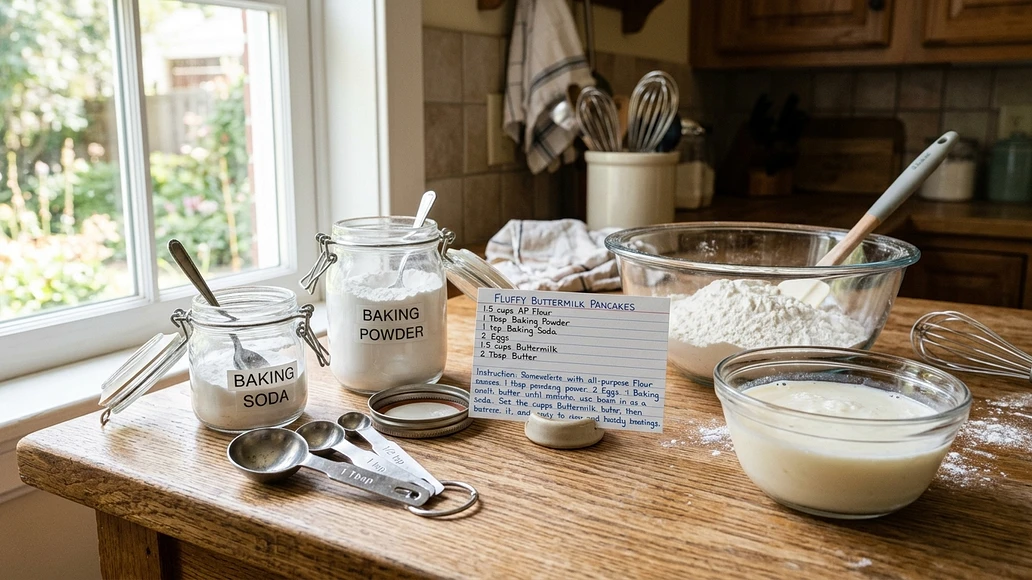
Baking soda is pure sodium bicarbonate. It needs an acid to react properly. In baking, that acid may come from buttermilk, yogurt, lemon juice, vinegar, natural cocoa, molasses, or brown sugar. When baking soda meets acid and moisture, it releases carbon dioxide gas, which helps batter rise.
Baking powder already contains baking soda plus powdered acids and usually a little starch. Because it carries its own acid, it can create lift even when the recipe does not contain much acidic ingredient.
Many baking powders sold in the United States are double acting. That means they release some gas when mixed with liquid and more gas when heated in the oven. This matters because the timing of the rise can change the shape and crumb of your finished bake.
| Leavener | What it contains | Needs added acid in recipe? | When it releases gas | Best suited for | Common risk if misused |
|---|---|---|---|---|---|
| Baking soda | Sodium bicarbonate | Yes | Mostly as soon as it meets acid and moisture | Recipes with buttermilk, yogurt, vinegar, lemon juice, cocoa, molasses | Soapy taste, excess browning, poor rise if acid balance is wrong |
| Baking powder | Baking soda, acid salts, starch | No, though recipe balance still matters | Some during mixing, more during baking if double acting | Batters with little acid, pancakes, muffins, simple cakes | Metallic taste, collapse, pale color, coarse crumb if overused |
Can baking powder replace baking soda?
Yes, sometimes. No, not perfectly.
The swap is most realistic when the recipe is fairly simple and does not depend heavily on baking soda for flavor, browning, or controlling acidity. Pancakes, basic muffins, some drop cookies, and straightforward quick breads are usually the best candidates.
The swap is riskier when the recipe is delicate, tall, highly acidic, or very precisely balanced. In those cases, the wrong leavener can produce a dense center, tunneling, collapse, odd flavor, or poor color.
Think of baking powder as a workable backup, not a clone.
The practical ratio to use
The most widely used emergency ratio is:
1 teaspoon baking soda = 3 teaspoons baking powder
You may also see 2 to 4 teaspoons of baking powder suggested for every 1 teaspoon of baking soda. That range exists because recipes differ in acidity, density, pan size, and desired rise. For most home bakers, 3 to 1 is the safest starting point.
| If the recipe calls for | Emergency substitute | What to watch for |
|---|---|---|
| 1/4 teaspoon baking soda | 3/4 teaspoon baking powder | Slightly less browning, a little more volume |
| 1/2 teaspoon baking soda | 1 1/2 teaspoons baking powder | May need a small reduction in acidic ingredients |
| 1 teaspoon baking soda | 3 teaspoons baking powder | Most common swap, can increase sodium and leave a metallic note if recipe is delicate |
| 1 teaspoon baking powder | About 1/4 teaspoon baking soda plus 1/2 teaspoon acid such as cream of tartar or lemon juice | More error-prone than the powder-for-soda swap |
How to make the swap step by step
- Read the full ingredient list first. Look for acids such as buttermilk, yogurt, sour cream, vinegar, lemon juice, molasses, natural cocoa, or brown sugar.
- Replace the baking soda with baking powder at 3 to 1. If the recipe needs 1 teaspoon baking soda, use 3 teaspoons baking powder.
- Consider reducing strong acidic ingredients slightly. If the batter already contains a lot of acid, the finished flavor can become too tangy or the structure can shift. Do not remove all acid blindly, but consider small reductions in added lemon juice, vinegar, or buttermilk if the recipe has several acidic components.
- Watch batter thickness. Baking powder contains starch, which can absorb a little moisture. If the batter seems noticeably thicker than expected, add a very small amount of liquid, usually 1 to 2 teaspoons at a time.
- Mix and bake promptly. Since baking powder begins working once moistened, do not let the batter sit around longer than necessary.
- Adjust expectations. Even a successful swap may give you a slightly different crumb, spread, or color than the original recipe intended.
How acid changes the outcome
This is where most substitution advice gets too simple. Baking soda does more than make bubbles. It also neutralizes acid. That affects taste, color, and browning.
If a recipe was designed around baking soda, it may rely on that soda to tame the sharpness of buttermilk, yogurt, or vinegar. When you switch to baking powder, you are adding a leavener that already contains acid instead of one that neutralizes the recipe's existing acid. The result can be a tangier flavor, a paler crust, and a different crumb.
That does not mean every acidic ingredient must be cut. It means you should be cautious in recipes with a lot of acid. A pancake batter with a little buttermilk may still work fine. A strongly acidic chocolate cake or lemon loaf is more likely to drift off target.
What changes in texture, rise, and flavor
When baking powder replaces baking soda, the finished bake often behaves differently in a few predictable ways.
| Change | Why it happens | What you may notice |
|---|---|---|
| Less browning | Baking soda raises pH more strongly, which encourages browning | Paler cookies, lighter crust, less deep color |
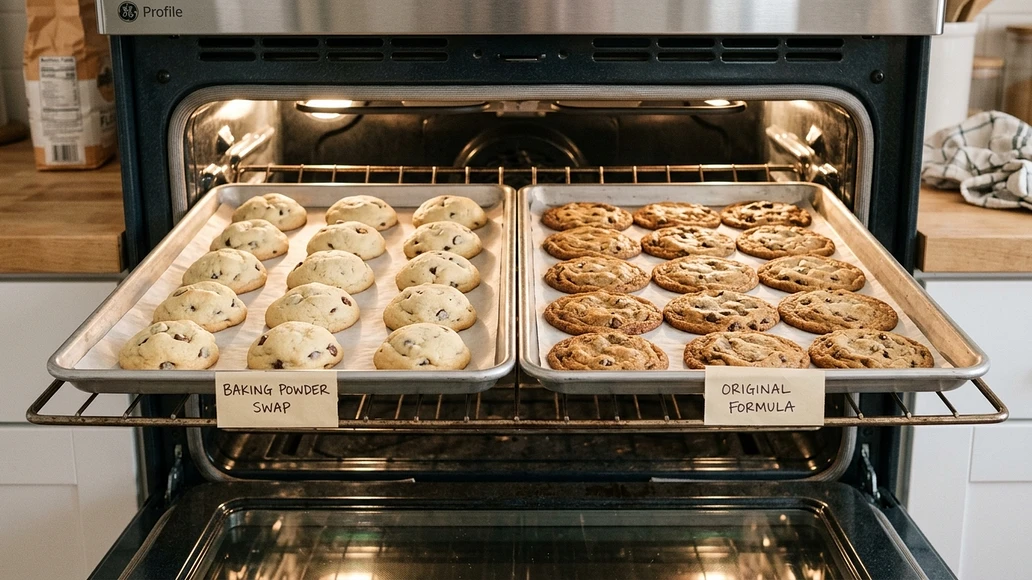
| Different spread | Leavening timing changes, especially in cookies | Cookies may puff more and spread less |
| Softer or cakier crumb | Powder can create a more even, cake-like lift | Drop cookies may lose chew, muffins may become fluffier |
| Tangier flavor | Original acid may not be neutralized as fully | More noticeable buttermilk or yogurt taste |
| Metallic or bitter note | Too much baking powder can leave off flavors | Harsh aftertaste, especially in delicate cakes |
| Collapse or coarse tunnels | Over-leavening can inflate batter too fast | Sunken center, uneven crumb |
When this substitution is usually fine, risky, or a bad idea
| Recipe type | Swap with care? | Risk level | Notes |
|---|---|---|---|
| Pancakes and waffles | Yes | Low to moderate | Often forgiving, especially if batter is not highly acidic |
| Basic muffins | Yes | Low to moderate | Usually workable, though flavor and dome shape may change |
| Simple quick breads | Yes | Moderate | Banana bread and similar loaves often survive the swap, but crumb may be denser or more cake-like |
| Drop cookies | Sometimes | Moderate | Expect less spread and a puffier texture |
| Dense loaf cakes | Sometimes | Moderate to high | Can work, but too much powder may create a coarse crumb |
| Tall layer cakes | Rarely ideal | High | Structure is more sensitive, so rise and collapse become bigger risks |
| Delicate sponge cakes | No | Very high | These rely on precise aeration and balance |
| Angel food cake, macarons, egg-foam desserts | No | Very high | Do not improvise here if you want reliable results |
| Yeast breads | No | Very high | Chemical leaveners do not replace yeast in a true yeast dough |
Recipes where you should not try to force the swap
Some bakes are simply too sensitive for a casual substitution. Skip the swap and wait until you have the correct ingredient if you are making angel food cake, genoise, chiffon cake, macarons, popovers, or any recipe where the rise depends on whipped egg structure or very exact chemistry.
You should also be cautious with recipes that use baking soda for a specific browning effect or to balance a large amount of acid. Gingerbread, some chocolate cakes, and strongly tangy quick breads can taste noticeably off if the chemistry changes too much.
What if you only have baking soda and need baking powder?
Going the other direction is possible, but it is trickier because baking soda needs a matching acid. A common emergency stand-in for 1 teaspoon baking powder is:
1/4 teaspoon baking soda plus 1/2 teaspoon cream of tartar
If you do not have cream of tartar, another acidic ingredient such as lemon juice or vinegar can sometimes help, but then you are also changing the liquid and flavor of the recipe. That is why replacing baking powder with baking soda is usually less convenient than replacing baking soda with baking powder.
Freshness matters more than many people realize
Sometimes the problem is not the substitution. It is stale leavener. Baking powder and baking soda lose reliability over time, especially if stored in humid conditions or near heat.
| Ingredient | Quick freshness test | What a good result looks like | Storage tip |
|---|---|---|---|
| Baking powder | Stir 1/2 teaspoon into warm water | It should bubble vigorously right away | Keep tightly sealed in a cool, dry cabinet |
| Baking soda | Add 1/4 teaspoon to vinegar or lemon juice | It should fizz immediately | Keep sealed and dry, away from strong odors and moisture |
For preparedness-minded households, it makes sense to rotate both items regularly instead of buying one giant container and forgetting it in the back of the pantry.
Preparedness pantry planning for home bakers
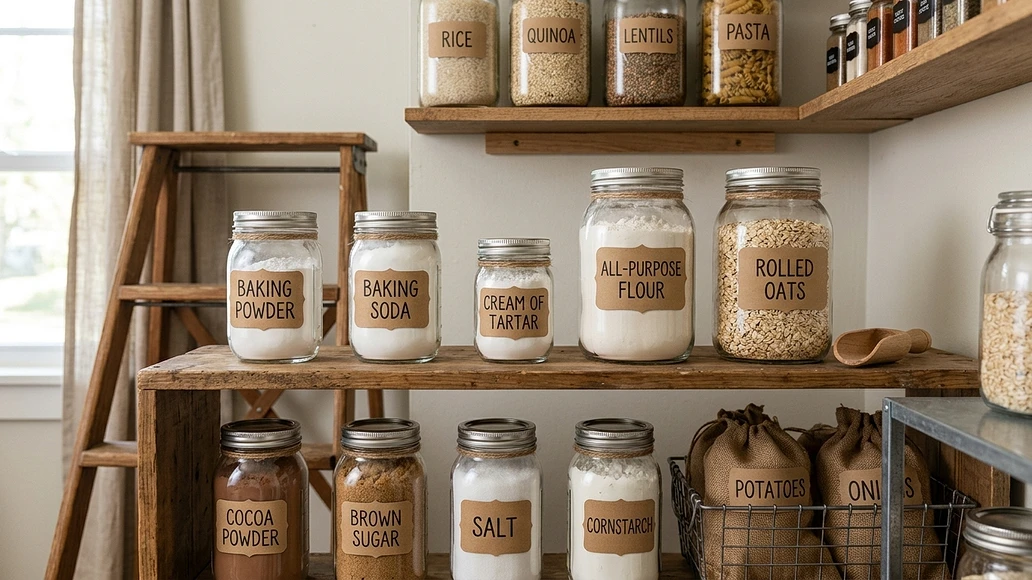
If you bake even occasionally, keeping both leaveners on hand is easier than trying to rescue recipes at the last minute. They are inexpensive, shelf-stable when stored properly, and useful beyond baking.
| Pantry item | Why keep it | Typical home uses | Storage note |
|---|---|---|---|
| Baking soda | Useful in recipes and around the house | Baking, deodorizing, light cleaning, emergency odor control | Store dry and rotate for best potency |
| Baking powder | Needed for many cakes, biscuits, pancakes, and muffins | Baking only, mostly as a leavener | Keep tightly closed, avoid humidity |
| Cream of tartar | Helpful backup for making homemade baking powder blends | Leavening support, stabilizing egg whites | Small jar lasts a long time if kept dry |
A practical household that bakes regularly can justify keeping at least one fresh container of each, plus a small backup. If you store extras, date them and rotate into normal use.
Last-resort alternatives when you have neither one
If you are completely out of both baking soda and baking powder, there are a few emergency options. None are perfect replacements, but some can help depending on the recipe.
| Alternative | Best use | How it helps | Main limitation |
|---|---|---|---|
| Self-rising flour | Biscuits, pancakes, simple quick breads | Already contains baking powder and salt | You must adjust flour, salt, and sometimes liquid |
| Whipped egg whites | Sponge-style batters, pancakes | Adds air mechanically | Does not replace the full chemical effect in most recipes |
| Club soda | Pancakes, light batters | Adds carbonation and moisture | Weak substitute, works best only in simple batters |
| Yeast | Some dough-based recipes | Can provide lift over time | Changes texture, flavor, and timing completely |
| Potassium bicarbonate | Special low-sodium baking needs | Acts similarly to baking soda | Needs acid and may not be stocked in most kitchens |
These options can ease the problem, but they do not fully recreate the original formula. If the recipe is important, it is usually better to wait and bake it correctly.
Troubleshooting a bake that already went wrong
If you already mixed or baked with the wrong leavener, the result may still be edible. Here is what the symptoms usually mean.
| Problem | Likely cause | What to do next time | Can this batch be salvaged? |
|---|---|---|---|
| Dense, heavy crumb | Too little effective leavening or stale product | Check freshness, use proper ratio, bake promptly | Usually edible, good for toasting or turning into crumbs |
| Sunken center | Too much baking powder or weak structure | Reduce substitution amount slightly, avoid delicate recipes | Often edible, serve as snack cake |
| Metallic or bitter taste | Too much baking powder | Use 3 to 1 ratio conservatively, avoid overfilling teaspoons | Sometimes not worth serving if flavor is strong |
| Pale color | Less alkaline batter | Expect this when replacing soda with powder | Usually fine to eat |
| Too tangy | Acid was not balanced | Reduce strong acidic ingredients slightly next time | Often edible, especially with toppings |
Health and sodium considerations
For most healthy people, the small amounts of baking soda or baking powder used in normal baking are not a toxicity issue. The bigger practical concern is sodium, especially if you are increasing the amount of baking powder to replace baking soda.
Because the common swap uses about three times as much baking powder by volume, the sodium contribution can change. The exact amount varies by brand, but it can matter for people managing hypertension, heart disease, kidney disease, or a medically prescribed low-sodium diet.
If you or someone in your household has sodium restrictions, treat baking substitutions as part of the total diet picture, not as an isolated kitchen trick. A clinician or registered dietitian can give more useful guidance than a generic baking chart.
Also important, baking soda is not a harmless home remedy just because it is common in kitchens. Do not intentionally ingest large amounts of baking soda or baking powder. If someone has swallowed a large quantity and has symptoms such as vomiting, confusion, muscle twitching, or trouble breathing, contact poison control or emergency services right away.
How strong is the evidence behind common baking advice?
| Claim | Evidence strength | Practical takeaway |
|---|---|---|
| Baking soda and baking powder should not be swapped 1 to 1 | Well supported | Always convert, do not match teaspoon for teaspoon |
| 1 teaspoon baking soda can often be replaced by 3 teaspoons baking powder | Well supported | Best emergency rule of thumb for home bakers |
| Baking soda needs acid, baking powder carries its own acid | Well supported | Check the rest of the ingredient list before swapping |
| Substitution works best in simple batters and quick breads | General guidance | Expect better results in forgiving recipes |
| Too much baking powder can cause bitterness or collapse | Well supported | Measure carefully and avoid overcompensating |
| Acid and liquid may need slight adjustment during substitution | General guidance | Use judgment, especially in highly acidic batters |
| Triple baking powder can matter for sodium-sensitive diets | General guidance | Worth noting for medically restricted diets |
Quick reference for choosing the right leavener
| If your recipe has... | Usually favors | Reason |
|---|---|---|
| Buttermilk, yogurt, vinegar, lemon juice, molasses, natural cocoa | Baking soda | These ingredients provide acid for soda to react with |
| Little or no acidic ingredient | Baking powder | Powder supplies its own acid |
| Very delicate structure | Exact original leavener | These recipes are less forgiving of changes |
| Simple batter and you need an emergency fix | Either, with proper conversion | Forgiving recipes can often tolerate a careful swap |
FAQ
Is it bad to eat something that has too much baking soda in it?
A small mistake in a batch of baked goods is usually more of a flavor and texture problem than a poisoning problem. Food may taste soapy, bitter, or oddly salty. Large intentional ingestion is different and can be dangerous. Do not use baking soda as a self-treatment for stomach issues unless a medical professional has told you to do so.
Will my recipe still work if I forget to adjust acids when using baking powder instead of baking soda?
Sometimes, especially in forgiving batters like pancakes or basic muffins. In more acidic recipes, the flavor may turn too tangy and the crumb may change. If the recipe contains several acidic ingredients, skipping any adjustment raises the risk of a less balanced result.
Can I always use 3 teaspoons of baking powder for 1 teaspoon of baking soda, no matter the recipe?
No. It is the best general emergency rule, but not a universal guarantee. Delicate cakes, highly acidic batters, and recipes that rely on soda for browning or flavor may still fail or taste off even if you use the standard ratio.
Are aluminum-free baking powders safer or just a preference?
For most home bakers, this is mainly a preference issue, not an urgent safety issue. Some people prefer aluminum-free powders because they want to avoid that ingredient or think the flavor is cleaner. If that matters to you, choose an aluminum-free label. If not, standard baking powder is commonly used in normal home baking.
References
- Baking Soda vs. Baking Powder: What's the Difference?
- Difference Between Baking Soda and Baking Powder: Clear Uses, Substitutions, and Baking Tips
- Baking Powder Instead of Baking Soda: When & How to Substitute Safely
- Can I substitute baking powder for baking soda in a recipe?
- Difference Between Baking Powder and Baking Soda
- Are Baking Soda and Baking Powder the Same?