Nest Box Timing for Safer Backyard Eggs
Learn how long eggs can reasonably remain in the coop, when weather changes the rules, and how to collect, store, and use backyard eggs with less risk.

If you keep chickens, there will be days when you cannot grab every egg the moment it is laid. The real question is not just whether an egg can sit in the nest box, but how temperature, moisture, shell condition, and flock hygiene affect whether it is still worth keeping. In general, collecting eggs at least once a day is the best practice. In hot weather, damp conditions, or larger flocks, twice daily is better. Eggs may remain usable for several days in a clean, cool, dry coop, but safety and quality both decline as time passes.
A practical rule for most backyard keepers is this: in mild, clean conditions, eggs left in the coop for up to about 7 to 10 days may still be usable if the shells are intact and the eggs pass inspection. That said, earlier collection is safer, especially for households with children, pregnant people, older adults, or anyone with a weakened immune system. If eggs have sat through high heat, freezing, heavy humidity, or obvious contamination, the safe window becomes much shorter.
Important: This article offers general backyard egg safety guidance only. It does not replace advice from your doctor, veterinarian, extension service, or local health authority. Follow national and local food safety rules, especially during disease outbreaks.
Why timing matters after an egg is laid
A fresh egg leaves the hen with a natural protective coating called the bloom, also known as the cuticle. That coating helps slow moisture loss and reduces the movement of bacteria through the shell. In a clean nest box, this gives the egg some natural protection. But the bloom is not magic. Manure, mud, standing moisture, shell cracks, rodents, wild birds, and extreme temperatures all work against it.
The longer an egg stays in the coop, the more likely it is to be stepped on, pecked, soiled, chilled to the point of cracking, or warmed enough to speed quality loss and bacterial growth. Even when an egg still looks fine, time in the nest box can reduce freshness, weaken the white, enlarge the air cell, and make the egg less suitable for longer storage later.
Reasonable coop timelines in normal weather
For a clean, sheltered coop in cool to moderate weather, many backyard keepers find that eggs can remain edible for several days. A cautious evidence-informed range is up to 7 to 10 days in cool, dry conditions, with strong caveats. That is not the same as best practice. Best practice is still daily collection, because every extra day adds risk.
Think of 7 to 10 days as a possible outer limit in favorable conditions, not a target. If you know exactly when the egg was laid, the nest boxes are clean, and the shells are dry and uncracked, you may choose to keep those eggs for fully cooked uses. If you are unsure how long they sat, or the coop conditions were poor, it is smarter to discard them.
| Condition | Approximate time in coop | Quality change | Main caution |
|---|---|---|---|
| Cool, dry, clean nest box | Up to about 7 to 10 days | Gradual freshness loss | Still safer to collect daily |
| Mild weather, average backyard coop | 1 to 3 days preferred | Usually minor if shells stay clean | Risk rises with dirt and handling |
| Hot or humid weather | Same day, ideally within hours | Faster quality decline | Bacterial growth risk increases |
| Freezing weather | Collect promptly | Possible freeze damage | Cracks can make eggs unsafe |
| Damp, dirty, pest-exposed nest box | Do not rely on time alone | Contamination risk may be high quickly | Discard questionable eggs |
How heat, cold, and humidity change the answer
Summer heat
Heat is the biggest reason not to stretch coop time. Warm eggs held in a hot nest box lose quality faster, and high temperatures can support bacterial growth if contamination is present. During summer, once-daily collection may be enough for a tiny flock in mild weather, but twice-daily collection is a better routine in true heat. During a heat wave, collect as early as possible and again later in the day.
Winter cold
Cold weather creates a different problem. Eggs can freeze, and frozen eggs often crack. Even a hairline crack matters because it can allow contamination through the shell. If an egg froze solid in the nest box or thawed after cracking, it is safest to discard it. If you catch an egg before it cracks and refrigerate it promptly, quality may still be reduced.
Humidity and damp coops
Moisture makes everything worse. Wet bedding, poor ventilation, and muddy nest boxes increase shell contamination and can damage the bloom. In a damp coop, an egg that might have been acceptable in dry weather becomes a much weaker bet. Humid conditions call for more frequent collection and stricter sorting.
Collection schedules by season and flock size
The right routine depends on both weather and how many hens are laying. More hens usually means more traffic in the nest boxes, more broken shells, and more manure exposure.
| Season or climate | Small flock, about 3 to 6 hens | Medium flock, about 7 to 15 hens | Notes |
|---|---|---|---|
| Cool and dry | At least once daily | Once daily, twice if boxes get crowded | Morning collection often works well |
| Mild spring or fall | Once daily preferred | Once or twice daily | Check for mud during rainy periods |
| Hot summer | Twice daily | Twice daily, sometimes more | Prioritize midday heat protection |
| Freezing winter | At least once daily, early enough to prevent freezing | Twice daily if eggs are freezing | Watch for hairline cracks |
| Damp or dirty conditions | Increase checks | Increase checks | Fix bedding and sanitation problems quickly |
Fertile eggs, broody hens, and hidden nest problems
Fertile eggs are not automatically unsafe, but they do need more attention if a broody hen has been sitting on them. Warmth from a broody hen can start early development if the conditions are right, and that changes the usability of the egg for eating. If you find eggs that have been sat on for several days and you are not sure when laying began, it is best to be cautious and discard them.
Non-fertile eggs still face the same contamination and temperature risks as any other egg. The main difference is that fertile eggs under a broody hen may change internally in ways that are not obvious from the shell alone. If you keep roosters, check nests more often and mark or separate eggs intended for hatching from eggs intended for the kitchen.
How to tell when a coop egg is no longer worth keeping
Time is only one factor. Condition matters just as much. An egg collected after two days in a clean box may be a better choice than an egg collected after six hours in a filthy, wet nest.
| Egg condition | Recommended action | Why |
|---|---|---|
| Clean shell, intact, dry | Keep | Lowest risk among backyard eggs |
| Light dirt only | Keep if shell is intact, clean carefully only if needed | Bloom may still protect the egg |
| Hairline crack or obvious crack | Discard | Shell barrier is compromised |
| Heavy manure, mud, slime, or mold | Discard | High contamination risk |
| Rodent damage or peck marks | Discard | Pathogen exposure is too uncertain |
| Bad odor at shell or after cracking | Discard immediately | Strong spoilage warning |
| Frozen and cracked | Discard | Freeze damage can open the shell to contamination |
Freshness checks for eggs collected late
If you collected eggs later than you wanted, freshness checks can help you sort them, but they do not guarantee safety. Use them as screening tools, not as permission to ignore obvious red flags.
Float test
Place the egg in a bowl of cool water. A very fresh egg usually sinks and lies flatter. An older egg often stands upright or floats because the air cell inside has grown. Floating suggests age and possible quality loss, but it is not a perfect spoilage test. A floating egg should be treated cautiously and is often best discarded if its history is uncertain.
Candling
Shining a bright light through the shell in a dark room can reveal a large air cell, internal shadows, or unusual contents. This is more useful if you have some practice. It can help identify eggs that are older or possibly developing under a broody hen.
Sound and smell
If an egg sloshes noticeably when gently moved, it is older. Once cracked open, any sulfurous, rotten, or otherwise off smell means discard it immediately. Smell is one of the strongest practical warnings.

Bloom, washing, and why coop time affects later storage
Unwashed eggs keep their bloom, which helps them last longer after collection. That is why many backyard keepers store clean, unwashed eggs differently from washed eggs. But the bloom only helps if the shell is intact and reasonably clean. If an egg sat in a dirty nest box for too long, keeping it unwashed does not erase the contamination risk.
If an egg is visibly dirty but otherwise worth keeping, dry cleaning with a brush or cloth is often preferred over washing. If washing is necessary, use water warmer than the egg, avoid soaking, and dry the egg promptly. Once washed, refrigerate it promptly because the protective bloom has been reduced or removed.
From coop to kitchen, storage timelines that make sense
After collection, storage rules change based on whether the egg is washed and whether you refrigerate it. In the United States, refrigeration is the cautious default, especially for washed eggs and for households with vulnerable members.
| Storage situation | Approximate time | Best use | Key caution |
|---|---|---|---|
| Unwashed eggs at room temperature | About 2 to 4 weeks | Short-term use in a stable, cool home | Shorter life in warm rooms |
| Unwashed eggs refrigerated | Up to about 3 months | Best for longest routine storage | Store at 40°F or below |
| Washed eggs refrigerated | Often several weeks, quality varies | Use sooner than unwashed refrigerated eggs | Do not leave washed eggs at room temperature |
| Eggs left in hot coop conditions | Use caution, often same day only if clearly sound | Fully cooked dishes only if you choose to keep them | Discard if history is uncertain |
| Traditional lime-water preservation | Several months in some homestead systems | Preparedness storage | Method is less standardized, use only well-researched procedures |
Coop and nest box setup that lowers egg risk
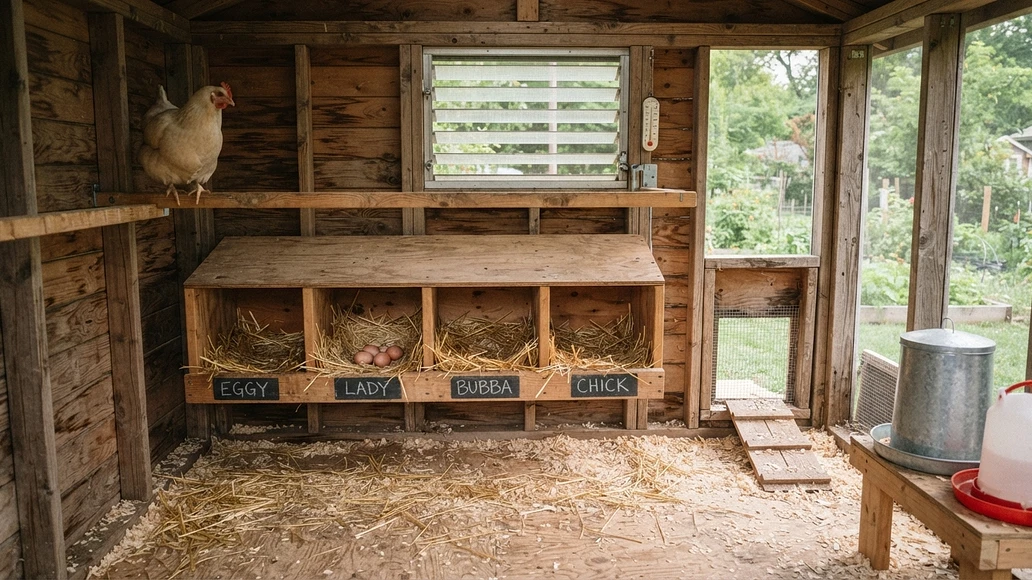
Good egg safety starts before collection. A cleaner nest means cleaner shells and fewer judgment calls later. Nest boxes should stay dry, shaded, and well bedded. Replace soiled bedding promptly. Make sure hens have enough nest space so they are not crowding and breaking eggs. Good ventilation helps reduce dampness, but avoid drafts that create winter freezing problems.
Rodent control and wild bird exclusion matter too. Pests can contaminate feed, bedding, and shells. If you regularly find droppings in nest boxes, the problem is not just cosmetic. It is a food safety issue.
Biosecurity and sanitation for backyard egg handling
Backyard eggs can be safe to eat, but only if your handling habits are solid. Wash hands after collecting eggs and after touching birds, litter, or manure. Clean baskets, aprons, and counters used for egg handling. Keep nest boxes free of accumulated droppings. Limit wild bird access to feed and water. During regional disease outbreaks, be extra careful about footwear, visitors, and equipment moving between flocks.
Recent bird flu concerns are a reminder that hygiene and thorough cooking matter. Proper cooking greatly reduces risk. Raw or lightly cooked eggs are a poor choice when flock health is uncertain or when anyone in the household is medically vulnerable.
Extra caution for vulnerable household members
Pregnant people, young children, older adults, and immunocompromised people should handle backyard eggs more conservatively. For these households, the safest routine is daily collection, prompt refrigeration, and thorough cooking. Avoid raw batter, runny eggs, homemade raw-egg dressings, and any dish that leaves eggs undercooked.
| Group | Collection and storage approach | Cooking guidance | Risk note |
|---|---|---|---|
| Healthy adults | Daily collection, refrigerate for best safety | Cook thoroughly when egg history is uncertain | Moderate caution still needed |
| Pregnant people | Collect daily, refrigerate promptly | Avoid raw or undercooked eggs | Use the most conservative handling |
| Young children | Use only well-handled eggs | Serve fully cooked eggs | Higher vulnerability to foodborne illness |
| Older adults | Prefer fresh, refrigerated eggs | Cook thoroughly | Lower margin for risk |
| Immunocompromised people | Strictest handling and storage | No raw or lightly cooked eggs | Consult a clinician if unsure |
Preparedness planning when you are away or the power is out
If you will be away for a weekend, the safest plan is to have someone collect eggs daily. If that is not possible, your fallback depends on season. In cool, dry weather, eggs may still be usable after a short absence if the coop is clean and the shells are intact. In summer heat, that margin shrinks fast. A weekend of high temperatures can turn a manageable situation into a discard pile.
During a power outage, prioritize eggs that were already refrigerated and keep the refrigerator closed as much as possible. For newly collected eggs, unwashed and clean eggs may hold better than washed eggs, but room temperature storage should still be as cool and stable as possible. Label dates, separate questionable eggs, and use the oldest sound eggs first in fully cooked dishes.
Traditional long-term storage options and their limits
Preparedness-minded households sometimes use lime-water storage, often called water glassing, to preserve clean, unwashed eggs for months. This is a traditional method, not a mainstream modern food safety standard. It can work when done correctly with very fresh eggs that still have their bloom, but it is less standardized than refrigeration. If you explore it, use a trusted process, start with the cleanest eggs possible, and do not use cracked or washed eggs.
For many households, the simpler and safer long-term plan is just better rotation. Collect daily, refrigerate promptly, date cartons, and cook older eggs first.
Common mistakes that shorten egg life
Many egg problems come from routine habits rather than bad luck. Leaving eggs in nest boxes during heat waves, assuming a clean-looking shell means the egg is safe, washing every egg automatically, storing washed eggs on the counter, and ignoring rodent activity all increase risk. Another common mistake is treating the float test like a guarantee. It is only one clue.
One more myth worth dropping is that backyard eggs are automatically safer because they are fresh. Freshness helps quality, but safety still depends on shell integrity, cleanliness, temperature control, and cooking.

When to discard eggs and focus on flock health
Discard eggs if they are cracked, slimy, moldy, foul-smelling, pest-damaged, heavily soiled, or of uncertain age after extreme weather. Also step back and look at the flock. A sudden drop in laying, repeated shell defects, lethargy, respiratory signs, or unexplained deaths should shift your attention from saving eggs to checking bird health and biosecurity.
If multiple people in your home become sick with vomiting, diarrhea, or fever after eating backyard eggs, contact a clinician. If there is a known Salmonella or avian influenza issue in your area, follow state agriculture and public health guidance. When in doubt, throw the egg out.
FAQ
Can I leave eggs in the coop while I am on a weekend trip?
It is better to arrange daily collection. In cool, dry weather, some eggs may still be usable after a short trip if the coop is clean and the shells are intact. In hot weather, that is much riskier, and eggs may need to be discarded.
What should I do with eggs that froze in the nest box?
If the shell cracked during freezing or thawing, discard the egg. If it froze without cracking and you caught it quickly, quality may still be reduced. Use caution and refrigerate promptly, but many keepers choose to discard frozen eggs because hidden shell damage is easy to miss.
Are eggs still safe if a hen has been sitting on them for a few days?
Maybe, but caution is warranted, especially if the eggs are fertile. A broody hen can warm eggs enough to start development. If you are unsure how long she sat on them, it is safest not to eat them.
Is it okay to eat backyard eggs that were laid but not collected during a heat wave?
That is one of the riskiest situations. If eggs sat through intense heat, especially for more than a few hours, many keepers would discard them. If you choose to keep any, only keep clean, intact eggs with known history and use them fully cooked. Vulnerable household members should avoid them.
Do I have to wash every egg I collect from the coop?
No. Clean, dry eggs are often best left unwashed until use so the bloom stays intact. If an egg is dirty enough to need washing, wash it carefully and refrigerate it promptly afterward.
References
- How Long Do Farm-Fresh Eggs Last In The Refrigerator
- How to Clean and Store Fresh Eggs
- How Long Do Farm Fresh Eggs Last and How to Store
- Buying Backyard Eggs: Safety Tips and Storage Guide
- How to Keep Eggs Clean, From Coop to Kitchen
- Are Backyard Chicken Eggs Safe to Eat?
- How Long Do Eggs Last, Facts About Farm Fresh Eggs