Armored Vehicle Pricing in Plain English, What You Pay and What You Get
Thinking about an armored car? This guide breaks down realistic US price ranges, protection levels, hidden ownership costs, legal issues, and safer alternatives so you can judge whether the expense makes sense.

People often say they want to “bulletproof” a car, but that phrase hides the real question. What level of protection are you trying to buy, what threats are you planning for, and what compromises are you willing to accept in weight, handling, maintenance, and price? As of the mid-2020s, professional vehicle armoring in the US usually starts in the tens of thousands of dollars and can climb into six figures fast, especially once rifle protection, larger vehicles, and premium options enter the picture.
This article gives a practical overview, not a build guide. For meaningful protection, you need a reputable armoring company, documented ballistic testing, and legal and insurance review before spending serious money.
What armoring a car actually means
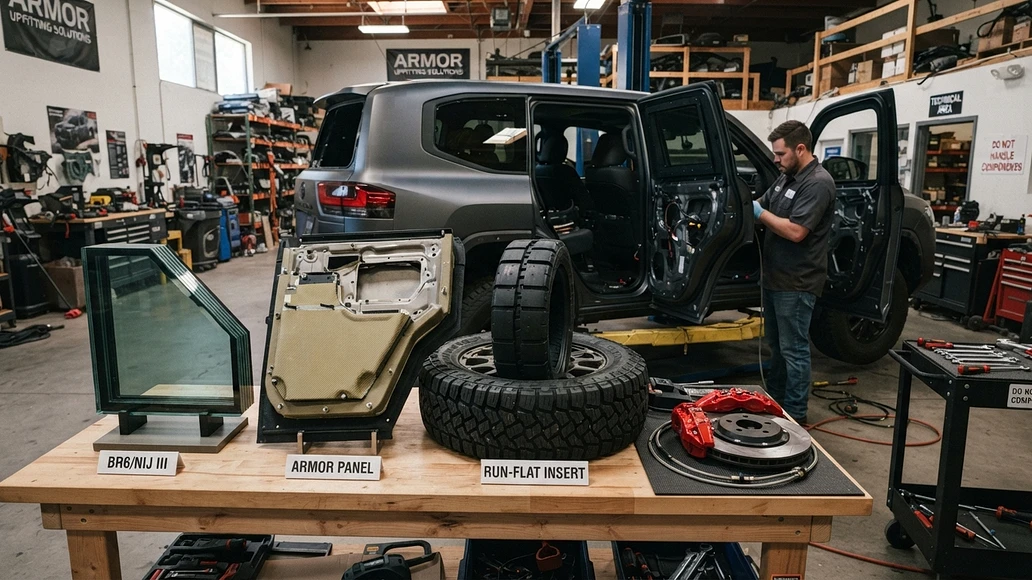
Very few civilian vehicles are truly “bulletproof” in the literal sense. The more accurate term is bullet resistant or ballistically rated. A proper armored vehicle is a system, not just thick windows. It usually combines transparent armor in the windshield and side glass, opaque armor in the doors and body panels, overlap protection around seams, reinforced pillars, upgraded suspension and brakes, and often run-flat capability so the vehicle can keep moving after tire damage.
The exact package depends on the threat level. A build intended to resist common handgun rounds is very different from one designed for rifle threats. That difference is why prices vary so widely.
Main parts that drive the cost
| Component | What it does | Typical cost effect |
|---|---|---|
| Ballistic glass | Protects occupants through windshield and windows | Usually one of the largest line items |
| Armor panels | Protect doors, pillars, firewall, rear quarter panels, roof, and other body areas | Large cost increase as coverage and rating rise |
| Run-flat system | Lets the vehicle continue moving after tire damage for a limited distance | Adds several thousand dollars |
| Suspension and brake upgrades | Helps manage added weight and preserve safe stopping | Often necessary, not optional, on serious builds |
| Structural reinforcement | Supports heavier glass and armor, helps maintain integrity | Can materially raise labor and engineering cost |
| Optional systems | Fire suppression, sirens, intercoms, tracking, emergency lighting, oxygen, smoke systems | Can add from modest to very expensive extras |
How much an armored car usually costs in the US
For many civilian buyers, the most useful distinction is between retrofit cost only and total vehicle cost. Retrofit cost is what you pay to armor a vehicle you already own or separately purchase. Total cost includes the base vehicle itself.
A realistic broad range for professional retrofit work is about $30,000 to $100,000+ for many mainstream projects. Once you move into full rifle-resistant packages, large SUVs, luxury platforms, or extensive custom work, the numbers can rise well beyond that. A complete factory armored luxury vehicle can easily land in the $150,000 to $300,000+ range, and some flagship models go far higher.
Typical pricing by protection level and vehicle type
| Protection level | Typical threat focus | Added weight estimate | Approx retrofit range for sedan | Approx retrofit range for SUV |
|---|---|---|---|---|
| Lower handgun-oriented protection, often compared with B4 style builds | Common handgun threats | Roughly 800 to 1,200 lb | $30,000 to $55,000 | $40,000 to $70,000 |
| Mid to higher protection, often compared with B6 style builds | Higher-risk handgun and some rifle-oriented scenarios depending on exact certification | Roughly 1,200 to 1,800 lb | $55,000 to $90,000 | $70,000 to $120,000 |
| High rifle-resistant protection, often compared with B7 style builds | Serious rifle threats | Roughly 1,800 to 2,200 lb or more | $90,000 to $150,000+ | $110,000 to $200,000+ |
These are ballpark figures, not quotes. The actual price depends on the vehicle platform, how much of the cabin is armored, the certification standard used, labor rates, and whether the mechanical systems need major upgrades.
Total cost including the base vehicle
| Scenario | Base vehicle example | Armoring cost | Estimated total |
|---|---|---|---|
| Basic handgun-resistant mid-size sedan | Used or modest new sedan | $30,000 to $55,000 | Often $50,000 to $90,000 total |
| Rifle-resistant SUV for elevated risk | Newer body-on-frame or large crossover SUV | $70,000 to $150,000+ | Often $120,000 to $250,000+ total |
| Factory armored luxury sedan | Premium executive model | Built into purchase price | Often $150,000 to $300,000+, with top-tier models much higher |
Protection levels explained without the jargon overload
Different companies reference different standards, including NIJ, UL 752, EN 1063, VPAM, and the common civilian shorthand of B4, B6, and B7. The important point is not the label alone. It is whether the company can show documented testing for the exact materials and installation method used on your vehicle.
In simple terms, lower levels are aimed at handgun threats, while higher levels are built around rifle threats. As protection rises, cost and weight rise with it.
| Common shorthand | General threat category | What buyers should understand |
|---|---|---|
| B4 | Handgun-focused protection | Often chosen when the concern is common street crime rather than organized rifle threats |
| B6 | Higher protection, commonly associated with serious security use | Frequently discussed for elevated-risk travel where rifle resistance matters |
| B7 | High rifle-resistant protection | Usually much heavier and more expensive, with bigger effects on performance and maintenance |
Do not buy based on marketing language alone. “Bulletproof” without a standard, test report, or certification is not enough.
Where the money goes
Most buyers are surprised by how much of the budget is consumed by transparent armor and the labor needed to integrate it safely. Heavy glass changes door operation, hinge loads, window mechanisms, and crash behavior. The body armor itself is only part of the bill.
| Component | Typical price range | Performance impact |
|---|---|---|
| Ballistic glass package | $10,000 to $50,000+ per vehicle | Adds major weight high on the vehicle, can slow windows or require fixed panes |
| Body armor panels and overlap protection | $15,000 to $60,000+ | Raises curb weight and can affect payload, acceleration, and handling |
| Run-flat tires or inserts | $3,000 to $10,000+ | Improves mobility after tire damage, can increase ride harshness and replacement cost |
| Suspension, brake, and sometimes cooling upgrades | $5,000 to $20,000+ | Critical for safe braking and control under added mass |
| Optional extras | $2,000 to $25,000+ | Varies widely by system and mission |
Hidden costs many articles skip
| Hidden cost | Why it matters | Likely effect |
|---|---|---|
| Fuel economy | Armor adds substantial weight | Expect noticeably worse mpg |
| Tire wear | Heavier vehicles stress tires more | More frequent replacement, higher tire bills |
| Brake wear | Extra mass increases stopping workload | Shorter service intervals if not upgraded properly |
| Glass replacement | Ballistic glass is specialized and expensive | Damage can mean a very large repair bill |
| Insurance coordination | Modified value and risk profile may change coverage needs | Possible premium or documentation changes |
| Resale | Buyer pool is smaller | May take longer to sell, value can be unpredictable |
Retrofit versus factory armored, which makes more sense?
Retrofitting an existing vehicle can be cheaper upfront if you already own a suitable platform. Factory armored vehicles usually cost more, but they may offer better integration, stronger warranty support, and more confidence that the whole package was engineered from the start.
| Factor | Retrofit | Factory armored |
|---|---|---|
| Upfront cost | Often cheaper if using an existing vehicle | Usually higher purchase price |
| Engineering integration | Depends heavily on the armorer’s skill and the donor vehicle | Often better integrated from the start |
| Warranty | Can be split between automaker and armoring company | May be simpler, though terms vary by maker |
| Lead time | Can be faster or slower depending on shop backlog and parts | Often long for specialty orders |
| Resale | Depends on documentation and reputation of installer | May be easier to market if from a recognized brand |
| Discretion | Can be very discreet if done well | Also discreet, but some models are known security vehicles |
If your current vehicle is older, lightly built, or already near its payload limits, retrofitting may be a poor value. In that case, starting with a platform known to accept armor well can save money and headaches.
Who should consider this, and who probably should not
For most Americans, a fully armored vehicle is not a practical first step. It makes more sense for people with a documented threat profile, high public visibility, work in elevated-risk environments, or regular travel patterns that cannot easily be changed.
If your concern is general crime anxiety rather than a specific risk pattern, you may get more real-world safety from lower-cost measures such as route planning, defensive driving training, secure parking, communication habits, and avoiding predictable routines.
| Situation | Does armoring likely make sense? | Reason |
|---|---|---|
| Executive or public figure with known threats | Possibly yes | Specific risk can justify the cost and tradeoffs |
| Frequent travel in high-risk regions | Possibly yes | Exposure may be regular enough to warrant a dedicated solution |
| Occasional high-risk trip only | Often no | Renting armored transport may be more sensible |
| Average commuter with no specific threat history | Usually no | Cost is high and alternatives often provide better value |
How armoring changes the way a vehicle drives and ages
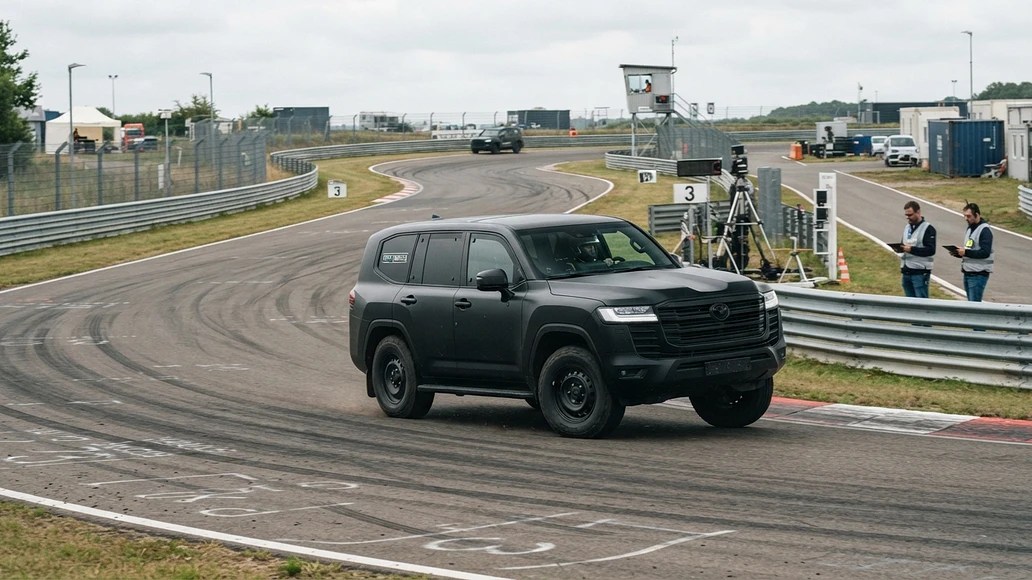
Armor can add roughly 800 to 2,200 pounds or more, depending on level and coverage. That extra mass affects acceleration, braking distance, cornering, suspension life, and fuel consumption. If the build is not engineered correctly, the vehicle can become less safe in a crash, not more.
That is why reputable armorers do more than install heavy materials. They address springs, dampers, brakes, hinges, electrical loads, and sometimes cooling. A bargain build that skips these steps may look protected on paper while driving poorly in the real world.
Legal and insurance issues in the US
There is no blanket federal ban that stops civilians from owning an armored vehicle or ballistic glass in a car. But that does not mean every build is automatically compliant everywhere. State and local rules can affect window tint, inspections, registration, weight classification, and modification disclosures.
Before commissioning work, check with your state DMV and, if needed, a local attorney familiar with vehicle regulations. You should also notify your insurer before and after the modification. Coverage may need to reflect the new value of the vehicle and the specialized parts installed.
| Issue | Why it matters | Best next step |
|---|---|---|
| Window tint limits | Ballistic glass may interact with state visibility rules | Verify legal light transmission requirements before ordering |
| Registration and inspections | Heavier or modified vehicles may trigger extra scrutiny | Ask DMV what documentation is required |
| Insurance disclosure | Undisclosed modifications can create claim problems | Get written confirmation of coverage terms |
| Weight and payload | Overloading a platform can create safety and compliance issues | Confirm the armorer’s engineering and final vehicle specs |
How to choose a reputable armoring company
In this market, documentation matters more than promises. A serious company should be able to explain the standard used, show test evidence, describe how overlaps and weak points are handled, and tell you exactly what mechanical upgrades are included.
| Question | Why it matters | What a good answer looks like |
|---|---|---|
| What ballistic standard does this package meet? | Marketing terms alone are not enough | Specific rating with supporting documentation |
| Can you provide test results for the glass and opaque armor? | Confirms the materials were actually validated | Third-party or documented in-house ballistic testing details |
| What suspension and brake upgrades are included? | Weight without dynamic upgrades is a safety problem | Clear list of matched mechanical changes |
| How are door seams, pillars, and overlaps protected? | Weak points matter as much as panel thickness | Detailed explanation of overlap design and coverage map |
| What warranty and service support do you provide? | Specialized parts need long-term support | Written warranty terms and service process |
| What is the final curb weight and payload impact? | Needed for safe use and legal compliance | Documented before-and-after specifications |
Red flags include prices far below market norms, vague claims of being “fully bulletproof,” refusal to discuss standards, and no written explanation of how the vehicle’s braking and suspension were adapted.
Alternatives if full armoring is too expensive
Full armoring is not the only option. Some people are better served by partial protection or by using armored transport only when needed. Others may not need armor at all if they improve habits and planning.
| Alternative | Best for | Tradeoff |
|---|---|---|
| Partial armoring, such as glass only or passenger cell focus | Buyers with narrower threat concerns and tighter budgets | Lower cost, but protection is incomplete |
| Armored vehicle rental | Occasional high-risk travel | Avoids ownership costs, but not always available locally |
| Professional driver and route planning | People whose risk is more about exposure than direct targeting | Often cheaper and more flexible than buying armor |
| Parking, communications, and routine changes | General personal security improvement | Does not stop bullets, but often reduces avoidable risk |
Why DIY armoring is a bad idea
This is one area where do-it-yourself experimentation can create serious danger. Random steel plates, homemade door inserts, or heavy glass swaps can overload hinges, alter crash behavior, interfere with airbags, and worsen braking. They can also create legal and insurance problems if the vehicle is no longer compliant or safely operable.
General guidance is appropriate. Step-by-step home modification advice is not. If you believe you need ballistic protection, stop at the research stage and talk to a qualified armoring company, your insurer, and the appropriate local authorities.
What to budget after the purchase
The invoice from the armoring company is only the beginning. Ownership costs matter because an armored vehicle is harder on consumables and more expensive to repair.
| Budget item | What to expect | Planning note |
|---|---|---|
| Fuel | Higher ongoing cost from extra weight | Build this into annual operating estimates |
| Tires and brakes | Faster wear, higher replacement cost | Use the armorer’s recommended service schedule |
| Glass damage | Very expensive replacement compared with normal auto glass | Ask about lead times and sourcing before buying |
| Insurance | May require special valuation or endorsements | Get written terms, not verbal assumptions |
| Resale and storage | Niche market, possible longer sale time | Keep all documentation to protect value |
Recent trends buyers should know
Newer armored vehicles are often more discreet than older builds, with lighter composite materials and cleaner integration. At the same time, prices have generally moved upward in the mid-2020s because of materials, labor, and demand. High-end factory armored luxury sedans can now reach price levels that would have seemed extreme a few years ago.
That makes careful threat matching even more important. Buying more protection than you realistically need can cost a fortune while making the vehicle heavier, thirstier, and harder to live with every day.
Bottom line
If you are asking about the cost to bulletproof a car, the honest answer is that meaningful professional protection usually starts around the price of a major vehicle repair or a used car, then climbs rapidly from there. A modest handgun-resistant retrofit may begin around $30,000, while serious rifle-resistant builds and premium factory armored vehicles can push well into six figures.
The smartest approach is to start with risk, not hardware. Define the threat, verify the legal and insurance picture, insist on documented ballistic standards, and compare the full ownership cost against alternatives like partial armoring, rented armored transport, or better security planning. For many people, those alternatives will be the better buy.
References
- How Much Does it Cost to Bulletproof a Car in 2026?
- How Much Does It Cost to Bulletproof a Car? Full Breakdown
- How to choose car bullet proof,How much does it cost to bulletproof a car
- Cost Of Bulletproof Car: Complete Guide To Armored Vehicle Pricing
- कार को बुलेटप्रूफ बनाने के लिए कितना खर्च आता है? जानिए किन पार्ट्स को ...