Low-Tech Farm Wisdom for Modern Self-Reliance
Amish-inspired farming is less about nostalgia and more about resilient systems. Learn how to build soil, rotate crops, preserve food safely, integrate small livestock, and adapt low-input methods to a backyard or homestead.

Many preppers are drawn to Amish agriculture because it appears calm, durable, and less dependent on fragile supply chains. The real lesson is not that Amish farms use old tools. It is that many Amish communities have built practical systems around soil health, local inputs, family labor, repair skills, food preservation, and community cooperation. Those ideas matter whether you live on ten acres, a suburban lot, or a rented property with only a few raised beds.
This article looks at Amish-inspired methods through a preparedness lens, but with modern safety standards and realistic expectations. Some practices, such as crop rotation, composting, diversified gardens, root cellaring, and home canning with tested recipes, are strongly supported and highly adaptable. Others, such as raw milk use, casual meat curing, or heavy reliance on untreated manure, carry real risks and should not be romanticized.
If you want a system that keeps producing during outages, inflation, or supply disruptions, focus on the repeatable habits behind resilient farms. Build soil. Diversify production. Preserve surpluses safely. Reduce dependence on outside inputs. Match labor to your actual capacity.
Why Amish farming matters to preppers
The Amish are not a monolith. Different communities make different choices about technology, machinery, and market farming. Still, many traditional Amish farms share a few patterns that are useful for preparedness. They often rely on mixed production instead of a single crop, use manure and crop residues to feed the soil, preserve food at home, repair tools instead of replacing them, and organize work around family and community rather than constant outside services.
For preppers, that matters because resilience usually comes from systems, not gadgets. A pantry lasts longer when a garden is productive. A garden is more productive when the soil holds water and nutrients. Livestock become more useful when their manure feeds compost and their feed can be partly grown on site. A hand tool is more valuable when you know how to maintain it and when to use it.
That is the deeper takeaway. Amish-style resilience is not a collection of tricks. It is a low-input way of thinking.
The core principles worth copying
Most of the practical value comes from a handful of principles that overlap with modern organic and regenerative agriculture.
| Practice | Common Amish-style approach | Organic or regenerative parallel | Evidence strength | Prepper takeaway |
|---|---|---|---|---|
| Soil fertility | Manure, compost, crop residues, hay, rotations | Compost, cover crops, biological fertility | Strong | Healthy soil reduces dependence on purchased fertilizer and improves drought resilience. |
| Crop diversity | Mixed gardens, grains, forage, orchard crops, livestock | Polyculture, diversified farms | Strong | Diversity spreads risk and reduces total failure from pests or weather. |
| Energy use | Human labor, animal power, simple tools | Reduced fuel use, appropriate technology | Mixed | Use low-tech backups, but do not underestimate labor demands. |
| Food preservation | Canning, drying, fermenting, root cellaring | Home preservation, seasonal storage | Strong when tested methods are used | Preservation turns seasonal abundance into year-round food security. |
| Repair culture | Maintain tools, reuse materials, mend clothing | Durability and circular use | Practical rather than experimental | Preparedness improves when fewer systems depend on constant replacement. |
| Local inputs | Seed saving, manure, local feed, local labor networks | Regional supply chains, farm self-reliance | Strong in concept, variable in results | Reduce outside dependency gradually, not all at once. |
Soil first, because everything else depends on it
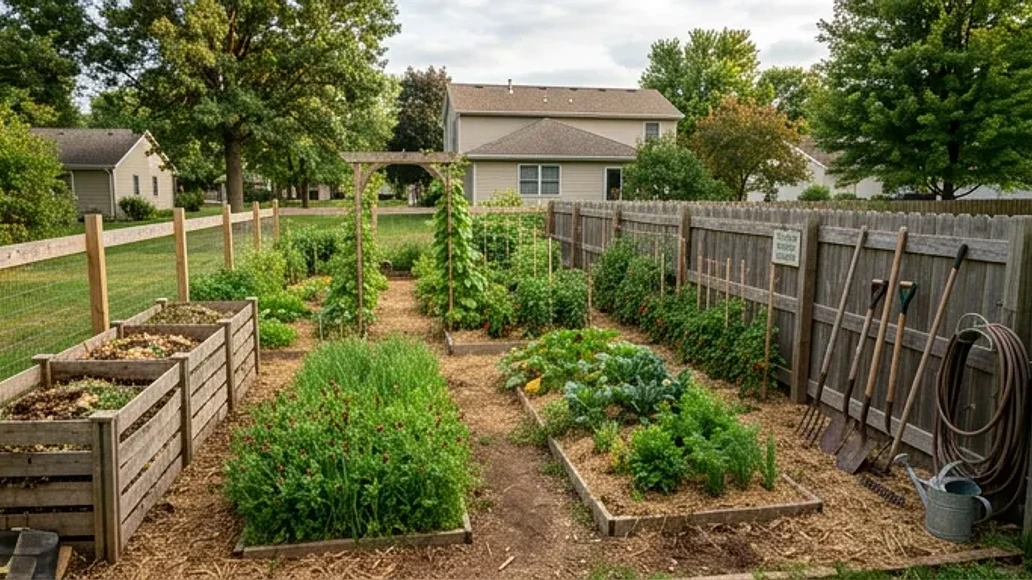
If you copy only one Amish-inspired habit, make it soil building. Many traditional small farms stay productive because they treat fertility as a cycle, not a product bought in bags. Compost, manure, crop residues, mulches, and rotations all feed the ground that feeds the family.
Modern soil science strongly supports this approach. Organic matter improves water retention, soil structure, and nutrient cycling. Cover crops reduce erosion and can add biomass or nitrogen. Rotations interrupt pest cycles and help balance nutrient demand. These are not folk secrets. They are proven fundamentals.
How to build soil safely at home
- Start with a soil test through your local Cooperative Extension service.
- Build a compost system for leaves, kitchen scraps, and garden waste.
- If using manure, compost it properly or apply raw manure only with recommended timing well before harvest.
- Keep soil covered with mulch or living plants as much as possible.
- Plant cover crops in empty beds, such as clover, rye, oats, or peas depending on climate and season.
- Rotate plant families each year instead of growing the same crop in the same bed repeatedly.
Fresh manure is one of the most common mistakes beginners make. It can burn plants and contaminate produce with dangerous pathogens. If you use manure, follow extension guidance on composting and harvest intervals. For many home growers, properly finished compost is the easier and safer starting point.
A simple crop rotation plan that actually works
Rotation sounds complicated until you reduce it to plant families and nutrient demand. On a small property, even a three-bed or four-bed system can make a noticeable difference.
| Bed or section | Year 1 | Year 2 | Year 3 | Why it helps |
|---|---|---|---|---|
| Section A | Tomatoes, peppers, potatoes | Beans, peas | Carrots, onions, beets | Moves heavy feeders away from their previous pest zone and follows them with lighter feeders or nitrogen fixers. |
| Section B | Beans, peas | Carrots, onions, beets | Tomatoes, peppers, potatoes | Balances nutrient demand and breaks disease cycles. |
| Section C | Carrots, onions, beets | Tomatoes, peppers, potatoes | Beans, peas | Reduces repeated pressure from soil-borne pests. |
| Optional Section D | Cabbage, kale, broccoli | Squash, cucumbers | Cover crop or rest bed | Adds flexibility and lets one area recover with a cover crop. |
Companion planting can help, but it should not replace sound spacing, rotation, and sanitation. Marigolds, basil, onions, and flowers that attract pollinators may support a healthier garden environment. Still, the biggest gains usually come from soil quality, crop timing, and keeping plants out of the same spot year after year.
Mixed production beats single-point failure
One reason Amish-style farms are resilient is that they rarely depend on a single output. A household may have a garden, laying hens, a milk animal, orchard fruit, preserved foods, and field crops or forage. If one piece underperforms, the whole system does not collapse.
Preppers can adapt this idea without trying to recreate a full horse-powered farm. The realistic version for most households is a layered food system. Think eggs plus vegetables plus herbs plus storage crops plus preserved food. Add one new layer only after the previous layer is stable.
Small livestock options for modern households
| Species | Space needed | Typical outputs | Skill level | Key risks |
|---|---|---|---|---|
| Chickens | Low to moderate | Eggs, manure, pest control | Beginner to intermediate | Predators, disease spread, local ordinances, feed storage issues |
| Rabbits | Low | Meat, manure, breeding stock | Intermediate | Heat stress, sanitation, emotional difficulty with processing |
| Dwarf or standard dairy goats | Moderate | Milk, manure, brush control | Intermediate to advanced | Escape behavior, parasite management, fencing costs, milk handling safety |
| Ducks | Low to moderate | Eggs, meat, slug control | Intermediate | Muddy water areas, sanitation, predator pressure |
| Draft animals | High | Traction, manure, breeding value | Advanced | High feed demand, injury risk, training needs, veterinary costs |
For most readers, chickens are the best first livestock choice if legal in your area. They provide a steady food source, useful manure after composting, and daily husbandry practice. Goats and rabbits can be excellent additions, but they require more management than many beginners expect.
Biosecurity matters. Wash hands after handling animals, keep feed dry and rodent-resistant, quarantine new animals when possible, and clean housing regularly. Zoonotic disease is a real concern, especially for children, older adults, and immunocompromised family members.
Food preservation is where preparedness becomes durable
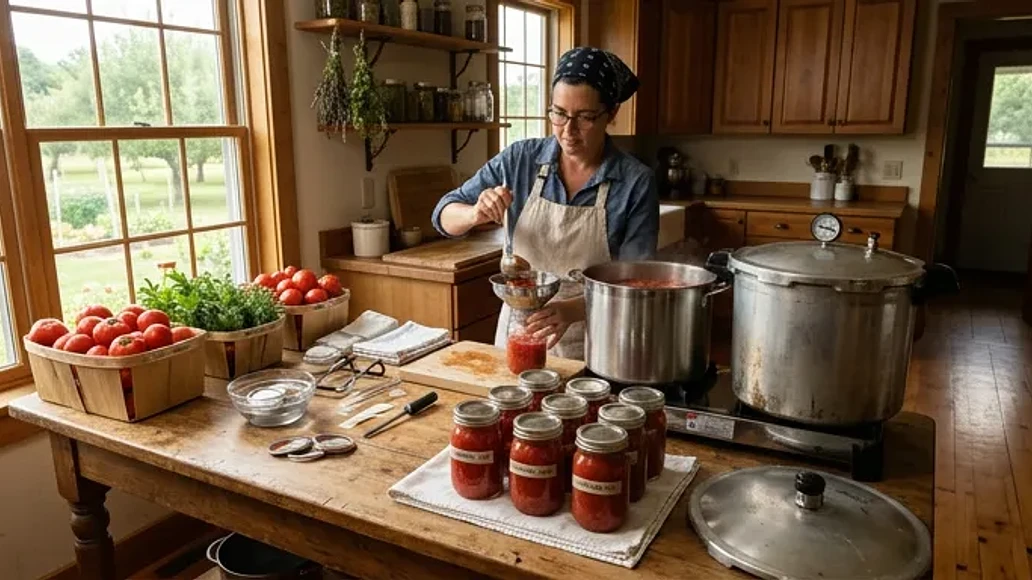
A productive garden is only half the equation. The other half is keeping the harvest safe to eat months later. This is one area where many people admire traditional methods but need modern guardrails. Home preservation is highly useful, but only when done correctly.
| Method | What it does | Energy needs | Typical storage life | Key safety rules |
|---|---|---|---|---|
| Water bath canning | Preserves high-acid foods like jams, many fruits, pickles, and acidified products | Moderate during processing | About 1 year for best quality | Use tested recipes and proper acidity. Do not use for plain low-acid vegetables or meats. |
| Pressure canning | Preserves low-acid vegetables, meats, soups | Moderate during processing | About 1 year for best quality | Follow tested times and pressure levels exactly to prevent botulism. |
| Fermentation | Uses salt and beneficial microbes for foods like sauerkraut and pickles | Low | Weeks to months depending on storage | Use correct salt ratios, clean vessels, and discard spoiled batches. |
| Drying or dehydrating | Removes moisture from herbs, fruits, some vegetables, jerky with proper methods | Low to moderate | Months to a year depending on food and storage | Dry thoroughly, condition if needed, and protect from moisture. |
| Root cellaring | Stores hardy crops in cool, humid conditions | Very low | Weeks to months | Use only sound produce, monitor temperature and humidity, remove spoiled items quickly. |
| Smoking and curing | Adds flavor and can extend shelf life in some cases | Variable | Variable | Use tested meat-curing methods. Do not improvise with unsafe salt or temperature practices. |
The most important rule is simple. Use tested canning recipes and processing times from USDA or state extension sources. Improperly canned low-acid foods can cause botulism, which is a medical emergency. If anyone develops blurred vision, trouble swallowing, vomiting, or weakness after eating home-preserved food, seek immediate medical care and mention the food source.
Raw milk deserves special caution. Some preparedness circles treat it as a traditional staple, but public health evidence shows a higher risk of serious infection from unpasteurized dairy. That risk is especially important for children, pregnant people, older adults, and anyone with a weakened immune system. Tradition is not a substitute for microbiology.
Water, cooking, and non-electric systems
Preparedness improves when food production is paired with simple infrastructure. Many Amish households use low-electric or non-electric systems not because they are primitive, but because those systems are maintainable and less vulnerable to outages.
Useful ideas include hand-pump well backups, gravity-fed water movement where terrain allows, rainwater collection for non-potable uses, wood cook stoves, outdoor cook spaces, clotheslines, and durable hand tools. These systems can reduce dependence on the grid, but they also require planning and safety checks.
Water should be tested periodically if it comes from a private well. Rainwater and surface water can be useful for irrigation, but should not be assumed safe for drinking without proper treatment and testing. Any structural changes to wells, plumbing, chimneys, or outbuildings should follow local code and, when needed, involve licensed professionals.
Can suburban households use these methods?
Yes, but adaptation matters more than imitation. You do not need a barn, buggy, or draft horse to benefit from Amish-inspired practices. A suburban version might mean raised beds, compost bins, trellised beans, a small berry patch, herbs near the kitchen door, a pressure canner, and a shelf of repair tools.
What works in a backyard is intensive, tidy, and legal. Focus on high-value crops, succession planting, and compact systems that are easy to maintain. If local rules allow, a few hens may add eggs and manure. If not, you can still build a strong preparedness base with soil improvement, food preservation, and water storage.
| Setting | Best Amish-inspired adaptations | Main constraints | Best first step |
|---|---|---|---|
| Apartment or rental | Container herbs, sprouts, balcony greens, food preservation skills, repair skills | Space, landlord rules, sunlight | Learn preservation and grow compact edible plants. |
| Suburban yard | Raised beds, composting, rain barrels for garden use, small orchard, hens where legal | HOA rules, neighbors, limited space | Install 2 to 4 productive beds and a compost system. |
| Small homestead | Rotation beds, chickens, rabbits or goats, root cellar, larger composting | Labor, fencing, feed, water systems | Stabilize soil and garden output before adding more animals. |
| Rural acreage | Larger rotations, orchard, pasture management, multiple preservation systems | Capital, labor, equipment maintenance | Map water, soil, and labor capacity before expanding. |
Amish-inspired methods compared with organic and regenerative farming
There is heavy overlap between these approaches. All three tend to value soil health, reduced outside inputs, biodiversity, and long-term productivity. The differences are often cultural and practical rather than biological.
Amish farming is shaped by religious values, community norms, and a preference for simplicity. Organic farming is shaped by certification rules and market standards. Regenerative farming is shaped by soil function, ecosystem repair, and often reduced tillage or grazing management. For preppers, the best approach is to borrow the most durable parts of each. Use Amish-style frugality and repair culture, organic attention to input quality, and regenerative focus on soil cover, diversity, and resilience.
One important refinement from modern research is that reduced tillage can protect soil structure, though it may be harder in some small gardens without herbicides or specialized tools. Another is that cover crop selection should match climate, timing, and goals rather than being copied blindly from another region.
Common mistakes when people copy the look instead of the system
- Applying raw manure too close to harvest.
- Trying to keep too many animals too soon.
- Buying hand tools without learning maintenance and technique.
- Planting a huge garden before building soil and irrigation.
- Using unsafe canning shortcuts from social media or family lore.
- Ignoring zoning, raw milk laws, slaughter rules, or egg-sale regulations.
- Assuming hard manual labor is automatically better than appropriate mechanization.
- Copying crops that do not fit local rainfall, heat, or frost dates.
The pattern behind these mistakes is impatience. Resilient farms are built season by season. Start smaller than your ambition, then expand only after the system proves itself.
A realistic skill roadmap for the first three years
| Year | Garden goals | Soil goals | Livestock goals | Preservation goals |
|---|---|---|---|---|
| Year 1 | Grow a modest garden with easy staples and one storage crop | Soil test, start compost, mulch beds | None, or research local rules thoroughly | Learn water bath canning or freezing, plus one fermentation project |
| Year 2 | Add rotation plan, succession planting, and a larger fall garden | Use cover crops, improve compost quality, track yields | Add chickens if legal and manageable | Learn pressure canning with tested recipes and improve pantry storage |
| Year 3 | Add perennial foods, berries, or a small orchard section | Refine fertility plan using compost, mulch, and crop residues | Consider rabbits or goats only if feed, fencing, and labor are ready | Add root cellaring, drying, and a more complete seasonal preservation plan |
This slower path is not glamorous, but it is far more likely to produce dependable food and fewer expensive failures.
Labor, health, and accessibility
Traditional low-tech farming can be physically demanding. Digging, hauling water, carrying feed, splitting wood, and bending over beds all add up. That does not mean these methods are off-limits if you are older, injured, or managing chronic illness. It means the system should fit your body.
Raised beds can reduce bending. Broadforks and wheel hoes can reduce strain. Drip irrigation can save both water and labor. A garden cart may matter more than a romantic hand tool collection. Limited mechanization is not a failure of preparedness. It is often the difference between a sustainable routine and burnout.
If you have heart disease, severe arthritis, diabetes, pregnancy-related limitations, or another medical condition that affects exertion or infection risk, adjust tasks accordingly and seek medical guidance when needed. Preparedness should increase stability, not create preventable injury.
Beyond the garden, household skills that strengthen resilience
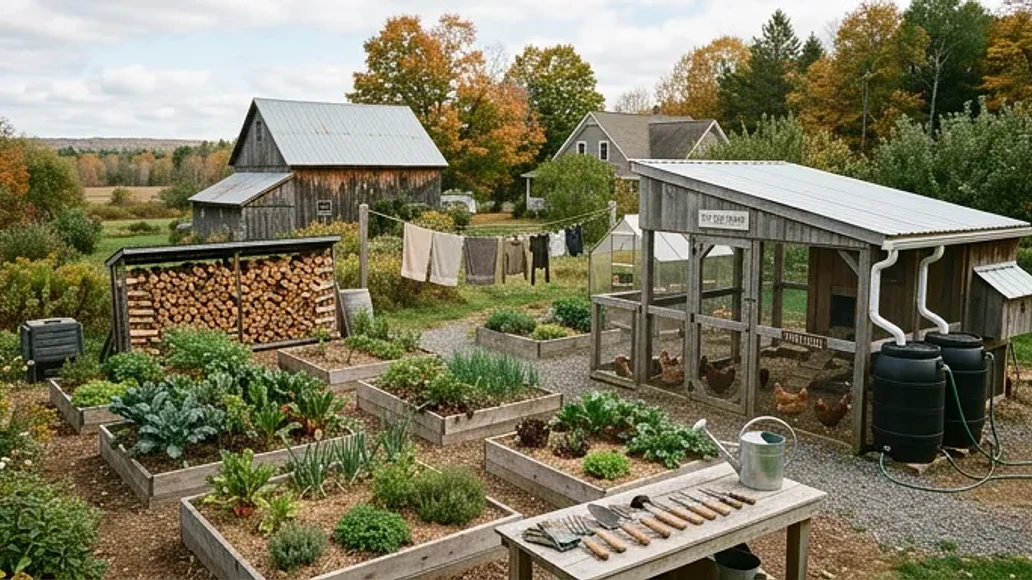
One overlooked lesson from Amish life is that farming works better when the household can repair, sew, sharpen, preserve, and improvise. A productive homestead is supported by ordinary domestic competence. Mending clothes reduces replacement costs. Sharpening tools improves safety and efficiency. Basic carpentry keeps gates and coops functional. Pantry management prevents waste. Community relationships make seasonal work easier.
Preppers often focus on stockpiling. Amish-inspired resilience suggests another path. Build a household that can keep useful things working.
Safety and legal realities
Preparedness does not exempt anyone from biology or the law. Check local and state rules before keeping livestock, selling eggs, processing meat, building outbuildings, modifying wells, or distributing homemade foods. Raw milk sales are heavily regulated in many states. Home slaughter and meat processing rules vary. Cottage food laws may allow some products and prohibit others.
For new growers and homesteaders, local Cooperative Extension offices are one of the best resources available. They can help with soil testing, manure timing, pest identification, livestock basics, and food preservation guidance. That kind of grounded local advice is often more useful than generic internet tips.
Getting started this season
The best first move is not to recreate an Amish farm. It is to adopt one or two low-risk habits that improve resilience right away. Build compost. Start a rotation notebook. Grow one bed of storage onions or potatoes. Learn one tested canning method. Set up a rain barrel for garden use if local rules allow. Plant a cover crop after summer harvest. Add a shelf for jars, dry goods, and labeled preserved food.
Those small steps create momentum. Over time, they become a system that is less dependent on stores, less vulnerable to disruptions, and more capable of feeding a household through ordinary hard times.
FAQ
Are Amish farming methods realistic for a single prepper or small family without a big community?
Yes, if you scale them down. The most realistic pieces are soil building, crop rotation, food preservation, repair skills, and a small diversified garden. Full animal traction or large mixed-farm systems are usually not practical for one or two people.
Is it safe to copy Amish raw milk and meat practices in my own preparedness plan?
Not without modern food safety controls, and in many cases it is not advisable. Raw milk carries a higher risk of serious infection. Meat curing and canning require tested methods. Follow USDA and extension guidance rather than tradition alone.
What is the easiest Amish-style farming skill a beginner prepper should learn first?
Composting and simple garden rotation are the best starting points. They are affordable, low risk, and improve nearly every future gardening effort.
Do Amish-inspired methods work in dry or cold climates outside Pennsylvania and Ohio?
Yes, but the crops, cover crops, planting dates, and water strategy must fit local conditions. The principles travel better than the exact crop plan. Use local extension advice to adapt them.
How long does it take to see results from low-input soil building?
You may notice better moisture retention and plant vigor within one season, but meaningful soil improvement often takes two to three years of steady composting, mulching, and rotation. Soil health is cumulative.
References
- USDA NRCS, Soil Health
- Iowa State University Extension, Manure Management and Use in the Garden
- Penn State Extension, Crop Rotations in Home Gardens
- Penn State Extension, Safe Home Food Preservation
- CDC, Raw Milk Questions and Answers
- USDA and National Center for Home Food Preservation, Complete Guide to Home Canning
- University of Wisconsin Extension, Backyard Poultry Resources
- Ohio State University Extension, Small Farm and Backyard Production Resources
- USDA ERS, Organic Agriculture
- Cornell Small Farms Program, Planning for Small Farms