Barter Basics for Hard Times, Practical Trade Goods That Beat Precious Metals
When normal systems break down, people trade for water, calories, hygiene, medicine, light, repairs, and useful skills, not shiny assets. Here is a realistic, safety-minded guide to what actually holds value in a crisis, how much to set aside, and what not to trade.

In movies and online debates, gold often gets treated like the ultimate crisis currency. In real emergencies, people usually care more about clean water, shelf-stable food, batteries, soap, first aid, and someone who can fix a broken pump or patch a roof. If stores are empty, power is out, or supply chains are disrupted, survival value matters more than investment value.
This article looks at what tends to hold real trade value in a severe disruption, why precious metals are often overrated in the early phase, and how to prepare for barter without neglecting your own household. It also covers safety, legal limits, and practical ways to stock small, useful trade goods.
Important: This is general informational content only, not legal or medical advice. If you have health conditions, depend on prescription medications, or have questions about state and local laws, talk with a qualified professional.
What “SHTF” really means, and where barter fits
People use “SHTF” to describe a wide range of disruptions, from a weeklong blackout to a hurricane, winter storm, wildfire evacuation, cyberattack, or a longer breakdown in normal services. In most realistic scenarios, cash may still work in some places, but access to goods becomes uneven. That is where barter shows up.
Barter usually starts informally. A neighbor needs batteries and offers canned soup. Someone with a water filter trades clean water for trash bags, diapers, or fuel. A person who can repair generators or sew torn clothing may have more practical trade value than someone holding coins or jewelry.
Recent disasters show why practical trade goods matter more than gold in the first days and weeks of a crisis. When roads close, power fails, or stores cannot restock, people want items that solve immediate problems.
Why gold is often overrated in the first weeks
Gold can store wealth over long periods, but it does not quench thirst, stop diarrhea, power a flashlight, or treat a wound. In the early phase of a crisis, people tend to prioritize direct needs. That makes consumables and useful services more liquid than precious metals.
The key difference is simple. Gold has stored value. Water filters, rice, soap, batteries, and first aid supplies have survival value. In a stable market, stored value matters. In a disrupted market, survival value usually comes first.
That does not mean gold is always worthless. In a longer, more stable recovery period, precious metals may regain usefulness for larger transactions. But for the first 72 hours, first month, and often longer, practical supplies usually trade more easily.
How barter works in real disasters
Barter is not just about scarcity. It is about urgency, trust, portability, and usefulness. The best trade goods usually share a few traits. They solve a common problem, store reasonably well, can be divided into small units, and do not create major legal or safety issues.
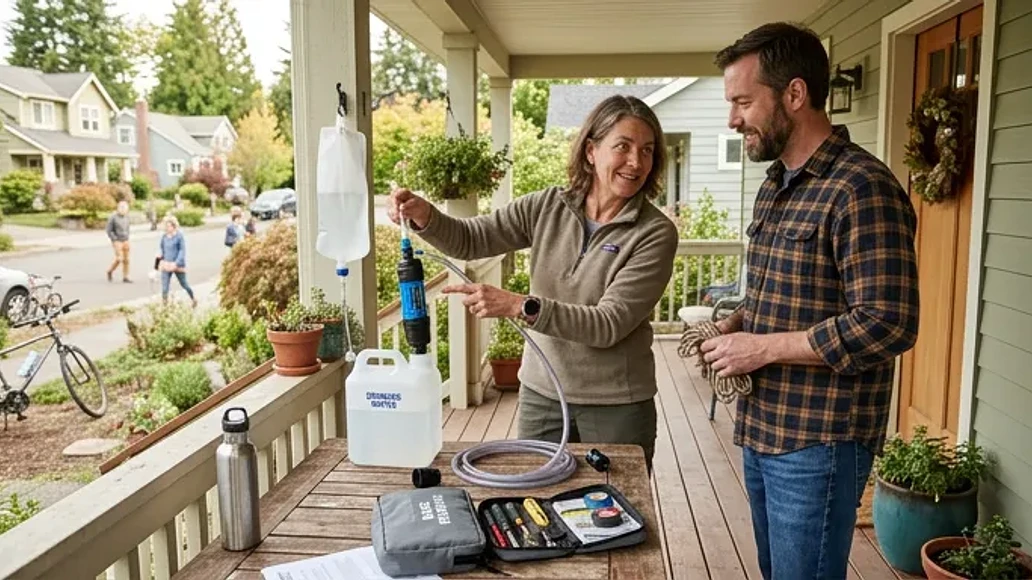
Skills matter too. A person who can purify water, provide basic first aid, sharpen tools, repair clothing, or safely cook from staples can become a valuable part of a local exchange network. In many communities, relationships and competence matter as much as stockpiles.
| Item or category | Primary need supported | Shelf life or storage notes | Risk level |
|---|---|---|---|
| Bottled water, purification tablets, filters | Water, health | Protect from heat and contamination, rotate as needed | Low |
| Rice, beans, oats, canned foods | Calories, nutrition | Keep dry, cool, pest-free, inspect cans for damage | Low |
| Soap, bleach, trash bags, hygiene items | Sanitation, disease prevention | Store sealed, label clearly, keep chemicals away from children | Low to medium |
| Bandages, antiseptics, OTC pain relievers, gloves | Health, wound care | Watch expiration dates and package integrity | Low to medium |
| Batteries, lighters, matches, flashlights | Light, safety, warmth | Keep dry, rotate batteries, store ignition sources safely | Medium |
| Duct tape, sewing kits, fasteners, hand tools | Repair, shelter, maintenance | Long storage life if kept dry and organized | Low |
| Coffee, tea, sugar, chocolate, spices | Morale, comfort | Best in sealed containers, protect from moisture and pests | Low |
| Ammo, firearms, prescription drugs, strong alcohol | Varies | Legal and safety concerns are significant | High |
High-value barter categories that are not gold
Water and purification supplies
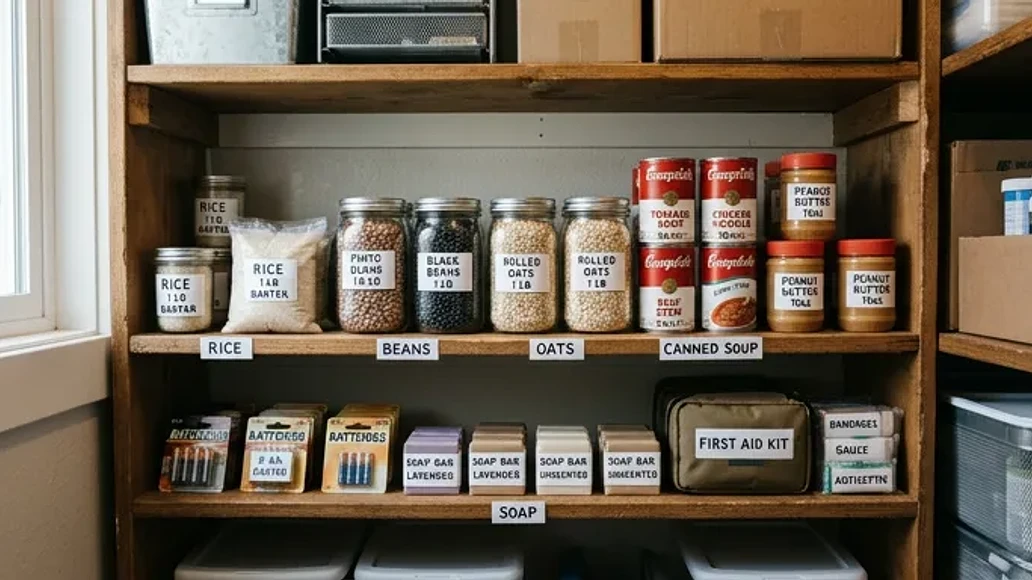
Water is one of the strongest barter categories because the need is immediate and universal. A gallon of water, a small filter, or purification tablets can solve a life problem right away. Small, sealed units are especially useful because they are easy to trade and easier for both sides to trust.
Good examples include factory-sealed bottled water, water purification tablets, gravity filter replacement elements, and clean containers. If you store water for trade, keep it separate from your household reserve so you do not accidentally barter away your own minimum supply.
Be careful with homemade purification claims. If you are trading a water treatment item or service, only represent what it can actually do. Unsafe water advice can make people sick.
Food that stores well and fills people up
Staples often beat specialty foods because they are cheap, calorie-dense, and familiar. Rice, beans, oats, pasta, peanut butter, canned meat, canned vegetables, and soup all have practical value. Smaller trade units can be more useful than one giant bulk bag.
For barter, think in portions. A one-pound bag of rice may be easier to trade than a 25-pound sack. The same goes for oats, sugar, flour, and dry beans. If you repackage dry goods, use food-safe containers, label them clearly, and rotate them on a schedule.
Do not trade food that is damaged, swollen, rusted through, moldy, or stored in poor conditions. Home-canned foods carry extra risk if the recipient cannot verify safety. Bulging cans, leaking seals, and off smells are warning signs. When in doubt, do not trade it.
Hygiene, sanitation, and cleaning supplies
These items are often underestimated until people run out. Soap, bleach, trash bags, toilet paper, feminine hygiene products, diapers, baby wipes, toothbrushes, toothpaste, and dish soap can become highly valuable during outages and supply shortages.
Sanitation supplies do more than improve comfort. They help reduce disease spread, especially when water service is disrupted or cleanup conditions are poor. Small, sealed hygiene items are excellent barter goods because they are easy to store, easy to verify, and useful across many households.
Bleach deserves extra caution. It can be valuable, but it should stay in original labeled containers, stored safely, and never transferred into mystery bottles. If you trade it, make sure the label is intact and the product is not old or degraded.
First aid and basic medical supplies
Bandages, gauze, tape, antiseptic wipes, antibiotic ointment, gloves, thermometers, oral rehydration supplies, and over-the-counter pain relievers can all hold strong trade value. In a prolonged disruption, even simple wound care items may be hard to replace.
This is one area where ethics and safety matter a lot. Trading prescription drugs, controlled substances, or medical devices you do not understand can be illegal and dangerous. People with chronic illness, pregnancy, children, or medical dependencies should prioritize their own prescribed medications and emergency plans first, not barter stock.
If you want medical barter value without crossing lines, focus on legal basics and on learning useful skills such as first aid, CPR, wound cleaning, and recognizing when someone needs professional care.
Fuel, light, and warmth
Power outages quickly increase the value of batteries, flashlights, headlamps, matches, lighters, candles, hand warmers, and small fuel canisters. These items can be useful for both your household and trade, but they carry more risk than food or soap.
Fire and carbon monoxide hazards are serious. Never use outdoor grills indoors. Use camp stoves only as directed. Keep ignition sources away from children and flammables. If you rely on alternative heat or fuel-burning devices, carbon monoxide detectors are essential.
Because these items are compact and widely needed, they can be attractive barter goods. They can also make you a target if you advertise too much inventory, so discretion matters.
Tools, repair gear, and everyday hardware
When stores are closed or replacement parts are delayed, repair becomes more valuable than buying new. Duct tape, zip ties, sewing kits, needles, thread, paracord, nails, screws, work gloves, tarps, and basic hand tools can all trade well.
These items are especially useful because they help shorten the problem instead of only easing discomfort. A tarp can stop a roof leak. A sewing kit can extend clothing life. Fasteners and hand tools can restore shelter, storage, and mobility.
Small tool-related consumables often make better barter stock than expensive gear. A person may not trade for a full toolbox, but they may gladly trade for a pack of batteries, a box of screws, or a simple repair kit.
Comfort and morale items
Once immediate survival is covered, comfort goods often gain value fast. Coffee, tea, sugar, drink mixes, chocolate, hard candy, spices, instant soup, and playing cards can all become desirable. They do not fix core risks, but they improve morale and normalcy.
These are often smart barter items because they are low-profile and easy to portion. A few sealed coffee packets or a small bag of sugar may trade more smoothly than a flashy item that attracts attention.
Tobacco and alcohol are often mentioned in barter discussions, but they come with real downsides. They can increase security risks, create conflict, and involve legal issues depending on the product and situation. If you choose to stock them at all, understand the tradeoffs and local laws.
Skills and services can out-trade supplies
Stuff runs out. Skills can keep producing value. In many realistic disruptions, useful services may be safer and more sustainable than trading physical goods. A person who can solve problems becomes part of the local economy even when shelves are empty.
| Skill | Training difficulty | Cost to learn | Likely barter value | Safety or legal notes |
|---|---|---|---|---|
| Basic first aid and CPR | Medium | Low to medium | High | Stay within your training, seek professional care when possible |
| Water filtration and sanitation setup | Medium | Low to medium | High | Do not overstate what a method can safely treat |
| Cooking from staples and food preservation basics | Low to medium | Low | Medium to high | Food safety matters, avoid unsafe canning claims |
| Clothing and gear repair | Low | Low | Medium | Very practical, low-profile skill |
| Small engine or generator maintenance | Medium to high | Medium | High | Fuel and electrical safety matter |
| Child care, elder support, tutoring | Low to medium | Low | Medium to high | Trust and reputation are critical |
| Basic carpentry and home repair | Medium | Medium | High | Use proper tools and safety practices |
The best way to build barterable skills is to practice them now in normal life. Volunteer, take a class, help neighbors, join a community garden, learn to sew, or become the person who can safely set up water storage and emergency cooking.
Short-term disaster versus long-term disruption
Barter value changes over time. In the first few days, immediate survival items dominate. Over weeks and months, maintenance, repair, production, and trusted services become more important.
| Time frame | Most valuable items | Items that drop in value | Items that gain value over time |
|---|---|---|---|
| First 72 hours | Water, ready-to-eat food, flashlights, batteries, first aid, hygiene items | Luxury goods, decorative items, precious metals | Portable chargers, fuel, clean containers |
| First month | Staple foods, purification supplies, sanitation items, OTC meds, repair goods | Novelty gear, bulky nonessentials | Cooking fuel, sewing supplies, tarps, tools, comfort foods |
| Months to a year | Seeds, repair parts, durable tools, fuel systems, practical skills, community services | Single-use gimmicks | Production skills, maintenance items, preservation supplies, trusted labor |
This is why a balanced barter plan makes more sense than chasing one category. Water and calories matter first. Repair and production matter later. Morale matters throughout.
How much should you stock for barter
Your household comes first. Before setting aside anything for trade, cover your own baseline emergency needs for water, food, medications, hygiene, lighting, and first aid. A practical starting point is to meet or exceed standard emergency kit guidance for your family, then build a modest surplus in categories you already use and rotate.
A common mistake is buying barter goods before securing your own essentials. Another is buying large amounts of items you never use, then discovering they expired, leaked, or became dead weight.
| Category | Example items | Own-use minimum | Extra for barter, starting goal |
|---|---|---|---|
| Water | Bottled water, purification tablets | Meet your household emergency water plan first | One small case of bottled water or a few sealed treatment packs |
| Staple food | Rice, beans, oats, canned soup | Build your normal pantry reserve first | Several small trade-size portions you can rotate |
| Hygiene | Soap, toothpaste, wipes, feminine hygiene | At least a full household reserve | Travel-size or sealed spare units |
| First aid | Bandages, gauze, antiseptic wipes, gloves | Complete family first aid kit | One small extra pouch of basics |
| Light and power | Batteries, lighters, candles | Enough for your outage plan | A few extra sealed packs, stored safely |
| Repair | Duct tape, needles, thread, screws | Basic home repair stock | Small duplicate kits |
| Comfort | Coffee, tea, sugar, candy | Optional for your household | Small sealed portions |
If space and budget are tight, focus on dense, cheap, long-lasting items that can be divided into small units. Soap, lighters, batteries, instant coffee, drink mixes, rice, and basic first aid supplies often make more sense than bulky or expensive gear.
Safe and unsafe things to barter
Safer, lower-profile trade goods
Low-profile items are usually the smartest choice. Think soap, batteries, sealed food, water treatment tablets, trash bags, socks, gloves, and small repair kits. They solve real problems without broadcasting that you have a large stockpile.
Higher-risk items
Weapons, ammunition, prescription drugs, controlled substances, and high-proof alcohol can create serious legal, ethical, and security problems. Trading a firearm or ammo may help someone today and endanger you tomorrow. Trading prescription medication can be illegal and medically dangerous. Home-distilled alcohol is illegal in normal conditions and can also be unsafe.
Even in a disaster, laws do not simply vanish. Enforcement may vary, but readers should understand that controlled substances, prescription drugs, firearms transfers, and alcohol production can still carry legal consequences. If you are unsure, get qualified legal guidance for your state and locality.
Barter security, OPSEC, and community strategy
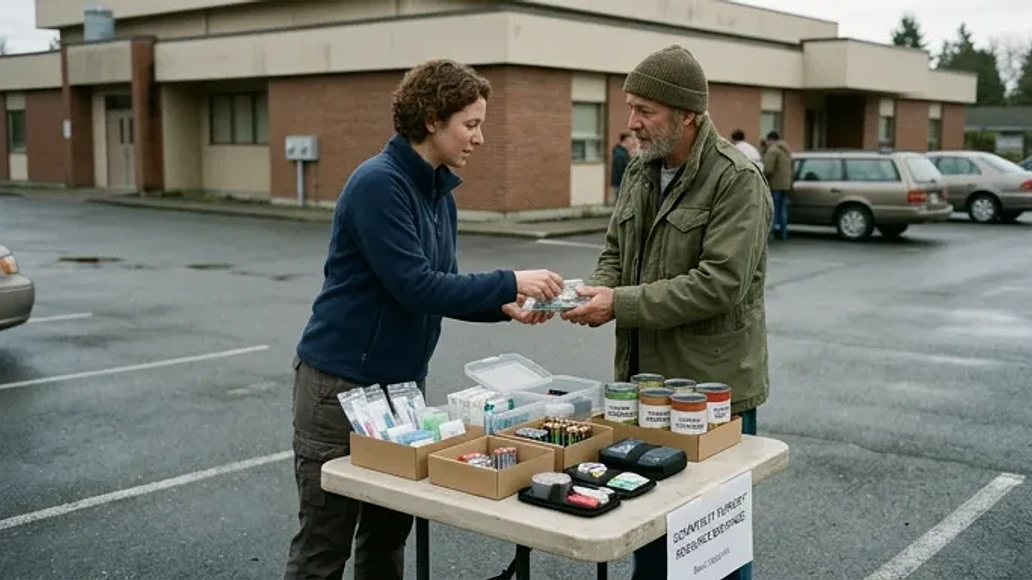
Barter can make you visible. Visibility can create risk. The safest approach is to trade modestly, avoid showing your full inventory, and work through trusted relationships whenever possible.
- Keep barter stock separate from your main household reserve.
- Use small trade units so you do not expose bulk supplies.
- Trade in neutral, safer locations when possible.
- Bring a buddy for in-person exchanges if conditions are unstable.
- Do not discuss your full inventory casually.
- Favor repeat exchanges with known, trustworthy people.
- Consider community groups, mutual aid networks, or local co-ops over random one-off deals.
In many real emergencies, the strongest asset is not a stash of goods. It is a network of people who know each other, share information, and can pool skills.
Common mistakes people make about crisis barter
- Putting trade goods ahead of their own family basics.
- Buying gold or silver while neglecting water, sanitation, and medicine.
- Stocking items they never use and cannot rotate.
- Ignoring legal and safety risks around weapons, alcohol, and medications.
- Assuming every crisis looks like total collapse instead of a blackout, storm, or supply disruption.
- Buying only large bulk items instead of small, tradable units.
- Forgetting that skills and trust often trade better than stuff.
A simple barter prep checklist you can start this month
- Assess your likely local risks, such as storms, outages, wildfire smoke, or water disruptions.
- Build your own household emergency baseline first.
- Choose two or three barter categories you already understand and use.
- Buy only items with reasonable shelf life and clear storage needs.
- Portion some goods into small, labeled trade units.
- Track expiration dates, battery dates, and can condition.
- Add one practical skill that improves your trade value.
- Plan safe storage and low-profile trading habits.
- Review local laws before stocking anything sensitive.
- Reassess every season and rotate what you store.
FAQ
Is gold ever useful for bartering after SHTF, or should I skip it completely?
Gold is not useless, but it is often less useful than practical supplies in the early phase of a crisis. If you already own some, that is different from making it your main preparedness strategy. For most households, water, food, hygiene, medicine, lighting, and repair supplies should come first.
What are the safest things to barter that will not make me a target?
Low-profile consumables are usually safest. Soap, batteries, lighters, sealed food, water treatment tablets, trash bags, socks, and small first aid items tend to be useful without drawing as much attention as fuel, weapons, or large visible stockpiles.
How much food and water should I keep for barter after I cover my own needs?
There is no universal number, but a modest surplus is smarter than a huge dedicated stash. Meet your own emergency plan first, then add a small amount of extra water, staple foods, hygiene items, and batteries that you can rotate through normal use.
What small, cheap items are best to stockpile for trading in an emergency?
Good options include soap, toothpaste, toothbrushes, lighters, batteries, instant coffee, drink mixes, hard candy, rice, beans, ramen, feminine hygiene products, trash bags, and simple first aid supplies. The best picks are inexpensive, compact, useful, and easy to store safely.
References
- Ready.gov, Emergency Supply List and Building a Kit
- FEMA, Food and Water in an Emergency
- CDC, Water, Sanitation, and Hygiene Related Emergencies
- CDC, Stay Safe After a Disaster
- USDA FSIS, Food Safety in an Emergency
- American Red Cross, Prepare a Disaster Supplies Kit
- HHS, Prescription Medications in an Emergency
- National Academies Press, Healthy, Resilient, and Sustainable Communities After Disasters
- NOAA, Build a Kit