Amish Farming Methods Every Prepper Should Know: Safe, Practical Skills for Off-Grid Food Security
Learn Amish-inspired farming methods that actually improve preparedness, from soil building and crop rotation to livestock integration, food preservation, and non-electric home systems. This guide focuses on practical steps, realistic labor demands, and modern safety rules.

The phrase Amish farming methods every prepper should know gets used like it means hidden tricks. In reality, the most useful Amish-inspired practices are not secrets at all. They are durable, low-input systems built around healthy soil, diversified crops, practical livestock, food preservation, and everyday skills that still work when fuel, power, or supply chains become unreliable.
That matters to preppers because resilience usually comes from systems, not gadgets. A hand tool helps. A pantry helps. But a household that can grow food, preserve it safely, manage water, and repair what it owns is far less vulnerable over the long term.
This article focuses on methods commonly associated with traditional Amish small farms and homes, then translates them into safe, realistic steps for modern readers. It also includes important limits. Some practices often romanticized online, especially raw milk, unsafe canning shortcuts, or casual meat curing, carry real health risks and should not be copied blindly.
Why Amish farming belongs in a prepper skill set
The Amish are not a single uniform group. Different communities make different choices about technology, equipment, and outside markets. Some Old Order communities rely heavily on horse-drawn equipment and non-electric household systems. Others use selected modern tools in limited ways. What many share is a preference for simplicity, local self-reliance, frugality, and strong community ties.
For preparedness-minded households, the lesson is not to imitate a culture. It is to learn from a pattern:
Depend more on local inputs, such as compost, manure, saved seed, hand tools, and shared labor.
Build soil first, so production improves over time instead of declining.
Diversify, so one crop failure or one supply disruption does not wreck the whole plan.
Preserve seasonal abundance, so food security lasts beyond harvest.
Use simple systems that can function during outages.
Those principles overlap strongly with modern organic and regenerative agriculture, but Amish-style systems often keep the focus on practicality and household resilience rather than branding.
What makes Amish farms resilient compared to modern systems?
Large modern farms can be highly productive, but many depend on purchased fertilizer, fuel, specialized machinery, and long supply chains. Traditional mixed farms reduce some of that dependency by stacking functions together.
For example:
Livestock produce manure for fertility.
Crop residues become bedding or feed.
Cover crops protect and feed the soil.
Gardens include multiple species instead of one monocrop.
Food preservation reduces waste and extends the harvest.
That does not mean Amish-style farming is easy. It is labor-intensive, skill-intensive, and often slower to scale. But it can be more forgiving in a disruption because it does not rely on one fragile input stream.
Practice | Amish-inspired version | Organic or regenerative overlap | Prepper takeaway |
|---|---|---|---|
Soil fertility | Manure, compost, rotations, cover crops | Strong overlap | Best long-term investment for food security |
Crop diversity | Mixed gardens, field crops, orchards | Strong overlap | Reduces risk from pests, weather, and shortages |
Power source | Hand labor, animal power, limited engines | Mixed overlap | Use low-tech tools first, full draft systems are advanced |
Food preservation | Canning, drying, fermenting, root cellaring | Strong overlap | Excellent resilience skill if done safely |
Household systems | Hand pumps, wood heat, repair culture | Partial overlap | Useful for outage planning and cost control |
Amish soil-building methods you can use at home
If you copy only one thing from traditional small farms, make it the soil strategy. Healthy soil shortens the real problem, poor fertility and weak water retention, instead of just treating symptoms with purchased inputs.
1. Compost manure and organic waste properly
Manure is valuable, but fresh manure is not automatically safe. Applying raw manure too close to harvest can contaminate produce with harmful pathogens. For home gardeners, the safer approach is to compost manure thoroughly and use it well before planting or according to local extension guidance.
Good basics include:
Keep manure piles away from wells, streams, and flood-prone areas.
Mix manure with carbon-rich material such as straw, leaves, or bedding.
Turn and manage moisture so the pile heats properly.
Use gloves and wash hands after handling.
Do not top-dress ready-to-eat crops with fresh manure.
If you are new to manure use, your local Cooperative Extension office is the best place to get timing and composting guidance for your climate.
2. Use cover crops and green manures
Cover crops are one of the most practical Amish-inspired methods for preppers because they work quietly in the background. They reduce erosion, suppress weeds, improve soil structure, and add organic matter. Some also fix nitrogen.
Beginner-friendly examples include:
Crimson clover or field peas for nitrogen building.
Cereal rye for weed suppression and winter cover.
Oats for quick cool-season biomass.
Buckwheat for fast summer cover and pollinator support.
Even a small backyard garden benefits from sowing a cover crop instead of leaving beds bare.
3. Feed the soil regularly, not just the crop
Traditional low-input systems often think in seasons and years, not just this week's harvest. Add compost, mulch heavily, avoid unnecessary soil disturbance, and keep roots in the ground as much as possible. That approach improves moisture retention, which is especially important in hot summers and during watering restrictions.
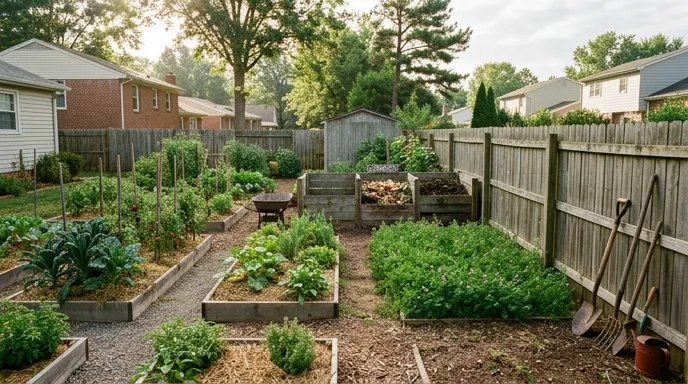
How Amish farmers rotate crops and plan fields
Crop rotation is not complicated, but it does require discipline. The basic idea is to avoid planting the same crop family in the same place year after year. This helps reduce pest buildup, disease pressure, and nutrient depletion.
A simple four-bed rotation for preppers looks like this:
Legumes, beans and peas
Leaf crops, lettuce, spinach, brassicas
Fruit crops, tomatoes, peppers, squash, cucumbers
Root crops, carrots, onions, beets, potatoes
Then move each group to the next bed the following year.
Small-plot rotation example
Bed | Year 1 | Year 2 | Year 3 | Year 4 |
|---|---|---|---|---|
A | Legumes | Leaf crops | Fruit crops | Root crops |
B | Leaf crops | Fruit crops | Root crops | Legumes |
C | Fruit crops | Root crops | Legumes | Leaf crops |
D | Root crops | Legumes | Leaf crops | Fruit crops |
Companion planting can also help, but keep expectations realistic. It is not magic. Use it mainly for spacing efficiency, pollinator support, and some pest confusion. Good examples include basil near tomatoes, onions near carrots, and flowers like calendula or nasturtium near vegetables. Avoid relying on folklore alone. Rotation, sanitation, spacing, and healthy soil matter more.
Integrating livestock without overwhelming your homestead
Many Amish farms are mixed systems, which means animals are part of the fertility and food cycle. For most modern preppers, small livestock is far more realistic than draft animals.
Best starter livestock options
Species | Space needs | Main outputs | Skill level | Key risks |
|---|---|---|---|---|
Chickens | Low to moderate | Eggs, manure, pest control | Beginner | Predators, disease, local ordinances |
Rabbits | Low | Meat, manure | Beginner to intermediate | Heat stress, sanitation issues |
Goats | Moderate | Milk, meat, brush control, manure | Intermediate | Escapes, fencing costs, parasite load |
Chickens are usually the best first step. They convert kitchen scraps and feed into eggs, scratch for insects, and produce manure that can be composted. They also teach daily animal care without the scale of larger livestock.
Rabbits are efficient and quiet, which can make them suitable in some suburban or semi-rural settings. Their manure is useful, but sanitation and heat management are critical.
Goats can be productive, but they are not low-maintenance. They need strong fencing, parasite control, shelter, and regular care. They are a poor impulse purchase.
Biosecurity and manure management matter
Preparedness should not mean cutting corners on hygiene. Wash hands after handling animals, keep feed dry and protected from rodents, quarantine new animals when possible, and clean waterers regularly. Compost manure before garden use unless you have specific extension guidance for direct application timing.
If you are considering dairy animals, be especially cautious about milk handling. Raw milk carries a higher risk of serious infection. For many households, especially those with children, pregnant people, older adults, or immunocompromised members, raw milk is not a sensible preparedness choice.
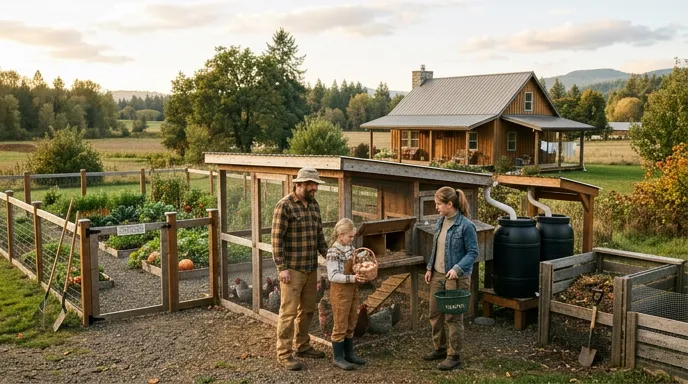
Amish food preservation methods preppers should learn
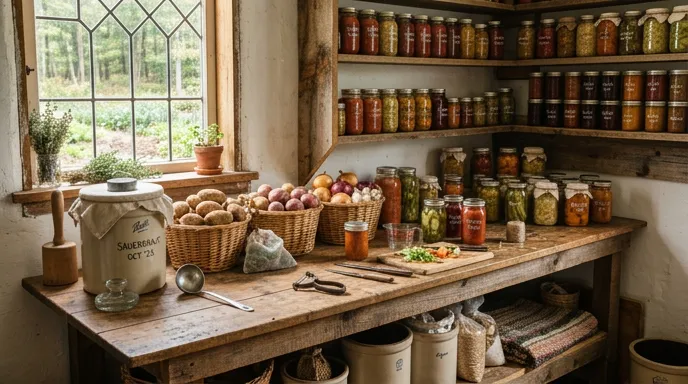
Food preservation is where Amish-inspired preparedness becomes immediately useful. A productive garden means little if you cannot store the harvest safely.
Canning
Canning is one of the best resilience skills, but it is also one of the easiest to do dangerously. Low-acid vegetables, meats, and soups require pressure canning with tested recipes and correct processing times. Water-bath canning is for high-acid foods such as many jams, jellies, and pickles.
Safety rule: Use current USDA or state extension recipes only. Do not invent processing times, thicken recipes before canning unless the recipe allows it, or trust old family shortcuts for low-acid foods.
Fermenting
Fermentation is low-energy and practical. Sauerkraut, pickles, and similar foods can store well when salt ratios, temperatures, and cleanliness are correct. Use proper containers, keep produce submerged when required, and discard batches with signs of spoilage or unusual odors.
Drying
Drying works well for herbs, some fruits, and some vegetables. Good airflow and complete drying are essential. In humid climates, a dehydrator may be more reliable than open-air drying.
Root cellaring
Cool, dark, humid storage can extend the life of potatoes, carrots, beets, apples, winter squash, and onions, depending on crop and conditions. A true root cellar is ideal, but a basement corner, buried cooler, or insulated outbuilding can sometimes serve as a scaled-down version if temperature and moisture are managed.
Method | Best for | Energy needs | Storage life | Key safety rule |
|---|---|---|---|---|
Pressure canning | Low-acid vegetables, meats, soups | Moderate during processing | About 1 year for best quality | Use tested recipes and correct pressure |
Water-bath canning | High-acid fruits, jams, pickles | Moderate during processing | About 1 year for best quality | Only for foods with safe acidity |
Fermenting | Cabbage, cucumbers, some vegetables | Low | Weeks to months | Use correct salt and sanitation |
Drying | Herbs, fruits, some vegetables | Low to moderate | Months | Dry fully and store airtight |
Cellaring | Roots, apples, squash | Very low | Weeks to months | Monitor temperature, humidity, spoilage |
If anyone develops blurred vision, weakness, trouble swallowing, vomiting, or severe illness after eating home-preserved food, seek immediate medical care and mention the preserved food.
Water, cooking, and energy systems from Amish homes
Another reason Amish-inspired systems appeal to preppers is that they often function with little or no grid power. You do not need to reject modern life to benefit from that mindset.
Useful non-electric or low-electric systems
Hand pump or manual backup for well water, where feasible and code-compliant
Gravity-fed water storage for gardens or livestock
Rainwater collection for irrigation where legal and properly managed
Wood cook stove or outdoor cook setup for backup cooking
Clotheslines, hand tools, and repair kits to reduce power dependence
Water safety is critical. Wells should be tested periodically. Rainwater and surface water can be useful for irrigation, but not all stored water is safe to drink without treatment and testing. Any structural, plumbing, or electrical changes should follow local code and, when needed, involve licensed professionals.
Can you use Amish farming methods in a suburban backyard?
Yes, but adaptation matters more than imitation. Most readers do not have acreage, a barn, or a large labor pool. That is fine. The goal is to borrow the principles.
Good suburban adaptations
Raised beds with crop rotation
Compost bins and leaf mulch
Vertical trellising for cucumbers, beans, and tomatoes
A small flock of hens where legal
Container herbs and greens near the kitchen
A pantry plan tied to what you actually grow
Check zoning, HOA rules, and local ordinances before adding livestock, rainwater systems, fences, or outbuildings. A legal, low-conflict setup is more resilient than one that gets shut down.
Amish vs organic vs regenerative, what helps preppers most?
These categories overlap, but they are not identical. Amish farming is shaped by culture and community norms. Organic is a regulated production standard. Regenerative is a broader soil and ecosystem framework.
For preppers, the most useful overlap is this:
Build organic matter
Keep living roots in the soil
Diversify crops and animals
Reduce dependency on purchased inputs
Preserve water and prevent erosion
Modern research supports many of these practices for soil health and resilience. Where modern guidance may improve on older methods is in tested food preservation, better manure safety, improved cover crop selection, and more ergonomic tools that reduce injury.
Common mistakes when copying Amish methods
Using raw manure carelessly. This can contaminate produce and water.
Trying to do too much at once. A huge garden often fails if irrigation, fertility, and labor are not ready.
Assuming old-fashioned means safe. Unsafe canning and curing can be life-threatening.
Ignoring climate. Methods that work in Pennsylvania may need major changes in Arizona, Texas, or Alaska.
Buying tools without building skills. A broadfork, pressure canner, or hand mill is only useful if you know how and when to use it.
Underestimating labor. Hand-powered systems can be physically demanding.
Step-by-step, build your own Amish-inspired preparedness plan
Year | Garden goals | Soil goals | Livestock goals | Preservation goals |
|---|---|---|---|---|
Year 1 | Start 2 to 4 beds, grow easy staples | Soil test, compost pile, mulch | None, or research chickens | Learn water-bath canning and drying |
Year 2 | Add rotation, trellises, storage crops | Use cover crops, add composted manure | Add chickens if legal | Learn pressure canning with tested recipes |
Year 3 | Expand only if yields justify it | Refine irrigation and organic matter plan | Consider rabbits or goats if space allows | Add fermentation and cellar-style storage |
Seasonal checklist
Winter, plan rotations, order seed, repair tools, review pantry use.
Spring, test soil, prep beds, start compost, plant cool-season crops.
Summer, mulch, irrigate, succession plant, monitor pests, preserve early harvests.
Fall, plant cover crops, store roots and squash, clean tools, review what worked.
Health, labor, and accessibility matter
One of the biggest myths in preparedness is that harder always means better. Amish-style systems can be physically demanding. Digging, hauling water, moving compost, chopping wood, and daily livestock care add up quickly.
Make the work fit your body:
Use raised beds to reduce bending.
Choose wheeled carts, ergonomic hand tools, and drip irrigation.
Keep paths wide and stable.
Scale livestock to what you can handle in all seasons.
Use limited mechanization when it prevents injury or burnout.
If you have heart disease, arthritis, diabetes, pregnancy-related limits, or other medical concerns, get medical guidance before taking on heavy manual workloads.
Beyond farming, everyday Amish home skills that boost preparedness
Preparedness is not only about food production. Traditional households often maintain resilience through ordinary competence.
Sewing and mending clothes
Sharpening and maintaining tools
Basic carpentry and fence repair
Cooking from staple ingredients
Preserving leftovers and reducing waste
Bartering, borrowing, and sharing labor with trusted neighbors
Community is a major part of why low-tech systems work. A single family can do a lot, but mutual aid makes hard seasons more manageable.
Safety and legal essentials for Amish-inspired homesteading
Some parts of this topic are clearly safety-sensitive.
Home canning, use tested USDA or extension recipes only.
Raw milk, understand that infection risk is higher, especially for vulnerable people.
Manure use, compost properly and follow safe timing before harvest.
Water systems, test wells and protect stored water from contamination.
Livestock, practice hygiene and get veterinary help when needed.
Sales and processing, check state and local laws for eggs, dairy, meat, produce, and cottage foods.
For well work, structural changes, electrical modifications, and regulated food sales, involve qualified professionals and follow local code.
Getting started this season
If you want the fastest, safest return from Amish-inspired preparedness, start here:
Build one compost system.
Grow a small rotated garden, not a giant one.
Mulch heavily and plant one cover crop.
Learn one preservation method using tested guidance.
Add one non-electric backup, such as a hand grain mill, clothesline, or outdoor cook option.
Track labor, yield, and storage so next year improves.
The real lesson is simple. Amish-style resilience is less about rejecting technology and more about reducing dependency, building practical skill, and creating systems that still function when convenience disappears.
FAQ
Are Amish farming methods realistic for a single prepper or small family without a big community?
Yes, but only if you scale them down. Focus on soil building, crop rotation, food preservation, and maybe chickens before attempting larger livestock or labor-heavy systems. Community support helps, but many principles still work on a small scale.
Is it safe to copy Amish raw milk and meat practices in my own preparedness plan?
Not blindly. Raw milk carries a higher risk of serious foodborne illness, and home meat processing or curing can be dangerous without tested methods and legal compliance. Use modern food safety guidance, especially for vulnerable household members.
What is the easiest Amish-style farming skill a beginner prepper should learn first?
Composting and simple garden rotation are the best first skills. They are affordable, low-risk, and improve results quickly. Safe water-bath canning of high-acid foods is another good beginner step.
Do Amish farming methods work in dry or cold climates outside Pennsylvania and Ohio?
Yes, but the principles matter more than the exact crops or schedule. In dry climates, prioritize mulch, water storage, shade, and drought-tolerant varieties. In cold climates, use season extension, storage crops, and careful timing.
How long does it take to see results from Amish-style soil building on my property?
You may see better moisture retention and plant vigor in the first season, but meaningful soil improvement usually takes several seasons of compost, cover crops, mulch, and rotation. Soil building is cumulative.