When Money Runs Out in Public, A Prepper's Guide to Panhandling Risks and Realities
Panhandling sometimes comes up in survival conversations, but it is not a clever trick or a reliable plan. This guide explains what it is, where the legal lines usually are, the health and safety risks involved, and what preppers should do first to avoid ever needing it.

Panhandling shows up in preparedness discussions for one reason. People worry about what happens if income disappears, housing becomes unstable, and cash is suddenly hard to get. In that kind of crisis, asking strangers for help may seem like a survival option. But it is not a simple tactic, and it is not something responsible preppers should romanticize.
In real life, panhandling is usually tied to hardship, exposure, stigma, and legal uncertainty. For many people it is a last resort, not a strategy. If you are trying to understand where it fits in a preparedness mindset, the right approach is risk first, law first, dignity first.
This article covers what panhandling is, why it appears in prepper conversations, what the legal and ethical boundaries look like in the United States, and what safer alternatives should come before it. This is general information, not legal or financial advice. Local ordinances vary, and if you are facing imminent homelessness or a citation, contact local legal aid, shelters, outreach teams, or social services.
What panhandling is, and why preppers talk about it at all
Panhandling usually means asking the public for money or immediate help in a public place. You may also hear terms like public solicitation or, in some contexts, dry begging, which generally refers to hinting at need without directly asking. The exact legal definitions can differ by city or state.
Preppers discuss it because they think in layers of fallback options. If a job is lost, a vehicle breaks down far from home, a disaster interrupts banking access, or someone becomes newly homeless, public solicitation may appear to be one of the few ways to get food money quickly. That does not make it good, safe, or sustainable. It only explains why the subject comes up.
The most important mindset shift is this. Panhandling is not a preparedness skill in the same way that budgeting, first aid, water storage, or networking are skills. It is better understood as a sign that earlier layers of resilience have failed.
How US law often treats panhandling
In many US jurisdictions, peaceful panhandling is often treated as protected speech under the First Amendment. That does not mean every form of asking for money is legal everywhere. Cities commonly regulate time, place, and manner. Enforcement can also vary widely from one town to the next.
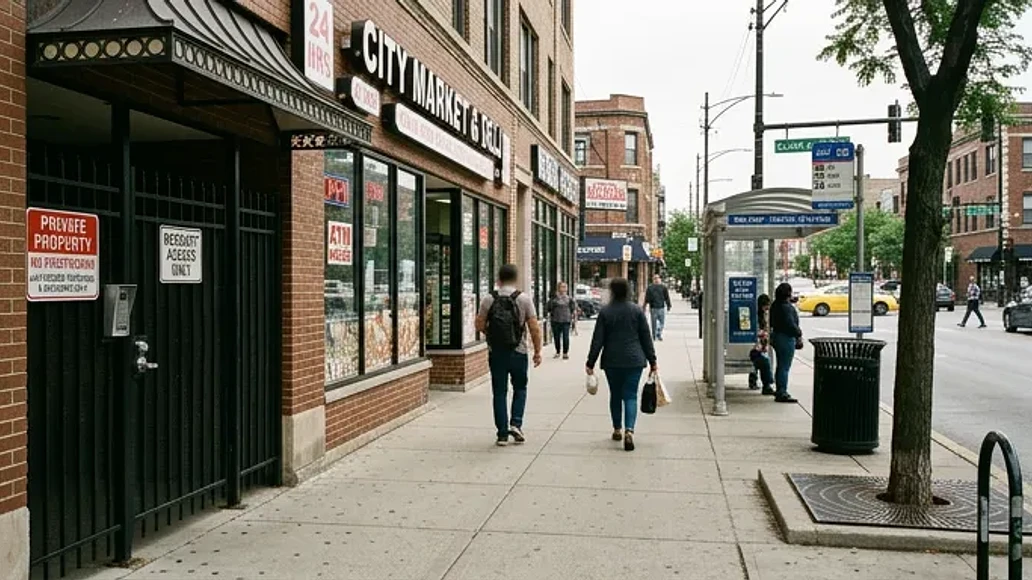
That means a person may be allowed to hold a sign and ask for help in one area, but face restrictions near intersections, ATMs, transit stops, school zones, private property, or after certain hours in another area. Many places also prohibit aggressive panhandling, obstruction, threats, following people, touching, blocking passage, or repeated demands after a refusal.
| Generally protected behavior | Common restrictions | Examples that may cross into illegal conduct |
|---|---|---|
| Peacefully asking for help in a public place | Distance rules near roads, banks, transit stops, or entrances | Stepping into traffic, blocking a sidewalk, or refusing to move from a restricted area |
| Holding a sign without threatening anyone | Limits on signs in medians, intersections, or private property | Using threatening language, intimidation, or repeated harassment |
| Speaking to passersby one time in a non-obstructive way | Time, place, and manner ordinances that vary by city | Following someone after they say no, touching them, or cornering them |
| Remaining in a lawful public area | Trespass rules and local anti-camping or loitering enforcement | Refusing lawful orders tied to trespass, obstruction, or other separate violations |
For preppers, the practical lesson is simple. Never assume panhandling is legal just because you have heard it is protected speech. Check local ordinances, posted rules, and property boundaries before relying on any public solicitation. If you are cited or arrested, get legal help quickly.
Why this topic is really about homelessness and unmet basic needs
Preparedness readers should understand the social reality behind the subject. Panhandling is often associated with unsheltered homelessness and severe financial distress. Research on people living without stable shelter consistently shows difficulty getting food, clean drinking water, toilets, hygiene access, safe sleep, and regular medical care.
That matters because some survival content treats panhandling like a clever workaround. In reality, it often means a person is exposed to weather, theft, harassment, illness, and constant uncertainty. A few dollars may solve one meal, but it does not solve the larger problem.
Thinking clearly about this helps preppers avoid two mistakes. The first is seeing panhandling as a hack. The second is assuming everyone asking for help is running a scheme. Some scams do exist, but many people who solicit in public are dealing with genuine instability, trauma, or unmet needs.
| Basic need | How it is often met during street survival | Main risks |
|---|---|---|
| Food | Fast food, convenience stores, donations, shelters, soup kitchens | Poor nutrition, irregular meals, food spoilage, dependence on daily cash |
| Water | Bottled water, public fountains, businesses, outreach services | Dehydration, unsafe sources, limited refill access in heat or cold |
| Hygiene | Public restrooms, shelters, gyms, wipes, outreach programs | Infection risk, skin problems, stigma, lack of privacy |
| Shelter | Shelters, vehicles, encampments, temporary couch stays | Weather exposure, theft, violence, sleep deprivation |
| Medical care | Emergency rooms, clinics, outreach teams, free clinics | Interrupted treatment, missed medications, worsening chronic illness |
Should a prepper ever consider panhandling?
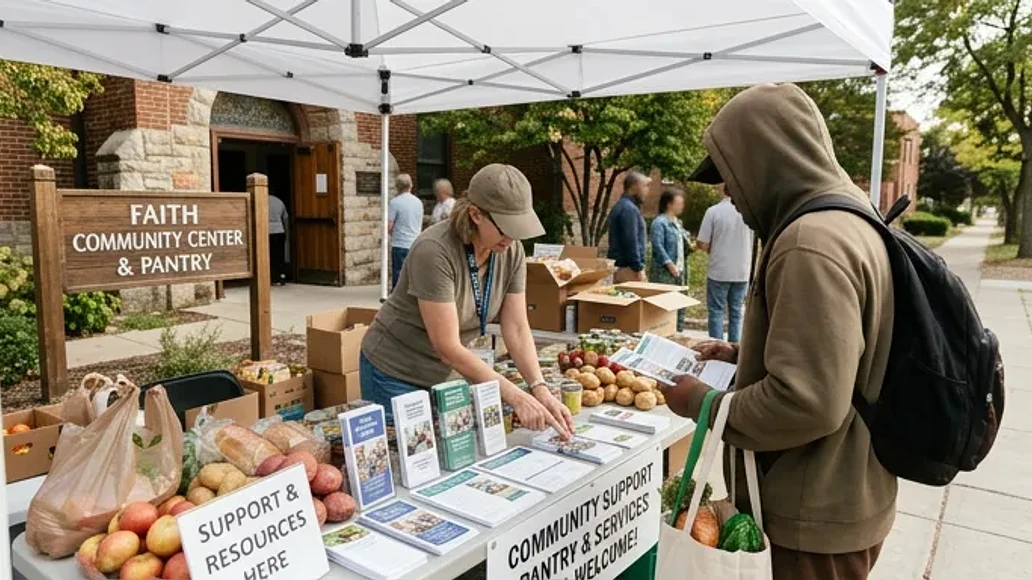
Only as an emergency, last-resort measure when safer options have been exhausted. If you still have access to a phone, transportation, documents, a social network, a vehicle, a shelter bed, a church pantry, a temp agency, a day labor site, a plasma center where lawful and medically appropriate, or a local mutual aid group, those options usually deserve attention first.
Panhandling can create immediate cash flow, but it also creates immediate visibility. That visibility can attract help, but it can also attract predators, hostile bystanders, thieves, and police attention. It may also damage future employment prospects if you are recognized in a small community.
| Option | Legal risk | Personal safety | Short-term benefit | Long-term outlook |
|---|---|---|---|---|
| Panhandling | Variable, depends on local rules and conduct | Often poor, due to exposure and public conflict risk | Possible same-day cash or food | Weak, unstable, and highly stressful |
| Day labor or gig work | Usually lower if lawful and documented | Moderate, depends on job and transport | Can produce same-day or next-day income | Better path toward stability |
| Shelters and outreach services | Low | Often safer than street exposure, though quality varies | May provide food, hygiene, case management, and shelter | Better access to recovery resources |
| Mutual aid, churches, and community networks | Low | Usually better than public solicitation | Can provide food, gas, rides, or emergency lodging | Can strengthen longer-term support ties |
| Selling lawful personal items or barter | Low to moderate, depending on location and rules | Moderate | Can produce quick cash without public begging | Limited, but often less risky than panhandling |
Safety basics if someone reaches that last resort
This is not a guide to maximizing donations. It is a guide to reducing harm if someone is in crisis and sees no better immediate option.
Stay on the right side of the law
Avoid any conduct that could be seen as aggressive, obstructive, deceptive, or threatening. Do not step into traffic. Do not block doors, sidewalks, or driveways. Do not touch people. Do not follow anyone after they decline. Do not trespass on private property. Do not invent disabilities, fake emergencies, or false stories.
Reduce exposure and conflict
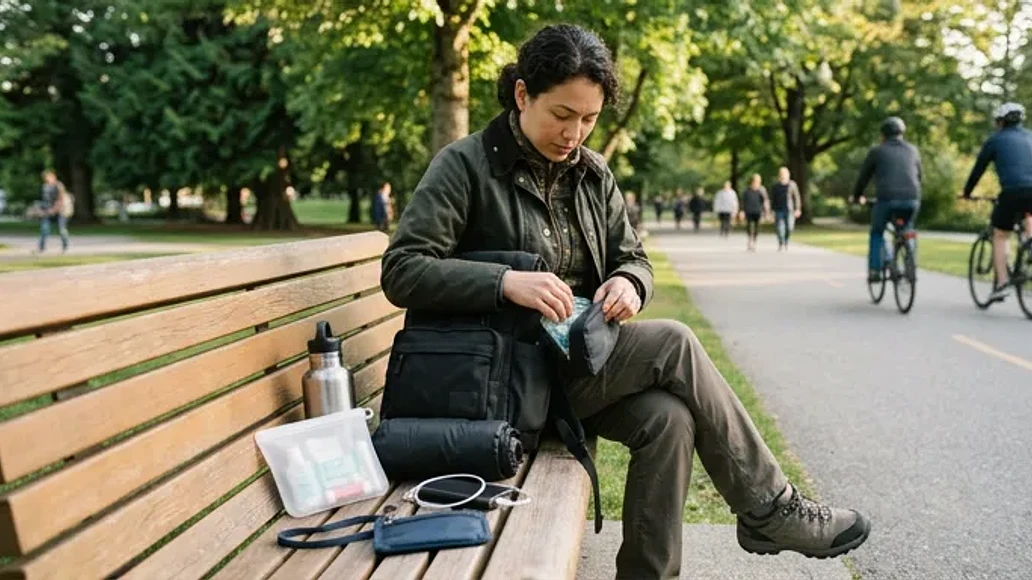
Choose daylight over late night when possible. Stay where there is public visibility without creating a hazard. Avoid intoxicated crowds, isolated areas, and places where arguments escalate quickly. Keep your phone charged if you have one, and know where the nearest public restroom, water source, clinic, and transit stop are located.
Protect your health
Heat, cold, dehydration, and poor hygiene can become more dangerous than lack of cash. If you rely on medication, insulin, mobility aids, or regular treatment, street survival can become medically risky very fast. Seek professional help early rather than waiting for a crisis to deepen.
If you are pregnant, have a chronic illness, have significant mental health symptoms, or are dealing with substance use disorder, public street survival carries higher risk. Medical and social work support are especially important in those situations.
What usually counts as aggressive panhandling
The exact wording varies by ordinance, but aggressive panhandling commonly includes behavior that makes another person feel trapped, threatened, or harassed. That can include repeated demands, profanity, blocking movement, approaching someone at an ATM, touching, crowding, or continuing after a clear no.
For preppers, this matters in two ways. First, if you are in crisis, crossing that line can turn a protected speech issue into a criminal one. Second, if you are a bystander, recognizing aggressive behavior helps you respond safely without escalating.
| Behavior | Lower-risk interpretation | Higher-risk interpretation |
|---|---|---|
| Holding a sign | Passive request in a lawful area | Standing in a dangerous median or restricted zone |
| Speaking to a passerby | One brief request, then stopping | Repeated demands after refusal |
| Approaching a person | Normal conversational distance in open space | Crowding, blocking, cornering, or following |
| Requesting help near businesses | Remaining on lawful public property | Trespassing, blocking entrances, or interfering with customers |
| Explaining need | Truthful, simple statement | Fraudulent claims, fake injuries, or invented emergencies |
How to respond when someone panhandles near you
Preparedness is not only about what you might do in crisis. It is also about how you handle public stress around your home, workplace, or daily routes.
If someone asks you for money, you can say no briefly and calmly. You do not owe a debate. If you want to help, consider food, water, a hygiene kit, a transit pass, or information about local services. If the person is acting aggressively, prioritize distance, public visibility, and calling appropriate help if there is a threat.
Try not to assume you can identify truth or deception from appearance alone. Some people in real need look composed. Some manipulative people look distressed. The safest and most ethical response is to set boundaries while avoiding unnecessary escalation.
What the evidence supports, and what is mostly anecdote
A lot of online advice about panhandling is based on stories, stereotypes, or attempts to game public sympathy. That is not solid preparedness guidance. Here is a more grounded view.
| Topic or claim | Evidence level | What preppers should take from it |
|---|---|---|
| Peaceful panhandling is often protected speech in many US contexts | Well supported | Know your rights, but verify local restrictions before acting |
| Local governments often criminalize related public survival behaviors | Well supported | Expect uneven enforcement and legal uncertainty |
| Many people panhandle only after other options fail | Well supported | Treat the issue as hardship, not a hustle |
| Unsheltered people struggle to access food, water, hygiene, and care | Well supported | Street survival is harder and riskier than many imagine |
| Housing and support interventions have mixed outcomes in some subgroups | Mixed | Complex problems need layered support, not one-size-fits-all claims |
| Clothing, grooming, and scripted stories reliably increase panhandling income | Weak or anecdotal | Avoid manipulative advice and do not treat it as a skill set |
| Public backlash and anti-panhandling campaigns are common | Well supported | Expect social friction and possible complaints even when conduct is peaceful |
| Law enforcement responses are consistent nationwide | Not supported | They vary widely, so local knowledge matters |
Better alternatives for crisis cash and support
The strongest prep is the one that keeps you from needing public solicitation at all. If income collapses, move through alternatives in a deliberate order. Start with the options that preserve safety, privacy, and long-term stability.
| Situation | Best first move | Why it usually beats panhandling |
|---|---|---|
| Sudden job loss but still housed | Apply for benefits, contact creditors early, seek temp work, use pantry networks | Protects housing and buys time before crisis deepens |
| Stranded away from home | Call family, friends, roadside assistance, churches, or local aid groups | May solve the problem faster with less exposure |
| Imminent eviction or homelessness | Contact shelters, coordinated entry, legal aid, and local outreach teams immediately | Connects you to housing and case management pathways |
| No food for the next 24 hours | Use food banks, soup kitchens, churches, and mutual aid | Directly addresses the need without legal risk |
| No cash for fuel or transport | Sell lawful items, ask trusted contacts, seek local emergency assistance | Often more private and more predictable |
| Chronic financial instability | Budget reset, debt triage, skill building, side income, emergency fund plan | Addresses root causes instead of daily survival symptoms |
Planning ahead so panhandling never becomes part of your plan
Preparedness works best when it reduces desperation before it starts. A realistic anti-crisis plan should include cash reserves, copies of identification, a list of local shelters and food resources, backup transportation options, a charged power bank, medication reserves when legal and safe, and a small network of people you can call without shame.
It should also include employable skills. Temporary labor, odd jobs, repair work, caregiving, cleaning, delivery work, and local service skills are all more stable than public solicitation. Community ties matter too. People with even a modest support network often have more off-ramps than people trying to survive alone.
For preppers, this is the real lesson. Build redundancy in money, relationships, documents, health care access, and local knowledge. Those are the layers that keep a bad month from becoming a street-level emergency.
When to get professional help immediately
Seek help now, not later, if any of the following apply. You are facing imminent homelessness. You cannot meet basic food or water needs. You depend on medication or medical equipment that may be interrupted. You are pregnant. You are having a mental health crisis. You are dealing with substance use that raises overdose or withdrawal risk. You have been cited, fined, or arrested in connection with solicitation or related public survival behavior.
In those cases, legal aid, public defenders, social workers, shelters, outreach teams, clinics, and crisis services are more important than more internet tips.
FAQ
Is panhandling always legal, or can I be arrested for it?
No. Peaceful requests for help are often protected in many places, but local ordinances may restrict where, when, and how solicitation can happen. Aggressive conduct, trespass, obstruction, or related violations can lead to citations or arrest. Always check local law.
What is considered aggressive panhandling, and how can I avoid crossing that line?
It often includes threatening behavior, blocking movement, following someone, touching, repeated demands after refusal, or soliciting in restricted areas such as near ATMs or in traffic. The safest approach is to remain passive, truthful, non-obstructive, and ready to stop when asked.
As a prepper, what should I do instead of panhandling if I lose my income suddenly?
Start with benefits, temp work, gig work, food banks, mutual aid, churches, shelters, outreach teams, and trusted personal contacts. Sell lawful items if needed. Focus on preserving housing, transportation, identification, and medical access before the crisis worsens.
How can I respond safely and respectfully when someone panhandles near my home or business?
Keep your response brief and calm. It is fine to say no. If you want to help, consider food, water, or service information rather than cash. If the behavior becomes aggressive or threatening, create distance and contact appropriate local help.
References
- Do Criminalization Policies Impact Local Homelessness? - Lebovits
- Access to Basic Needs and Healthcare by People Experiencing Unsheltered Homelessness
- A Qualitative Exploration of the COVID-19 Pandemic’s Impact on People Experiencing Homelessness
- Planning, Implementing, and Assessing Law Enforcement Homelessness Response
- Panhandling is a problem. We should not ignore it.
- 5 Things You Should Know About Panhandling
- The truth about panhandling is most people aren't getting rich
- The Ultimate Guide To Dry Begging