Overlooked Skills That Build Real Resilience When Systems Fail
Most preparedness advice covers the basics. This guide focuses on the less obvious skills that become valuable during disasters, grid outages, and long disruptions, with practical ways to learn them safely now.

When people talk about SHTF, they often jump straight to dramatic collapse scenarios. In real life, it usually looks more ordinary at first, a weeklong power outage, a flood that cuts roads, a supply chain disruption, a wildfire evacuation, a storm that knocks out water service, or a season of rising prices and scarce repair help. In those moments, the most useful people are not always the ones with the biggest gear stash. They are the ones who can solve problems calmly, safely, and repeatedly.
This article looks at rare life skills that could matter after a major disruption, but with a practical twist. The goal is not fantasy heroics or risky DIY medicine. It is learning the less obvious abilities that support food, water, shelter, communication, sanitation, and community stability. This is general information only, not individualized medical, legal, or financial advice. For higher risk skills, use recognized training, tested methods, and licensed instructors whenever possible.
What SHTF Really Means, and Why Rare Skills Matter
SHTF is shorthand for a serious disruption. That can mean a short emergency, like a blizzard or hurricane, or a longer strain, like repeated grid problems, economic instability, or prolonged infrastructure damage. Basic preparedness still comes first, safe water, food, shelter, medications, first aid, and a communication plan. Rare skills matter because they extend your options when normal services are delayed, expensive, or unavailable.
For example, knowing how to purify water is a core survival skill. Knowing how to maintain a gravity filter, disinfect storage containers, and troubleshoot contamination sources is a rarer support skill. Knowing first aid is essential. Knowing how to organize a neighborhood check-in system for older adults and families with children is less discussed, but often just as valuable.
Common Survival Skills vs. Less Obvious Skills People Overlook
Many preparedness lists focus on fire starting, stockpiling, and self-defense. Those have a place, but they do not cover the full picture. The skills below tend to be undervalued because they are slower to learn, less glamorous, or tied to everyday chores and trades. Yet they often shorten the problem instead of just making discomfort more tolerable.
| Skill | Primary need it supports | Evidence strength | Risk level | Shortens the problem or eases symptoms? | Recommended starting point |
|---|---|---|---|---|---|
| Safe water treatment | Water | Strong | Low to moderate | Shortens the problem | Learn boiling, filtration, and emergency disinfection from public health guidance |
| Basic first aid and CPR | Health | Strong | Moderate | Shortens the problem | Take a Red Cross or similar certified course |
| Tested food preservation | Food | Strong | Moderate to high if improvised | Shortens the problem | Use USDA tested recipes and extension classes |
| Butchering and meat hygiene | Food | Strong for safety principles | High without training | Shortens the problem | Learn from a trained butcher, hunter education, or extension source |
| Seed saving and soil building | Food | Strong | Low | Shortens the problem | Start with open-pollinated annual crops and local extension advice |
| Sanitation and waste handling | Health | Strong | Moderate | Shortens the problem | Study emergency sanitation and handwashing systems |
| Welding and structural repair | Shelter and tools | Strong | High | Shortens the problem | Take a trade class and practice with protective gear |
| Off-grid power and battery care | Communication and refrigeration | Strong technical basis | Moderate | Eases symptoms, sometimes protects health | Learn small solar basics, battery maintenance, and generator safety |
| Sewing and footwear repair | Clothing and mobility | Strong practical basis | Low | Eases symptoms | Practice hand stitching, patching, and sole repair |
| Conflict de-escalation and group coordination | Community and mental health | Strong | Low to moderate | Eases symptoms, can prevent danger | Learn active listening, routines, and simple decision systems |
Rare Food Skills, Safe Butchering, Curing, and Meat Handling
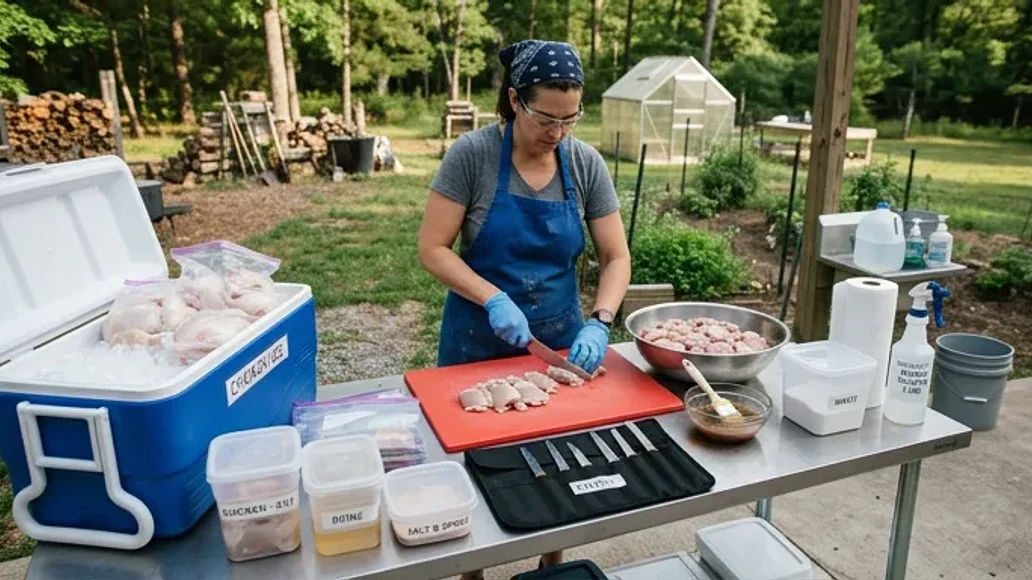
Protein skills become important quickly when stores are closed, refrigeration is unreliable, or local food systems are strained. But this is also an area where mistakes can cause serious illness. The useful skill is not just cutting meat. It is understanding cleanliness, temperature control, cross contamination, humane handling, and preservation limits.
If you want to learn butchering, start with observation and formal instruction, not improvisation. A beginner should learn how to keep tools clean, separate raw meat from ready-to-eat foods, chill meat promptly, and recognize when meat is unsafe. Curing and smoking are not casual shortcuts. They require correct salt levels, temperatures, and tested methods. If you do not have training, focus first on safer entry points such as freezer management, dehydrating approved foods, and pressure canning only with tested recipes.
| Method | Suitable foods | Key safety rules | Shelf life range | Skill difficulty |
|---|---|---|---|---|
| Pressure canning | Low-acid foods such as meats and many vegetables | Use only tested recipes and exact processing times, never invent low-acid canning methods | Often about 1 year for best quality | Moderate to high |
| Water bath canning | High-acid foods such as many jams and pickles | Confirm acidity and tested process, use proper jars and headspace | Often about 1 year for best quality | Moderate |
| Drying | Fruits, herbs, some vegetables, jerky only with safe protocols | Use correct temperatures and storage, protect from moisture | Weeks to months depending on food and storage | Low to moderate |
| Fermenting | Cabbage, cucumbers, some dairy and other traditional foods | Use correct salt ratios, clean vessels, and watch for spoilage signs | Days to months depending on method and temperature | Moderate |
| Curing and smoking | Certain meats and fish | Requires precise salt, temperature, and process control, not a beginner shortcut | Varies widely | High |
Home Preservation and Fermentation, Done the Safe Way
Food preservation is one of the best examples of a rare skill that directly increases resilience. It reduces waste, stretches harvests, and creates shelf-stable food. It also carries real botulism risk when people improvise. The safest path is simple. Pick one method, use a trusted source, and repeat it until it becomes routine.
A good beginner progression is high-acid water bath canning with tested recipes, dehydrating fruit, freezing meals efficiently, and basic vegetable fermentation with proven salt ratios. Keep notes on batch dates, storage conditions, and results. If a jar spurts, smells wrong, leaks, or shows mold where it should not, do not taste it. Throw it out safely.
Seed Saving, Small Gardens, and Soil Health
Gardening gets attention in preparedness circles, but seed saving is the deeper skill. Buying packets each spring is convenient. Maintaining locally adapted seed over time is resilience. Start with open-pollinated crops rather than hybrids, because saved hybrid seed often does not grow true to type. Beans, peas, lettuce, and tomatoes are common beginner crops for seed saving. Biennials such as carrots and onions are more advanced because they usually produce seed in their second year.
The rare part is not just collecting seeds. It is preventing accidental cross-pollination, selecting healthy plants, drying seed properly, labeling by variety and year, and storing it in cool, dry conditions. Pair that with soil building, composting, mulching, and crop rotation. Healthy soil lowers the amount of water, fertilizer, and pest control you need.
This skill is especially useful for families, renters, and older adults because it scales. A person with a large yard can maintain staple crops. A city apartment dweller can still learn seed starting, container herbs, microgreens, and community garden participation.
Herbal Remedies and Low-Tech Health Care, What Helps and What Does Not
Herbal knowledge can be useful, but it is one of the easiest areas to romanticize. Some herbs have evidence for minor symptom relief. Many do not. Some are dangerous, especially for pregnant people, children, older adults, and anyone taking prescription medications. The right mindset is modesty. Herbs may support comfort or minor issues. They do not replace emergency care for serious infection, chest pain, stroke symptoms, severe dehydration, breathing trouble, or major injuries.
Safer beginner skills include learning a few culinary herbs, understanding basic plant identification, keeping a medication list, and knowing how to read reliable safety information. Avoid wild harvesting unless you are highly confident in identification. Misidentification can poison people. Avoid making strong extracts or combining multiple herbs casually. If someone is pregnant, nursing, on blood thinners, has liver or kidney disease, or takes chronic medications, they should consult a licensed clinician before using herbs beyond normal food amounts.
| Herb example | Common use | Evidence level | Known risks or interactions | When to avoid or seek medical care |
|---|---|---|---|---|
| Ginger | Mild nausea support | Moderate | May interact with blood thinning concerns in some situations | Seek care for persistent vomiting, dehydration, pregnancy complications, or severe abdominal pain |
| Peppermint | Mild digestive discomfort | Moderate | May worsen reflux in some people | Avoid relying on it for severe pain, bleeding, or ongoing vomiting |
| Chamomile | Relaxation and mild stomach upset | Mixed to moderate | Possible allergy in people sensitive to related plants | Do not use as a substitute for mental health crisis care or allergic reaction treatment |
| Elderberry | Cold and flu symptom support | Mixed | Raw or improperly prepared parts can be unsafe | Seek care for breathing trouble, high fever, confusion, or worsening illness |
| St. John’s wort | Mood support | Mixed to moderate | Major drug interactions, including with many prescriptions | Do not self-treat severe depression, suicidal thoughts, or complex medication situations |
Sanitation and Waste Handling, the Skill That Prevents Outbreaks
Sanitation is not glamorous, but it may be one of the highest value rare skills in any disruption. Once trash piles up, toilets stop flushing, or handwashing becomes inconsistent, disease risk rises fast. The practical skill is building simple systems before you need them.
That means knowing how to store emergency water, separate drinking water from cleaning water, set up handwashing stations, disinfect surfaces correctly, manage laundry for sick people, reduce rodent access, and create an emergency toilet plan. In longer disruptions, waste location matters. Human waste should be kept away from water sources, food prep areas, and play spaces. If you are in a short-term emergency, the safest choice is often a lined portable toilet setup with absorbent material and clear disposal rules based on local guidance.
Children, older adults, and disabled family members often need sanitation plans tailored to mobility, continence, and medication needs. That planning is a skill in itself.
Welding, Carpentry, and Structural Repair
When replacement parts are delayed and contractors are booked out, repair skills become force multipliers. A person who can patch a roof temporarily, brace a damaged gate, repair a hinge, or fabricate a simple bracket can keep a home functional and safer. Welding, carpentry, masonry, and roofing all fit here, but they are not casual hobbies when safety is on the line.
Welding involves burns, eye injury, fumes, and fire risk. Carpentry and roofing bring fall hazards and power tool injuries. The best use of these skills in preparedness is prevention and maintenance. Learn how to inspect for loose fasteners, water intrusion, rot, cracked supports, and failing seals. Take a community college class, maker space workshop, or trade intro course. Practice on noncritical projects first. Do not attempt structural repairs beyond your competence, especially on load-bearing elements, gas systems, or household wiring.
Off-Grid Power, Small Engine Repair, and Essential Device Support
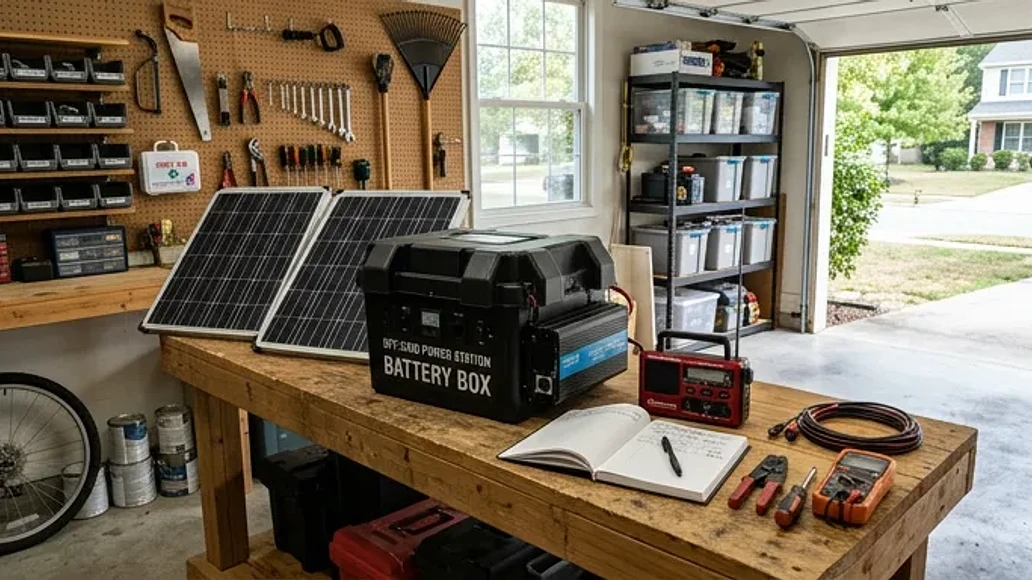
Power skills do not replace water or food, but they can protect health and communication. A working battery bank can keep phones charged, radios running, and medical devices supported for a time. A maintained generator can preserve refrigerated medicine and food. A bicycle in good repair can outperform a car when fuel is scarce or roads are blocked.
The rare skill is not owning equipment. It is understanding maintenance cycles, fuel storage limits, battery chemistry basics, safe extension cord use, and carbon monoxide risk. Generators should never run indoors or near openings. Batteries should be matched to chargers and protected from damage and extreme temperatures. Small solar systems are a good learning platform because they teach load planning, connectors, fuses, and realistic expectations.
Sewing, Leatherwork, and Clothing Repair
Clothing repair sounds minor until weather turns bad and replacement items are unavailable. Durable hand sewing can keep coats, packs, gloves, and work pants in service. Basic leatherwork can extend the life of belts, straps, sheaths, and some footwear. The real value is preserving warmth, dryness, and mobility.
Start with a repair kit, heavy needles, strong thread, patches, buttons, and a simple awl. Learn to sew on a button securely, patch knees and elbows, reinforce seams, replace drawcords, and waterproof outerwear according to manufacturer guidance. If you live in a cold climate, clothing maintenance is not just comfort. It can reduce exposure risk.
Communication, Navigation, and Information Filtering
In many emergencies, confusion causes almost as many problems as the event itself. Communication skills include more than owning radios. They include knowing which channels your household will use, how to relay a message clearly, how to keep batteries organized, and how to verify information before acting on rumors.
Navigation matters too. GPS can fail, batteries die, and road closures change fast. A paper map, compass basics, and route planning are still useful. If you want to go deeper, amateur radio can be a strong long-term skill, but it requires study and legal compliance. For most households, a simpler starting point is weather radio use, family contact plans, and neighborhood check-in procedures.
Psychological Resilience, De-Escalation, and Group Function
Stress changes judgment. People skip meals, argue, make impulsive decisions, and spread rumors. The rare skill here is not toughness theater. It is the ability to keep a group functional. That includes setting routines, assigning simple roles, using calm language, noticing overload early, and de-escalating conflict before it turns dangerous.
Useful habits include regular meal and sleep schedules when possible, short planning meetings, written task lists, and a simple rule for verifying important information. If someone is panicking, speak plainly, reduce noise, offer one next step, and avoid crowding them. If someone shows signs of severe mental health crisis, suicidal thoughts, psychosis, or inability to care for themselves or dependents, seek professional help immediately if at all possible.
Community Organizing, the Rare Skill That Multiplies Every Other Skill
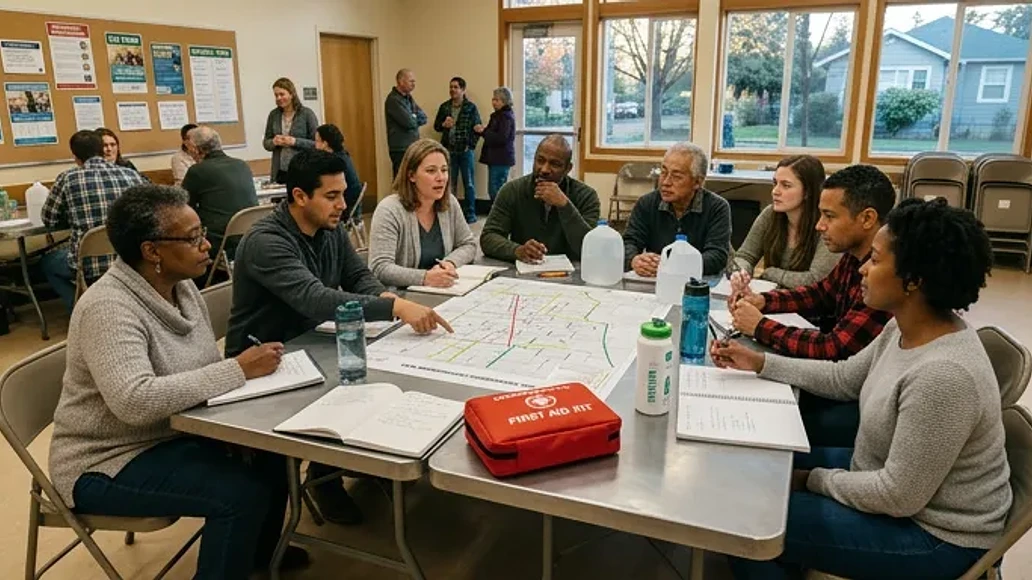
One of the most undervalued preparedness abilities is organizing people without drama. A neighborhood with one nurse, one mechanic, one gardener, one bilingual organizer, and several dependable check-in volunteers is stronger than a neighborhood of isolated individuals with duplicate gear. Community skill means building trust before a crisis, not during one.
That can be as simple as knowing who may need extra help during heat waves, who has a chainsaw and training, who can translate emergency notices, and who can host a charging station safely. Mutual aid works best when expectations are clear, boundaries are respected, and no one person becomes the entire system.
How to Choose Which Rare Skills to Learn First
Do not try to learn everything at once. Choose based on your likely risks, physical ability, living situation, and existing strengths. A family in wildfire country may prioritize evacuation planning, smoke readiness, radio use, and home hardening. An apartment dweller may focus on water storage, sanitation, communication, sewing, and no-cook food systems. A rural household may get more value from gardening, engine repair, fencing, and food preservation.
| Your situation | Best first rare skills | Why they fit |
|---|---|---|
| Urban apartment | Water storage, sanitation, communication plans, sewing, basic first aid | Space is limited, but these skills solve common outage and shelter-in-place problems |
| Suburban home | Food preservation, small solar backup, carpentry repair, neighborhood coordination | Moderate storage and community access make these practical |
| Rural property | Seed saving, engine repair, fencing, butchering with training, water systems | Distance from services increases the value of self-maintenance skills |
| Older adults or limited mobility | Medication planning, communication trees, food storage rotation, sewing, record keeping | High value with lower physical strain |
| Families with children | Sanitation routines, simple cooking, emotional regulation, backup power for essentials | Reduces illness risk and keeps routines stable |
How to Learn Safely, Without Burning Out or Going Broke
The best learning path is layered. Start with one low-cost skill that improves daily life now. Then add one hands-on class. Then practice seasonally. Community colleges, cooperative extension offices, Red Cross courses, maker spaces, gardening clubs, CERT programs, and volunteer groups are all good places to build competence.
| Skill | Typical training source | Time commitment | Approximate cost range | Practice idea |
|---|---|---|---|---|
| First aid and CPR | Red Cross or local training provider | One day to a weekend | Low to moderate | Refresh yearly and review household medical kit use |
| Food preservation | Extension class, tested home preservation course | Several hours plus practice | Low to moderate | Can one tested recipe each season |
| Seed saving | Garden club, extension, mentor | One growing season | Low | Save seed from one easy crop and label it carefully |
| Welding or carpentry | Community college, maker space, trade intro | Weeks to months | Moderate to high | Build or repair a noncritical household item |
| Radio communication | Ham club, emergency communications group | Weeks for basics | Low to moderate | Run a monthly family communication drill |
| Sewing and repair | Library class, community center, family mentor | A few sessions | Low | Repair one garment or bag each month |
Simple Practice Plan for Keeping Skills Current
Preparedness skills fade when they stay theoretical. A light practice schedule works better than intense bursts. In spring, test seed starting and inventory water supplies. In summer, practice preserving one food safely. In fall, inspect clothing, boots, and shelter repairs. In winter, review communication plans, first aid, and backup power.
Keep a notebook with dates, what you practiced, what failed, and what needs replacing. This turns prepping into household maintenance instead of doom entertainment.
Recent Context
No specific dated update is required beyond standard emergency and food safety guidance. In the last two years, public agencies have continued to stress household resilience for extreme weather, grid strain, and public health disruptions. The core message has stayed consistent, store water, maintain communication options, use tested food preservation methods, and plan for sanitation before you need it.
FAQ
What rare skills are worth learning if I live in a city and do not own land?
Urban households can get a lot of value from water storage, sanitation planning, communication skills, sewing, first aid, no-power cooking, and neighborhood coordination. You do not need acreage to learn food preservation, map reading, battery backup basics, or container gardening.
Are home herbal remedies safe to rely on if hospitals are overwhelmed?
Only for limited, minor issues, and even then with caution. Herbs can interact with medications and may be unsafe in pregnancy, childhood, or chronic illness. They should never replace emergency care for serious symptoms such as chest pain, stroke signs, severe dehydration, breathing trouble, major wounds, or suspected infection that is worsening.
How can older adults or people with disabilities participate without heavy physical strain?
Many high-value skills are low strain, medication organization, communication trees, record keeping, food rotation, sewing, radio monitoring, seed starting, and mutual aid coordination. Preparedness works best when tasks match a person’s abilities rather than forcing a one-size-fits-all model.
Is learning butchering or distilling legal, and what should I know first?
Laws vary, and normal laws apply unless officially changed. Butchering, hunting, and animal processing are regulated in many places. Distilling alcohol can carry serious legal restrictions and major fire and poisoning risks. If you are interested in either, learn the legal rules first and get proper instruction before attempting anything hands-on.
How do I practice these skills without scaring my family or becoming doom-focused?
Frame them as practical home skills. Learn to preserve food because it saves money. Learn sewing because it extends clothing life. Learn backup power because storms happen. Learn communication plans because phones fail. Skills feel less frightening when they solve normal problems today.
References
- Ready.gov, U.S. emergency preparedness guidance
- CDC, emergency water supply and treatment guidance
- CDC, botulism and food safety information
- National Center for Home Food Preservation
- USDA Food Safety and Inspection Service
- American Red Cross training, first aid and CPR
- WHO, water, sanitation, and hygiene guidance
- University Extension resources for herbs, gardening, and home skills