What Civil Defense Got Right for Modern Disasters
Cold War era preparedness was not just about bunkers. It was about shelter placement, shielding, routines, redundancy, and realistic family planning. Here is how to adapt those lessons for grid failures, fallout risk, storms, and civil unrest without falling for myths.

When people hear about Cold War survival, they often picture a backyard bunker, canned food, and a Geiger counter. The real lesson is broader and more useful. Cold War civil defense focused on reducing exposure, using existing buildings wisely, spreading risk, maintaining routines, and helping ordinary households function under stress. Those ideas still matter for modern SHTF situations, whether the problem is fallout, a long blackout, severe weather, civil unrest, or an industrial accident.
This article takes the useful parts of that old playbook and translates them into practical steps for today. It also draws a clear line around what home preparation can and cannot do. In any real emergency, official instructions from local authorities should override general advice, especially for radiation, evacuation, contaminated water, and medical care.
What were Cold War survival secrets, really?
The phrase sounds dramatic, but most Cold War household survival advice was not secret at all. It was civil defense. Governments published guidance on sheltering, food and water storage, family communication, sanitation, and what to do during fallout. Families were expected to adapt those principles to their own homes, neighborhoods, and budgets.
The most durable ideas were simple. Put mass between yourself and a hazard. Use the strongest part of the building. Avoid unnecessary travel during the highest risk period. Keep supplies where you live. Assign roles. Stay calm enough to follow a routine. Those are not relics. They are still the backbone of home preparedness.
Core Cold War principles that still work when systems fail
Time, distance, and shielding
This is the most important concept to understand for radiation and many other hazards. If the danger is outside, spending less time exposed helps. Being farther from the source helps. Putting dense material between you and the hazard helps. In a fallout scenario, that can mean moving to a basement corner or an interior room surrounded by thick walls and stored materials. In a chemical or smoke event, it can mean moving away from the source and sealing the right space while following official instructions.
Dispersal and redundancy
Cold War planners did not assume one perfect shelter would solve every problem. They thought in layers. Keep some supplies at home, some in a vehicle if appropriate, and some in portable form. Know more than one route out of your area. Have more than one way to cook, light a room, filter water, and contact family. Redundancy is less glamorous than a bunker, but it is usually more useful.
Low profile living
Another recurring lesson is to avoid advertising what you have. In a strained environment, attention can become a liability. A low profile does not mean paranoia. It means quiet routines, covered windows at night, controlled noise, discreet storage, and avoiding unnecessary conflict.
| Cold War principle | Why it worked then | Modern use | Limits |
|---|---|---|---|
| Time, distance, shielding | Reduced exposure to fallout and other hazards | Useful for fallout, smoke, chemical release, debris zones | Must follow official guidance, not guesswork |
| Dispersal | Reduced dependence on one vulnerable location | Useful for blackouts, storms, evacuations, supply disruptions | Too much dispersal can create confusion without a plan |
| Redundancy | Backups kept families functioning when systems failed | Useful for water, cooking, lighting, communications | Requires rotation and maintenance |
| Low profile behavior | Reduced visibility and conflict | Useful during unrest and scarcity | Does not replace real security or community ties |
How fallout shelter lessons translate to an ordinary home
One of the biggest myths in preparedness is that only a purpose built bunker matters. In reality, many homes already contain better short term shelter options than people realize. For fallout protection, the best spot is usually the most central, below grade, and mass surrounded area you can access safely. That often means a basement interior corner, a room under stairs, or a small interior space with no windows and heavy materials around it.
Dense materials help. Earth, concrete, water containers, books, filled storage bins, and solid furniture can all add mass between you and outside fallout. The goal is not to make the event safe. The goal is to reduce exposure while the outside hazard is highest.
Do not start tearing into load bearing walls or piling dangerous weight onto weak floors. Structural changes should be reviewed by qualified professionals. Poorly designed underground spaces can collapse or trap occupants.
| Shelter option | Shielding potential | Speed to use | Cost | Main strengths | Main risks |
|---|---|---|---|---|---|
| Basement interior corner | High in many homes | Immediate | Low | Below grade, surrounded by soil and structure | Flooding, poor ventilation, not available in all homes |
| Improvised inner room | Moderate | Fast | Low to moderate | Works in apartments and slab homes | Less mass, may need added shielding |
| Public substantial building | Moderate to high | Depends on access | Low | Concrete, central spaces, larger footprint | Crowding, access issues, official restrictions |
| Purpose built bunker | Potentially high | Ready if already built | High | Can be designed for long stays | Very expensive, engineering and ventilation risks if poorly built |
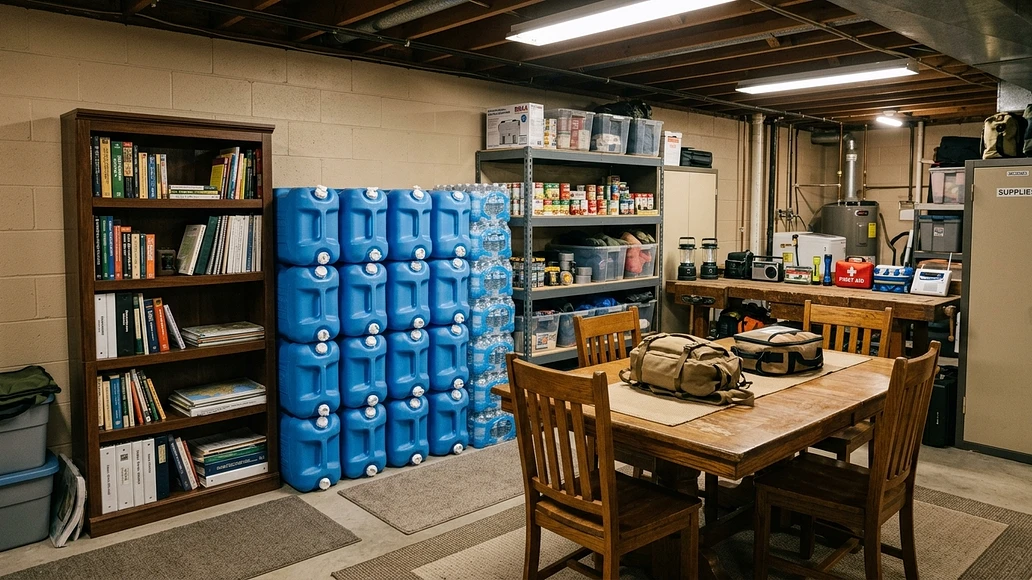
Bunkers versus mobility, the tradeoff most people miss
A fixed shelter is not automatically the best answer. Cold War planning often balanced sheltering with mobility, dispersal, and the use of existing structures. A static bunker can become a liability if it floods, lacks ventilation, is structurally unsound, or locks you into the wrong location for the event.
For example, in a short fallout window, staying inside a substantial building may be far safer than trying to travel. In a wildfire, flood, or fast moving industrial release, mobility may matter more than shelter depth. In civil unrest, a low profile home with layered security and a backup place to go may outperform a highly visible bunker project.
The right question is not, should I build a bunker? The better question is, what shelter and movement options fit my actual risks, budget, and home type?
Apartment
Focus on interior rooms, water storage, air sealing supplies appropriate to the hazard, battery lighting, communications, and a fast evacuation plan if ordered.
Suburban home
Focus on basement or interior shelter setup, backup cooking and heat used safely, neighborhood awareness, and supply rotation.
Rural property
Focus on water systems, fuel management, food storage, alternate structures, and realistic travel constraints during storms or fuel shortages.
Cold War family routines that still make sense
Preparedness is not just gear. It is behavior under stress. Wartime and civil defense experience repeatedly showed that people function better when they have a schedule, clear roles, and small purposeful tasks. That matters in every disaster, not just the extreme ones.
A family routine can include who checks water, who manages sanitation, who logs radio updates, who watches children, and who handles pet needs. A written notebook helps track supplies, symptoms, decisions, and changing conditions. Journaling may seem minor, but it reduces confusion and helps people think clearly when tired.
| Routine area | Daily task | Weekly task | Quarterly drill |
|---|---|---|---|
| Shelter space | Check cleanliness and access | Inspect lighting and ventilation items | Practice moving into shelter in under 10 minutes |
| Food and water | Track use if sheltering | Rotate short shelf life items | Review storage dates and refill gaps |
| Communication | Monitor updates if event is active | Charge backup power and test radios | Run a family contact drill |
| Navigation | Keep maps accessible | Review route changes | Practice one local route without GPS |
| Health and morale | Meals, rest, check on stress levels | Review medication continuity | Discuss concerns and update plans calmly |
Postwar home skills that still work when the grid goes down
Some of the most useful Cold War era lessons came from older household resilience skills rather than military style tactics. If power is out for days or weeks, low energy living matters more than dramatic survival tricks.
Low fuel heating and thermal mass
Heavy materials like masonry, water, and dense interior contents can help smooth temperature swings. So can weatherstripping, draft control, layered clothing, and concentrating living activity into one safer, easier to heat room. Never use unvented combustion devices in enclosed spaces unless the product is specifically designed and approved for that use. Carbon monoxide is a real killer in blackouts.
Food preservation without refrigeration
Root cellars, cool basements, brining, dehydrating, and other low energy storage methods can stretch supplies. Use tested food preservation methods from extension services or other authoritative sources. Improper canning or storage can cause serious illness.
Quiet home hardening
Simple privacy measures, better exterior lighting control, reinforced habits around doors and windows, and good relations with trusted neighbors often do more than flashy gear. Keep self defense planning general, lawful, and proportional to your area and risk.
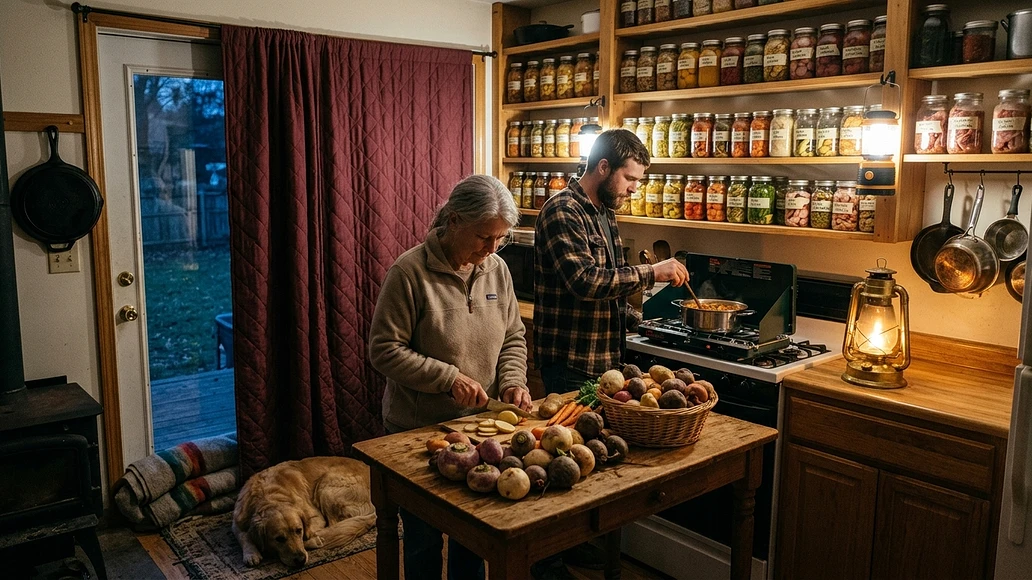
Barter and small comforts during scarcity
Historical shortages show that practical, everyday items often matter more than exotic gear. Soap, salt, sewing supplies, basic bandages, batteries, matches, and simple comfort items can carry real value. A small ethical barter reserve can help your household and support neighbors without turning your home into a storefront.
Keep it modest. Store what you already know how to use. Avoid hoarding prescription medications or antibiotics without medical oversight. That is unsafe and can be illegal.
| Item | Historical role | Modern use | Storage tip |
|---|---|---|---|
| Soap | Hygiene and trade staple | Sanitation during outages | Keep dry and sealed |
| Salt | Preservation and seasoning | Cooking, food storage support | Store airtight to prevent clumping |
| Sewing needles and thread | Clothing repair | Extends life of garments and gear | Use rust resistant containers |
| Candles and matches | Light source | Backup lighting | Store cool and dry, use fire safely |
| Water treatment supplies | Health protection | Safer drinking water in disruptions | Rotate per manufacturer guidance |
| Basic bandages | Minor wound care | First aid and trade support | Keep sealed and clean |
Radiation basics for non specialists
Radiation is one of the easiest topics to sensationalize and one of the most important to handle carefully. The useful household level takeaway is that fallout behaves like contaminated dust and debris. You want to avoid breathing it, tracking it indoors, or remaining exposed outside when official guidance says to shelter.
For non specialists, the practical framework is still time, distance, and shielding. Spend less time exposed. Increase distance from contaminated areas when movement is appropriate and officially advised. Use dense materials and central shelter placement to reduce exposure. Remove outer clothing if contaminated, bag it away from living areas if instructed, and wash exposed skin gently when clean water is available.
Home measures can reduce risk, but they do not make a nuclear event safe. If authorities issue shelter, evacuation, or decontamination instructions, follow those first. Anyone with suspected significant exposure, breathing trouble, serious injury, or worsening symptoms needs medical evaluation as soon as it is available.
| Claim or tactic | Evidence strength | Practical takeaway |
|---|---|---|
| Time, distance, shielding reduce fallout risk | Strong | Core principle worth planning around |
| Dense materials like earth, water, books, and furniture can help shield | Strong | Useful for improvised home sheltering |
| Interior and below grade sheltering is often best | Strong | Know your best room before an emergency |
| A backyard bunker is always the best option | Mixed | Depends on engineering, ventilation, and scenario |
| DIY stockpiling of antibiotics is smart preparedness | Weak and potentially harmful | Work with a healthcare provider on medication continuity instead |
Psychological survival matters more than people admit
Fear, boredom, conflict, and uncertainty can break down decision making long before supplies run out. Cold War and wartime experience showed that routine, role assignment, and morale building are not luxuries. They are part of survival.
Keep days structured. Eat at regular times. Maintain hygiene. Give children age appropriate jobs. Limit rumor chasing. Write down decisions. Build in quiet time. If you are sheltering with others, create simple rules for noise, sanitation, privacy, and conflict resolution.
Being low profile also has a social side. You want to avoid becoming a target, but total isolation can backfire. Trusted cooperation with a few reliable people often improves security, information flow, and emotional stability.
Movement, security, and legal boundaries
Some military inspired ideas do translate to civilian emergencies. Move with a purpose. Avoid unnecessary exposure. Do not silhouette yourself with bright lights at night. Know alternate routes. Avoid obvious choke points if unrest is active. Keep your vehicle fueled when regional tensions are rising.
But there are hard limits. Entering industrial sites, abandoned buildings, or private property can be illegal and dangerous. Chemical residues, unstable structures, and hidden hazards can kill people who are simply trying to improvise. Treat stories of wartime scavenging as history, not a recommendation.
Likewise, security planning should stay general and lawful. Focus on awareness, locks, lighting, communication, and de escalation. Follow local laws and avoid vigilantism.
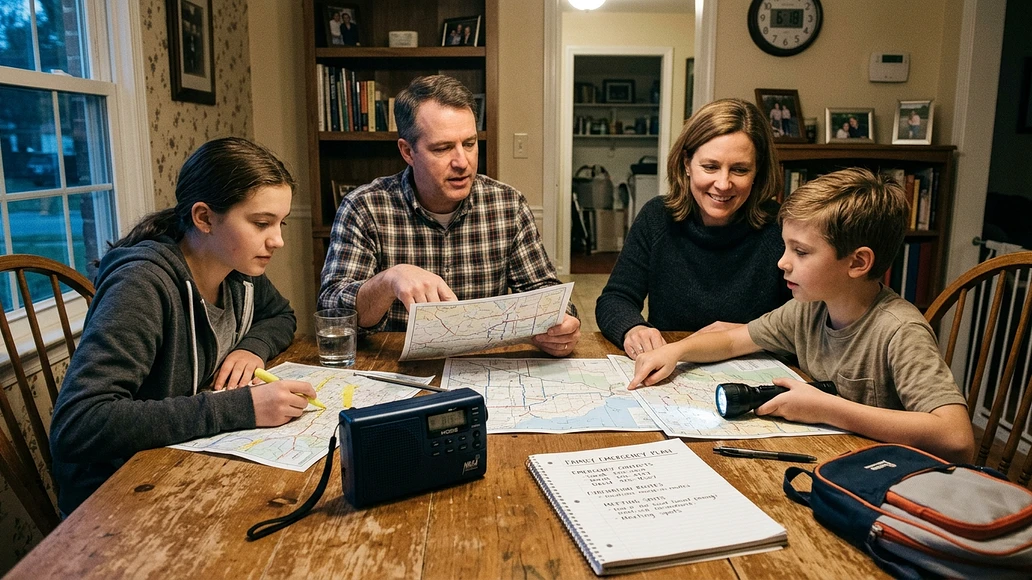
Shelter engineering lessons for root cellars and safe rooms
If you are considering a serious shelter project, engineering matters more than internet bravado. Earth is heavy. Water pressure is relentless. Poor drainage, weak roof spans, and bad ventilation can turn a shelter into a trap.
Cold War shelter design emphasized structural strength, proper backfill, drainage, and shapes that handle load well, such as arches or vaults. Those same principles apply to root cellars and hardened storage rooms. Before building or modifying anything substantial, check local code requirements and consult qualified professionals. Never excavate near foundations or alter load bearing elements without expert guidance.
How these lessons apply outside nuclear scenarios
Most readers are more likely to face a blackout, storm, wildfire smoke event, civil unrest, or industrial accident than nuclear fallout. The good news is that many Cold War principles still transfer well.
| Tactic | Nuclear event | Grid failure | Severe storm | Civil unrest | Industrial accident |
|---|---|---|---|---|---|
| Time, distance, shielding | Highly useful | Limited use | Partly useful | Partly useful | Highly useful |
| Dispersal and redundancy | Highly useful | Highly useful | Highly useful | Highly useful | Partly useful |
| Root cellar and food storage | Partly useful | Highly useful | Highly useful | Partly useful | Limited use |
| Barter reserve | Limited use | Partly useful | Partly useful | Highly useful | Limited use |
| Psychological routine | Highly useful | Highly useful | Highly useful | Highly useful | Highly useful |
Recent context, why this topic is back
Public discussion about civil defense has returned in recent years as people think more about fragile infrastructure, geopolitical tension, cyber risk, and supply chain shocks. Modern emergency management still emphasizes basics like sheltering, communication plans, and household kits, but most families no longer receive the kind of routine civil defense education that earlier generations saw. That makes calm, realistic home planning more valuable, not less.
Common myths that lead people astray
The first myth is that one expensive project solves everything. It does not. The second is that fallout protection is impossible without a bunker. It is not. Existing buildings and smart shelter placement can make a meaningful difference. The third is that gear matters more than routine. In many real emergencies, discipline and planning outperform shopping.
Another common mistake is preparing for only one dramatic scenario. A home setup that helps in a blackout, storm, and water outage will likely serve you more often than a narrow fantasy build.
A realistic starting plan for ordinary households
Start by identifying your best interior shelter space. Store water, lighting, first aid, sanitation supplies, and a radio nearby. Build a written family contact plan. Keep a modest pantry and rotate it. Add low energy food storage methods where practical. Review medication continuity with your healthcare provider. Learn how to shut off utilities if local guidance recommends it. Practice one calm drill every quarter.
That is not flashy, but it is exactly the kind of practical readiness that has helped families through real disruptions for generations.
When to rely on professionals instead of DIY
Use professionals when the stakes exceed household skill. That includes structural shelter work, electrical modifications, serious water contamination concerns, medication planning, and any significant injury or suspected radiation exposure. Emergency management offices, building departments, healthcare providers, and licensed mental health professionals all have a place in a serious preparedness plan.
FAQ
Is it still worth building a backyard bunker for SHTF, or should I focus on interior shelters instead?
For most households, improving an interior shelter space is the better first move. It is faster, cheaper, and often safer than a poorly designed bunker. A purpose built shelter can make sense for some properties and risk profiles, but only if it is engineered correctly, ventilated safely, and legal in your area.
How much earth or shielding material do I really need between me and fallout to make a difference?
More dense material generally means better protection, but this is not a do it by guesswork project. The practical takeaway is to choose the most central, below grade, mass surrounded space available and add dense materials safely where you can. Do not overload floors or create collapse hazards. Follow official guidance during any real event.
Can Cold War survival lessons help in non nuclear disasters like blackouts or civil unrest?
Yes. In fact, many of the best lessons are more useful for everyday disruptions than for extreme scenarios. Redundancy, food and water storage, low profile living, family drills, communication plans, and morale routines all transfer well.
What are the simplest Cold War inspired preparations a beginner can start this month?
Pick your best shelter room, store a few days of water and shelf stable food, add battery lighting and a radio, write down family roles and contacts, rotate supplies, and practice one short drill. Those basics cover far more ground than buying specialized gear at random.
How do I practice these skills safely without scaring my family or breaking local laws?
Keep drills short, calm, and practical. Frame them as household readiness, not apocalypse theater. Practice moving to a shelter room, checking supplies, using flashlights, and reviewing contact plans. Avoid trespassing, unsafe shelter construction, and any medical or security activity beyond your training and local laws.