The Prepper’s Practical Guide to Hawthorn for Heart Support, Food, and Foraging
Learn what hawthorn can realistically do, how to identify and prepare it, where it fits in a preparedness plan, and when it is not safe to use without medical guidance.

Hawthorn is one of those plants that sits at the crossroads of food, folk medicine, and practical preparedness. Its berries can be turned into syrup, jelly, or tea. Its leaves and flowers have a long history in herbal traditions. Modern research also suggests that hawthorn may support circulation and heart function in specific situations, especially as an adjunct, not a replacement, for proper medical care.
That distinction matters. If you are building a resilient home apothecary, hawthorn can be a useful plant to know. If you are treating chest pain, fainting, severe shortness of breath, or dangerous heart rhythm symptoms, hawthorn is not an emergency solution. In those situations, delaying real care can be dangerous.
This guide takes a practical prepper angle while staying grounded in safety. We will cover what hawthorn is, what the evidence actually supports, how to identify and prepare it, and how to fit it into a realistic long term wellness plan.
What hawthorn is, and why preparedness-minded households care about it
Hawthorn refers to several Crataegus species, small thorny trees or shrubs found across parts of North America, Europe, and Asia. People have traditionally used the flowers, leaves, and berries for heart and circulation support, digestion, and general tonic use.
For preppers, hawthorn stands out for a few reasons. It can often be grown at home. It offers both food and herbal value. It stores reasonably well when dried or preserved. It also fits the kind of slow, supportive care that matters in long disruptions, where maintaining baseline health becomes more important than chasing miracle cures.
Its best role is not as a dramatic survival medicine. Its best role is as a modest, versatile plant that can support a broader plan built around diet, exercise, stress control, and access to prescribed medications.
What the research says hawthorn may help with
Hawthorn has a stronger evidence base than many herbs, but the quality of support varies by use. The most studied area is mild to moderate chronic heart failure as an add-on to standard treatment. There is also moderate support for small blood pressure benefits and some lipid-related effects. Other uses remain more traditional or emerging.
| Use or claim | Evidence strength | What it may realistically do | Prepper relevance |
|---|---|---|---|
| Mild to moderate chronic heart failure, adjunctive use | Well supported | May improve exercise tolerance, fatigue, and shortness of breath when added to standard care | Useful background knowledge, but not a substitute for prescriptions or monitoring |
| Mild blood pressure support | Moderately supported | May contribute to small reductions in blood pressure over time | Potential long term wellness support in a heart-friendly lifestyle plan |
| Lipid metabolism support | Moderately supported | May help improve cholesterol and triglyceride patterns in some contexts | Relevant for pantry planning and long term cardiovascular resilience |
| General cardiovascular tonic use | Moderately supported | May support circulation and heart comfort over time | Reasonable herbal pantry candidate for adults without major contraindications |
| Digestive support | Traditional plus emerging evidence | May help with indigestion and heavy meal discomfort | Useful dual-purpose plant for food and home remedy use |
| Glucose and metabolic support | Emerging, mixed | Interesting early findings, but not reliable diabetes treatment | Low priority compared with proven diet and medication strategies |
| Stress and mild anxiety support | Weak to moderate | May have mild calming effects in some people | Possible bonus use, but not a primary reason to stock it |
| Emergency heart treatment | Not supported | Should not be relied on for chest pain, stroke, severe arrhythmia, or acute heart failure | Critical myth to avoid |
How hawthorn may support the heart and circulation
Researchers have looked at several mechanisms that could explain hawthorn’s traditional reputation. Compounds in hawthorn appear to have antioxidant activity, may help blood vessels relax, and may modestly influence heart muscle performance and circulation. Some reviews also discuss effects related to ACE inhibition and vascular tone.
In plain language, hawthorn seems most promising as a gentle supportive herb for circulation, not as a rescue drug. That is why studies tend to show the most value in long term adjunctive use, especially in people already receiving standard care.
For a prepper audience, the practical lesson is simple. Hawthorn belongs in the category of supportive maintenance, not crisis intervention.
Heart failure and blood pressure, where the evidence is strongest and where it stops
Clinical trials and reviews suggest that standardized hawthorn extracts may help some people with mild to moderate chronic heart failure, often described as New York Heart Association class I or II. Benefits reported in studies include improved exercise capacity and reduced symptoms such as fatigue and breathlessness.
That does not mean hawthorn cures heart failure. It does not reverse structural heart disease, replace diuretics, or stand in for physician-guided treatment. In more severe disease, or in people already on complex modern therapy, added benefit is less clear. Relying on hawthorn alone in serious heart disease is unsafe.
For blood pressure, the picture is more modest. Hawthorn may help produce small reductions over time, likely through blood vessel relaxation and related mechanisms. That can be useful, but it is not the same as dependable control in someone with significant hypertension. If a person already takes blood pressure medication, adding hawthorn without guidance can push pressure too low or complicate management.
Beyond the heart, digestion, metabolism, and everyday wellness
Hawthorn is not only a heart herb. Traditional systems have also used it for digestion, especially after rich or fatty meals. Some modern work suggests it may influence lipid metabolism and inflammatory pathways. There is also limited evidence for mild calming or stress-related benefits.
These broader uses matter in preparedness because the most valuable plants are often the ones with more than one practical role. A berry that can become food, a tea, and a gentle digestive aid is more useful than a plant with only one narrow application.
Still, it helps to rank priorities honestly. If your goal is better long term health under stress, sleep, movement, blood pressure control, adequate prescriptions, and a less processed diet will matter more than any single herb.
Who should be careful, and who should avoid unsupervised use
Hawthorn is widely regarded as safe as a food. Standardized extracts have also shown relatively low rates of side effects in studies, with dizziness, stomach upset, headache, fatigue, sweating, and occasional palpitations among the more common complaints.
The bigger issue is not usually toxicity from normal use. The bigger issue is interaction risk and false confidence.
| Situation | Main concern | What to watch for | Recommended action |
|---|---|---|---|
| Blood thinners or antiplatelet drugs | Possible increased bleeding risk | Easy bruising, nosebleeds, black stools, unusual fatigue | Do not start without clinician guidance |
| Blood pressure medications | Additive blood pressure lowering | Dizziness, weakness, faintness, low readings | Use only with medical supervision |
| Heart rhythm or heart failure medications | Potential interaction with cardiac effects | Palpitations, symptom changes, lightheadedness | Discuss with clinician before use |
| Upcoming surgery | Bleeding and hemodynamic concerns | Any planned procedure requiring anesthesia or surgical bleeding control | Stop hawthorn 7 to 14 days before surgery unless told otherwise |
| Pregnancy or breastfeeding | Limited safety data for concentrated extracts | Any unsupervised supplement use | Avoid extracts unless a qualified professional advises otherwise |
| Children | Limited evidence for supplements and extracts | Dosing uncertainty, sensitivity | Do not use medicinally without pediatric advice |
| Low blood pressure or fainting history | May worsen hypotension | Dizziness, falls, near-fainting | Avoid self-experimenting |
Medication interactions preppers should take seriously
Preparedness culture sometimes encourages self-reliance to the point of overconfidence. Hawthorn is a good example of why that can backfire. Because it may affect circulation, blood pressure, platelet activity, and heart function, it deserves more caution than a casual kitchen herb.
If you take warfarin, aspirin, clopidogrel, or similar drugs, hawthorn may increase bleeding risk. If you take beta-blockers, ACE inhibitors, antiarrhythmics, or other heart medications, hawthorn may alter how your body responds. That does not mean it is always forbidden. It means it should be treated as a real active substance, not as harmless background tea.
If you are building a preparedness plan for someone with diagnosed heart disease, the first priority is continuity of prescribed care, medication storage, refill strategy, copies of prescriptions, and a clinician-approved backup plan. Herbs come after that, not before.
Special caution zones, pregnancy, breastfeeding, children, and chronic illness
Food amounts of hawthorn, such as occasional berry preserves, are generally less concerning than concentrated extracts. Even so, concentrated tinctures, capsules, and standardized extracts are not a good area for guesswork in pregnancy, breastfeeding, or childhood.
People with chronic illness should also be more conservative. The more diagnoses and medications a person has, the more likely it is that a seemingly simple herb can complicate things. This is especially true for older adults with polypharmacy, low blood pressure, kidney disease, or unstable heart symptoms.
How to identify hawthorn without making a dangerous mistake
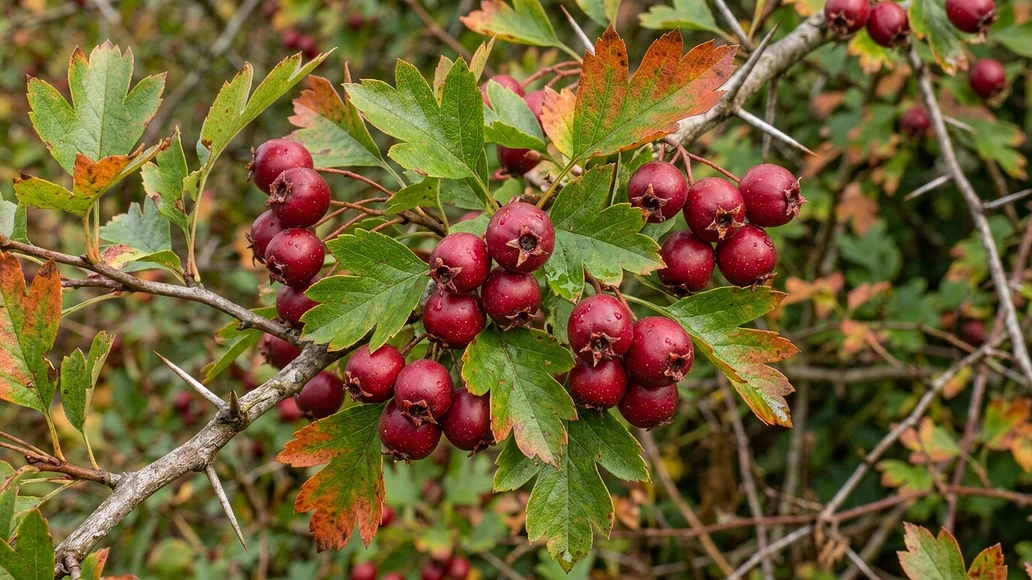
Correct identification matters more than enthusiasm. Hawthorn usually grows as a thorny shrub or small tree. Leaves are often lobed. Spring flowers are typically white to pinkish and grow in clusters. The fruits are small red berries, more accurately pomes, that ripen later in the season. Thorns are a major clue, though size and shape vary by species.
Never rely on one feature alone. Use a full pattern of traits, plus region-specific field guides. Avoid harvesting from roadsides with heavy contamination, sprayed landscapes, or areas where you are unsure of the species.
| Feature | Typical hawthorn traits | What to double-check | Possible confusion risk |
|---|---|---|---|
| Growth form | Small tree or large shrub, often dense and thorny | Look at bark, branching, and overall habit | Other hedgerow shrubs |
| Leaves | Usually lobed, toothed, and variable by species | Compare several leaves from the same plant | Other rose family plants |
| Thorns | Sharp woody thorns on branches | Confirm they are true thorns, not just twig stubs | Blackthorn and similar shrubs |
| Flowers | Small white or pinkish clusters in spring | Check petal number and cluster form | Ornamental flowering shrubs |
| Fruit | Small red pomes in late season | Cut one open and inspect seed structure if needed | Red berried ornamentals |
| Habitat | Hedgerows, woodland edges, old fields, yards | Confirm local species range | Mixed hedgerow plantings |
If you are new to foraging, learn hawthorn with an experienced local guide before using it medicinally. A plant that is easy for an expert can still be easy to misread for a beginner.
Harvesting and storing hawthorn for a home apothecary
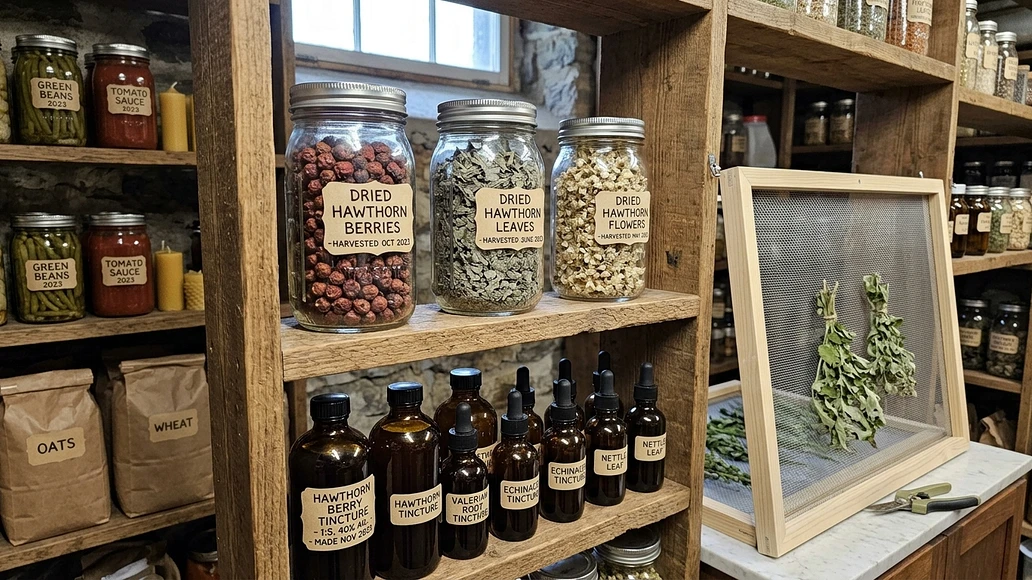
Leaves and flowers are usually harvested in spring when fresh and healthy. Berries are harvested when fully colored and mature, often in fall. Choose clean, unsprayed plants away from pollution sources.
Dry plant material promptly in a warm, airy, shaded place until crisp, not leathery. Store in labeled glass jars or other moisture-resistant containers away from heat and light. Check periodically for mold, insect activity, or fading aroma. Good storage habits matter more than collecting large amounts.
For preparedness, small well-managed stores beat large neglected ones. Rotate yearly if possible, especially for leaves and flowers, which tend to lose quality faster than preserved berry products.
Practical hawthorn preparations for food and home use
Hawthorn is useful because it can be prepared in several ways depending on your goals and equipment. Tea is simple. Syrup is family-friendly but sugary. Tincture stores well. Powder is compact but less pleasant for many people. Food preparations make the most sense for routine use.
| Preparation | Basic materials | Shelf life | Dose control | Best use case |
|---|---|---|---|---|
| Tea or infusion | Dried leaves, flowers, or berries, hot water | Use fresh within a day | Low to moderate precision | Simple daily use when you want minimal gear |
| Tincture | Plant material, alcohol, jar, strainer, dropper bottle | Often years if stored well | Better precision than tea | Compact long-term storage and travel use |
| Syrup | Berry decoction plus sugar or honey | Moderate, shorter once opened | Moderate precision | Palatable household remedy and food topping |
| Powder | Dried berries ground finely | Moderate if kept dry and cool | Variable precision | Adding to porridge or trail mixes in small amounts |
| Jam, jelly, or cordial | Berries, sweetener, water, kitchen tools | Varies by canning method and storage | Food use, not ideal medicinal precision | Best for preserving harvest and routine pantry use |
Simple hawthorn tea
Use 1 to 2 teaspoons of dried leaves and flowers, or crushed dried berries, per cup of hot water. Steep covered for 10 to 15 minutes, then strain. Start with a small amount the first few times to see how you respond.
Basic berry decoction
Simmer dried or fresh berries gently in water for 20 to 30 minutes, then strain. This stronger liquid can be used as a base for tea, syrup, or a reduced cordial.
Simple syrup for pantry use
Make a berry decoction first. Strain it well. Combine the liquid with sugar or honey and heat gently until dissolved. Bottle in sterilized containers and refrigerate after opening. This is best treated as a food-forward preparation, not a precise medical dose.
Tincture basics
Cover chopped fresh or dried plant material with appropriate alcohol in a clean jar, label it, and let it extract for several weeks, shaking periodically. Strain and bottle. Because tinctures are concentrated and easier to overuse, they are not the best starting point for people on medications or for anyone unsure about dosing.
Dosing basics, food use versus medicinal use
Food use and medicinal use are not the same thing. Eating hawthorn in jam or drinking an occasional mild tea is very different from taking a standardized extract daily.
Clinical studies often use standardized extracts rather than casual homemade preparations, which is one reason research findings do not translate neatly into kitchen dosing. Standardized products may provide more consistent amounts of active compounds. Homemade teas and syrups vary widely by species, plant part, harvest timing, and preparation method.
For that reason, more is not better. If someone wants to use hawthorn medicinally, especially for cardiovascular support, it makes sense to start low, use one form at a time, and avoid stacking tea, tincture, capsules, and syrup all together. People with diagnosed heart conditions should discuss dose and monitoring with a clinician.
Where hawthorn fits in a realistic preparedness plan
Hawthorn makes sense in preparedness when viewed as part of a layered system. It can support a heart-conscious pantry, a home garden, and a basic herbal toolkit. It does not replace emergency medicine, prescription continuity, or routine preventive care.
A strong preparedness plan for cardiovascular health usually includes stored medications where legally and medically appropriate, blood pressure monitoring, low-sodium and high-fiber food options, regular walking or other movement, stress management habits, and a clear plan for getting help when symptoms change.
Hawthorn can complement that system. It cannot carry that system by itself.
Common mistakes people make with hawthorn
The first mistake is treating hawthorn like a stand-alone heart medicine. The second is ignoring interactions. The third is poor plant identification. The fourth is using multiple forms at once and then having no idea which one caused a side effect.
Another common error is assuming that because hawthorn is natural, it is automatically safe for everyone. Many of the people most interested in hawthorn are older adults with blood pressure issues, circulation concerns, or multiple prescriptions. That is exactly the group that should be most careful.
Buying hawthorn when you cannot forage
If you are purchasing hawthorn instead of harvesting it, quality matters. Look for reputable companies that identify the plant part used, species when possible, extraction details, and lot information. Avoid products with vague proprietary blends that make dose tracking difficult.
For preparedness storage, dried herb should be kept cool, dark, and dry. Tinctures should be tightly sealed and labeled with the date. Capsules and extracts should be rotated before expiration. Keep all herbal products out of reach of children and separate from your emergency medications to prevent confusion.
Emerging research worth watching
Recent reviews continue to explore hawthorn’s effects on lipid metabolism, oxidative stress, and broader metabolic regulation. That is promising, especially for long term wellness planning. But promising mechanisms are not the same as proven outcomes in real people.
The practical takeaway is that hawthorn remains most credible as a supportive cardiovascular herb with possible metabolic side benefits. It is not yet a proven answer for diabetes, major cholesterol problems, or severe cardiac disease.
When hawthorn is not enough, and when to get help fast
Do not rely on hawthorn if you have chest pain, shortness of breath at rest, fainting, severe palpitations, sudden weakness, stroke symptoms, or swelling that is rapidly worsening. Those are medical problems, not herbal experiments.
Stop using hawthorn and seek professional advice if you develop persistent dizziness, unusual bleeding, black stools, major blood pressure changes, or worsening heart symptoms after starting it. If you are preparing for surgery, tell your care team about all supplements and stop hawthorn in advance unless they instruct you differently.
FAQ
Can hawthorn replace my heart or blood pressure medications if I am preparing for hard times?
No. Hawthorn should not replace prescribed treatment for heart disease or hypertension. Its best-supported use is as adjunctive support in selected cases, under supervision. For preparedness, focus first on medication continuity, monitoring, and clinician-approved backup plans.
How long can I safely take hawthorn as a daily heart tonic?
That depends on the form, the dose, your health status, and your medications. Food use is different from extract use. If you want daily medicinal use for more than a short trial, especially for heart-related reasons, discuss it with a clinician who knows your medication list and blood pressure history.
Is it safe to give hawthorn tea or syrup to children in an emergency?
Do not assume so. Food amounts may be less concerning, but medicinal use in children is not well established. In an emergency, children need age-appropriate medical guidance, not improvised dosing of concentrated herbal products.
What is the safest way to start hawthorn if I am already on blood thinners or heart drugs?
The safest way is not to start on your own. Talk to your clinician or pharmacist first. Hawthorn may interact with blood thinners, antiplatelet drugs, blood pressure medications, and other heart medicines. If approved, start with one form only and monitor for dizziness, bleeding, or symptom changes.
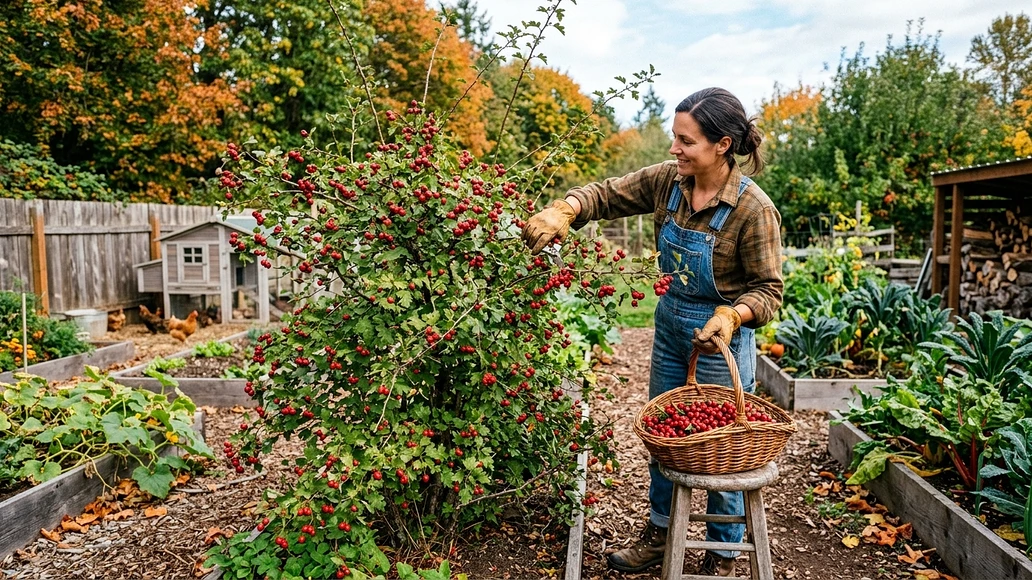
Can I grow hawthorn at home as part of my long-term preparedness plan?
Yes, in many regions hawthorn can be grown as a useful landscape or hedgerow plant. It offers food, wildlife value, and herbal potential. Just plan for thorns, correct species selection, and enough space. If your goal is medicinal use, keep records of the species and learn proper harvest and storage methods.