The Everyday Abilities Most of Us Learn Too Late
Many adults look back and realize the hardest parts of life were not caused by a lack of talent, but by missing everyday skills. This guide covers the practical, emotional, financial, digital, and household abilities that make adult life easier, safer, and less stressful.

Many people reach adulthood thinking they need more motivation, more confidence, or more discipline, when what they really need is a better set of everyday skills. Life gets easier when you can calm yourself down, ask better questions, read a contract carefully, manage your time, cook safely, and spot a scam before it costs you money.
That is what this article is about. Not niche survival tricks, and not vague self-help slogans. These are practical life skills that reduce stress, prevent avoidable problems, and help you function better at home, at work, online, and in relationships.
Public health and education frameworks often describe life skills as abilities that help people deal effectively with the demands and challenges of everyday life. In plain English, they are the skills that keep small problems from turning into expensive, painful, or exhausting ones.
What counts as a life skill
It helps to think of life skills in three broad groups.
| Category | What it means | Everyday example | How it helps |
|---|---|---|---|
| Psychosocial skills | How you manage thoughts, emotions, stress, and decisions | Pausing before reacting to an upsetting text | Prevents conflict, burnout, and impulsive choices |
| Interpersonal skills | How you communicate, listen, set boundaries, and resolve conflict | Saying no clearly without escalating tension | Protects relationships and reduces resentment |
| Practical and systems skills | How you handle money, paperwork, health appointments, digital tools, and home tasks | Reading a lease before signing it | Reduces preventable financial, legal, and household problems |
The most useful life skills are not glamorous. They are repeatable. They save time, money, energy, and sometimes your safety.
Why learning these skills earlier matters
Skills learned early tend to shorten recurring problems. If you understand budgeting, you may avoid years of high-interest debt. If you know how to regulate stress, you may recover faster from setbacks. If you can communicate directly, you may prevent misunderstandings that damage work and family relationships.
Some skills also help in the moment without fixing the whole issue. A breathing exercise can lower immediate stress, but it will not solve a toxic workplace or untreated depression. That distinction matters.
| Skill area | Shortens the root problem | Eases symptoms | Notes |
|---|---|---|---|
| Emotional regulation | Often | Yes | Helps with immediate stress and can reduce repeated overreactions over time |
| Communication and boundaries | Yes | Sometimes | Prevents many avoidable conflicts before they grow |
| Budgeting and understanding interest | Yes | Sometimes | Can reduce chronic money stress when practiced consistently |
| Time management | Often | Yes | Improves daily overwhelm and long-term organization |
| Critical thinking and scam awareness | Yes | Rarely | Best at preventing bad decisions before they happen |
| Basic self-care routines | Sometimes | Yes | Helpful support, but not a replacement for professional care when needed |
Emotional regulation, the skill behind many other skills
If there is one ability that improves almost everything else, it is learning how to notice what you are feeling before it starts driving your behavior. Emotional regulation does not mean suppressing feelings. It means recognizing them, naming them, and choosing a response that fits the situation.
Useful starting practices include taking a short pause before replying, identifying the feeling in simple language, and asking what the situation actually requires. Sometimes the answer is rest. Sometimes it is a hard conversation. Sometimes it is stepping away until you can think clearly.
Stress management belongs here too. Basic breathing, sleep routines, movement, journaling, and asking for support can all help. These are supportive tools, not cures. If low mood, anxiety, sleep problems, panic, or physical symptoms are persistent or interfere with daily life, professional medical or mental health care is the safer next step. If thoughts of self-harm or harming others are present, seek urgent help right away.
Communication skills that prevent years of friction
Many adult problems are not caused by bad intentions. They are caused by unclear expectations, indirect language, poor listening, and fear of saying no. Communication is not just about speaking well. It is also about understanding what the other person is actually saying, and what they are avoiding saying.
The most useful communication habits are simple.
- State the issue clearly instead of hinting.
- Use specific examples instead of broad accusations.
- Ask clarifying questions before assuming intent.
- Set boundaries early, before resentment builds.
- Say no without overexplaining.
A sentence like, “I can help on Thursday, but not tonight,” is often healthier than a vague yes followed by stress and frustration. Good boundaries protect relationships because they reduce hidden anger and mixed signals.

Money basics that are easier to learn before you need them
Financial literacy does not require becoming an investor or spreadsheet expert. It starts with understanding where your money goes, what debt costs, and what obligations you are agreeing to when you sign something.
A practical starter kit includes tracking spending, building a small emergency buffer, understanding interest rates, paying attention to recurring charges, and reading the key terms on loans, leases, and service contracts. Even a modest emergency fund can reduce the chance that every surprise becomes a crisis.
This is general guidance only. Major debt decisions, tax questions, property documents, business formation, and legal disputes are situations where qualified financial, tax, or legal professionals are worth consulting.
| Money skill | What to learn first | Common mistake | Why it matters |
|---|---|---|---|
| Budgeting | Track income, bills, and variable spending | Guessing instead of measuring | Shows where stress is really coming from |
| Emergency savings | Start with a small, reachable target | Waiting for the perfect amount before starting | Creates breathing room during setbacks |
| Interest and debt | Learn the difference between low and high interest debt | Focusing only on monthly payment size | Prevents expensive long-term borrowing |
| Credit awareness | Know that payment history and utilization matter | Ignoring statements until there is a problem | Affects borrowing, housing, and sometimes employment screening |
| Contract reading | Check fees, cancellation terms, due dates, and penalties | Signing under pressure without review | Reduces avoidable legal and financial trouble |
Time management that reduces daily chaos
Time management is often really decision management. Most people do not need a more complicated planner. They need a reliable way to decide what matters today, what can wait, and what should never have been on the list in the first place.
Helpful methods include time blocking, batching similar tasks, keeping a short daily priority list, and building routines for repetitive chores. Energy management matters too. If your focus is best in the morning, use that time for thinking work, not email cleanup.
One of the most overlooked skills is estimating how long things actually take. Adults who constantly run late often are not lazy. They are planning with fantasy numbers.
Critical thinking and decision making in ordinary life
Critical thinking is not just for school or politics. It helps with buying a car, choosing a job, evaluating a health claim, comparing insurance options, and deciding whether a dramatic social media post is trustworthy.
Good decision making often comes down to a few repeatable questions.
- What problem am I actually trying to solve?
- What evidence do I have, and what am I assuming?
- Who benefits if I believe this claim?
- What are the likely costs, not just the hoped-for benefits?
- What would I tell a friend in the same situation?
These questions slow down impulsive choices and reduce regret. They also help you separate urgency from pressure. Those are not the same thing.
Digital literacy and online safety, now a core adult skill
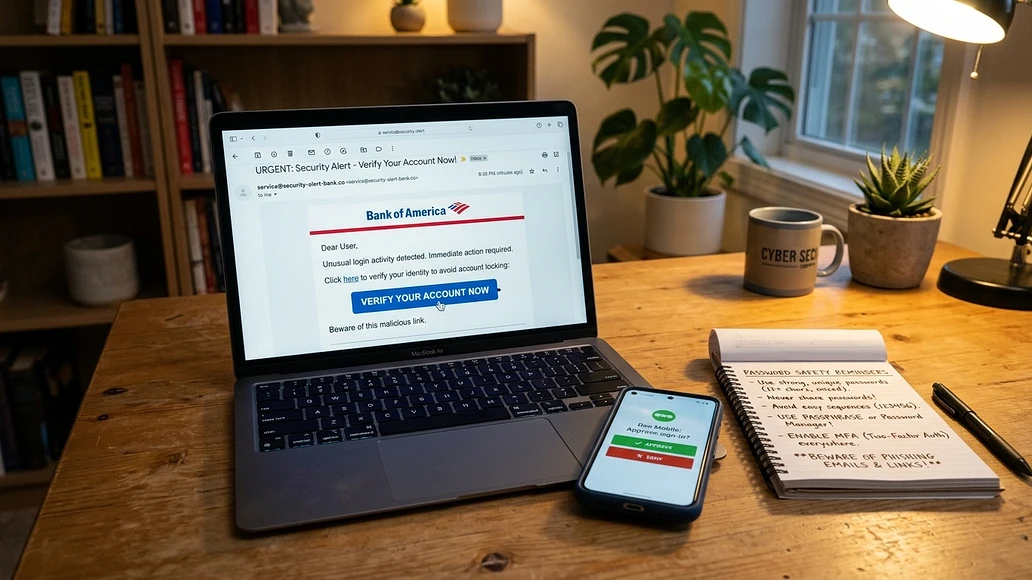
A generation ago, digital literacy was optional. Now it affects work, banking, healthcare, education, and personal safety. Many adults learn this the hard way after a phishing message, a hacked account, or a fake listing.
The basics are straightforward. Use strong unique passwords, turn on multi-factor authentication when available, verify requests for money or personal information, and be skeptical of urgency. A message that says your account will be closed in ten minutes is trying to shut down your judgment.
Source evaluation matters too. A polished video or confident post is not the same as reliable information. Check whether a claim appears in multiple credible places, whether the source has expertise, and whether the content is trying to inform you or provoke you.
Home management skills that save money and stress
Home management is where many people feel the cost of not learning practical skills earlier. Cooking a few basic meals, storing food safely, cleaning on a schedule, and handling minor maintenance can make life feel far less chaotic.
Food safety is one of the most important household skills because mistakes can make people sick. Learn safe refrigeration habits, avoid cross-contamination, and follow recognized food safety guidance for cooking and storage. Be especially cautious with home food preservation methods. Unsafe canning and storage practices can be dangerous.
For repairs, know the line between basic upkeep and risky DIY. Replacing air filters, unclogging a simple drain, or patching a small wall ding may be reasonable. Electrical work beyond simple tasks, structural repairs, gas issues, fire damage, and suspected carbon monoxide problems call for trained professionals.
| Household skill | Beginner version | Common risk | Safer approach |
|---|---|---|---|
| Cooking | Learn 5 reliable meals | Unsafe food handling | Follow established food safety rules for storage and cooking |
| Cleaning | Use a weekly routine | Letting mess build until it becomes overwhelming | Do small recurring tasks on set days |
| Paperwork organization | Keep one place for bills, IDs, warranties, and medical records | Losing important documents | Use labeled folders and digital backups when appropriate |
| Basic maintenance | Learn shutoff locations and simple upkeep | Attempting hazardous repairs | Call a pro for electrical, structural, gas, or code-related work |
Navigating healthcare and other systems
One of the least discussed life skills is learning how to deal with systems that are confusing by design or by overload. This includes healthcare offices, insurance paperwork, landlords, utility companies, employers, schools, and government agencies.
For healthcare, it helps to prepare before appointments. Write down symptoms, questions, medications, and relevant dates. Ask what the next step is, what warning signs to watch for, and when to follow up. Keep copies of important records when possible.
For other systems, document conversations, save receipts and emails, and read deadlines carefully. A lot of adult stress comes from not knowing what to ask, not from being incapable.
General self-advocacy is useful. Personalized medical, legal, or financial advice belongs with licensed professionals who can assess your specific situation.
Relationship and boundary skills that protect your energy
Many people wish they had learned earlier that kindness and access are not the same thing. You can care about someone without being available for every demand, every crisis, or every repeated pattern.
Boundary skills include noticing when you feel dread before interactions, recognizing guilt-based pressure, and deciding what behavior you will and will not accept. Healthy boundaries are not punishments. They are limits that make relationships more honest and sustainable.
This can sound like, “I am not available for yelling. We can talk when things are calmer,” or, “I cannot lend money, but I can help you think through options.”
Which skills should come first, a simple roadmap by life stage
You do not need to master everything at once. The best skill to learn first is usually the one causing the most repeated friction in your current life.
| Life stage | Top priorities | Why these first | Good starting focus |
|---|---|---|---|
| Teens | Emotional regulation, communication, digital safety, basic money habits | These shape choices, relationships, and online risk early | Practice saying no, spotting scams, and tracking small amounts of money |
| Twenties | Budgeting, time management, contracts, healthcare navigation | First jobs, housing, debt, and independence create real consequences | Read leases carefully, build routines, prepare for appointments |
| Midlife | Boundaries, stress management, long-term planning, household systems | Responsibilities often stack up across work, family, and finances | Reduce overload with routines, delegation, and clearer limits |
| Later life | Healthcare advocacy, fraud prevention, paperwork organization, support networks | System navigation and scam resistance become increasingly important | Keep records organized, verify requests, and maintain trusted contacts |
Low-cost ways to build life skills this week
You do not need an expensive course to get better at adult life. Libraries, community colleges, extension programs, public health resources, workplace trainings, and reputable online tutorials can all help. So can volunteering, mentoring, and practicing one real task at a time.
A useful approach is to choose one skill, one habit, and one proof point. For example, choose budgeting, set a habit of checking spending every Friday, and use one month of records as proof that you are improving.
Common myths that keep people stuck
One myth is that people are naturally good or bad at life skills. In reality, most of these abilities are learned, practiced, and refined through repetition.
Another myth is that school success automatically creates adult competence. Academic performance can help, but it does not guarantee emotional regulation, financial judgment, conflict resolution, or practical household ability.
A third myth is that self-reliance means never asking for help. Mature self-reliance usually means knowing what you can handle, what you should learn, and when a professional is the safer choice.

A quick self-check to see what would help most right now
If you want to know which life skills would make the biggest difference, look for repeated pain points. The pattern usually tells you where to start.
| If this keeps happening | The skill to strengthen | First practical step | When to get outside help |
|---|---|---|---|
| You overreact, shut down, or feel constantly overwhelmed | Emotional regulation and stress management | Track triggers and build a pause routine | If symptoms persist or disrupt daily functioning |
| You keep having the same arguments | Communication and boundaries | Use clearer requests and limits | If there is abuse, threats, or coercion |
| You never know where your money went | Budgeting and financial literacy | Review one month of spending | For major debt, legal issues, or complex tax questions |
| You miss deadlines and feel behind all the time | Time management and organization | Use a short daily priority list | If attention or mental health concerns may be involved |
| You worry about scams or misinformation | Digital literacy and critical thinking | Verify before clicking or sending information | If identity theft or fraud has already occurred |
| Your home feels chaotic and expensive to maintain | Home management | Create simple routines for meals, cleaning, and paperwork | For hazardous repairs or safety concerns |
When life skills are not enough
Life skills can improve daily life, but they are not a substitute for professional care or advice in high-stakes situations. Seek qualified help for persistent mental or physical health symptoms, major legal disputes, complex financial decisions, dangerous home repair issues, or any situation involving abuse, self-harm, gas, fire, or structural risk.
Pregnant individuals, people with chronic illnesses, and those taking medications should check with their healthcare provider before making major changes to exercise, diet, sleep routines, or other health-related habits.
FAQ
What are the most important life skills to learn in your twenties?
For many people, the biggest wins come from budgeting, reading contracts carefully, managing time, communicating clearly at work, and learning basic healthcare and insurance navigation. These skills affect housing, debt, employment, and stress very quickly.
Can you really learn life skills later in life, or is it too late?
Yes, you can learn them later. Most life skills improve through practice, not talent. It may feel frustrating to start late, but adults often learn faster because they can connect the skill to real problems they want to solve.
Which life skills matter most for reducing stress and burnout?
Emotional regulation, boundary setting, time management, and asking for help tend to matter most. They reduce overload, improve recovery, and prevent avoidable conflict. If burnout is severe or tied to depression, anxiety, trauma, or unsafe working conditions, professional support may be needed.
How can parents teach practical life skills to kids in everyday routines?
Involve kids in real tasks. Let them help plan meals, compare prices, make simple phone calls, organize school materials, practice polite disagreement, and learn basic online safety. Repetition in normal routines works better than one big lecture.
What is the difference between soft skills and life skills?
Soft skills usually refer to workplace-friendly traits and behaviors such as teamwork, communication, and adaptability. Life skills are broader. They include those interpersonal abilities, but also decision making, emotional coping, money basics, digital safety, health navigation, and practical household competence.