Sepsis Can Turn Critical Fast, What the Timeline Really Looks Like
Sepsis does not follow one fixed clock. In some people it becomes life threatening within hours, while early hospital treatment can greatly improve survival. Here is how sepsis progresses, what warning signs matter most, and when to call 911.

Sepsis is a medical emergency. If you think you or someone you are caring for may have sepsis, do not try to manage it at home. Call 911 or go to the emergency room right away, especially if there is a recent infection, surgery, wound, or illness plus confusion, fast breathing, severe weakness, very low urine output, or skin that looks pale or mottled.
People often ask how long sepsis takes to become fatal because they want a clear number. The honest answer is that there is no single countdown that fits every case. In some people, especially older adults, people with chronic illness, or those with delayed treatment, sepsis can become deadly within hours to a few days. With prompt hospital care, many people survive and begin stabilizing in the first day or two, though recovery can still take weeks or months.
This article is general information only and is not a substitute for professional medical advice, diagnosis, or treatment.
What sepsis is, and why it can worsen so quickly
Sepsis is the body's extreme and harmful response to an infection. The infection may start in the lungs, urinary tract, abdomen, skin, or a surgical site. Instead of staying controlled, the immune response becomes dysregulated and begins damaging the body's own tissues and organs.
That is why sepsis is not just a bad infection. It can reduce blood flow, trigger abnormal clotting, drop blood pressure, and injure the kidneys, lungs, brain, and heart. Once that spiral starts, the timeline can shorten quickly.
| Stage | What it means | What may be happening in the body | Why the timeline matters |
|---|---|---|---|
| Infection | Bacteria, viruses, fungi, or other germs begin causing illness | Fever, cough, painful urination, wound redness, belly pain, or other local symptoms | Some infections stay mild, but some spread or trigger a dangerous whole body response |
| Sepsis | The infection is causing a body-wide response with organ stress or dysfunction | Fast breathing, fast heart rate, confusion, weakness, low urine output, abnormal temperature | This is already an emergency and needs urgent medical evaluation |
| Severe progression | Organ dysfunction becomes more obvious | Worsening confusion, low oxygen, kidney injury, rising lactate, worsening weakness | Progression can happen over hours to a few days |
| Septic shock | Sepsis with dangerously low blood pressure and poor tissue perfusion | Shock, organ failure, need for ICU care, vasopressors, possible ventilation or dialysis | Risk of death rises sharply, especially if treatment is delayed |
Typical sepsis timeline, in hours and days
Sepsis does not move at the same speed in every person. A healthy adult with a mild infection may have a slower course than a frail nursing home resident with pneumonia or a person on chemotherapy with a urinary tract infection. Still, there are broad patterns that help explain why clinicians treat sepsis urgently.
| Time window | What may happen | What this means |
|---|---|---|
| Hours after infection worsens | Fever or low temperature, chills, fast pulse, fast breathing, weakness, worsening pain, confusion may begin | Early sepsis can start subtly and may be mistaken for flu, dehydration, or exhaustion |
| 12 to 24 hours in aggressive cases | Blood pressure may fall, confusion may worsen, urine output may drop, breathing may become labored | Some severe cases can become critical very quickly, especially in vulnerable people |
| 24 to 72 hours without effective treatment | Organ failure and septic shock may develop | This is the window where untreated sepsis often becomes fatal |
| First several days with hospital treatment | Doctors give IV antibiotics, fluids, oxygen, testing, and organ support as needed | Early treatment can interrupt the downward spiral and improve survival |
| Days to weeks | Some patients recover steadily, while others remain at risk from shock, organ failure, or ICU complications | Even after the first emergency, sepsis can remain dangerous |
The key point is simple. Sepsis can kill in hours, but it does not always do so. It can also unfold over a few days, and with treatment many people survive. What matters most is how fast it is recognized and treated.
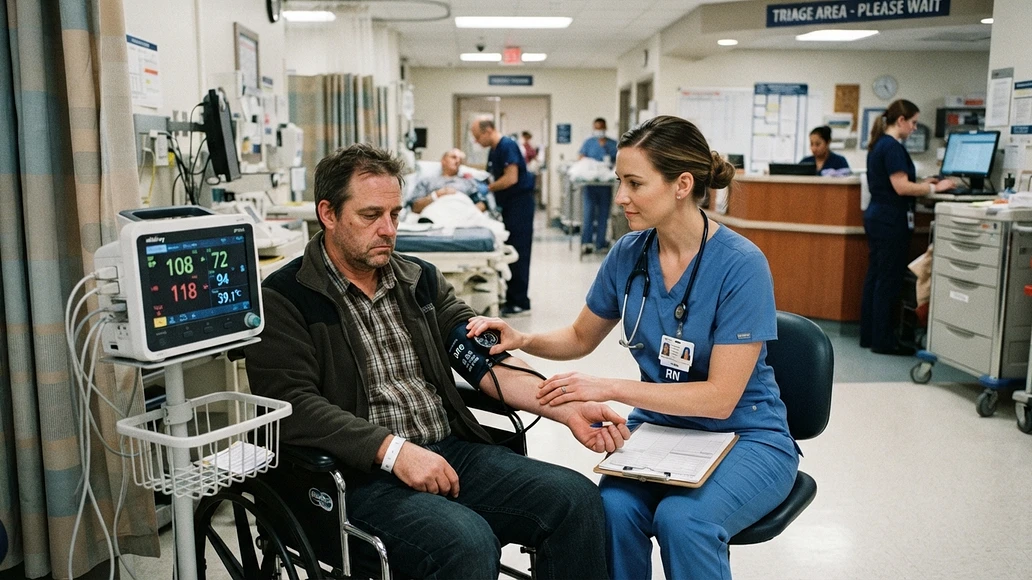
How long can sepsis take to become fatal without treatment?
Untreated sepsis is often fatal. Once infection triggers widespread inflammation, low blood pressure, and organ injury, the body may not be able to recover on its own. In severe cases, death can occur within 12 to 48 hours after septic shock and multi-organ failure take hold. In other cases, the decline happens over 24 to 72 hours or a bit longer.
That does not mean every untreated infection becomes fatal that fast. It means that once a person is truly septic, especially if they are deteriorating, the safe window may be very short. Waiting at home to see whether a fever breaks, whether confusion improves, or whether fluids help can be dangerous.
How treatment changes the timeline
There is a major difference between untreated sepsis and sepsis treated quickly in a hospital. Early care can change both survival odds and the pace of decline.
| Intervention | What it does | How it affects the timeline |
|---|---|---|
| IV antibiotics | Targets the infection causing the sepsis | Can slow or stop progression when given early and appropriately |
| IV fluids | Supports blood pressure and circulation | Helps protect organs during the first critical hours |
| Vasopressors | Raises dangerously low blood pressure when fluids are not enough | Can keep vital organs perfused during septic shock |
| Source control | Draining an abscess, removing infected tissue, treating a blocked urinary source, or addressing surgical infection | Removes the driver of ongoing sepsis |
| Oxygen, ventilation, dialysis, ICU monitoring | Supports failing organs while treatment works | Can extend survival and improve chances of recovery |
| Pain or fever reducers alone | May reduce discomfort or fever | Do not treat sepsis itself and can mask worsening illness |
One reason doctors move so fast is that delays in appropriate antibiotics are associated with higher mortality, especially in septic shock. That is why emergency teams use sepsis protocols in the first hours.
What makes one person's sepsis progress faster than another's
| Risk factor | How it can change the timeline | Why risk is higher | When to act |
|---|---|---|---|
| Older age or frailty | Can progress rapidly, sometimes with subtle early signs | Less physiologic reserve, more chronic illness, symptoms may be atypical | Seek urgent care for sudden confusion, weakness, poor intake, or breathing changes even without high fever |
| Diabetes, heart, lung, kidney disease | May shorten the safe window | Organs are already under strain and infections may be harder to control | Go to the ER quickly if infection symptoms are worsening |
| Immunocompromised state | Can become severe fast and may show fewer classic signs | Chemotherapy, steroids, biologics, transplant drugs, or cancer can blunt immune response | Do not rely on the absence of fever, get urgent evaluation |
| Lung or abdominal infection | Often associated with more severe courses | Pneumonia and abdominal infections can spread quickly and impair oxygenation or circulation | Breathing trouble or severe abdominal pain needs immediate care |
| Pregnancy or postpartum period | Can worsen quickly and requires emergency assessment | Physiologic changes and certain obstetric infections raise risk | Any suspected sepsis in pregnancy or after childbirth is an emergency |
Warning signs of sepsis at home
At home, the challenge is that sepsis can look like a bad infection, flu, dehydration, or sudden decline from another illness. Caregivers should pay attention to combinations of symptoms, not just one sign.
| Warning sign | Why it matters | Especially concerning when paired with |
|---|---|---|
| Fast breathing | Can signal the body is under severe stress or oxygen is low | Confusion, weakness, chest symptoms, bluish lips, or low oxygen readings |
| Very high or very low temperature | Either can occur in sepsis | Recent infection, chills, shaking, or unusual sleepiness |
| Fast heart rate | Often reflects infection, dehydration, shock, or stress | Low blood pressure, dizziness, or faintness |
| New confusion or extreme drowsiness | May indicate poor brain perfusion or toxic illness | Older adults, nursing home residents, or anyone suddenly not acting like themselves |
| Little or no urine output | Can be a sign of kidney injury and poor circulation | Dry mouth, weakness, low blood pressure, or worsening illness |
| Severe pain or a sense of impending doom | People with sepsis sometimes describe feeling terribly ill very suddenly | Rapid deterioration over hours |
| Pale, cool, or mottled skin | May reflect poor circulation and shock | Confusion, weakness, or trouble breathing |
Sepsis does not always cause a fever. Some people, especially older adults or immunocompromised patients, may have normal or even low temperatures.
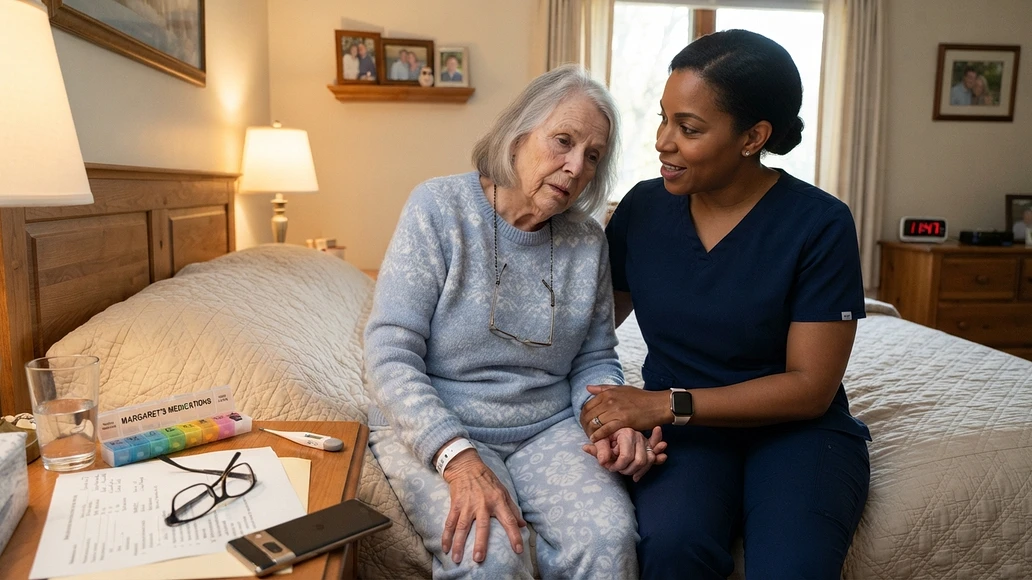
When to call 911 or go to the ER
Call 911 or seek emergency care immediately if a person has a recent infection, wound, surgery, or illness and also has several red flags together, especially confusion, fast breathing, severe weakness, low urine output, severe pain, or signs of low blood pressure.
If you are at triage, say clearly, I am worried about sepsis. That helps staff understand the urgency and context.
Do not wait for a routine clinic appointment if severe signs are present. Do not try to sleep it off. Do not rely on fluids, fever medicine, herbal remedies, or leftover antibiotics at home.
What hospitals do in the first hours
In the emergency department or ICU, the team usually moves quickly to confirm infection, assess organ function, and start treatment. This may include blood tests, cultures, imaging, oxygen, IV fluids, and broad-spectrum antibiotics. If blood pressure stays low, doctors may use vasopressors. If organs are failing, the patient may need ICU monitoring, a ventilator, or dialysis.
These early hours matter because sepsis often has a steep risk curve at the beginning. Recent guideline updates continue to emphasize rapid diagnosis and structured early treatment bundles.
What the survival numbers actually show
Mortality depends on severity, age, underlying health, and how quickly treatment begins. Broadly, hospitalized sepsis has a lower death rate than septic shock, and older adults have higher risk than younger, healthier patients.
| Condition | Approximate mortality range | Usual care setting | General time course |
|---|---|---|---|
| Sepsis | Roughly 15 to 25 percent | Hospital ward or higher level monitoring | Can worsen over hours to days, but many improve with prompt treatment |
| Severe progression with organ dysfunction | Higher than uncomplicated sepsis | Often step-down or ICU depending on severity | Risk is concentrated in the first days |
| Septic shock | Often 30 to 40 percent or more | Usually ICU | Some deaths occur early from shock, others later from complications |
| Older adults and frail patients | Often above average risk | Hospital or ICU depending on presentation | May decline quickly and may show less obvious early symptoms |
Those numbers are not predictions for any one person. They are population estimates. A patient can survive very severe sepsis with excellent care, and a seemingly modest infection can become deadly if warning signs are missed.
How long recovery takes if the person survives
Survival is only the first stage. Recovery can be slow, especially after ICU care.
| Recovery period | What often happens | Common needs |
|---|---|---|
| First 24 to 72 hours | Stabilization, antibiotics, fluids, monitoring, organ support if needed | Close hospital observation, repeated labs, treatment adjustments |
| First week | Infection control may improve, but weakness and organ stress can remain | Hospital care, rehab planning, nutrition, medication review |
| First month | Many patients are still fatigued and deconditioned | Follow-up visits, physical therapy, home support, medication management |
| 3 to 12 months | Some regain baseline function, others have lasting physical, cognitive, or emotional effects | Rehabilitation, primary care follow-up, mental health support, specialist care |
Special situations that deserve extra caution
Older adults and nursing home residents
In older adults, sepsis may first appear as confusion, refusal to eat, weakness, falls, or unusual sleepiness rather than obvious fever. In assisted living or nursing homes, a decline over hours to a day should be taken seriously.
Pregnancy and postpartum
Sepsis during pregnancy or after childbirth is an emergency. Fever, severe pain, foul-smelling discharge, rapid heartbeat, shortness of breath, or sudden confusion after delivery should be evaluated immediately.
Children and infants
Children can deteriorate quickly. If an infant or child has suspected infection plus lethargy, poor feeding, breathing trouble, unusual color, or reduced responsiveness, contact pediatric emergency services right away.
Preparedness steps for caregivers
Preparedness does not mean treating sepsis at home. It means recognizing danger early and getting the right help fast.
| Preparedness item | Why it helps | What to include |
|---|---|---|
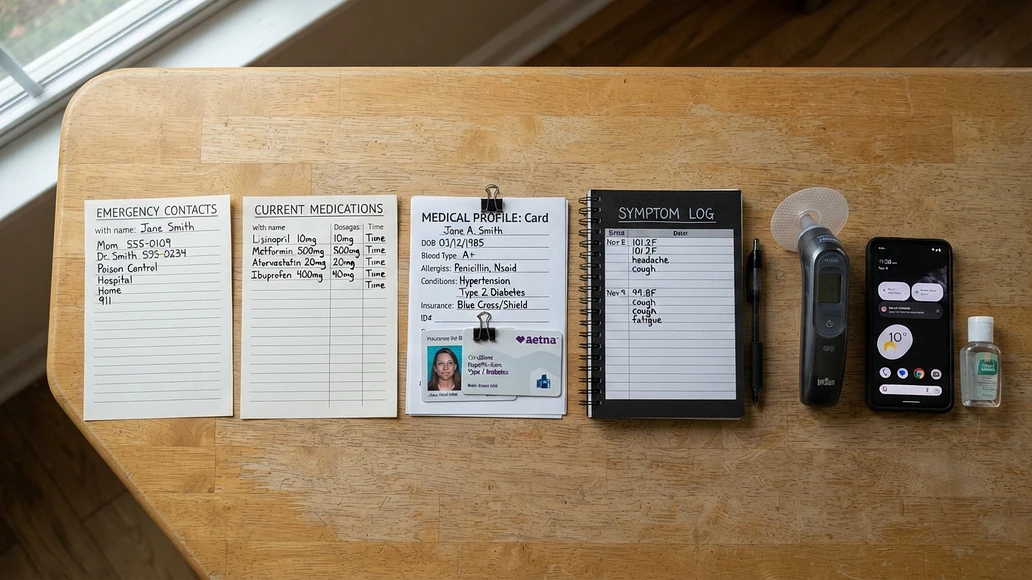
| Medication and allergy list | Saves time in the ER | Current medicines, doses, allergies, major diagnoses |
| Infection tracking note | Helps show the timeline clearly | When symptoms started, fever readings, urine changes, confusion, breathing changes |
| Recent medical history summary | Gives context for risk | Recent surgery, wounds, catheter use, hospital stays, antibiotics, chronic illnesses |
| Emergency plan | Reduces delay during a crisis | Who calls 911, which hospital to use, who brings documents and phone charger |
Common myths that lead to dangerous delays
| Myth | Reality |
|---|---|
| It is only sepsis if there is a high fever | No. Sepsis can happen without fever, especially in older adults or immunocompromised people |
| Confusion in an older person is probably just age or fatigue | Sudden confusion can be a major red flag for infection, low oxygen, or sepsis |
| If the person can still drink water, it is safe to wait | Hydration does not treat sepsis and can create false reassurance |
| Over-the-counter medicine will buy enough time | It may reduce fever or pain but does not stop organ injury or shock |
| Sepsis only starts in hospitals | Many cases begin at home from common infections like pneumonia, UTI, skin infection, or abdominal infection |
Recent perspective on the so-called golden hours
Recent sepsis guidance continues to stress rapid recognition, early antibiotics, fluids, and structured first-hour or early-hour treatment bundles. Research also suggests a bimodal pattern in severe septic shock. Some patients die early from overwhelming infection and shock, while others die later from complications or underlying illness. That is another reason there is no single answer to how long sepsis takes to become fatal.
FAQ
Can sepsis really kill you overnight?
Yes, in severe cases it can become fatal within hours, especially if septic shock develops and treatment is delayed. But not every case follows that pattern. Some progress over a few days, and many improve with prompt care.
Is it possible to have sepsis for days and not know it?
Yes. Early sepsis can be mistaken for flu, dehydration, exhaustion, or a worsening routine infection. This is especially true in older adults, who may show confusion or weakness before classic infection symptoms.
Can you survive septic shock, and what does recovery look like?
Yes. Septic shock is very serious, but survival is possible with ICU care, antibiotics, fluids, blood pressure support, and organ support. Recovery may take weeks to months, and some people have lasting fatigue, weakness, or cognitive changes.
Does sepsis always cause a fever, or can you have sepsis without one?
Sepsis does not always cause a fever. Some patients have a normal temperature or a low one. Lack of fever does not rule it out.
How long can you wait to see a doctor if you think you might have sepsis?
If sepsis is suspected, do not wait. Go to the ER or call 911 immediately, especially if there is confusion, fast breathing, severe weakness, low urine output, severe pain, or signs of shock.
References
Timing of Death Among Patients With Septic Shock
How Long Does It Take To Die From Sepsis? A Doctor Reviewed Answer