Old Antibiotics in the Cabinet: Real Risks, Rare Exceptions, and What to Do Next
Expired antibiotics are usually more likely to fail than to poison you, but that does not make them safe to rely on. Here is what expiration dates mean, which antibiotics are higher risk after expiry, what to do if you already took some, and when to get urgent medical help.

Finding an old bottle of antibiotics at home can feel tempting, especially when you are sick, traveling, short on money, or worried about shortages. The hard truth is simple: expired antibiotics are not a routine backup plan. In most cases, the biggest danger is not instant poisoning, but that the medicine may no longer work well enough to treat the infection. That can lead to delayed recovery, a worsening illness, and more antibiotic resistance.
This article is for general information only and is not personal medical advice. If you have severe symptoms, a rapidly worsening infection, or questions about a medicine you already took, contact a clinician, pharmacist, poison control, urgent care, or emergency services right away.
Why expiration dates matter on antibiotics
An expiration date is the manufacturer’s tested guarantee that the drug should remain within its expected quality and strength up to that date when stored as directed. It is not a magic line where a pill becomes dangerous at midnight. But it is also not a suggestion to ignore.
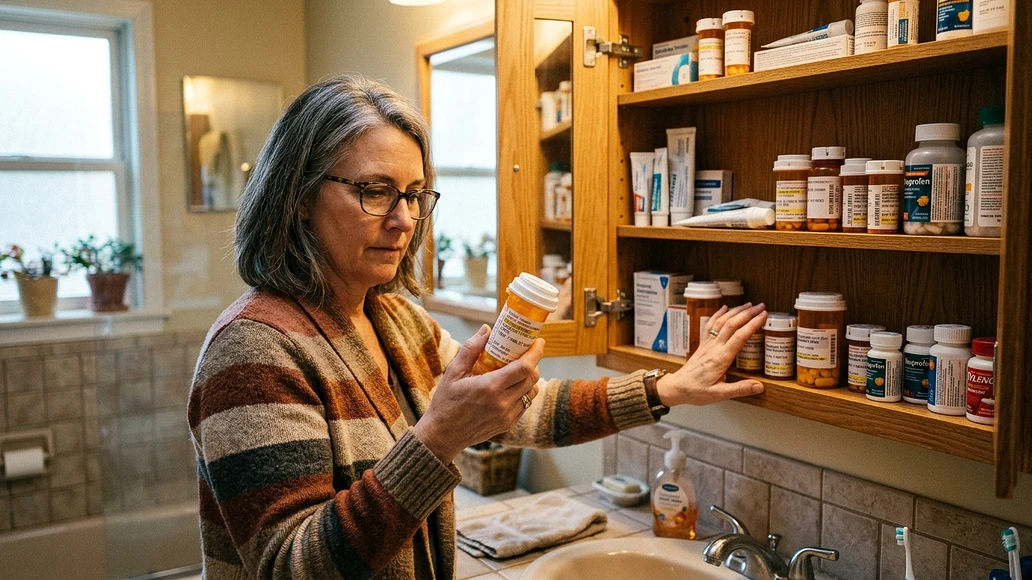
Antibiotics are especially important because they need enough active drug in your body to kill or control bacteria. If potency drops, the medicine may not reach reliable treatment levels. Home storage also matters. Heat, humidity, bathroom moisture, sunlight, and poor sealing can speed up breakdown long before you notice anything unusual.
Lab testing is not the same as your medicine cabinet
Some studies suggest certain solid tablets can retain much of their potency beyond the printed date under controlled conditions. That does not mean your leftover prescription at home is dependable. You usually do not know how it was stored, whether the bottle was opened repeatedly, or whether the medicine was exposed to moisture or temperature swings.
What can happen if you take expired antibiotics
Several different outcomes are possible. The most common concern is reduced effectiveness. Some people may notice no immediate problem, but that can be misleading if the infection is still progressing underneath the surface.
| Possible outcome | How likely | What it may look like | What to do next |
|---|---|---|---|
| Little or no obvious immediate effect | Common | No new symptoms right away, but no real improvement in infection | Do not assume it worked. Contact a clinician or pharmacist for guidance. |
| Mild side effects | Common | Nausea, stomach upset, diarrhea, bad taste | Stop further doses until you get professional advice, especially if the drug is expired. |
| Treatment failure | Major concern | Symptoms stay the same or improve too slowly | Seek medical guidance promptly for proper treatment. |
| Worsening infection | Serious risk | Higher fever, more pain, spreading redness, worsening cough, urinary symptoms, fatigue | Urgent evaluation may be needed, especially if symptoms are worsening within 24 to 48 hours. |
| Allergic reaction | Possible at any age of the drug | Rash, hives, swelling, wheezing | Get urgent help. Severe swelling or trouble breathing is an emergency. |
| Rare toxic reaction from certain drugs | Uncommon but important | Unusual symptoms after high risk antibiotics, especially certain older tetracycline class products | Stop the drug and seek medical advice immediately. |
Reduced strength is the main problem
Antibiotics do not work like pain relievers. They do not directly reduce pain, pressure, or congestion. Their job is to control bacteria. If an expired antibiotic has lost strength, you may get side effects and false reassurance without actually treating the cause.
Some expired antibiotics may cause direct harm
While many expired solid medicines are more likely to be weaker than acutely toxic, there are important exceptions. Tetracycline class antibiotics are often singled out in safety guidance because degraded forms have been linked historically to kidney injury, including a Fanconi-like syndrome. Expired liquid antibiotics are also a bad bet because they are less stable and more vulnerable to contamination.
Do expired antibiotics still work at all?
Sometimes an expired tablet may still contain some active drug. That is the source of a lot of confusion. The problem is that partial potency is not the same as reliable treatment. Infections are not a place for guesswork, especially if symptoms are significant or the person is medically fragile.
For a minor illness that may not even be bacterial, taking leftover expired antibiotics can create two problems at once. First, it may not help. Second, it may delay proper diagnosis and treatment. A sore throat, cough, sinus pressure, or stomach issue may not need antibiotics at all, and using the wrong one can muddy the picture.
Which expired antibiotics are higher risk
Not all forms carry the same level of concern, but official consumer advice is still to avoid using any expired antibiotic.
| Type or example | Dose form | Expired use risk | Official recommendation |
|---|---|---|---|
| Tetracycline class antibiotics | Tablet or capsule | Higher concern due to degradation products linked historically to kidney injury | Do not use after expiration. |
| Liquid antibiotic suspensions | Liquid, often reconstituted | Higher risk of instability and contamination | Do not use after expiration. |
| Injectable antibiotics | Injection or IV | High risk if expired, improperly stored, or contaminated | Do not use at home after expiration. |
| Most solid oral tablets and capsules | Tablet or capsule | Often more likely to lose potency than become toxic, but reliability is uncertain | Still not recommended for treatment after expiration. |
Liquids deserve extra caution
Many parents and caregivers ask about leftover liquid antibiotics for children. These should not be reused after expiration, and many should not even be kept long after mixing. They can break down faster than tablets, and contamination is a bigger concern.
Never improvise with injectables
If you somehow have injectable or IV antibiotics at home, do not self-treat with expired supplies. Sterility, storage, concentration, and dosing errors can turn a bad situation into an emergency.
How expired antibiotics can make an infection worse
The danger is often indirect. If the drug level is too low, bacteria may survive. That can allow the infection to continue, spread, or become harder to treat. A skin infection can move deeper. A urinary infection can climb toward the kidneys. A chest infection can worsen instead of clearing.
Sub-therapeutic dosing and resistance
When bacteria are exposed to too little antibiotic, the most vulnerable germs may die while tougher ones survive. That selective pressure helps resistance grow. This matters to you now, because the infection may become harder to treat, and it matters more broadly because resistant bacteria are a public health problem.
I already took expired antibiotics. What should I do now?
If you already swallowed a dose, do not panic. One accidental dose does not automatically mean you will be harmed. But you should treat it as a medication problem that needs follow-up.
- Stop taking further doses until you speak with a healthcare professional.
- Write down the drug name, strength, expiration date, how many doses you took, and when you took them.
- Note any symptoms you have now, both infection symptoms and possible side effects.
- Call your prescriber, pharmacist, or poison control for guidance.
- If the medicine was a tetracycline, a liquid antibiotic, or an injectable, get advice promptly.
- If your infection is serious or worsening, seek urgent care rather than waiting.
| Situation | Home monitoring OK? | Contact a doctor today | Go to urgent care or ER now |
|---|---|---|---|
| Took one expired dose, feel normal, mild symptoms only | Sometimes, briefly, while arranging advice | Yes | No, unless symptoms worsen |
| Took expired liquid antibiotic or tetracycline | No | Yes, promptly | If new concerning symptoms appear |
| Infection is not improving or is getting worse | No | Yes | Yes if worsening is rapid or severe |
| Rash, hives, vomiting, severe diarrhea, unusual weakness | No | Yes | Yes if symptoms are severe |
| Trouble breathing, swelling of lips or throat, confusion, chest pain | No | No | Yes, immediately |
When expired antibiotics are especially dangerous
There are situations where home experimentation is a poor risk.
Serious infection warning signs
- Difficulty breathing or chest pain
- High fever or shaking chills
- Confusion, fainting, or severe weakness
- Rapidly spreading redness, streaking, or dark skin changes
- Severe sore throat with trouble swallowing
- Face or eye area infections
- Severe urinary symptoms with back pain, fever, or vomiting
- Symptoms of dehydration, persistent vomiting, or inability to keep fluids down
Higher risk groups
Pregnant or breastfeeding people, infants and children, older adults, people with kidney or liver disease, people with diabetes, and anyone immunocompromised should be especially cautious. In these groups, treatment failure can become serious faster, and side effects may be harder to sort out.

Preparedness and disaster scenarios
People interested in preparedness often ask a harder question: if there is a disaster, shortage, or complete lack of access to care, is an expired antibiotic ever better than nothing? Mainstream medical guidance for home users remains no, do not use expired antibiotics. That is the safest and clearest advice.
In true disaster medicine discussions, people sometimes talk about risk tiers, such as the difference between a slightly expired solid tablet and an expired liquid, or the difference between a minor problem and a life threatening infection. That conversation exists, but it is not a green light for self-prescribing. The risks include wrong diagnosis, wrong drug choice, wrong dose, allergy, interactions, and delayed care.
If access to care is limited, safer steps before reaching for expired antibiotics include telehealth, urgent care, nurse lines, community clinics, and symptom support while you seek evaluation. In a real emergency, the best plan is to have communication options, current medications, and a way to access professional advice, not a stash of leftovers you hope will still work.
How to avoid ending up with expired antibiotics
The best fix is prevention. Antibiotics should be used only when prescribed for a likely bacterial infection, and they should be taken exactly as directed. Do not stop early just to save extras for later. Leftovers create confusion, encourage self-treatment, and increase the odds that someone will use the wrong drug at the wrong time.
| Habit | Good idea or bad idea | Why | Better approach |
|---|---|---|---|
| Keeping leftover antibiotics for next time | Bad idea | Wrong drug, wrong dose, expired storage, resistance concerns | Use only as prescribed and dispose of leftovers safely |
| Checking medicine dates twice a year | Good idea | Reduces accidental use of expired drugs | Set a calendar reminder |
| Storing medicines in a steamy bathroom | Bad idea | Heat and humidity speed degradation | Store in a cool, dry place |
| Using antibiotics for viral illnesses | Bad idea | No benefit, more side effects, more resistance | Get evaluated if symptoms are severe or persistent |
Storage basics that help antibiotics last until expiration
Storage does not make an expired antibiotic safe, but good storage helps medicines stay effective up to their labeled date.
- Keep medicines in a cool, dry place away from direct sunlight.
- Avoid bathrooms, cars, garages, and window sills.
- Keep the cap tightly closed.
- Follow label instructions for refrigeration if required.
- Keep all medicines out of reach of children and pets.
How to dispose of expired or unused antibiotics safely
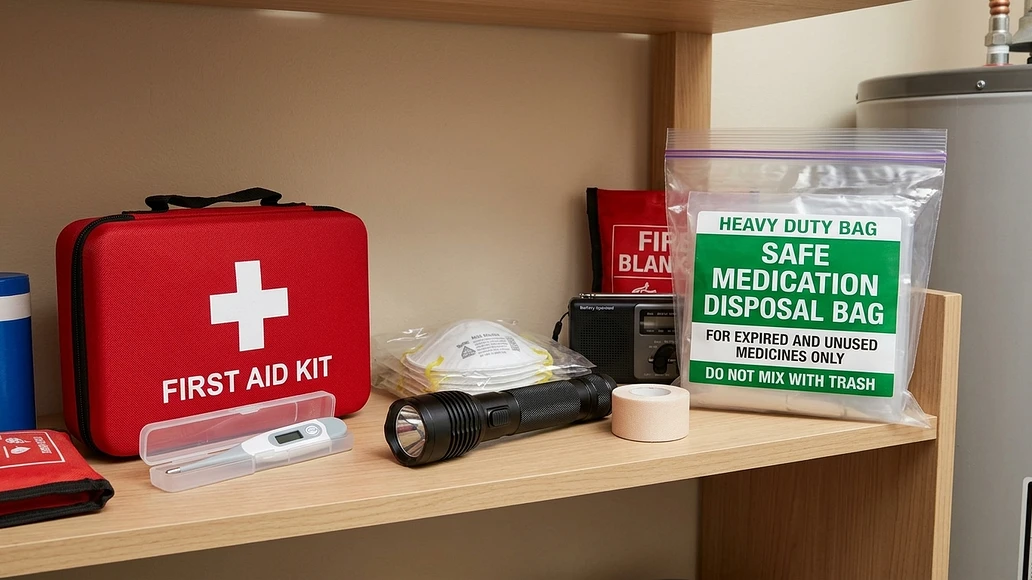
Do not keep expired antibiotics as a just-in-case supply. The preferred option is a drug take-back program or authorized collection site. Many pharmacies, hospitals, and local agencies offer them.
If no take-back option is available, follow FDA disposal guidance for household trash disposal. That usually means mixing the medicine with an undesirable substance, placing it in a sealed container, and throwing it away in the trash, after removing personal information from the prescription label. Only flush medicines that are specifically on the FDA Flush List.
Common myths about expired antibiotics
Myth: If it looks normal, it is fine
False. Potency loss and chemical breakdown are often invisible. A tablet can look unchanged and still be unreliable.
Myth: Expiration dates are just about profit
False. Expiration dates are based on stability testing and quality standards. They are not random.
Myth: Expired antibiotics are harmless because they are only weaker
Misleading. Reduced potency can still be harmful if it leads to treatment failure, delayed care, or resistance. Some forms and classes also raise direct safety concerns.
What to do if you cannot get new antibiotics right away
If you are waiting to be seen, focus on symptom support and access to care, not self-medicating with expired prescriptions. Depending on the illness, that may include rest, fluids, fever control, pain relief, and monitoring. Telehealth, same-day clinics, and pharmacist advice can sometimes help you decide how urgent the situation is.
No home remedy can replace appropriate antibiotics when a true bacterial infection needs treatment. If symptoms are escalating, do not let an old bottle delay real care.
When to get professional help right away
- Trouble breathing or swallowing
- Swelling of the lips, tongue, or throat
- Severe rash, blistering, or peeling skin
- Chest pain, fainting, confusion, or severe headache
- Persistent high fever or shaking chills
- Severe abdominal pain, repeated vomiting, or signs of dehydration
- Rapidly worsening infection despite any treatment
- Any concerning symptoms in infants, frail older adults, pregnant people, or immunocompromised patients
Key takeaways
Most expired antibiotics are more likely to be ineffective than instantly toxic, but that is not a reason to use them. The real danger is failed treatment, a worsening infection, and more resistance. Tetracycline class drugs, liquid antibiotics, and injectables deserve extra caution. If you already took expired antibiotics, stop taking more until you get advice, document what you took, and seek care quickly if symptoms are serious or getting worse.