Fast Home Care for Tender Swollen Glands, What Helps and When to Get Checked
Learn which at-home steps can safely ease swollen lymph node discomfort, which natural remedies have limited evidence, and which warning signs mean it is time to call a doctor.

If you are searching for immediate natural remedies for swollen lymph nodes, the most important thing to know is this. Home care can often ease pain, pressure, and irritation, but it does not always fix the reason the node is swollen. Lymph nodes usually enlarge because your immune system is reacting to something, often a cold, flu, sore throat, dental problem, skin irritation, or another infection. In some cases, swollen nodes need medical evaluation, especially if they are hard, fixed, growing, or not improving.
This guide focuses on safe, practical relief you can try at home right now, while also helping you recognize when self-care is not enough. It is general information, not a diagnosis or emergency care.
What lymph nodes do, and why they swell
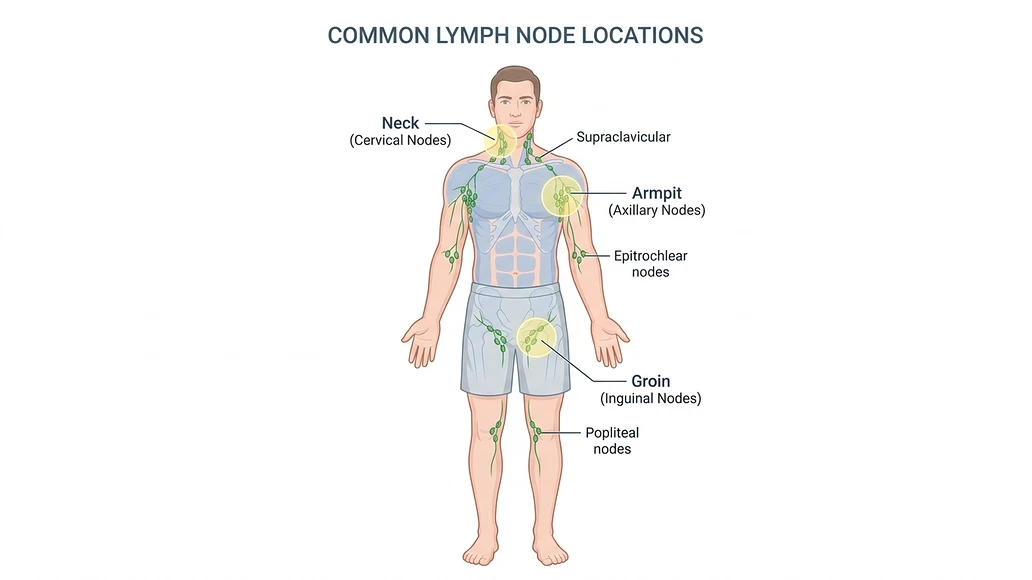
Lymph nodes are small immune filters found throughout the body, especially in the neck, under the jaw, armpits, and groin. They help trap germs, damaged cells, and other material your body needs to clear out. When your immune system is active, nearby nodes can become larger, sore, or easier to feel.
That swelling is often called lymphadenopathy. If the node itself is inflamed, especially from infection, you may also hear the term lymphadenitis.
Common reasons for swollen nodes include:
- Viral illnesses such as colds, flu, COVID-19, or mono
- Bacterial infections such as strep throat, ear infections, or dental infections
- Skin irritation or infected cuts
- Inflammation from autoimmune conditions
- Less commonly, cancers such as lymphoma or spread from another cancer
In other words, the swelling is a sign, not a stand-alone disease.
Can you treat swollen lymph nodes at home?
Usually, yes, if symptoms are mild and you otherwise feel stable. Home care makes the most sense when the swelling started with an obvious minor illness, such as a sore throat or cold, and the node is soft or rubbery, movable, and only mildly tender.
Home care is not enough if you have severe pain, trouble swallowing, trouble breathing, high fever, rapidly worsening swelling, or a node that feels hard and stuck in place.
What to do right now for quick relief
If the area is sore or tight, start with the basics that have the best support and the lowest risk.
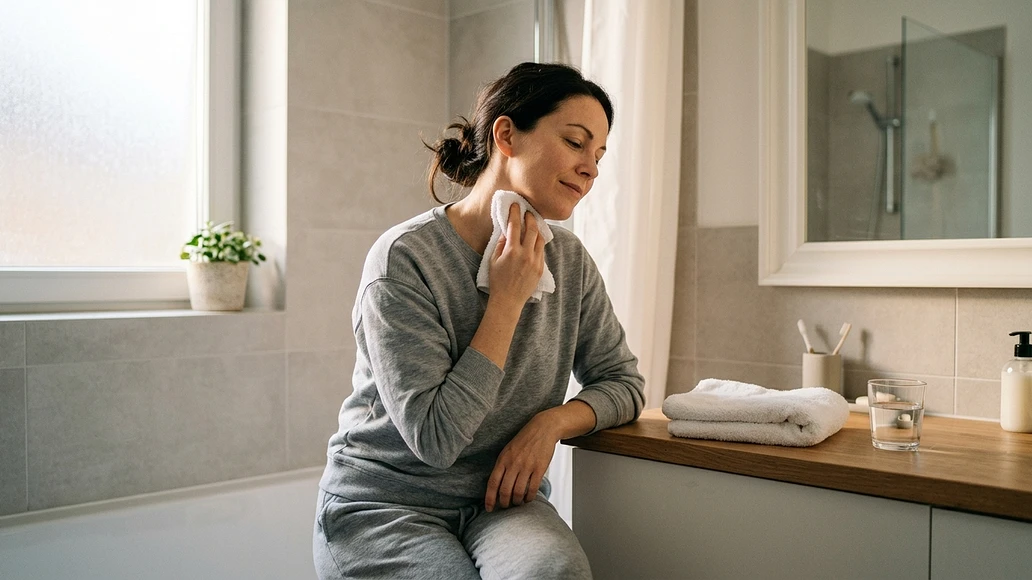
- Use a warm compress. Wet a clean washcloth with warm, not hot, water. Hold it on the area for 10 to 15 minutes, several times a day. This can reduce discomfort and help the area feel less tense.
- Drink fluids regularly. Water, broth, and warm tea can help if your swelling is tied to a respiratory illness, sore throat, or dehydration.
- Rest more than usual. Your body heals better when you are sleeping enough and not pushing through an infection.
- Try a saltwater gargle if the swelling is in the neck and you have throat or mouth symptoms. Mix about 1/2 teaspoon of salt in a cup of warm water, gargle, then spit it out.
- Use over the counter pain relief if needed. Acetaminophen or an anti-inflammatory medicine may help with pain and fever, but follow label directions and ask a clinician first if you have liver disease, kidney disease, ulcers, are pregnant, or take blood thinners.
- Avoid poking, squeezing, or deep massage. Repeated pressure can make the area more irritated.
Which home remedies are most useful, and which are mostly comfort measures
Many websites lump all remedies together, but they are not equal. Some are widely recommended because they are safe and helpful for symptom relief. Others are mostly traditional comfort measures with limited evidence.
| Remedy or approach | Evidence level | Treats the cause or eases symptoms | Main benefit | Key cautions |
|---|---|---|---|---|
| Warm compress | Well supported for comfort | Eases symptoms | Reduces soreness and tightness | Do not use very hot heat on red, very inflamed skin |
| Rest and sleep | Well supported | Indirectly supports recovery | Helps the body recover from infection | Not a substitute for treatment if symptoms are severe |
| Hydration | Well supported | Indirectly supports recovery | Improves overall comfort during illness | People with fluid restrictions should follow clinician advice |
| Saltwater gargle | Well supported for throat and mouth irritation | Mainly eases symptoms, may modestly help local irritation | Useful when neck nodes are linked to sore throat or dental irritation | Do not swallow large amounts |
| OTC pain relievers | Strong support for pain relief | Eases symptoms | Reduces pain, fever, and inflammation | Watch dosing, interactions, and health conditions |
| Gentle movement | General support | Indirectly supports recovery | May reduce stiffness and help you feel better | Avoid strenuous exercise when ill |
| Herbal teas such as ginger or chamomile | Mixed evidence | Mainly eases symptoms | Warmth, hydration, throat comfort | Possible allergy or medication interactions |
| Honey | Some support for sore throat comfort | Eases symptoms | Soothes irritated throat | Never give to infants under 1 year |
| Garlic or turmeric in food | Mixed evidence | Indirect support | Reasonable as part of normal meals | Not a stand-alone treatment |
| Apple cider vinegar | Weak evidence | Unproven | Little reliable benefit for nodes | Can irritate skin, throat, and teeth |
| Castor oil packs or topical oils | Weak evidence | Unproven | May feel soothing to some people | Can irritate skin, do not rely on them for worsening symptoms |
| Essential oils | Weak to mixed evidence | Unproven for swollen nodes | May provide a comfort effect through scent or diluted topical use | Never ingest, always dilute, avoid if skin is sensitive or breathing symptoms worsen |
The key takeaway is simple. The best immediate natural relief usually comes from warmth, fluids, rest, and gentle throat care if the source is in the mouth or throat. Most other remedies are optional comfort measures, not cures.
Safe natural approaches with realistic expectations
Warm compresses
This is one of the most practical ways to get quick relief. A warm compress can reduce the feeling of pressure and tenderness. Use gentle warmth only. If the skin is very red, very hot, or you suspect an abscess, skip home heat and get medical advice.
Hydration and warm drinks
Hydration does not shrink a node directly, but it supports recovery when the cause is a common infection. Warm tea, broth, or plain warm water may also feel soothing if you have congestion or a sore throat.
Saltwater gargles
If your swollen neck nodes seem tied to tonsils, a sore throat, postnasal drip, or gum irritation, gargling can help reduce local irritation. This is especially useful when the swelling is under the jaw or along the sides of the neck.
Honey, ginger, and simple soothing foods
These can be reasonable if you are also dealing with a cough, scratchy throat, or poor appetite. Think of them as supportive care. They may help you feel better while your body works through a mild illness.
Foods with garlic or turmeric
There is no strong evidence that these quickly reduce lymph node swelling on their own. Still, adding them to soup or a balanced meal is a sensible food choice if you tolerate them well.
Topical oils and folk remedies
Castor oil packs, coconut oil rubs, aloe gels, and similar remedies may feel soothing on the skin, but there is little good evidence that they reduce swollen nodes themselves. If you try any topical product, patch test first and stop if the skin becomes more irritated.
Is massage or lymphatic drainage a good idea?
People often wonder if pressing on a swollen node will make it go down faster. Usually, no. Deep pressure can make tenderness worse, and aggressive massage is not recommended.
Very gentle lymphatic-style touch may be used in some settings, but it is not appropriate for every cause of swelling. Avoid massage if:
- The area is red, hot, or sharply painful
- You may have an active bacterial infection
- You have a clotting disorder, heart failure, or major medical conditions affecting fluid balance
- You do not know why the node is swollen
If you still want to try a comfort-focused approach, use only feather-light skin movement around the area, not direct digging into the node. Stop if it hurts or if swelling increases.
When swollen lymph nodes are a warning sign
Most swollen nodes are not dangerous, but some features deserve prompt medical attention.
| Symptom or sign | Possible concern | Recommended action |
|---|---|---|
| Node larger than expected, rapidly growing, or getting more painful | Worsening infection, abscess, or another serious cause | Call a clinician within 24 hours, sooner if severe |
| Hard, fixed, or irregular node | Needs evaluation for non-benign causes | Schedule medical assessment promptly |
| Swelling lasting more than 2 to 4 weeks | Persistent inflammation or another underlying condition | Make a doctor appointment |
| Red, hot skin over the area | Possible infected node or abscess | Urgent care or same-day medical advice |
| Fever, chills, feeling very ill | Significant infection | Seek prompt medical care |
| Difficulty swallowing or breathing | Airway or severe throat issue | Go to urgent care or the ER now |
| Night sweats, unexplained weight loss, unusual fatigue | Needs evaluation for more serious illness | Medical appointment soon |
| Swollen nodes in several body areas without a clear reason | Systemic illness or other broader cause | Medical evaluation recommended |
Also seek medical advice sooner if you are pregnant, immunocompromised, on chemotherapy, have HIV, have had an organ transplant, or have a history of cancer.
Does location matter, neck vs armpit vs groin?
Yes. The location can offer clues about the likely cause.
| Location | Common benign causes | More serious possibilities | When to be more concerned |
|---|---|---|---|
| Neck or under jaw | Cold, flu, COVID-19, sore throat, ear infection, dental infection | Mono, deep infection, less commonly cancer | If severe throat pain, trouble swallowing, or swelling lasts beyond a few weeks |
| Armpit | Skin irritation, shaving cuts, local infection, recent vaccine, arm injury | Breast-related concerns, lymphoma, other cancers | If there is no clear cause, the node is hard, or it persists |
| Groin | Minor leg or foot skin infection, ingrown hair, irritation, sexually transmitted infection | More significant infection or less commonly cancer | If very painful, enlarging, or linked to genital symptoms or fever |
| Behind ear | Scalp irritation, ear infection, skin infection | Persistent unexplained swelling | If no obvious skin or ear cause is present |
Armpit swelling deserves special mention because it can happen after some vaccines, including COVID-19 vaccines, and is often temporary. If it follows a recent shot on the same side and improves over time, that is usually reassuring. If it persists or keeps enlarging, get it checked.
Children, older adults, and higher-risk adults
Children
Kids commonly get swollen neck nodes with colds and sore throats. Small, movable nodes can linger for a while after an infection. Still, children should be seen promptly for high fever, drooling, trouble swallowing, unusual sleepiness, dehydration, or a very painful swollen area.
Older adults
Persistent or unexplained lymph node swelling in older adults deserves a lower threshold for medical evaluation, especially if there is weight loss, night sweats, or no obvious recent infection.
People with chronic illness
If you have autoimmune disease, kidney disease, liver disease, heart failure, diabetes with poor control, or take immunosuppressive medication, do not rely on home remedies alone. The cause may need treatment.
Using natural remedies alongside medical treatment
If a clinician prescribes antibiotics or another treatment, supportive home care can still help. Warm compresses, hydration, rest, and throat comfort measures are often fine to combine with standard treatment.
Be more careful with concentrated herbal supplements and essential oils. They can interact with medicines, especially blood thinners, blood pressure medicines, sedatives, and drugs that affect the liver. If you are taking prescription medication, ask a pharmacist or clinician before adding supplements.
Do not stop prescribed treatment just because a natural remedy seems to help the pain. Feeling better does not always mean the cause is resolved.
How long should swollen lymph nodes last?
For a minor viral illness, tenderness may improve within several days, but the node can stay somewhat enlarged for a couple of weeks. That does not always mean something is wrong. Lymph nodes can take time to settle down after your immune system has been active.
Track the pattern instead of checking constantly. Ask yourself:
- Is the node getting smaller, staying the same, or growing?
- Is pain improving?
- Did the cold, sore throat, or skin issue improve too?
- Are new symptoms appearing?
If the swelling lasts beyond 2 to 4 weeks, keeps enlarging, or has no clear explanation, schedule an evaluation.
A simple home monitoring plan
| Time frame | What to do | What you are watching for |
|---|---|---|
| Today | Warm compress, fluids, rest, saltwater gargle if needed, avoid pressing on the node | Whether pain and tightness ease |
| Next 48 hours | Continue supportive care, note fever, throat pain, skin redness, or new swelling | Signs of improvement or worsening infection |
| 1 to 2 weeks | Check less often, focus on overall recovery | Node should gradually become less tender and less noticeable |
| 2 to 4 weeks | If still enlarged, hard, or unexplained, contact a clinician | Persistent swelling that needs medical review |
Home preparedness for minor infections and swollen nodes
You do not need a complicated kit, but a few basics make home care easier.
| Item | Why it helps | Best time to use it |
|---|---|---|
| Clean washcloths | For warm compresses | Early symptom relief |
| Thermometer | Helps you track fever accurately | Any time you feel ill |
| Electrolyte drinks or broth | Supports hydration when appetite is low | During acute illness |
| Salt | For saltwater gargles | Throat or mouth irritation |
| OTC pain reliever | Helps with pain and fever | As directed, if safe for you |
| Medication list and medical history notes | Makes telehealth or urgent care visits easier | If symptoms worsen |
Habits that may reduce future episodes
You cannot prevent every swollen lymph node, but you can lower the odds of repeated irritation from minor infections.
- Get enough sleep consistently
- Stay hydrated
- Keep up with dental care and treat tooth pain early
- Wash hands often during cold and flu season
- Avoid smoking and heavy alcohol use
- Eat balanced meals instead of relying on ultra-processed foods during illness
- Manage cuts, razor bumps, and skin irritation before they become infected
Common myths about swollen gland remedies
Myth, if I can shrink the node, I fixed the problem
Not necessarily. The real issue is the cause of the swelling, not just the size of the node.
Myth, pressing or massaging hard helps it drain
Usually false. Deep pressure can increase irritation and pain.
Myth, natural remedies can replace antibiotics when an infection is bacterial
False. Some bacterial infections need prescription treatment.
Myth, every swollen lymph node means cancer
False. Most are related to infection or inflammation, especially in the neck during respiratory illness. Persistent, hard, fixed, or unexplained nodes are the ones that need more attention.
Recent context, infections, vaccines, and why people notice this more now
Ongoing circulation of respiratory viruses means many households are seeing swollen neck nodes during or after colds, flu, and COVID-19. Another current issue is temporary lymph node swelling after some vaccines, often in the armpit near the injection side. That can be normal and self-limited. What matters is the pattern. If the swelling follows a recent illness or vaccine and steadily improves, that is reassuring. If it persists, worsens, or comes with red flags, get medical advice.
FAQ
How long do swollen lymph nodes usually take to go down after a cold or sore throat?
Pain often improves within a few days, but the node may stay enlarged for 1 to 2 weeks, sometimes a little longer. If it lasts beyond 2 to 4 weeks or keeps growing, get it checked.
Is it dangerous to massage or press on swollen lymph nodes to make them smaller?
Repeated pressing is not a good idea. It can make the area more tender and irritated. Gentle touch around the area may be comfortable for some people, but deep massage should be avoided, especially if the node is hot, red, or very painful.
Can natural remedies cure swollen lymph nodes without antibiotics or other medication?
Sometimes the underlying cause is a mild viral illness, and the node improves as you recover. But natural remedies mainly support comfort and healing. They do not replace treatment for bacterial infections, abscesses, autoimmune disease, or cancer.
Do vaccines or infections like COVID-19 cause swollen lymph nodes, and should I worry?
Yes, both can cause temporary swelling, especially in the neck or armpit. It is often harmless if it appears after a recent illness or vaccine and then improves. If it persists, enlarges, or comes with concerning symptoms, contact a clinician.
What is the safest immediate natural remedy to start with?
For most people, start with a warm compress, fluids, rest, and a saltwater gargle if the swelling is tied to a sore throat or mouth irritation. These are low-risk and commonly recommended.