7 Smart Protection Habits for Everyday Safety and Emergency Readiness
Protecting yourself is not just about rare worst case scenarios. This practical guide covers seven high value habits that help with home safety, emergency planning, health protection, scams, and resilience.

Protecting yourself is not only about dramatic emergencies or self-defense scenarios. For most households, the biggest gains come from handling the risks that are both common and disruptive, home fires, severe weather, power outages, respiratory illness, scams, and confusion during stressful events. A useful protection plan should help you stay safer at home, out in public, online, and during short-term disruptions.
The seven strategies below focus on practical steps that work for a broad US audience. They are grounded in mainstream preparedness and public health guidance, and they avoid the trap of buying lots of gear without a plan to use it. If you do only a few things this month, start with a family plan, a basic kit, and a home safety check.
What protecting yourself really means today
Personal protection has several layers. Physical safety includes avoiding injury, fire, and dangerous situations. Health protection includes hygiene, cleaner indoor air, routine preventive care, and planning for illness. Information safety means getting updates from reliable sources and recognizing scams before they cost you money or put you at risk. Emotional resilience matters too, because panic and overload can lead to poor decisions.
A simple way to prioritize is to ask two questions. How likely is this problem to affect my household? How serious would it be if it did? That approach usually pushes everyday hazards to the top of the list.
| Everyday risk | Typical likelihood | Potential impact | Most relevant protection ways |
|---|---|---|---|
| Home fire | Moderate | Very high | Family plan, home safety basics, emergency kit |
| Severe weather or power outage | Moderate to high, depending on region | Moderate to high | Family plan, emergency kit, trusted alerts |
| Respiratory illness | High | Low to high, depending on health status | Health protection, cleaner air, medical planning |
| Scams and fraud | High | Moderate to high | Information hygiene, verification habits |
| Crime or unsafe public situations | Variable | Moderate to high | Situational awareness, route planning, de-escalation |
| Falls and household injuries | Moderate | Moderate to high | Home safety checks, first aid readiness |
1. Make a simple family emergency plan before you need it
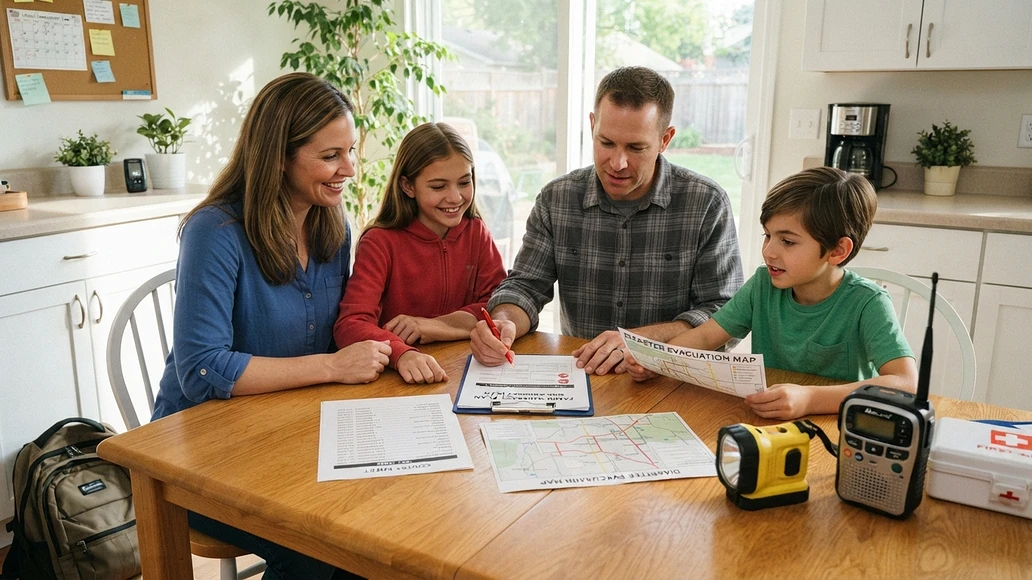
A plan reduces confusion when stress is high. Every household should know how to receive alerts, where to shelter, when to leave, and how to reconnect if phones or roads are a problem. This matters for storms, fires, chemical incidents, blackouts, and local evacuations.
Keep your plan short enough that people will actually remember it. Include one nearby meeting place, one out-of-neighborhood meeting place, an out-of-area contact person, and basic instructions for home, work, school, and travel days. If your area has local emergency alert apps or text systems, sign up now rather than during a crisis.
What to include in a basic plan
- How your household receives warnings, including weather alerts and local emergency notifications.
- Where to shelter for likely local hazards, such as an interior room for tornado warnings.
- Two evacuation routes from home and your neighborhood.
- A communication plan, including one person outside your area who can relay messages.
- Meeting points if family members are separated.
- Special needs planning for medications, mobility devices, pets, children, and older adults.
Practice matters. A plan you never rehearse is easy to forget. Run a short drill once or twice a year, and update phone numbers, school contacts, and meeting points when life changes.
2. Build an emergency kit you can actually carry and use
An emergency kit should support your household for at least 72 hours during a short disruption. That does not mean buying everything at once. Start with water, shelf-stable food, medications, copies of important documents, chargers, a flashlight, and basic hygiene items. Then build from there.
The best kit is the one that fits your real life. A family in a hurricane zone may need waterproof document storage and backup power. Someone who commutes long distances may need a small car kit with water, snacks, walking shoes, and a phone battery pack. A person with chronic illness may need extra medication planning and a written care summary from their clinician.
| Item | Why it matters | Low-cost option | Special notes |
|---|---|---|---|
| Water | Hydration and basic sanitation | Store tap water in clean containers if appropriate for short-term use | Increase supply for heat, infants, and medical needs |
| Food | Maintains energy during disruptions | Use regular shelf-stable foods your household already eats | Account for allergies, infants, and dietary restrictions |
| Medications | Prevents avoidable health setbacks | Rotate legally obtained extras as allowed by your prescriber or pharmacy | Ask your doctor or pharmacist about safe backup planning |
| Documents | Speeds recovery and identity verification | Paper copies in a sealed bag | Include insurance, ID, prescriptions, and emergency contacts |
| Flashlight and batteries | Safer movement during outages | Basic LED flashlight | Avoid relying only on phone light |
| Phone charging | Communication and alerts | Inexpensive power bank or car charger | Recharge monthly |
| First aid supplies | Handles minor injuries | Simple store-bought kit | Seek professional care for serious injuries |
| Cash | Useful when card systems are down | Small bills in a secure envelope | Do not store large amounts at home |
If money is tight, build your kit one category at a time. Week one can be water and a flashlight. Week two can be food and batteries. Week three can be copies of documents and a basic first aid kit. Steady progress beats waiting for the perfect setup.
3. Protect yourself at home with fire, utility, and injury prevention basics
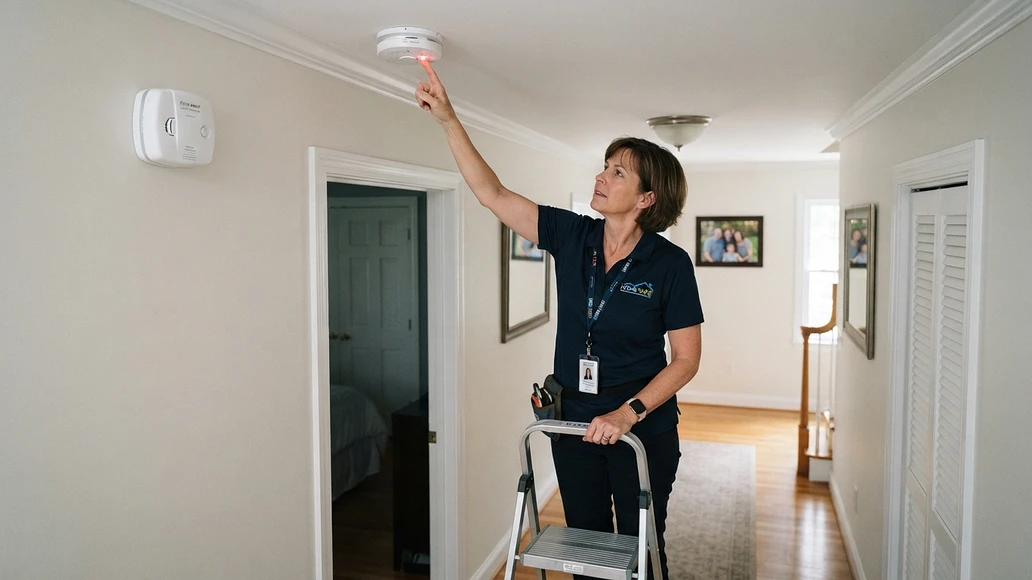
Home safety is one of the highest value areas for self-protection because the risks are common and the fixes are often simple. Working smoke alarms, carbon monoxide alarms, safe heating practices, and a practiced escape plan can save lives. So can reducing trip hazards, securing heavy furniture, and keeping a stocked first aid kit where people can find it.
Test alarms regularly, replace batteries as needed, and know how many ways you can get out of each sleeping area. If you use space heaters, keep them clear of curtains, bedding, and clutter. If you have children or older adults at home, look for furniture tip risks, loose rugs, poor lighting, and stairs without secure handrails.
| Home safety task | Why it helps | Time estimate | Recommended frequency |
|---|---|---|---|
| Test smoke and CO alarms | Early warning for fire and dangerous gas | 10 minutes | Monthly |
| Review two exit routes from each bedroom | Reduces delay during fire | 20 minutes | Twice a year |
| Check cords, outlets, and overloaded power strips | Lowers electrical fire risk | 20 to 30 minutes | Every season |
| Secure tall furniture and TVs | Reduces tip-over injuries | 30 to 60 minutes | Once, then recheck after moves |
| Remove trip hazards and improve lighting | Helps prevent falls | 30 minutes | Every season |
| Review extinguisher location and expiration | Improves readiness for small fires | 10 minutes | Twice a year |
If you smell gas, see sparking wiring, or suspect a serious electrical or structural problem, leave the area and contact the appropriate utility or a qualified professional. Do not try to improvise repairs that could make the situation worse.
4. Protect your health from everyday illness and respiratory viruses
Health protection is a core part of self-protection. The most useful habits are still the basics, wash hands, improve indoor air when possible, stay home when sick, and take extra precautions after illness if you are around people at higher risk. In recent guidance, public health agencies have placed more emphasis on cleaner air and practical steps that reduce spread across respiratory illnesses, not just one virus.
Cleaner air can be as simple as opening windows when conditions allow, using kitchen and bathroom exhaust fans appropriately, spending more time outdoors when someone is sick, or using an air purifier in shared indoor spaces. If you are ill and need to be around others, masking can reduce spread, especially around older adults, infants, or people with chronic medical conditions.
Vaccination is also part of self-protection, but it is a medical decision that should be tailored to your age, health status, pregnancy, and risk factors. Talk with your doctor, pharmacist, or other licensed clinician about recommended vaccines, medication storage, and emergency refill planning. Seek urgent medical care for chest pain, trouble breathing, signs of stroke, severe dehydration, high fever with confusion, or worsening chronic illness.
5. Stay safer when you are out and about
Most personal safety wins happen before a situation escalates. Plan your route, keep your phone charged, tell someone where you are going when appropriate, and pay attention to exits, lighting, and the general tone of a place. If something feels off, leaving early is often the safest choice.
Situational awareness does not mean living in fear. It means noticing enough to make good decisions. Avoid distractions when walking to your car, keep valuables out of sight, and do not let social pressure override your judgment. In tense situations, calm verbal de-escalation and creating distance are usually safer than confrontation.
Self-defense classes can be valuable for confidence, awareness, and escape-focused skills. If you are considering any self-defense tool, get qualified training first and check your local and state laws carefully. Laws on possession, carry, and use of force vary widely. This article does not provide legal advice or tactical instruction.
6. Protect yourself from bad information, scams, and fraud
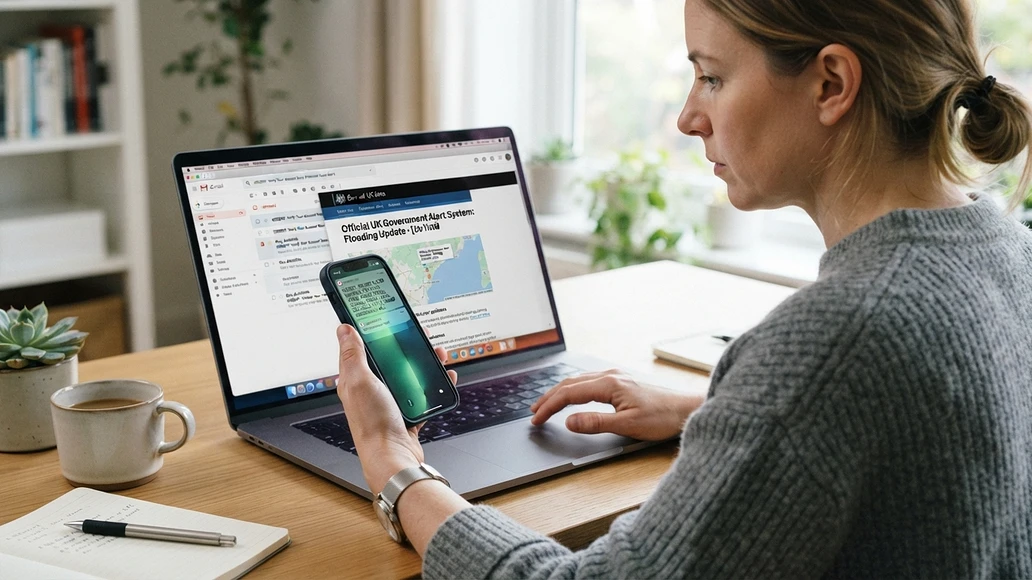
During emergencies, false information spreads fast. So do scams tied to weather events, health fears, donations, and fake utility notices. A good rule is to slow down before you click, pay, share, or panic. Verify urgent claims through official sources such as local emergency management, Ready.gov, CDC, National Weather Service updates, or your state and county agencies.
Scam prevention also belongs in preparedness. Be cautious with unexpected payment requests, links sent by text, callers demanding immediate action, and social media posts that rely on outrage instead of evidence. If a message claims your bank account, benefits, or utility service is at risk, contact the organization directly using a number or website you already trust.
Households should also keep a written list of important account contacts, insurance numbers, and official websites. That reduces the chance of falling for fake support lines during stressful moments.
7. Guard your mental health and build resilience
Preparedness should make you feel steadier, not trapped in constant worry. A little planning lowers stress because it replaces uncertainty with simple next steps. Too much doom-scrolling or threat-focused content can do the opposite.
Build resilience with routines that are easy to maintain, regular sleep, movement, social connection, realistic planning, and breaks from nonstop news. If emergency planning starts to trigger panic, insomnia, or intrusive worry, scale back and focus on one small task at a time. If anxiety becomes persistent or disabling, talk with a licensed mental health professional. If you or someone in your household is in immediate emotional crisis, seek urgent professional help.
How to adapt these steps for kids, older adults, and special health needs
Preparedness works better when it reflects the people in your home. Children usually do best with short explanations, repeated practice, and familiar comfort items in their kits. Older adults may need larger-print contact sheets, backup power planning for medical devices, and extra attention to fall prevention and medication organization.
People with disabilities, chronic illness, or pregnancy may need customized evacuation plans, clinician-approved medication strategies, and support from neighbors or family. Keep an updated medication list, diagnoses, allergies, equipment needs, and clinician contacts in your document packet. Review heat, cold, exertion, and transportation risks with a healthcare professional if they apply to your situation.
Recent changes in health and safety guidance worth knowing
In the last two years, public health messaging has become more integrated across respiratory illnesses. The focus is less on one disease and more on practical habits that reduce spread overall, hand hygiene, cleaner indoor air, staying home when sick, and taking added precautions after illness. That makes personal protection simpler and easier to apply in daily life.
Emergency management guidance has stayed consistent on the basics. Alerts, evacuation planning, communication, and household kits remain the foundation. The lesson is straightforward, the most effective protection steps are often the least flashy.
Common mistakes people make when trying to protect themselves
One common mistake is over-focusing on rare threats while ignoring likely ones such as fire, weather, falls, and illness. Another is buying gear without practicing how to use it. People also get into trouble when they rely on a single information source, especially social media, or when they skip planning for medications, pets, and household members with extra needs.
Another mistake is treating self-protection as a one-time purchase. Real preparedness is a living system. Plans change, batteries die, food expires, children grow, and health needs shift. Review your setup at least once or twice a year.
Putting it all together, your personal protection checklist
If you want a simple starting point, map your next actions to the seven areas above. Make a family plan. Build a small 72-hour kit. Test alarms and walk your exits. Improve hygiene and indoor air habits. Practice safer routines outside the home. Verify information before acting. Protect your mental bandwidth as carefully as your supplies.
| Situation type | Reasonable self-care step | When to seek professional help |
|---|---|---|
| Minor household injury | Use basic first aid and monitor symptoms | Heavy bleeding, possible fracture, head injury, or worsening pain |
| Respiratory illness | Rest, fluids, hygiene, cleaner air, reduce contact with others | Trouble breathing, chest pain, confusion, dehydration, or high-risk patient worsening |
| Home safety concern | Test alarms, remove hazards, review exits | Gas smell, electrical sparking, structural concerns, repeated alarm failures |
| Emotional distress after a crisis | Rest, routine, social support, limit media overload | Persistent panic, insomnia, hopelessness, or inability to function |
| Threats, stalking, or domestic violence | Prioritize immediate safety and contact trusted support | Contact law enforcement, emergency services, or specialized support resources promptly |
FAQ
How often should I update my emergency plan and kit?
Review both at least every six months. Update them sooner after a move, a new job, a new baby, a diagnosis, a medication change, or a major local hazard event. Check expiration dates, batteries, contact numbers, and document copies during each review.
What are the most important protections if I live on a tight budget?
Start with the highest value basics, a written family plan, working smoke alarms, a flashlight, water, a few days of food you already eat, copies of important documents, and a phone charging method. These steps are affordable and cover many common emergencies.
How can I talk to my kids about emergencies without scaring them?
Keep it calm and simple. Explain that plans help families know what to do, just like school drills or seat belts. Practice short drills, let kids help pack comfort items, and avoid graphic details or constant exposure to frightening news.
What official websites and apps should I trust for emergency alerts?
Start with Ready.gov, your local emergency management office, the National Weather Service, your state or county alert system, and CDC for health guidance. Use official apps and bookmarked websites rather than links forwarded through social media.
Do I really need special protection steps if I have a chronic health condition?
Yes. Even short disruptions can affect medication access, temperature tolerance, mobility, and follow-up care. Ask your doctor or pharmacist about safe refill planning, storage needs, backup equipment considerations, and what to do if services are interrupted.