Armored Vehicle Pricing in Plain English, What You Pay and What You Get
Thinking about an armored car? Here is a realistic US cost breakdown for bullet resistant upgrades, protection levels, legal issues, driving tradeoffs, and lower cost alternatives worth considering first.

For most people, a so called bulletproof car is not a casual upgrade. It is a specialized security purchase with serious cost, safety, legal, and maintenance implications. As of the mid 2020s, professional armoring in the US often starts in the tens of thousands of dollars, and complete high end builds can climb into six figures very quickly. The biggest mistake buyers make is focusing on the headline price without understanding protection level, vehicle suitability, and the long term costs that come after delivery.
This guide explains what armoring really includes, what realistic price bands look like, how standards such as B4, B6, and B7 affect cost, and why many households are better served by layered security measures instead of a full armored vehicle. This is general information only, not legal or engineering advice. Before spending money, verify local rules with your DMV or attorney, confirm insurance requirements, and speak with a reputable armoring company that can document testing and certifications.
What people mean by a bulletproof car
In real world use, the better term is bullet resistant, not bulletproof. Armored vehicles are built to resist specific threats for a limited period and under defined test conditions. Protection depends on the rating, the angle of impact, the ammunition used, and whether the entire passenger cell is protected or only selected areas.
A proper build may include ballistic glass, opaque armor panels in doors and pillars, overlap protection around seams, reinforced hinges, upgraded suspension, stronger brakes, run flat tire systems, and in some cases protection for the roof, floor, battery, or fuel tank. That is why the price can vary so widely from one quote to another.
What is usually armored
| Vehicle area | What is added | Why it matters |
|---|---|---|
| Windows and windshield | Multi layer ballistic glass or transparent armor | Often one of the most expensive parts of the build, and one of the heaviest |
| Doors, pillars, quarter panels | Steel or composite armor panels | Creates the main protective shell around occupants |
| Seams and gaps | Overlap armor around edges and joints | Prevents weak points where rounds could pass through |
| Tires and wheels | Run flat systems or reinforced assemblies | Helps the vehicle keep moving after tire damage |
| Suspension and brakes | Heavy duty springs, dampers, brake upgrades | Needed to safely manage the extra weight |
| Optional systems | Fire suppression, sirens, intercoms, tracking | Adds capability, complexity, and cost |
Typical US price ranges today
The short answer is that professional armoring usually adds about $30,000 to $100,000 or more for many retrofit jobs, depending on the vehicle and protection level. Once you include the cost of the base vehicle, a finished armored SUV or luxury sedan can easily land in the $150,000 to $300,000 plus range. Premium factory armored luxury models can go far beyond that.
The lower end usually refers to lighter handgun oriented protection on a suitable sedan or crossover. The upper end reflects rifle resistant packages, larger SUVs, more glass area, more reinforcement, and more optional systems.
Protection level, threat, and approximate retrofit cost
| Protection level | Typical threat profile | Approximate added weight | Approximate retrofit range for sedan | Approximate retrofit range for SUV |
|---|---|---|---|---|
| B4 or similar handgun focused level | Common handgun threats | About 800 to 1,200 pounds | About $30,000 to $60,000 | |
| B6 or similar rifle resistant level | Higher powered rifle threats in many scenarios | About 1,200 to 1,800 pounds | About $60,000 to $120,000 | |
| B7 or similar higher rifle level | More severe rifle threat environments | About 1,600 to 2,200 plus pounds | About $90,000 to $180,000 plus |
These are broad market ranges, not guaranteed quotes. Vehicle size, glass area, drivetrain, payload capacity, and the quality of the armoring shop all affect the final number.
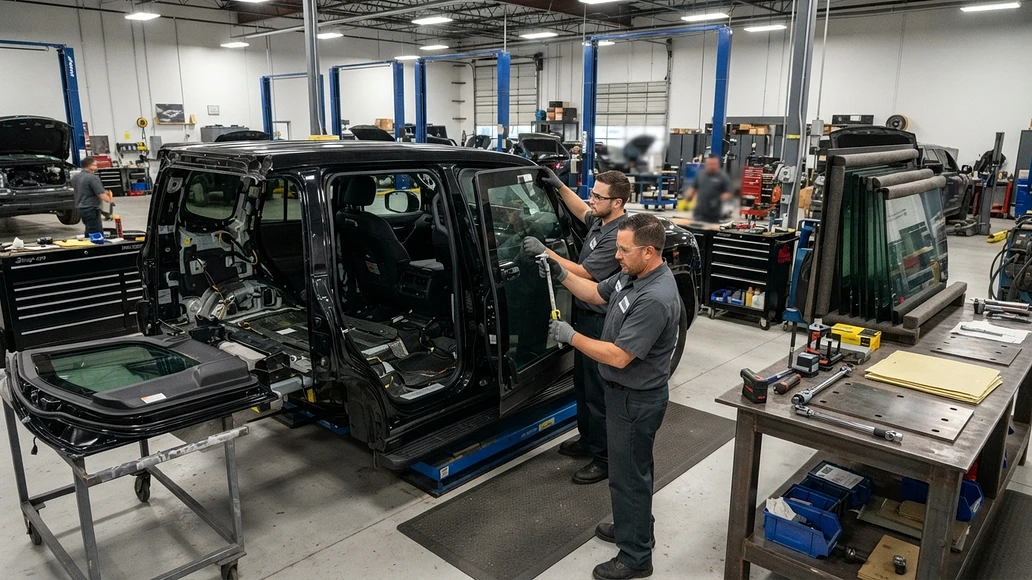
How protection standards affect cost
Many buyers hear terms like NIJ, UL 752, VPAM, EN 1063, or B4 through B7 and assume they all mean the same thing. They do not. Different standards test different materials and threat levels. What matters for cost is simple. Higher rated protection generally means thicker glass, more robust armor, more overlap coverage, and more mechanical upgrades to handle the weight.
For a consumer, the practical question is not whether a vehicle is called bulletproof. It is whether the company can show documented testing for the exact protection package being sold.
Simple guide to common rating language
| Rating term | What it generally signals | Cost effect |
|---|---|---|
| B4 | Handgun oriented protection package | Lower entry price, lighter weight, less impact on performance |
| B6 | Rifle resistant package common in executive protection discussions | Major jump in cost and weight |
| B7 | Higher rifle threat package with heavier materials | Highest retrofit cost bands for many civilian builds |
| NIJ, UL 752, EN 1063, VPAM | Testing frameworks for materials or systems | Certified and documented products usually cost more, but reduce guesswork |
If a seller cannot clearly explain what standard was used, what ammunition was tested, and what parts of the vehicle are covered, treat that as a warning sign.
Where the money actually goes
Armoring quotes can look confusing because some shops bundle everything into one number while others separate glass, opaque armor, mechanical upgrades, and options. A useful way to compare bids is to break the project into components.
Component level cost breakdown
| Component | Typical price range | Performance impact or note |
|---|---|---|
| Ballistic glass for full vehicle set | About $10,000 to $50,000 plus | Very heavy, can slow window operation, expensive to replace |
| Body armor panels and overlap protection | About $15,000 to $60,000 plus | Core of the protective shell, cost rises with coverage and rating |
| Run flat systems or reinforced tire solutions | About $2,000 to $8,000 plus | Helps mobility after tire damage, adds replacement cost |
| Suspension, brake, and chassis upgrades | About $3,000 to $15,000 plus | Critical for safe handling and braking with added weight |
| Optional electronics and safety systems | About $2,000 to $25,000 plus | Tracking, intercoms, fire suppression, emergency systems |
Glass often shocks first time buyers because transparent armor is both technically demanding and heavy. On some vehicles, the window package alone can represent a large share of the total bill.
Three realistic buying scenarios
These examples show how the same idea, protect the occupants, can lead to very different budgets.
| Scenario | What it usually includes | Ballpark total | Who it may fit |
|---|---|---|---|
| Mid size sedan with basic handgun protection | Lighter glass, door and pillar armor, limited options | About $30,000 to $60,000 for retrofit only | Buyer with a specific but lower level threat concern |
| Full size SUV with rifle resistant package | Heavier glass, broader cabin protection, run flats, brake and suspension upgrades | About $70,000 to $150,000 plus for retrofit only | Higher risk travel or executive protection use |
| Factory armored luxury sedan | Integrated engineering, high protection level, premium systems, base car included | About $150,000 to $300,000 plus, with some flagship models far higher | Institutional, diplomatic, or very high net worth buyers |
Retrofit versus factory armored
Retrofitting an existing vehicle can look cheaper at first, especially if you already own the car. But the best choice depends on the platform, your threat profile, and whether the vehicle was ever a good candidate for the added mass.
Side by side comparison
| Factor | Retrofit armored vehicle | Factory armored vehicle |
|---|---|---|
| Upfront cost | Usually lower than buying a new factory armored luxury model | Usually higher, especially in premium brands |
| Engineering integration | Depends heavily on the shop and donor vehicle | Generally better integrated from the start |
| Warranty | Split between vehicle maker and armoring company | Often clearer package support, though terms vary |
| Lead time | Can be faster for common platforms, but varies | Can be long for special order models |
| Resale | Niche market, depends on documentation and condition | Also niche, but factory pedigree may help some buyers |
| Best use case | Buyer wants a discreet build on a familiar vehicle | Buyer wants maximum integration and premium support |
A poor retrofit on the wrong vehicle can be less safe than no armor at all if the suspension, brakes, or structure are not properly addressed.
How armoring changes the way a car drives
Weight is the hidden story behind armored vehicles. Depending on the package, armor and glass can add roughly 800 to 2,200 pounds or more. That affects acceleration, braking distance, cornering, tire wear, and fuel economy. It can also change how doors close, how windows operate, and how quickly consumables wear out.
That is why reputable shops upgrade springs, dampers, brakes, and sometimes cooling or drivetrain related components. If a quote seems cheap because it skips those items, the vehicle may become harder to control and less crash safe.
Common ownership tradeoffs
| Area | Likely change after armoring | Budget impact |
|---|---|---|
| Fuel economy | Usually worse due to added mass | Higher ongoing fuel cost |
| Braking | Longer stopping distances if not upgraded properly | Brake upgrades and more frequent service |
| Tires | Faster wear, especially on heavy SUVs | Higher replacement cost |
| Glass replacement | Specialized and expensive | Can be a major repair bill |
| Suspension wear | More stress on springs, dampers, bushings | More maintenance over time |
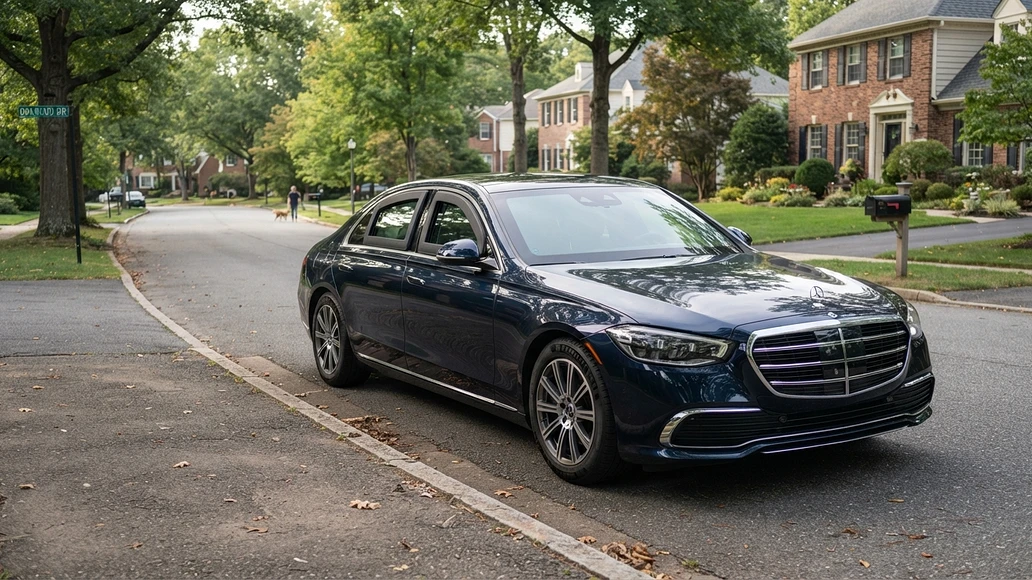
Who actually needs an armored vehicle
Most people do not. A realistic risk assessment matters more than curiosity or fear. Armoring can make sense for people with a documented threat profile, frequent travel in high risk areas, executive protection needs, or work that creates unusual exposure. For the average household, the money often goes further when spent on better daily security habits, route planning, communications, training, and home hardening.
If your concern is general crime rather than a specific targeted threat, a full armored vehicle may be overkill. It can also create a false sense of security if the driver has no plan, no training, and no understanding of the vehicle's limits.
Legal and insurance issues in the US
There is no blanket federal ban on civilians owning armored vehicles or ballistic glass in the United States. However, that does not mean every build is automatically compliant everywhere. State and local rules can affect tint, visibility, inspections, registration, and modifications that change vehicle weight or classification.
Before commissioning work, check with your state DMV and, if needed, a local attorney familiar with vehicle compliance. Also notify your insurer before and after the build. Coverage terms, agreed value, and disclosure requirements may change. Specific premium impacts are not well standardized, so get the answer in writing.
Practical compliance checklist
| Issue | Why it matters | What to do before buying |
|---|---|---|
| Window tint and visibility rules | Ballistic glass setups may interact with state tint laws | Confirm legal limits with your state DMV |
| Vehicle inspections | Modified weight and systems may affect inspection outcomes | Ask how the build is documented for inspection purposes |
| Registration and title records | Some states may want updated information on major modifications | Verify whether paperwork changes are required |
| Insurance disclosure | Undisclosed modifications can create claim problems | Get written confirmation of coverage terms |
How to choose a reputable armoring company
This is not a market where the cheapest quote is usually the best value. Documentation, testing, and after sale support matter. Ask for proof, not marketing language.
Questions worth asking every shop
| Question | Why it matters | What a strong answer looks like |
|---|---|---|
| What standard was the package tested to? | Confirms the claimed protection level | Specific rating, ammunition type, and test documentation |
| Is the whole passenger cell protected or only selected areas? | Reveals gaps in coverage | Clear diagram of protected zones and overlap areas |
| What mechanical upgrades are included? | Weight without upgrades can reduce safety | Detailed list of suspension, brake, and wheel changes |
| How is warranty handled? | Armored vehicles often involve multiple parties | Written terms for armor, glass, and installation work |
| What service support is available later? | Glass and specialty parts may need expert service | Defined service network and replacement process |
| Can you provide references or prior build examples? | Helps verify experience with your platform | Documented builds on similar vehicles |
Red flags include vague claims like lifetime bulletproofing, prices far below market norms, no mention of testing standards, and no explanation of weight management or brake upgrades.
Alternatives if full armoring is too expensive
Many buyers discover that a full build exceeds both budget and practical need. In that case, there are lower cost options that may better match occasional or moderate risk.
| Alternative | What it does | When it may make sense |
|---|---|---|
| Partial armoring | Protects selected areas such as glass or passenger cell only | When the threat profile is narrower and budget is limited |
| Armored vehicle rental | Provides temporary access without ownership costs | For occasional high risk travel |
| Professional driver and route planning | Reduces exposure through habits and planning | For many people, this is more practical than armor |
| Parking and access control upgrades | Improves daily security around home and work | Useful when the concern is opportunistic crime |
| Training and communications | Improves decision making under stress | Often a better first investment than hardware |
Why DIY bulletproofing is a bad idea
Adding heavy glass or improvised armor at home is not a safe shortcut. It can overload door structures, change crash behavior, damage hinges, compromise airbags or sensors, and create legal or insurance problems. More importantly, untested materials may fail when they are actually needed.
This article is not a how to guide for modifying a vehicle at home. If you believe you have a real security need, stop at the planning stage and consult qualified professionals for threat assessment, legal compliance, and engineering feasibility.
What to budget after the purchase
The upfront invoice is only part of the ownership cost. Armored vehicles usually consume more fuel, wear out tires and brakes faster, and can be expensive to repair after even minor damage. Replacement ballistic glass can be especially costly and may involve long lead times.
| Ongoing cost area | Why it rises | What to expect |
|---|---|---|
| Fuel | Extra weight increases consumption | Higher monthly operating cost |
| Tires and brakes | Heavier vehicle stresses wear items | More frequent replacement |
| Specialty repairs | Armor and glass are not standard parts | Higher parts and labor bills |
| Insurance administration | Modified value and risk profile may need custom handling | More paperwork and possible premium changes |
| Resale | Niche buyer pool | Value depends heavily on documentation and condition |
Recent market trends
Recent pricing guides suggest that costs have generally moved upward compared with older articles, partly because of materials, labor, and demand. At the same time, newer composites and more discreet builds have improved the look and usability of some armored vehicles. On the very high end, flagship factory armored luxury sedans can reach extraordinary prices that are far outside the normal civilian market.
That makes careful shopping even more important. Buyers should compare not just price, but also weight added, test documentation, service support, and how well the chosen vehicle platform handles the package.
Bottom line
If you are trying to estimate the cost to bulletproof your car, the realistic answer is usually somewhere between $30,000 and $100,000 plus for a professional retrofit, with total ownership costs well above that once you include the base vehicle, maintenance, and operating penalties. The right package depends on the actual threat, not the most dramatic marketing claim.
For many readers, the best move is not a full armored build. It is a layered security plan that starts with risk assessment, better habits, and professional advice. If you do move forward, insist on documented testing, legal compliance, and mechanical upgrades that keep the vehicle safe to drive.
References
- How Much Does it Cost to Bulletproof a Car in 2026?
- How Much Does It Cost to Bulletproof a Car? Full Breakdown
- How to choose car bullet proof,How much does it cost to bulletproof ...
- Cost Of Bulletproof Car: Complete Guide To Armored Vehicle Pricing
- कार को बुलेटप्रूफ बनाने के लिए कितना खर्च आता है? जानिए किन पार्ट्स को ...