7 Smart Protection Habits for Everyday Emergencies and Personal Safety
Protecting yourself is not just about rare worst case scenarios. Learn seven practical ways to improve safety at home, on the go, online, and during everyday emergencies.

Most people think about self-protection only when they picture crime, disasters, or dramatic emergencies. In real life, the biggest risks are often more ordinary, home fires, severe weather, illness, falls, scams, confusion during a crisis, and the stress that follows when no one has a plan. A practical approach to protecting yourself starts with the threats you are most likely to face, then builds simple habits that make you safer without turning daily life into a constant state of worry.
This guide covers seven high-value ways to protect yourself and your household. The focus is on realistic, evidence-based steps that help in everyday life and also make you more prepared when something bigger happens.
What protecting yourself really means today
Personal protection is broader than self-defense. It includes physical safety, health protection, information safety, and emotional resilience. A good rule is to prioritize hazards that are both likely and disruptive. That means giving serious attention to home safety, emergency planning, health habits, and trustworthy information, not just rare threats.
| Everyday risk | Typical likelihood | Potential impact | Protection steps that help most |
|---|---|---|---|
| Home fire | Moderate | Very high | Emergency plan, smoke alarms, escape drills, home safety checks |
| Severe weather or power outage | Moderate to high, depending on region | Moderate to high | Emergency plan, supply kit, local alerts, backup lighting and medications |
| Respiratory illness | High | Low to high, depending on health status | Hand hygiene, cleaner air, staying home when sick, vaccination discussions with a clinician |
| Crime or unsafe encounters | Variable | Moderate to high | Situational awareness, route planning, communication, avoidance and de-escalation |
| Scams and misinformation | High | Moderate to high | Official sources, verification habits, slow-down checks before acting |
1. Make a simple family emergency plan before you need it
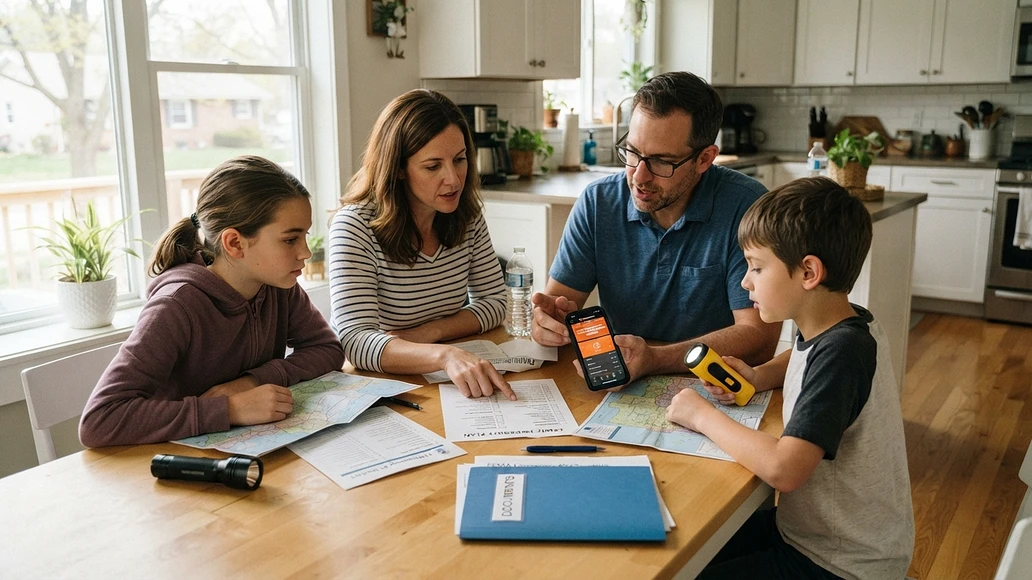
If your phone battery dies, roads close, or family members are in different places when something happens, a plan matters more than expensive gear. A basic emergency plan should answer five questions. How will you get alerts? Where will you shelter? When will you evacuate? How will you contact each other? Where will you meet if communication fails?
Start with one page. Write down emergency contacts, an out-of-area contact person, two meeting places, one near home and one outside your neighborhood, and your evacuation routes. Include school, work, and commuting realities. If someone in the household depends on medication, mobility equipment, or regular treatments, build that into the plan from the start.
Ready.gov and local emergency management offices consistently recommend practicing the plan, not just writing it. A quick drill once or twice a year can reveal problems before a real emergency does.
What to include in a basic plan
| Plan element | Why it matters | Simple starting point | How often to review |
|---|---|---|---|
| Emergency alerts | Gives early warning for weather, evacuation, and local hazards | Enable Wireless Emergency Alerts and install your local alert app | Every 6 months |
| Household contacts | Reduces confusion if family members are separated | Keep a printed contact card in wallets and backpacks | Every 6 months |
| Meeting places | Creates a fallback if phones fail | Choose one nearby and one outside the neighborhood | Every 12 months |
| Evacuation routes | Helps avoid last-minute delays | Map two ways out of your area | Every 12 months or after a move |
| Medical needs plan | Protects people who rely on medications or equipment | Keep a current medication list and clinician contact info | After any medication change |
2. Build an emergency kit you can actually use
An emergency kit should support your household for at least 72 hours during a disruption. That does not mean buying everything at once. Start with water, food, medications, light, power, hygiene items, and copies of important documents. Then add items that fit your local risks, such as extra blankets for winter storms or cooling supplies for extreme heat.
The best kit is not the fanciest one. It is the one you can find quickly, carry if needed, and maintain without overspending. Store supplies in clearly labeled bins or backpacks. Check expiration dates, batteries, and seasonal clothing at least twice a year.
| Item | Why it matters | Low-cost option | Special notes |
|---|---|---|---|
| Water | Essential for drinking and basic sanitation | Store tap water in cleaned food-grade containers | Increase supply for hot climates, infants, and medical needs |
| Nonperishable food | Maintains energy when stores are closed | Use shelf-stable foods you already eat | Include manual can opener if needed |
| Medications | Critical for chronic conditions and symptom control | Ask your pharmacist about refill timing and safe storage | Do not change medication use without medical guidance |
| Flashlights and batteries | Safer than candles during outages | One flashlight per person if possible | Check batteries twice a year |
| Phone charger or power bank | Supports communication and alerts | Keep a charged backup battery | Recharge regularly |
| Important documents | Speeds recovery after evacuation or loss | Use paper copies in a waterproof pouch | Include ID, insurance, prescriptions, and emergency contacts |
| Cash in small bills | Useful when card systems are down | Set aside a small amount over time | Store securely |
| Basic hygiene supplies | Supports health and comfort | Soap, sanitizer, tissues, trash bags | Add infant or menstrual supplies if needed |
If you are on a tight budget, build your kit in layers. Week one, buy extra water. Week two, add shelf-stable food. Week three, gather copies of documents. Small progress still counts.
3. Make your home safer with fire, utility, and injury prevention basics
Many households spend more time thinking about gear than about smoke alarms, carbon monoxide detectors, overloaded outlets, loose rugs, or blocked exits. That is backwards. Home safety basics prevent some of the most common and most damaging emergencies.
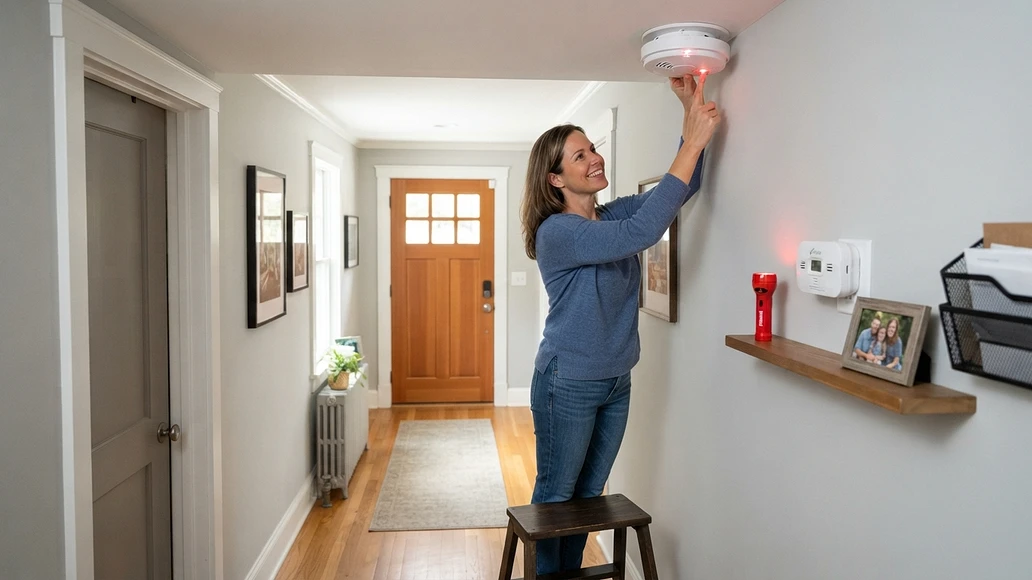
Test smoke alarms monthly and replace batteries as recommended by the manufacturer. Install carbon monoxide alarms where appropriate, especially near sleeping areas. Know how to shut off utilities if local guidance recommends it, but do not attempt repairs you are not trained to do. Keep exits clear, review heating safety every cold season, and practice a home fire escape drill so everyone knows two ways out of each sleeping area when possible.
Injury prevention matters too. Secure top-heavy furniture, reduce trip hazards, keep a stocked first aid kit, and store hazardous products safely away from children.
| Home safety task | Time estimate | Why it helps | Suggested frequency |
|---|---|---|---|
| Test smoke alarms | 5 minutes | Early warning saves time to escape | Monthly |
| Check carbon monoxide alarms | 5 minutes | Helps detect a dangerous invisible hazard | Monthly |
| Review fire escape routes | 15 minutes | Reduces panic and delay | Twice a year |
| Clear exits and hallways | 20 minutes | Improves evacuation speed | Monthly |
| Secure furniture and TVs | 30 to 90 minutes | Reduces tip-over injuries | Once, then recheck yearly |
| Inspect extension cords and outlets | 20 minutes | Helps prevent electrical fires | Every 6 months |
| Review first aid supplies | 15 minutes | Keeps essentials ready when needed | Every 6 months |
4. Protect your health with everyday illness prevention
Health protection is a core part of self-protection. Updated public health guidance increasingly emphasizes simple measures that reduce the spread of respiratory viruses and other common illnesses. Wash hands regularly, improve indoor air when possible, stay home when sick, and take extra precautions after illness if you are returning around others. In some situations, testing or masking may still make sense, especially around people at higher risk.
Cleaner air is one of the most practical recent shifts in guidance. Opening windows when conditions allow, using bathroom and kitchen exhaust fans appropriately, spending time outdoors when feasible, and using portable air cleaners in crowded indoor settings can all help reduce exposure.
Vaccination is another important protection tool, but it is personal medical territory. Talk with your doctor, pharmacist, or other qualified clinician about recommended vaccines, timing, pregnancy considerations, chronic conditions, and any questions about side effects or interactions.
If you have chest pain, trouble breathing, signs of stroke, severe dehydration, high fever with confusion, or worsening symptoms from a chronic illness, seek professional medical care promptly.
5. Stay safer when you are out and about
Situational awareness is not about living in fear. It is about noticing enough to make good decisions early. Before you go out, know where you are going, how you are getting there, and what your backup plan is if your ride falls through or your phone dies. Share your plans with someone you trust when appropriate, especially for travel, late-night outings, or meeting unfamiliar people.
When you arrive somewhere, note exits, lighting, and whether the environment feels orderly or escalating. If a situation starts to feel wrong, leave early. Distance and avoidance are often safer than confrontation. De-escalation, calm communication, and quick exits are broadly useful skills.
Self-defense classes can improve confidence and awareness, but tools and tactics require caution. Laws on self-defense, weapons, and use of force vary by state and locality. If you are considering any self-defense tool, learn your local laws and get qualified training first. Avoid relying on gear alone as a substitute for planning, awareness, and judgment.
6. Protect yourself from misinformation, scams, and fraud
During emergencies, bad information spreads fast. So do scams. One of the most effective ways to protect yourself is to slow down before acting on alarming claims, urgent payment requests, or dramatic social media posts.
Use official sources first for weather, evacuation, public health, and local emergency instructions. In the United States, that usually means local emergency management, Ready.gov, FEMA, the CDC, the National Weather Service, and state or county agencies. Cross-check major claims before forwarding them to others.
For scams, watch for pressure tactics, gift card requests, fake delivery problems, account lock warnings, and messages that push you to click immediately. Go directly to the official website or app instead of using links in unexpected messages. The Federal Trade Commission regularly publishes scam alerts that are worth checking.
| Situation | Safer response | Warning sign | Best source to verify |
|---|---|---|---|
| Evacuation rumor on social media | Check local emergency management and local news | No official source named | County or city emergency alerts |
| Text saying your bank account is locked | Call the number on your card or use the bank app | Urgent link and pressure to act now | Official bank website or app |
| Message asking for gift cards to help a relative | Call the relative directly or verify through another contact | Secrecy and unusual payment method | Known family contact |
| Health advice with dramatic claims | Check CDC or your clinician | No evidence or extreme promises | CDC, clinician, pharmacist |
7. Guard your mental health and build resilience
Preparedness should make you feel steadier, not trapped in constant anxiety. It is normal to feel overwhelmed when thinking about emergencies, especially if you have lived through one before. The goal is to create enough structure that your mind does not have to improvise under stress.
Simple resilience habits help. Keep routines where you can. Sleep, hydration, movement, and social connection matter more than many people realize. Limit doomscrolling during fast-moving events. Focus on the next useful action instead of trying to solve every possible scenario at once.
If safety worries become intrusive, affect sleep for long periods, trigger panic, or make daily life harder to manage, consider speaking with a licensed mental health professional. If you are dealing with stalking, domestic violence, or credible threats, involve law enforcement and specialized support services rather than trying to handle it alone.
How to adapt these steps for kids, older adults, and people with extra needs
Protection plans work better when they match the people in your home. Children often do better when drills are calm and simple. Practice like a routine, not a frightening event. Let them help pack comfort items, snacks, and a contact card.
Older adults and people with disabilities may need extra planning for mobility, hearing, vision, transportation, refrigeration for medications, or backup power for medical equipment. Keep an updated medication list, clinician contacts, and a written summary of care needs. If someone is pregnant or has a chronic health condition, review evacuation, heat, cold, and medication planning with a healthcare professional.
| Household member | Key planning need | Helpful kit addition | Extra note |
|---|---|---|---|
| Young children | Simple instructions and reassurance | Comfort item, child ID card, familiar snacks | Practice drills in a calm, age-appropriate way |
| Older adults | Mobility and medication continuity | Medication list, spare glasses, mobility aid supplies | Plan transportation support in advance |
| People with disabilities | Accessible communication and equipment backup | Battery backups, written care instructions | Coordinate with caregivers and local support networks |
| People with chronic illness or pregnancy | Medical planning and symptom monitoring | Clinician contacts, symptom notes, approved supplies | Use individualized medical guidance, not generic advice |
Recent changes in health and safety guidance worth knowing
Over the last two years, public health guidance has continued shifting toward a broader respiratory virus approach instead of treating every illness as a separate rulebook. That means the basics matter, hand hygiene, cleaner indoor air, staying home when sick, and using added precautions when risk is higher.
Emergency preparedness guidance has also stayed consistent on the fundamentals. Local alerts, evacuation planning, communication plans, and practical kits remain the backbone of readiness. In other words, the newest advice still points back to the same core truth. Planning and practice protect people better than panic buying.
Common mistakes people make when trying to protect themselves
One common mistake is over-focusing on rare threats while ignoring everyday hazards like fire, falls, weather, and illness. Another is buying lots of gear without a plan for how to use it. Some people rely too heavily on social media during emergencies, which can amplify rumors and bad decisions. Others skip drills because they feel awkward, then discover too late that no one knows where to go.
A better approach is balanced. Start with the basics, practice them, and update them over time.
Your practical protection checklist
| Time frame | Action | Why it matters |
|---|---|---|
| This week | Write down emergency contacts and two meeting places | Creates a usable plan fast |
| This week | Test smoke and carbon monoxide alarms | Improves home safety immediately |
| This week | Set up local emergency alerts | Helps you act earlier in fast-moving events |
| This month | Build or refresh a 72-hour kit | Supports your household during disruptions |
| This month | Review medications and document copies | Protects continuity of care and recovery |
| Next 3 months | Practice one home drill and one communication drill | Turns planning into action |
| Next 3 months | Review scam defenses and official information sources | Reduces fraud and misinformation risk |
FAQ
How often should I update my emergency plan and kit?
Review both at least every six months. Update sooner after a move, a medication change, a new child, a major health event, or a change in local risk such as wildfire or flood exposure.
What are the most important protections if I live on a tight budget?
Start with the highest-value basics, a written plan, local alerts, working smoke alarms, a small water supply, shelf-stable food you already use, a flashlight, and copies of important documents. Preparedness does not have to begin with expensive purchases.
How can I talk to my kids about emergencies without scaring them?
Keep it simple, calm, and practical. Explain that plans help families stay safe, just like seat belts and bike helmets do. Practice short drills and let children participate in age-appropriate ways.
What official websites and apps should I trust for emergency alerts?
Start with your local emergency management agency, the National Weather Service, Ready.gov, FEMA, and the CDC for health guidance. Wireless Emergency Alerts on your phone are also important. Local agencies often have county or city-specific alert systems worth joining.
Do I really need special protection steps if I have a chronic health condition?
Yes. Chronic conditions can make disruptions more dangerous. Keep an updated medication list, clinician contacts, refill information, and any necessary equipment plans. Review heat, cold, evacuation, and illness precautions with your healthcare team.