Trade What You Know: Old-School Skills That Still Carry Weight Today
Bartering is not a relic. Learn which Depression-era household skills still trade well, how to start swapping fairly, and how to keep modern barter safe, legal, and useful.

When cash gets tight, people fall back on what they can do, fix, grow, cook, or organize. That was true during the Great Depression, and it is still true now. Families traded labor, meals, mending, produce, rides, and practical know-how because money was scarce and needs did not stop.
Modern bartering is not about pretending money no longer matters. It is about reducing cash pressure, strengthening local relationships, and turning everyday competence into something useful. A person who can hem pants, troubleshoot a phone, sharpen tools, watch a child for two hours, or help a neighbor start a garden may have more barter value than they realize.
This guide explains which old-fashioned skills still trade well, how to build your own barter skill portfolio, how to make fair trades without awkwardness, and where safety, legal, and tax limits matter.
What were Depression-era barter skills, and why do they matter now?
During the Great Depression, unemployment, bank failures, and cash shortages pushed households to rely more on informal exchange. People stretched what they had, repaired instead of replacing, and leaned on neighbors for practical help. Bartering worked because it matched unmet needs with available skills.
That same logic shows up today during inflation, layoffs, supply disruptions, and rising service costs. A family may not be able to pay cash for every repair, lesson, errand, or meal, but they may still have something valuable to offer in return.
The deeper lesson is not nostalgia. It is resourcefulness. Skills that lower expenses, preserve essentials, and build trust become more valuable when budgets are strained.
| 1930s household skill | Modern version | Example barter today |
|---|---|---|
| Sewing and mending | Clothing repair, patching, simple alterations | Hem two pairs of pants in exchange for a week of dog walking |
| Cooking from scratch | Batch meal prep, bread baking, freezer meals | Trade three family dinners for help assembling shelves |
| Gardening | Raised beds, seed starting, compost setup | Help start a garden in exchange for extra produce later |
| Food preservation | Dehydrating, freezing, safe water-bath canning where appropriate | Teach jam making in exchange for yard cleanup |
| Basic repairs | Furniture fixes, caulking, screen repair, simple maintenance | Repair a gate latch in exchange for tutoring |
| Child minding | Short-term childcare swaps between trusted families | Watch kids during appointments in exchange for cooked meals |
| Transport help | Errand runs, rides to stores or appointments | Provide two rides in exchange for lawn mowing |
Bartering today, what it is and how it differs from simple favors
Bartering is a direct exchange of goods or services without cash changing hands, or with cash used only to balance a difference in value. It is different from gifting, where nothing is expected back, and different from volunteering, where the purpose is service rather than exchange.
It also comes in several forms. Some trades are casual and neighborly. Others are organized through community groups or formal barter systems.
| Type of exchange | How it works | Best use | Main caution |
|---|---|---|---|
| Informal neighbor barter | Two people agree to swap help, goods, or time directly | Simple local needs like rides, meals, mending, yard help | Misunderstandings if details are not clear |
| Community skill share | Local group connects people who can teach or help each other | Building trust and recurring exchanges | Quality varies, so start small |
| Time bank | Members trade hours of service, often one hour for one hour | Equalizing value across many kinds of help | Not every service fits a one-hour model |
| Organized barter exchange | Structured network tracks credits and debits among members | Frequent or business-like trading | May involve fees, rules, and tax reporting |
A useful rule is this. If the trade is simple, low risk, and between people who know each other, informal barter can work well. If the trade is frequent, high value, or involves many participants, use more structure.
Core practical skills that still trade well in hard times
The most reliable barter skills solve ordinary problems. They save time, reduce spending, or make daily life easier. Fancy skills can be valuable, but basic competence often trades more often.
Food skills
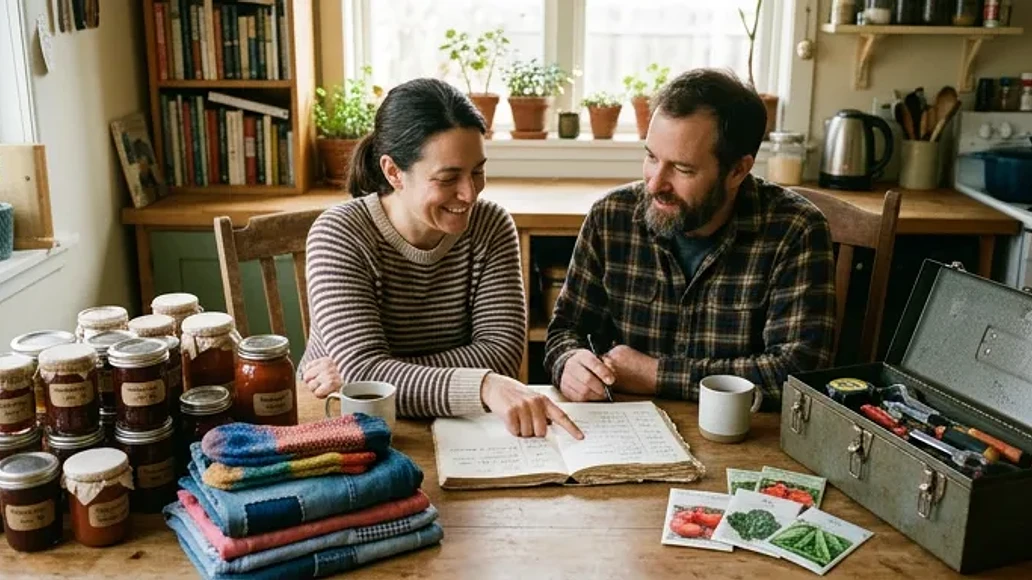
Cooking from scratch, baking, meal planning, bulk prep, and safe food preservation remain highly useful. A person who can turn inexpensive staples into good meals can help families cut grocery costs fast. Garden planning, seed starting, composting, and preserving harvests also carry steady value.
Use modern food safety standards. If you preserve food for others, stay within methods you truly know and follow current extension guidance. Do not guess with pressure canning, low-acid foods, or storage safety.
Clothing and household upkeep
Sewing on buttons, repairing seams, patching knees, replacing elastic, and basic alterations can save a surprising amount of money. The same goes for ironing, stain treatment, closet organization, and helping a household set up a practical cleaning routine.
Repair and maintenance
Simple repairs often trade well because they remove a nagging problem quickly. Think screen patching, weatherstripping, furniture tightening, bicycle tune-ups, tool sharpening, painting prep, caulking, and minor assembly work. Stay in your lane. Structural, electrical, gas, roofing, and major plumbing work should go to qualified professionals.
Care and support
Trusted childcare swaps, elder errand help, pet sitting, meal drop-offs, and transportation support can be more valuable than physical goods. These trades often matter most during stressful seasons because they return time and breathing room to a household.
Everyday modern skills that also barter well
You do not need to spin wool or build a chicken coop to participate. Many modern skills are highly tradable because they solve frustrating problems people face every week.
| Modern skill | Why people value it | Example trade |
|---|---|---|
| Tech troubleshooting | Saves time and reduces stress with phones, printers, apps, and Wi-Fi | Fix a laptop setup in exchange for freezer meals |
| Tutoring | Helps students without adding another bill | Two math sessions in exchange for yard work |
| Pet care | Useful during travel, work shifts, or emergencies | Weekend pet sitting in exchange for sewing repairs |
| Cleaning and organizing | Creates immediate relief for busy households | Pantry organization in exchange for haircut help |
| Digital help | Resumes, flyers, forms, and basic design save money | Create a simple flyer in exchange for produce |
| Errands and rides | Critical for older adults and busy families | Grocery pickup in exchange for homemade bread |
How to build your personal barter skill portfolio
Most people underestimate what they can trade because they only count formal job skills. A better approach is to inventory what others already ask you for.
- Write down tasks people thank you for doing well.
- Separate them into goods, services, and teaching.
- Mark which ones are low risk and easy to repeat.
- Choose two or three to offer first.
- Set clear limits on time, distance, materials, and what you will not do.
For example, “I can sharpen kitchen knives, help set up a budget spreadsheet, and teach beginner container gardening” is more useful than saying “I can do all kinds of stuff.” Specific offers attract better trades.
It also helps to decide what inputs you expect. If a task uses your supplies, say so up front. “I can mend three items if you provide thread and patches,” or “I can batch cook if you cover ingredients.”
How to start bartering in your community without making it awkward
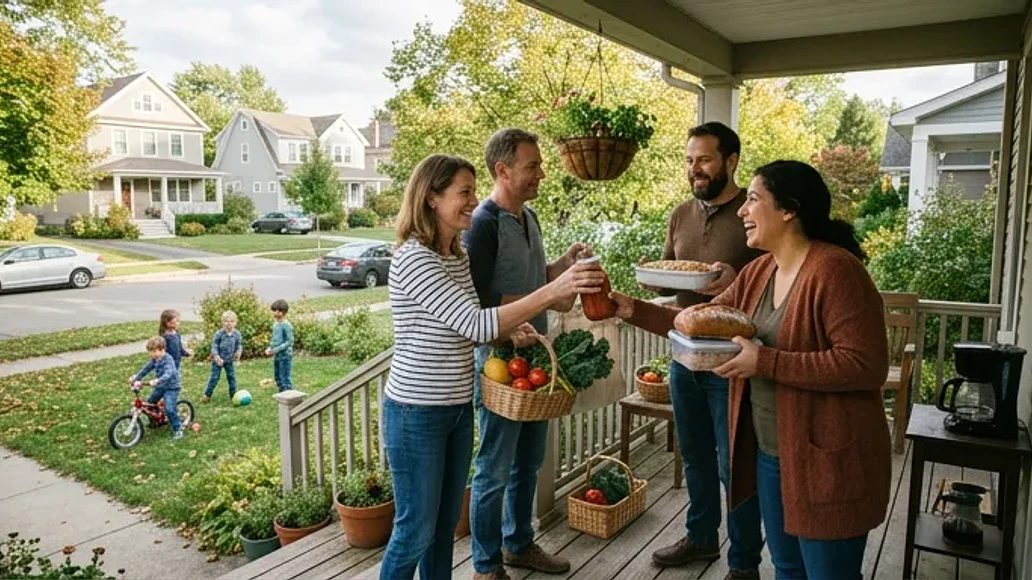
Bartering works best when it begins small, practical, and respectful. Start with people and places where some trust already exists. Neighbors, faith communities, school parent groups, gardening clubs, apartment communities, and mutual aid circles are often better starting points than random strangers.
Keep your first offer simple. Mention a specific skill, a specific need, and a low-pressure invitation.
Examples:
- “I am starting seedlings this weekend. If you want help setting up a small herb bed, I would trade for help fixing a loose cabinet door.”
- “I do basic clothing mending. If you ever need hems or patches, I would gladly swap for dog walking or extra tomatoes.”
- “I can help with phone setup and passwords for older neighbors. In return, I am looking for occasional rides to the hardware store.”
Small, ordinary trades build confidence. Once people see that you are reliable, larger exchanges become easier.
How much is a skill worth in barter terms?
There is no universal price list for barter. Fair value depends on time, difficulty, materials, urgency, and trust. The goal is not to squeeze every last ounce of value from the other person. The goal is a trade both sides would gladly repeat.
Three common ways to value a trade are time, replacement cost, and inconvenience.
| Valuation method | How to use it | Best for | Weakness |
|---|---|---|---|
| Time for time | Compare hours spent by each person | Simple service swaps | Not all hours require equal skill or effort |
| Cash replacement value | Estimate what each side would pay in cash | Goods or specialized tasks | Can feel too transactional for neighbor trades |
| Convenience and urgency | Adjust for travel, scheduling, or immediate need | Errands, rides, emergency help | Can be subjective if not discussed clearly |
A practical compromise is to agree on a rough range rather than chase perfect precision. If one side receives more value, balance it later with an additional small trade.
Negotiation tips for fair trades
Good barter is less about haggling hard and more about preventing resentment.
- State the scope clearly. Define exactly what is included.
- Mention materials separately. Labor and supplies are not the same thing.
- Start with a modest first trade. Trust grows through repetition.
- Leave room to say no. A forced trade is a bad trade.
- Write down the agreement if the task is more than very simple.
It is also wise to avoid bargaining aggressively over true necessities. If someone needs urgent help with meals after surgery or transportation during a family crisis, that may be a moment for generosity, not hard negotiation. Community resilience depends on reciprocity over time, not winning every exchange.
Bartering for wellness, not just goods
Some of the best trades are not about stuff. They are about reducing stress and helping people function. A meal swap between two busy households, a walking buddy exchange, a childcare rotation, or an errand trade for an older adult can improve daily life far beyond the dollar value involved.
These exchanges matter because hardship is not only financial. It is also emotional and logistical. A person who receives two hours of reliable help may gain rest, focus, and a sense that they are not carrying everything alone.
That said, keep health-related barter in the support lane. Rides to appointments, meal prep, companionship, and errands are reasonable. Diagnosis, prescriptions, invasive care, and complex therapy belong with licensed professionals.
Risks, safety, and when not to barter
Bartering can be practical, but it is not risk free. The biggest problems are personal safety, poor workmanship, blurred boundaries, and legal confusion.
| Type of trade | Risk level | What to check first | When to avoid |
|---|---|---|---|
| Produce, baked goods, simple mending | Low | Basic quality, timing, allergies if food is involved | Avoid if food handling seems careless |
| Rides, errands, pet sitting | Moderate | Reliability, schedule, emergency contact details | Avoid if expectations are vague or trust is low |
| Childcare or elder support | Higher | References, experience, boundaries, backup plans | Avoid with strangers or anyone who resists screening |
| Home repairs | Higher | Past work, competence, insurance if relevant | Avoid structural, electrical, gas, or major plumbing barter with unqualified people |
| Medical or legal help | Very high | Professional licensing and formal engagement | Avoid informal barter for diagnosis, prescriptions, surgery, court matters, or complex legal issues |
For first trades, meet in a public place when possible. If a trade involves your home, start with low-value tasks and avoid being alone with a stranger. Do not share more personal information than necessary. If something feels off, walk away.
Also avoid trading heavily regulated items or services unless you fully understand the law in your area. That includes areas like firearms, controlled substances, and certain business activities.
Legal and tax basics in the United States
In the United States, barter can have tax implications. In general, the fair market value of goods or services received through barter may count as taxable income, especially when trades are frequent, business-related, or part of an organized exchange.
This does not mean every neighborly swap turns into a paperwork crisis. But it does mean you should not assume barter is invisible. If you are trading often, receiving high-value services, or using barter as part of a side business, keep records and ask a qualified tax professional how the rules apply to your situation.
The same goes for legal questions. Licensing, zoning, food sales rules, childcare rules, and liability concerns can vary. This article is general information, not legal or tax advice.
Making bartering inclusive for older adults, people with disabilities, and busy families
Not every useful skill is physical. Some of the best barter contributions are low-lift, remote, or flexible. Older adults may offer mentoring, mending, budgeting help, phone calls, recipe coaching, or language tutoring. People with limited mobility may provide scheduling help, online research, resume editing, bookkeeping, or seed planning. Busy families may prefer short, repeatable exchanges like one meal swap per week or a rotating school pickup arrangement.
Inclusion improves the whole network because it broadens what counts as value. A healthy barter culture does not reward only strength or free time. It recognizes reliability, knowledge, and care work too.
Simple systems for tracking trades and avoiding misunderstandings
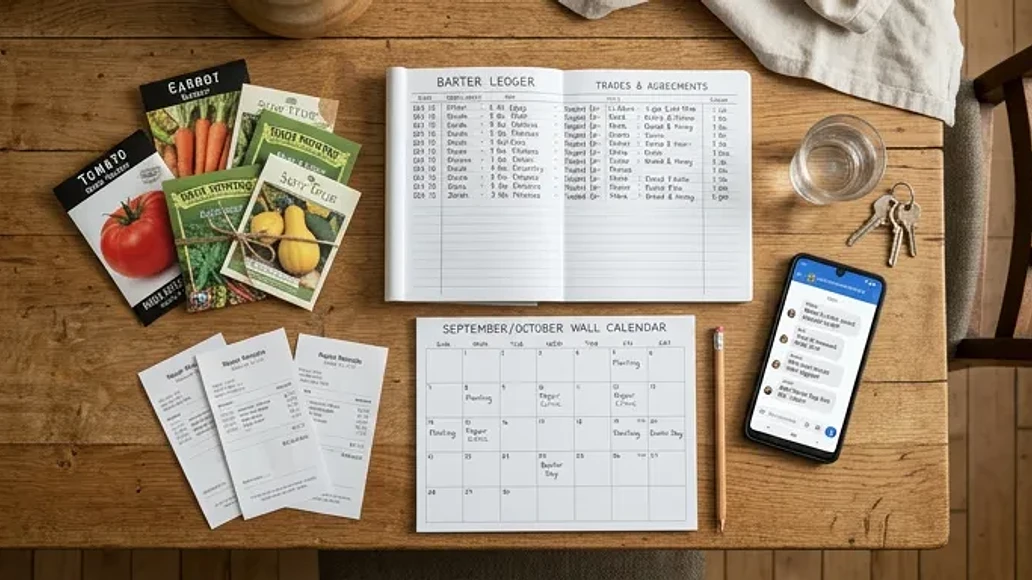
Even friendly barter benefits from light structure. A notebook, shared text thread, or simple spreadsheet can prevent the most common problems.
- Write down who is trading what.
- Note any materials one side must provide.
- Set a date or completion window.
- Record whether the trade is complete or partly owed.
- Keep notes brief and factual.
If you trade regularly with several people, a basic ledger helps. It does not need to be formal. It just needs to answer, “What did we agree to, and has it been completed?”
How bartering fits into a broader preparedness plan
Barter is strongest when it supports, not replaces, the basics. It works best alongside food storage, emergency savings, practical repair habits, community ties, and a realistic household budget. If you have no pantry, no savings, and no plan, barter alone will not solve that. But if you already practice frugality and skill-building, barter can stretch resources and fill gaps.
A smart preparedness mindset asks three questions. What can we produce? What can we repair? Who can we rely on, and who can rely on us? Bartering sits at the intersection of all three.
Three small trades to try this week
If you want to begin without overthinking it, start with one of these low-risk ideas:
- Offer one practical hour. Examples include pantry organizing, phone setup help, or simple clothing mending.
- Trade a repeatable household item. Examples include bread, soup, seedlings, or sharpened tools.
- Swap support, not stuff. Examples include one school pickup, one grocery run, or one dog walk for a comparable favor.
The point is to build a habit of exchange and trust. Once that habit exists, your options expand naturally.
FAQ
Is bartering still legal in the United States, and do I have to report it on my taxes?
Bartering is generally legal, but it can create taxable income depending on the value and context of the trade. Frequent, business-related, or high-value barter deserves careful recordkeeping. For personal guidance, talk with a qualified tax professional.
What are some good beginner barter trades if I am nervous about asking people?
Start with low-risk, specific offers such as mending, garden starts, baked goods, pantry organization, pet sitting, or tech help. Small trades feel less awkward and make it easier to establish trust.
Can I safely barter for home repairs or childcare, and what should I check first?
You can barter for some lower-risk help, but screen carefully. Ask about experience, references, and boundaries. Start small. Avoid informal barter for structural repairs, electrical work, gas work, major plumbing, or childcare with people you do not know well.
How do I avoid feeling taken advantage of when I barter my skills?
Be specific about scope, time, materials, and deadlines before the trade begins. Keep first trades small, and write down the agreement if needed. If a trade feels one-sided, decline politely or ask to rebalance it with an additional small exchange.
Are there apps or online groups that make community bartering easier to start?
Yes. Local social media groups, neighborhood forums, time banks, and skill-share communities can help people find matches. Use the same caution online that you would offline. Verify identity, start with low-risk trades, and avoid oversharing personal details.