Safe Jar Desserts for Preparedness, What to Freeze, What Not to Pantry Store
Love the idea of cake in a jar for emergency comfort food? Here is the practical answer. Jar cakes are fine as refrigerated or frozen desserts, but they are not a safe home canning project for room-temperature storage. Learn the science, realistic storage times, safer alternatives, and a step-by-step method that fits a preparedness pantry.

The idea sounds perfect for a preparedness pantry, a ready-made dessert in a sealed jar that can sit on a shelf for months. The problem is that cake in a jar is a dessert format, not a tested home-canning method. If your goal is long-term storage, the safest answer is simple. Do not bake cake in jars and store it at room temperature. Instead, make jar desserts for the refrigerator or freezer, and keep truly shelf-stable sweets in the pantry.
This guide explains why that distinction matters, how long jar desserts realistically last, and how to build a comfort-food plan that is both practical and safe.
What cake in a jar actually is
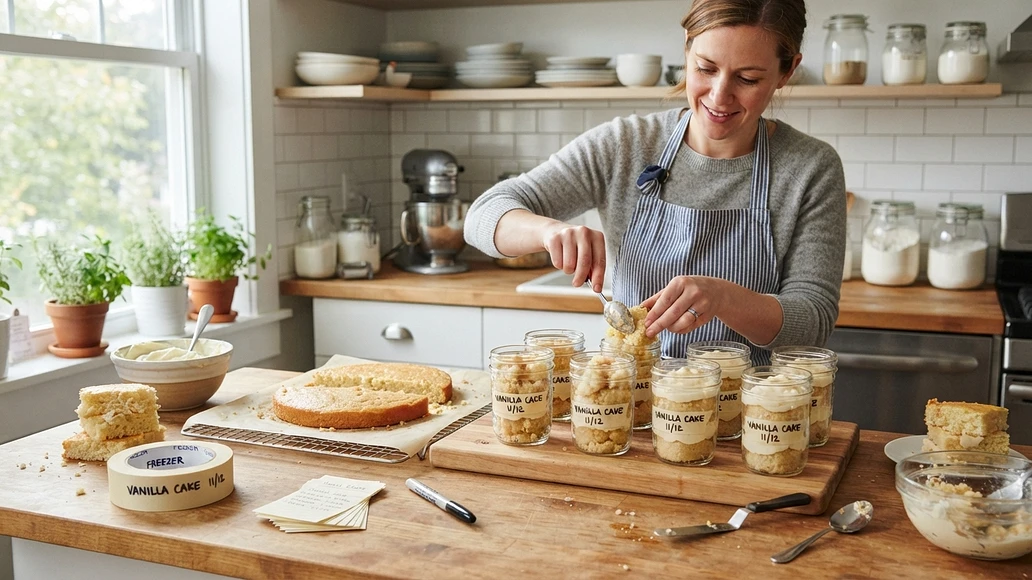
Cake in a jar usually means one of three things. It can be layers of baked cake and frosting packed into a jar, a cupcake or cake portion crumbled into a jar parfait, or a gift-style dessert assembled in a small container. In all of those cases, the jar is serving ware or storage ware. It is not proof that the food is shelf stable.
That matters because many online tutorials blur the line between a cute dessert and a preserved food. A sealed lid may look like canning, but appearance is not the same as a tested preservation process.
Can you safely keep cake in jars in the pantry for months?
No. A home-baked cake or quick bread in a sealed jar is not considered safe for long-term room-temperature storage. Current food safety guidance warns against baking low-acid baked goods in jars, sealing them, and treating them like canned food.
The main issue is botulism risk. Cake batter is a moist, low-acid food. In a sealed jar at room temperature, that can create conditions where dangerous bacteria may grow and produce toxin without obvious warning signs. A popped lid, a vacuum seal, or a jar that looks normal does not make it safe.
There is also a physical hazard. Many canning jars are not designed for oven baking, which raises the chance of breakage, cuts, and burns.
Why sealed jar cakes are risky, the food science in plain English
Botulism is linked to Clostridium botulinum, a bacterium that can survive in spore form on foods and surfaces. The spores are hard to destroy. In the right conditions, low acid, moisture, limited oxygen, and room-temperature storage, they can grow and produce toxin.
Cake and quick breads check too many of those boxes. They are usually low-acid foods, often contain eggs or dairy, and hold moisture well. Once trapped in a sealed jar, oxygen is limited. That is exactly why jar-baked cakes are treated very differently from approved high-acid canned foods like some jams or properly acidified preserves.
One important preparedness rule follows from this. If a food is low acid, you should only preserve it for shelf storage with a tested method. Cake does not have a USDA-approved home-canning method for room-temperature storage.
Real storage times, pantry, fridge, and freezer
If you want a useful rule of thumb, think of jar desserts the same way you think of regular cake. Ingredient choice and storage temperature matter more than the jar itself.
| Dessert type | Room temperature | Refrigerator | Freezer | Best use |
|---|---|---|---|---|
| Plain unfrosted cake pieces in a jar | Not recommended for long-term jar storage | About 3 to 7 days | About 2 to 3 months, sometimes longer for quality if well wrapped | Short-term prep or frozen make-ahead dessert |
| Cake with buttercream | Short serving window only, not pantry storage | About 3 to 7 days | About 2 to 3 months | Best for fridge or freezer |
| Cake with cream cheese frosting | Not suitable | About 3 to 5 days | About 1 to 2 months for best quality | Refrigerated dessert only, freezing possible |
| Cake with whipped cream or custard | Not suitable | About 2 to 4 days | Quality varies, often poor after freezing | Eat quickly, keep cold |
| Cake with fresh fruit filling | Not suitable | About 2 to 5 days | About 1 to 2 months, texture may soften | Short-term dessert |
| Dry cake mix in a jar, ingredients layered dry | Yes, if fully dry and packaged well | Not needed | Not needed | True pantry option, bake later |
Those ranges are practical quality and safety estimates for home kitchens, not a license to stretch storage. If the dessert contains dairy-heavy frosting, custard, or fresh fruit, stay on the short end of the range.
A safer way to make jar desserts for short-term prep
If you like the convenience of single-serve desserts, this method keeps the format while avoiding the unsafe part.
Step 1, bake in proper pans
Bake your cake or cupcakes in standard cake pans, muffin tins, or loaf pans according to a normal recipe. Do not bake directly in canning jars.
Step 2, cool completely
Let the cake cool all the way before packing. Warm cake creates condensation, and extra moisture shortens storage life.
Step 3, portion into clean containers
Add cake cubes or crumbles to clean jars or freezer-safe containers. If using frosting, layer lightly rather than packing the jar tightly. Leave a little headspace if freezing.
Step 4, label clearly
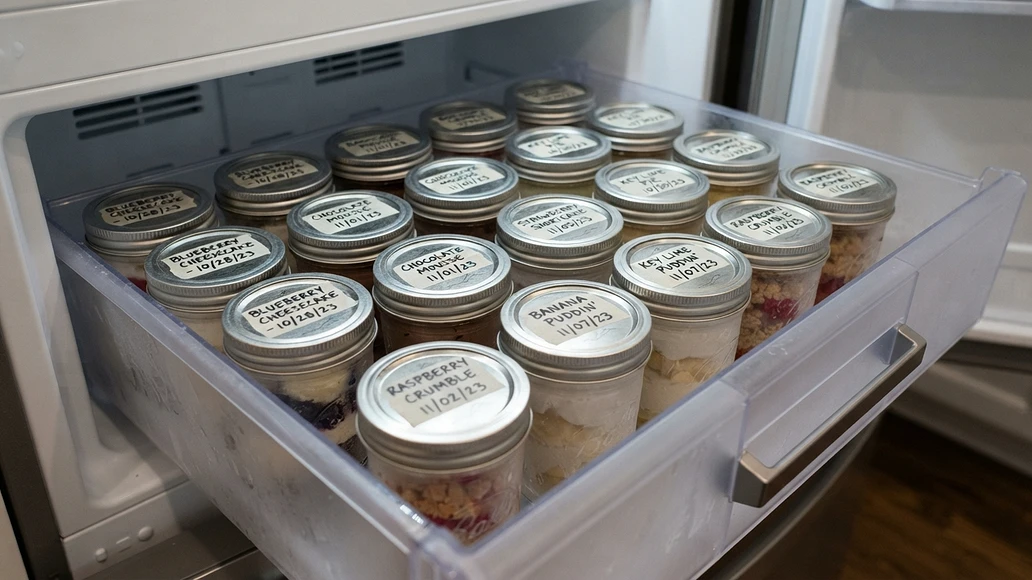
Write the dessert name, date made, and use-by date. In a busy freezer, labels prevent mystery food and waste.
Step 5, chill or freeze promptly
Refrigerate what you plan to eat within a few days. Freeze the rest as soon as possible for better quality.
Step 6, thaw safely
Thaw frozen jar desserts in the refrigerator. If the jar is glass, avoid sudden temperature swings that can crack it.
Jars versus better containers for long-term dessert storage
Jars are attractive and stack neatly, but they are not always the best choice for freezer storage. Wide-mouth, freezer-safe containers are often easier to fill, less likely to trap delicate frosting, and less likely to break.
| Container type | Good for refrigerator | Good for freezer | Good for oven baking | Notes |
|---|---|---|---|---|
| Standard Mason jar | Yes | Sometimes, if freezer rated and headspace is left | No | Useful for storing cooled dessert, not for baking cake in the jar |
| Freezer-safe glass container | Yes | Yes | No, unless specifically rated by maker | Better for visibility and repeated use |
| Food-grade plastic freezer container | Yes | Yes | No | Lightweight and less breakable |
| Disposable deli-style container | Yes | Sometimes | No | Good for short-term storage, less ideal for long freezer times |
| Vacuum-sealed bag for plain cake layers | No | Yes | No | Best for unfrosted cake pieces, not a safety fix for room-temperature storage |
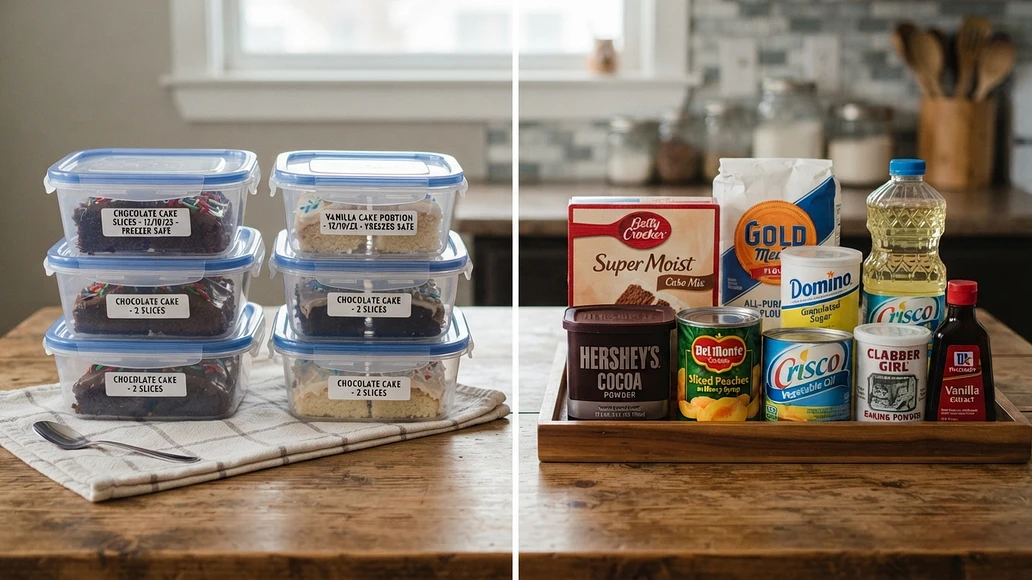
For preparedness use, the best setup is often a mix. Keep dry mixes and shelf-stable ingredients in the pantry, and keep ready-to-eat desserts in the freezer.
Ingredients that change the storage rules fast
Not all cakes store the same. Fat, moisture, dairy, and fruit all affect safety and quality.
| Ingredient or style | Risk level | Refrigerator guidance | Freezer guidance | Why it matters |
|---|---|---|---|---|
| Plain butter cake | Lower | Up to about 1 week | About 2 to 3 months | Less perishable than dairy-rich fillings |
| American buttercream | Moderate | About 3 to 7 days | About 2 to 3 months | Texture usually freezes fairly well |
| Cream cheese frosting | Higher | About 3 to 5 days | Shorter quality window | More perishable, must stay cold |
| Whipped cream | Higher | About 2 to 3 days | Often poor texture after thawing | Very delicate and highly perishable |
| Custard or pudding filling | Higher | About 2 to 4 days | Variable quality | Egg and dairy content raise spoilage concerns |
| Fresh berries or sliced fruit | Higher | About 2 to 5 days | Texture softens | Adds moisture and shortens shelf life |
If you want the longest freezer life with the least fuss, choose a simple cake with a stable frosting and skip wet fruit layers until serving day.
Home canning basics for preppers, and where cake fits
Preparedness-minded cooks often learn canning, which is a great skill when used correctly. The key rule is that low-acid foods require pressure canning with tested recipes. High-acid foods may be suitable for water-bath canning if the recipe is tested. Cake does not fit either category as a safe home-canned pantry item.
| Preservation method | Works for cake | Works for fruit preserves | Works for dry mixes | Main takeaway |
|---|---|---|---|---|
| Pressure canning | No tested home method for cake | Usually not needed for high-acid jams | No | Use only for tested low-acid foods |
| Water-bath canning | No | Yes, for tested high-acid recipes | No | Not for low-acid baked goods |
| Freezing | Yes | Sometimes | Not needed | Best long-term option for ready-to-eat cake desserts |
| Refrigeration | Yes | Yes after opening | Not needed | Good for short-term storage only |
| Dry storage in sealed packaging | No for baked cake | No for opened preserves | Yes | Best pantry strategy is storing ingredients, not finished cake |
Better comfort-food options for a long-term pantry
If your goal is morale food during outages or stressful weeks, there are safer ways to get there than trying to shelf-store cake in jars.
| Option | Pantry stable | Ready to eat | Prep needed | Preparedness value |
|---|---|---|---|---|
| Dry cake mix with stored oil or powdered eggs | Yes | No | Moderate | Flexible and compact |
| Brownie or muffin mix in airtight storage | Yes | No | Moderate | Good morale food with simple ingredients |
| Canned fruit for topping | Yes | Yes | Low | Pairs well with fresh-baked desserts |
| Commercial shelf-stable snack cakes | Yes | Yes | None | Convenient but less nutritious |
| Frozen homemade cake portions | No, freezer only | After thawing | Low | Best homemade ready dessert option |
| Cookie or cake dry ingredient jars | Yes | No | Moderate | Giftable and practical if kept fully dry |
A balanced pantry usually works best. Store shelf-stable ingredients for baking later, plus a few commercial treats for instant comfort, and use the freezer for homemade desserts.
How to inspect a suspect jar and when to throw it out
Never taste a questionable jar dessert to test it. Some dangerous contamination cannot be detected by smell or appearance alone.
| Warning sign | What it may mean | What to do |
|---|---|---|
| Lid bulging or leaking | Gas production or failed storage | Do not open near face, discard safely |
| Liquid spurts when opened | Pressure buildup | Treat as unsafe, discard |
| Odd odor | Spoilage | Discard without tasting |
| Visible mold or discoloration | Spoilage | Discard entire contents |
| Jar cracked or chipped | Container failure | Discard food, do not reuse damaged jar |
| Looks normal but storage method was unsafe | Unknown risk remains | Do not eat it |
If you suspect botulism contamination in any home-stored food, follow local health department or extension guidance for disposal. Do not taste it, and keep children and pets away from the contents.
Botulism symptoms and when to get medical help
Botulism is a medical emergency. Symptoms can include blurred or double vision, drooping eyelids, slurred speech, trouble swallowing, dry mouth, weakness, and progressive paralysis. If someone has eaten suspect home-stored food and develops these symptoms, seek emergency care right away and tell medical staff what food was eaten.
Anyone can become seriously ill, but infants, older adults, pregnant people, and immunocompromised individuals should be especially cautious with any food that falls outside tested preservation guidance.
Common mistakes in viral jar-cake tutorials
Many online recipes repeat the same risky ideas. The most common mistakes are baking directly in canning jars, assuming a vacuum seal equals safety, storing jar cakes in a cool pantry for weeks or months, reusing jars not made for the task, and skipping labels and dates. These shortcuts may look tidy on social media, but they are not a substitute for tested food preservation.
A simple safe jar dessert pattern for the fridge or freezer
Chocolate cake freezer jars
Bake a basic chocolate cake in a pan. Cool completely. Cut into cubes. Layer cake with a modest amount of buttercream or chocolate ganache in freezer-safe jars or containers. Leave a little headspace. Label and freeze for up to about 2 to 3 months for best quality. Thaw overnight in the refrigerator before serving.
Short-term vanilla berry jars
Layer cubes of vanilla cake with stabilized whipped topping or buttercream and a spoonful of berries. Refrigerate and eat within about 2 to 3 days. Because of the fruit and topping, this version is best treated as a fresh dessert, not a storage food.
Building a realistic dessert plan for emergency readiness
Preparedness is not only about calories. Familiar treats can help morale during storms, power disruptions, and stressful seasons. The safest strategy is to separate pantry foods from refrigerated and frozen foods clearly.
Use the pantry for dry mixes, cocoa, sugar, canned fruit, and shelf-stable treats. Use the freezer for ready-made homemade desserts. Rotate both on a schedule you can actually maintain. That approach gives you comfort food without relying on an unsafe preservation shortcut.
FAQ
Can I safely bake cake in Mason jars and store it in my pantry for months?
No. That is not a tested safe home-canning method. Cake is a moist, low-acid food, and sealed room-temperature storage can create botulism risk.
How long can cake in a jar last in the freezer before the quality declines?
Most simple cake jar desserts keep their best quality for about 2 to 3 months in the freezer. Some may remain acceptable longer, but texture and flavor usually start to decline.
Is a vacuum-sealed lid enough to make cake in a jar safe for long-term storage?
No. A vacuum seal is not a kill step. It does not destroy botulism spores or make an untested low-acid food safe at room temperature.
What are safer dessert options for my long-term emergency food supply?
Choose dry baking mixes, shelf-stable snack cakes, cocoa, pudding mixes, canned fruit, and other fully shelf-stable ingredients. For homemade ready desserts, use the freezer.
What should I do if a jar dessert smells fine but looks slightly off when opened?
Do not taste it. If the appearance is off, or if the storage method itself was questionable, discard it safely. Smell is not a reliable safety test.
References
- Food Safety Recommendations for Baked and Canned Food Entries
- Home Canning 2024, USDA Guide and Best Practices
- Botulism Prevention, Understanding the Risk in Home Canning
- Water Bath and Pressure Canning
- How to Make Cake in a Jar, The Safe and Easy Guide
- How Long Does Cake in a Jar Last? The Definitive Guide