Nest Box to Kitchen, Safe Egg Timing for Backyard Flocks
Learn how long eggs can reasonably stay in the coop, when weather changes the rules, and how to collect, inspect, store, and cook backyard eggs more safely.

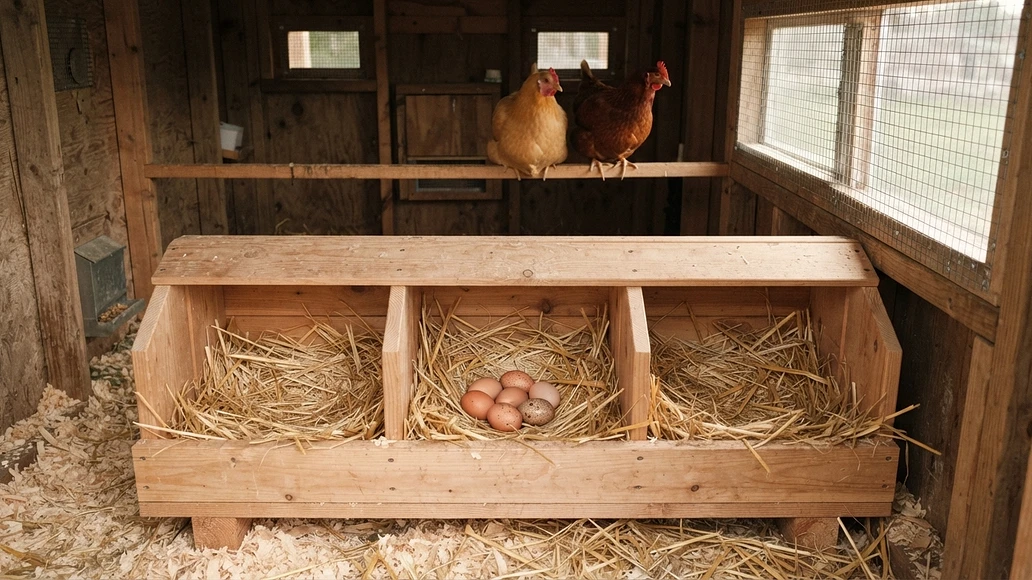
If you keep chickens, you have probably wondered how long eggs can sit in the nest box before quality drops or safety becomes a concern. The short answer is this: collecting eggs daily is the best practice, and in hot weather, twice a day is often smarter. In a clean, cool, dry coop, eggs may remain usable for several days, and sometimes longer, but risk rises with heat, moisture, dirt, cracks, pests, and time.
For most backyard keepers, the safest approach is to think in layers. First, ask how long the egg sat in the coop. Next, look at shell condition and cleanliness. Then decide how it will be stored after collection, unwashed at room temperature, refrigerated, or washed and refrigerated right away. That full chain matters more than any single number.
This guide is general backyard egg safety information. It does not replace advice from your doctor, veterinarian, extension service, or local health authority. Always follow national, state, and local food safety guidance.
Why timing matters after a hen lays an egg
A freshly laid egg has a natural protective coating called the bloom, or cuticle. That coating helps slow moisture loss and reduces the chance that bacteria move through the shell. While the egg sits in a clean nest, the bloom offers some protection. But it is not magic. Heat, manure, damp bedding, shell damage, and repeated handling all make that protection less reliable.
As time passes in the coop, several things can happen. The egg can warm up in summer, chill or freeze in winter, pick up dirt from bedding or droppings, get stepped on, or attract pecking from hens. Even if it still looks normal, quality slowly changes. The white thins, the yolk becomes less firm, and the air cell grows larger.
A practical answer, how long eggs can stay in the coop
In ordinary backyard conditions, daily collection is the standard to aim for. If you want a practical range, eggs left in a clean, shaded, dry nest box during mild weather may still be usable after a few days, and some keepers report acceptable results at 7 to 10 days in cool conditions. But that is not the same as best practice, and it should not be treated as a universal safety guarantee.
If the coop is hot, humid, dirty, crowded, or exposed to pests, the safe window gets much shorter. In a heat wave, eggs should be collected as soon as practical, often twice daily or more. In freezing weather, eggs can crack from expansion, which makes them much riskier to keep.
| Condition | Approximate coop time | Quality trend | Main caution |
|---|---|---|---|
| Cool, dry, clean nest box | Best collected within 24 hours, sometimes usable for several days | Gradual freshness loss | Do not assume appearance alone proves safety |
| Mild weather, average backyard coop | Collect daily | Good quality if gathered promptly | Risk rises with dirt, shell damage, and pests |
| Hot or humid weather | Collect at least twice daily | Faster quality decline | Bacterial growth risk increases with heat |
| Freezing weather | Collect promptly | Possible freeze damage | Cracked or freeze-thaw eggs should be discarded |
How weather changes the rules
Summer heat
Heat is the biggest reason not to stretch coop time. Warm eggs held in a hot nest box lose quality faster, and bacteria multiply more readily in warm conditions. If daytime temperatures are high, collect in the morning and again later in the day. Provide shade, airflow, and clean bedding so eggs are not baking in the nest.
Cold snaps and winter freezing
Cold weather can seem safer, but freezing creates its own problem. If an egg freezes, the contents expand and may crack the shell, even if the crack is tiny. Once the shell barrier is compromised, contamination risk goes up. Eggs that froze and cracked in the nest box are best discarded.
Humidity and damp coops
Moisture is another issue. Damp bedding, poor ventilation, and muddy conditions make shells dirtier and can encourage spoilage. A dry coop helps eggs stay cleaner and safer for the hours they remain in the nest.
Collection schedules that work in real life
The right routine depends on flock size, weather, and how often hens lay through the day. A small flock in spring may do well with one collection round. A larger flock in summer usually benefits from at least two rounds so eggs are not stacked, stepped on, or left in heat.
| Season or condition | Small flock | Larger flock | Recommended schedule |
|---|---|---|---|
| Cool spring or fall | 1 to 6 hens | 7 or more hens | At least once daily, add a second round if nests get crowded |
| Hot summer weather | 1 to 6 hens | 7 or more hens | Twice daily, morning and late afternoon |
| Heat wave | Any size | Any size | Collect as early as possible and check again later |
| Freezing winter weather | Any size | Any size | Collect promptly to prevent freezing and cracks |
Fertile eggs, broody hens, and eggs left under a sitter
Fertile eggs are not automatically unsafe, but they do need more attention if a broody hen has been sitting on them. Warmth from a broody hen can start development if the eggs are fertile and conditions are right. If you are collecting eggs for eating, do not leave them under a broody hen for days and then assume they are the same as freshly gathered table eggs.
If you find eggs that have been sat on for an unknown period, especially in warm weather, be conservative. Mark nest boxes, gather often, and separate hatching plans from eating eggs so there is less confusion.
How to tell when a coop egg should be discarded
Some eggs should not be debated. They should be thrown out. A bad shell, bad smell, or obvious contamination is enough reason.
| Egg condition | What to do | Why |
|---|---|---|
| Clean shell, no cracks | Keep | Lowest risk if collected and stored properly |
| Light dirt on shell | Keep if shell is intact, clean gently only if needed | Bloom is still valuable, avoid unnecessary washing |
| Hairline crack or obvious crack | Discard | Broken shell barrier increases contamination risk |
| Heavy manure, mud, slime, or mold | Discard | Contamination risk is too high |
| Rodent damage or pecking damage | Discard | Pest contact raises safety concerns |
| Strong sulfur or rotten odor when opened | Discard immediately | Classic spoilage sign |
| Frozen and cracked | Discard | Freeze damage compromises the shell |
Freshness checks for eggs collected late
If you collected eggs later than planned and they still look sound, freshness checks can help you sort them. These checks are useful, but they are not perfect safety tests.
Float test
Place the egg in a bowl of water. A very fresh egg usually sinks and lies flatter. An older egg often stands upright or floats because the air cell has enlarged. Floating means the egg is older, and possibly unsafe, but not every floating egg is spoiled and not every sinking egg is safe. Use this as a screening tool, not a final verdict.
Candling
Shining a bright light through the egg in a dark room can reveal a large air cell, internal shadows, or unusual contents. This is more useful if you already know what a normal egg looks like when candled.
Smell and appearance after cracking
When in doubt, crack the egg into a separate bowl first. If it smells off, looks pink, iridescent, unusually cloudy in a bad way, or has obvious spoilage signs, discard it and wash the bowl.

Bloom, washing, and why coop time affects storage later
The bloom is one reason unwashed backyard eggs can sometimes be stored at room temperature for a while. If the shell is clean and dry, many keepers leave the bloom intact and avoid washing until just before use. Once you wash an egg, that natural coating is reduced or removed, and the egg should be refrigerated promptly.
If you must wash dirty eggs, use water warmer than the egg, not colder. Cold water can encourage contamination to move inward through the shell. Avoid soaking eggs. Dry them and refrigerate them soon after washing.
After collection, counter or fridge?
Backyard egg handling in the United States often differs from store-bought eggs because commercial eggs are typically washed before sale and therefore require refrigeration from the start. Unwashed home eggs with an intact bloom may be kept at room temperature for a limited time, but refrigeration is still the more conservative option for safety and shelf life.
| Storage method | Approximate timeline | Best for | Key caution |
|---|---|---|---|
| Unwashed eggs at room temperature | About 2 to 4 weeks | Short-term use in stable, moderate indoor conditions | Do not use this approach if eggs were washed, cracked, or heavily soiled |
| Unwashed eggs refrigerated | Up to about 3 months | Longest routine storage with better quality retention | Store at 40 degrees Fahrenheit or below |
| Washed eggs refrigerated | Use promptly, often several weeks depending on age at washing | Cleaner eggs for household use | Refrigerate soon after washing |
| Room temperature after washing | Not recommended | None | Washing removes protective bloom |
Coop setup that reduces risk when eggs sit for a few hours
You cannot always gather eggs the moment they are laid, so nest box design matters. Clean bedding, enough nest space, shade, and ventilation all help. Roll-away nest boxes can reduce breakage and pecking. Keeping rodents and wild birds out of the coop lowers contamination pressure.
Simple improvements matter. Replace wet bedding quickly. Remove droppings often. Keep waterers from splashing into nests. Make sure hens are not sleeping in nest boxes overnight, which leads to dirty eggs the next morning.
Biosecurity and sanitation around backyard eggs
Backyard eggs are safest when flock health and coop hygiene are taken seriously. Wash hands after handling birds, eggs, bedding, or manure. Clean baskets and collection containers regularly. Limit wild bird access to feed and water. Control rodents. If you have visitors who keep poultry, avoid casual cross-traffic between flocks.
Recent avian influenza outbreaks are a reminder that good hygiene and thorough cooking matter. Properly handled and fully cooked eggs are much safer than raw or lightly cooked eggs. If there is a known outbreak affecting poultry in your area, follow state agriculture and public health guidance.

Extra caution for pregnant people, children, older adults, and immunocompromised people
Some household members should handle backyard eggs more conservatively. Pregnant people, very young children, older adults, and anyone with a weakened immune system are at higher risk from foodborne illness. For these groups, daily collection, prompt refrigeration, and thorough cooking are the safest routine.
| Group | Collection and storage approach | Cooking guidance | Risk note |
|---|---|---|---|
| Healthy adults | Collect daily, refrigerate for best shelf life | Cook thoroughly | Lower risk, but not zero risk |
| Pregnant people | Use only well-handled eggs, refrigerate promptly | Avoid raw or runny eggs, cook thoroughly | Use a more conservative standard |
| Young children and older adults | Prefer eggs collected daily and kept cold | Cook thoroughly | More vulnerable to severe illness |
| Immunocompromised people | Use the strictest handling and storage routine | Cook eggs to 160 degrees Fahrenheit | Highest caution advised |
Preparedness planning, weekends away and power outages
If you are away for a weekend, the safest plan is to have someone collect eggs daily. If that is not possible, your margin depends heavily on weather. A cool, clean coop gives you more flexibility than a hot, humid one, but it is still a compromise. On return, sort eggs carefully, discard any cracked or dirty ones, and use freshness checks on the rest.
During a power outage, unwashed eggs that were already in good condition may still be useful if your home stays cool and you use them soon. Washed eggs need colder storage and should be prioritized. Labeling cartons with collection dates makes these decisions easier when conditions are less than ideal.
Traditional long-term storage methods and their limits
Some preparedness-minded households use lime-water preservation, often called water glassing or liming, for clean, unwashed eggs with intact bloom. This can extend storage for months, but it is a traditional method with more variation than standard refrigeration. It is best approached as a specialized preservation skill, not a casual substitute for routine food safety.
If you try long-term preservation, start with the cleanest possible eggs, follow a trusted process exactly, and test results cautiously. Do not preserve cracked, washed, or questionable eggs.
Common mistakes and myths
One common mistake is assuming an egg is safe because it looks normal. Another is stretching coop time during summer because the eggs were fine once before. A third is washing every egg automatically, then leaving washed eggs at room temperature. Backyard eggs reward consistency more than guesswork.
Another myth is that the float test alone can tell you whether an egg is safe to eat. It cannot. It only gives a clue about age and air cell size. Shell condition, smell, storage history, and weather exposure still matter.
When to discard eggs and focus on flock health
If your flock suddenly has abnormal eggs, a sharp drop in laying, lethargy, respiratory signs, or unexplained deaths, stop treating the issue as just an egg storage question. Discard questionable eggs and contact a veterinarian or local extension service. If multiple people in your household become sick after eating backyard eggs, contact a clinician and consider local health department guidance.
FAQ
Can I leave eggs in the coop while I am on a weekend trip?
It is better to arrange daily collection. In cool, clean conditions, some eggs may still be usable after a weekend, but hot weather, pests, dirt, and shell damage make that much riskier.
What should I do with eggs that froze in the nest box?
If they cracked, discard them. If they appear intact, be cautious, because tiny cracks are easy to miss. For most backyard keepers, discarding freeze-exposed eggs is the safer choice.
Are eggs still safe if a hen has been sitting on them for a few days?
Not ideal for table use. If a broody hen has been warming eggs for days, especially fertile eggs, quality and suitability for eating are less certain. Use a conservative standard and separate hatching eggs from eating eggs.
Is it okay to eat backyard eggs that were laid but not collected during a heat wave?
That is where caution matters most. Heat shortens the safe window sharply. If eggs sat through extreme heat, especially in a stuffy or dirty coop, discarding them is often the wiser choice.
Do I have to wash every egg I collect from the coop?
No. If the shell is clean and intact, many keepers leave the bloom in place and wash just before use. If you do wash eggs, refrigerate them promptly afterward.
References
- How Long Do Farm-Fresh Eggs Last In The Refrigerator
- How to Clean and Store Fresh Eggs
- How Long Do Farm Fresh Eggs Last and How to Store
- Buying Backyard Eggs: Safety Tips and Storage Guide
- How to Keep Eggs Clean, From Coop to Kitchen
- Are Backyard Chicken Eggs Safe to Eat?
- How Long Do Eggs Last and Fresh Egg Facts