What Preppers Would Barter When SHTF, Not Gold
In the first days and weeks of a serious crisis, practical goods and useful skills usually matter far more than gold. Here is a realistic, safety-minded guide to the best barter items to stock, what to avoid, and how to plan without shortchanging your own household.

When people imagine a severe crisis, they often picture gold coins changing hands. In real emergencies, that is usually not how the first phase works. If power is out, stores are empty, roads are blocked, or supply chains are disrupted, people want things that solve immediate problems. Water, food, hygiene supplies, batteries, first aid items, and practical skills tend to matter more than precious metals.
This article looks at what preppers would barter when SHTF, not gold, with a focus on realistic disasters and practical planning. It also covers safety, legal limits, and a simple framework for deciding what to set aside for trade after your own household is covered.
Important: This article is for general informational purposes only. It is not medical or legal advice. If you have health conditions, rely on prescription medications, or have questions about state or local laws, talk with a qualified professional.
What does “SHTF” really mean, and how does bartering fit in?
SHTF is shorthand for a serious disruption where normal systems stop working well. That can mean a hurricane, wildfire evacuation, winter storm, blackout, cyberattack, civil unrest, or a longer supply chain breakdown. It does not have to mean the end of the world.
Bartering appears when money still exists but access, trust, or supply breaks down. In those moments, people trade based on immediate usefulness. A gallon of clean water, a pack of batteries, or a bottle of unscented bleach may be worth more to a neighbor than a small gold coin they cannot eat, drink, or use.
Why gold is overrated in the first weeks of a crisis
Gold can hold value in stable markets and may matter later if trade networks normalize. But in the early stage of a disaster, survival value usually beats investment value.
Gold does not meet basic needs. It does not provide water, calories, warmth, sanitation, or wound care.
People may not trust or recognize it. In a stressful situation, many people will not know purity, weight, or fair value.
Making change is hard. A small trade often needs small, divisible items, not a high-value metal piece.
It can attract attention. Flashy valuables can create security problems.
Recent disasters show why practical trade goods matter more than gold in the first days and weeks of a crisis. Emergency guidance from Ready.gov, FEMA, CDC, and the Red Cross consistently emphasizes water, shelf-stable food, sanitation, light, batteries, and first aid. Those are the items people actually need when systems fail.
How bartering actually works in real disasters
In real disruptions, barter is usually informal, local, and based on need. People trade for what shortens the problem or prevents it from getting worse.
Items that shorten the problem: water purification, safe food, sanitation supplies, basic medicine, fuel, batteries, and repair tools.
Items that mainly ease discomfort: coffee, sweets, tobacco, entertainment, and luxury goods.
That does not mean comfort items have no value. They often trade well. It means they should come after the basics in your planning.
Skills matter too. Someone who can patch a roof, purify water, fix a generator, provide basic first aid, or watch children safely may have more barter value than someone with a box of shiny coins.
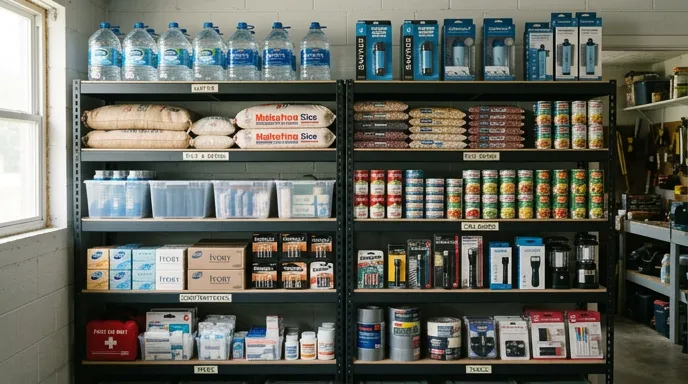
High-value barter categories that are not gold
1. Water and purification supplies
Water is one of the most valuable trade goods in any short-term emergency. Even a few days without safe water creates immediate problems.
Bottled water in small, sealed containers
Water purification tablets
Household water filters and replacement elements
Clean jugs and containers
Unscented household bleach, with safe-use instructions kept for yourself
Why it trades well: everyone needs it, and it directly prevents dehydration and illness.
Storage notes: keep sealed water in a cool place, rotate by date, and protect filters from freezing if the manufacturer warns against it.
2. Food that keeps and fills people up
Food barter works best when it is shelf-stable, familiar, and easy to portion.
Rice
Beans and lentils
Oats
Pasta
Canned vegetables
Canned tuna, chicken, or spam-type meats
Peanut butter
Soup, chili, and ready-to-eat meals
Salt, sugar, and cooking oil in manageable sizes
Best practice: stock foods your household already uses so you can rotate them. Do not build a barter stash of foods nobody in your home eats.
Food safety: do not barter damaged cans, bulging cans, leaking jars, or home-canned foods unless you are fully confident in their safety. If a food smells off, looks odd, or was stored in extreme heat, do not trade it.
3. Hygiene, sanitation, and cleaning
These items are often underestimated until stores run out. In a prolonged disruption, sanitation supplies can be as important as food.
Bar soap and liquid soap
Toothpaste and toothbrushes
Toilet paper
Trash bags
Paper towels
Unscented bleach
Feminine hygiene products
Diapers and wipes
Laundry detergent in small units
Work gloves and cleaning gloves
Why they trade well: they reduce disease risk, improve morale, and are hard to improvise safely.
4. First aid and basic medical supplies
Basic medical items can be highly valuable, especially when clinics are overloaded or roads are blocked.
Adhesive bandages
Gauze and medical tape
Antiseptic wipes
Antibiotic ointment
OTC pain relievers
Oral rehydration supplies
Thermometers
Nitrile gloves
Elastic wraps
Basic first aid manuals
Critical caution: do not plan to barter prescription drugs, controlled substances, or life-critical medications. That can be illegal and dangerous. If your household depends on medications, prioritize your own emergency supply and speak with your healthcare provider about preparedness options.
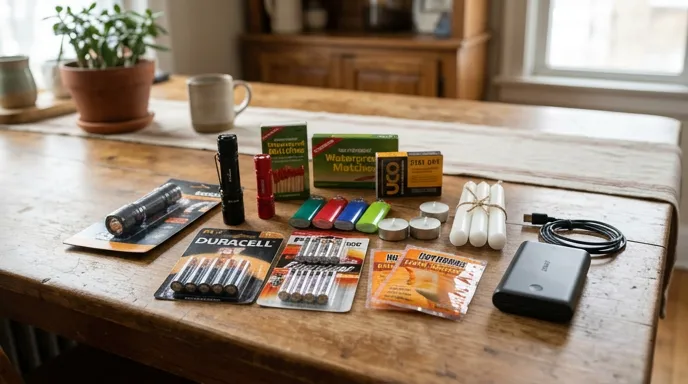
5. Fuel, light, and warmth
Power outages quickly make these items valuable.
AA and AAA batteries
Flashlights and headlamps
Lighters and waterproof matches
Candles
Hand warmers
Small fuel canisters, where legal and safely stored
Portable power banks
Fire and carbon monoxide safety: candles, camp stoves, grills, and alternative heaters can cause fires or deadly carbon monoxide poisoning. Never use outdoor grills indoors. Follow manufacturer instructions, ensure ventilation where required, and keep working CO detectors in your own home.
6. Tools, repair gear, and everyday hardware
When stores are closed and deliveries stop, repair becomes more valuable than replacement.
Duct tape
Zip ties
Sewing kits
Needles and thread
Work gloves
Multi-tools
Screwdrivers
Pliers
Nails and screws in small packs
Tarp repair patches and cordage
These items are especially useful because they help restore shelter, clothing, gear, and transportation.
7. Comfort, morale, and small luxury items
Comfort items do not replace essentials, but they often become surprisingly desirable after the first urgent phase.
Coffee
Tea
Sugar
Hard candy
Chocolate
Spices
Instant drink mixes
Playing cards
Notebooks and pens
Tobacco and alcohol are often mentioned in prepper discussions, but both come with extra security, health, and legal concerns. If you choose to keep any comfort items for trade, low-profile items like coffee, tea, sugar, and cards are usually safer choices.
Barter items versus the need they support
Item or category | Primary need | Shelf life and storage notes | Risk level |
|---|---|---|---|
Bottled water | Hydration | Rotate, keep sealed, store cool | Low |
Water purification tablets or filters | Safe drinking water | Protect from moisture, check dates | Low |
Rice, beans, oats | Calories | Best in dry, pest-resistant storage | Low |
Canned foods | Calories and nutrition | Avoid dented, bulging, or rusty cans | Low |
Soap, bleach, trash bags | Sanitation | Store safely, label clearly | Low to medium |
Bandages, antiseptics, OTC meds | Health | Track expiration dates | Low to medium |
Batteries, flashlights, lighters | Safety and light | Keep dry, rotate batteries | Low |
Fuel canisters, candles | Heat and cooking support | Store per label, away from heat | Medium |
Tools, fasteners, sewing kits | Repair and maintenance | Long shelf life if kept dry | Low |
Coffee, sugar, candy | Morale | Keep sealed and dry | Low |
Skills and services can be worth more than stuff
If you want a barter asset that cannot be stolen from a shelf, build useful skills. In many situations, services are more valuable than goods because they solve problems repeatedly.
Skills with realistic barter value
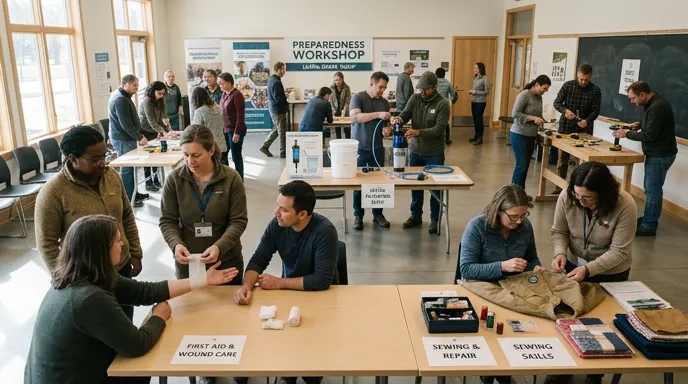
Basic first aid and CPR
Water collection, filtration, and sanitation setup
Cooking from staples
Food preservation
Sewing and clothing repair
Small engine repair
Basic carpentry and home repair
Battery, solar, and small power system basics
Child care and elder support
Tutoring and practical teaching
Skill | Training difficulty | Cost to learn | Likely barter value | Safety or legal notes |
|---|---|---|---|---|
Basic first aid | Medium | Low to medium | High | Stay within your training |
Water purification setup | Low to medium | Low | High | Use proven methods |
Cooking from staples | Low | Low | Medium to high | Food safety matters |
Sewing and mending | Low | Low | Medium | Very practical, low risk |
Small engine repair | Medium to high | Medium | High | Use proper tools and ventilation |
Child care | Medium | Low to medium | High | Trust and safety are critical |
Short-term disaster versus long-term collapse, how barter value changes
First 72 hours
Immediate survival needs dominate.
Most valuable: water, ready-to-eat food, flashlights, batteries, first aid, hygiene items
Lower value: decorative goods, luxury items, precious metals
First month
As uncertainty grows, people start thinking beyond the next meal.
Most valuable: staple foods, sanitation supplies, fuel, repair items, OTC meds, baby supplies
Gaining value: tools, filters, cooking supplies, practical services
Months to a year
If disruption drags on, maintenance and production matter more.
Most valuable: seeds, gardening inputs, repair parts, durable tools, fuel alternatives, community skills
Possible later value: silver or gold in more stable trade networks, but still secondary to essentials for many households
Time frame | Most valuable items | Items that drop in value | Items that gain value over time |
|---|---|---|---|
First 72 hours | Water, food, batteries, first aid | Gold, luxury goods | None yet, urgency rules |
First month | Staples, sanitation, fuel, tools | Novelty items | Repair gear, filters, services |
Months and beyond | Production and maintenance goods | One-time convenience items | Seeds, durable tools, skilled labor |
How much should you stock for barter without shortchanging your own needs?
Your own household comes first, always. Before setting aside anything for trade, meet or exceed a basic emergency supply baseline for your family. That includes water, food, medications, hygiene, lighting, and any child, elder, or pet needs.
A practical rule is this:
Cover your household for a realistic local disruption.
Build depth in the items you already use and rotate.
Only then set aside a modest surplus for barter.
For many households, a smart starting point is not a giant stash. It is a small, organized reserve of low-cost, high-utility items in tradeable sizes.
Category | Example items | Own-use minimum | Extra for barter, starting goal |
|---|---|---|---|
Water | Sealed bottles, purification tablets | Meet your emergency water plan first | 1 case of bottled water, 1 extra pack of tablets |
Food | Rice, beans, canned soup, peanut butter | Your household emergency food reserve | 10 to 20 small tradeable units |
Hygiene | Soap, toothpaste, toilet paper | At least your family reserve | 5 to 10 extra small units |
Medical | Bandages, antiseptic, OTC pain relief | Complete home first aid kit | A few duplicate basics only |
Light and power | Batteries, flashlights, lighters | Your outage supplies covered | 1 extra battery pack type you use |
Repair | Duct tape, sewing kits, gloves | Basic home repair stock | Several compact duplicates |
Safe and unsafe things to barter
Safer low-profile trade goods
Soap
Toothpaste
Batteries
Lighters
Bandages
Rice and beans in small portions
Coffee and tea
Sewing kits
Trash bags
These are useful, easy to understand, and usually less likely to create serious legal or security problems.
Higher-risk items to think hard about
Firearms and ammunition
Prescription medications
Controlled substances
Alcohol
Large fuel quantities
These can increase your risk in several ways. They may be illegal to trade, may attract desperate people, and may create long-term danger if you arm or impair someone who later becomes a threat. Even in a disaster, laws do not simply disappear.
Barter security, OPSEC, and group strategies
Bartering can expose what you have. That can make you a target. Good operational security matters.
Do not advertise your full stockpile.
Trade from a small, separate barter tote, not your main storage area.
Use small units so you do not reveal bulk supplies.
Prefer neutral, public, or community-monitored locations when possible.
Bring a buddy if conditions are uncertain.
Avoid showing cash, valuables, or your home layout.
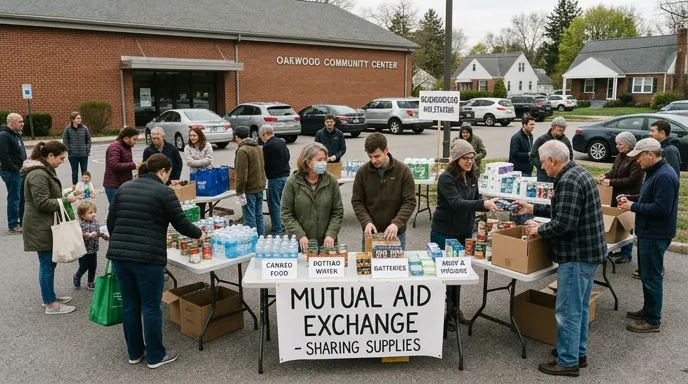
Build trusted relationships before a crisis.
In many cases, a neighborhood group, church network, mutual aid circle, or local co-op is safer than one-off trades with strangers.
Barter and the law, what remains illegal even when things go wrong
People often assume severe disruption creates a legal free-for-all. It does not. Enforcement may vary, but many laws still apply.
Trading prescription drugs can be illegal and dangerous.
Controlled substances remain controlled substances.
Firearm and ammunition laws still matter.
Alcohol production and sale are regulated.
Consumer safety and fraud issues can still apply.
General rule, if an item is tightly regulated in normal times, do not assume a crisis makes it safe or lawful to trade.
Budget-friendly barter preps for small spaces
You do not need a bunker or a huge budget to prepare useful trade goods. Focus on compact, inexpensive items with long shelf life.
Travel-size soap and toothpaste
Small packs of tissues
AA and AAA batteries
Lighters
Instant coffee packets
Tea bags
Electrolyte drink packets
Mini sewing kits
Bandage assortments
Small bags of rice or beans, packaged cleanly and labeled
Small units are practical because they match the size of likely trades and reduce the need to open your main stock.
How to practice bartering now without being “that person”
The best way to learn what has value is to practice normal, ethical exchange before any emergency.
Swap garden produce with neighbors
Trade repair help for baked goods or supplies
Join a local tool library or community group
Take a first aid class
Practice cooking from pantry staples
Learn what people actually need in your area
This builds trust and shows you whether your planned barter items are genuinely useful.
Common mistakes preppers make about bartering
Buying gold before basics. Water, sanitation, and food come first.
Stocking items they never use. If you cannot rotate it, you may waste it.
Ignoring realistic disasters. Blackouts and storms are more likely than fantasy collapse scenarios.
Planning to trade critical medications. That is risky and often illegal.
Keeping only large bulk packages. Small trade units work better.
Talking too much. Loose talk about supplies can create security issues.
A simple barter prep checklist you can start this month
List your most likely local risks, such as storms, outages, wildfire smoke, or winter weather.
Build your own household emergency kit first.
Identify 3 to 5 barter categories that match real needs.
Choose items you already use and can rotate.
Package some goods into small, clearly labeled trade units.
Track expiration dates and storage conditions.
Keep a separate barter tote or shelf.
Build one practical skill this season.
Review legal and safety limits for anything you store.
Strengthen community ties now, before you need them.
FAQ
Is gold ever useful for bartering after SHTF, or should I skip it completely?
Gold may have value later, especially if markets stabilize and people trust it again. But in the early phase of a crisis, practical goods usually matter more. Most households are better served by covering water, food, sanitation, medical basics, and power needs first.
What are the safest things to barter that will not make me a target?
Low-profile basics are usually safest, such as soap, toothpaste, batteries, lighters, bandages, coffee, tea, trash bags, and small food portions. They are useful, familiar, and less likely to create major legal or security issues.
How much food and water should I keep for barter after I cover my own needs?
There is no single number for every home. A sensible approach is to fully cover your household first, then add a modest surplus of small tradeable units. Start small. A case of water, a few extra staple foods, and duplicate hygiene items are more realistic than a huge stash you cannot rotate.
What small, cheap items are best to stockpile for trading in an emergency?
Good options include travel-size hygiene items, AA and AAA batteries, lighters, instant coffee, tea bags, electrolyte packets, mini sewing kits, adhesive bandages, and small bags of rice or beans. These are compact, affordable, and easy to trade in small amounts.