Smart Home Wound Care With Natural Helpers That Actually Make Sense
Learn which natural wound remedies are worth trying for minor cuts, scrapes, and small burns, how to clean and dress a wound properly, and when home care is not enough.

Many people look for gentler ways to help skin recover after a cut, scrape, or small burn. The good news is that some natural options can support healing, but the biggest difference usually comes from basic wound care done well. Clean the wound, protect it, keep it slightly moist, and know when to stop DIY treatment and get medical help.
This guide is for minor, uncomplicated wounds only. It does not replace professional care for deep cuts, bites, punctures, large burns, wounds with heavy bleeding, or wounds in people at higher risk of complications, including those with diabetes, poor circulation, immune suppression, or serious chronic illness.
How your body repairs a wound
Wound healing happens in stages. First, your body stops bleeding and starts inflammation to clear damaged tissue and germs. Next, it builds new tissue and tiny blood vessels. Last, the skin remodels and strengthens over time. Natural remedies can sometimes help by reducing irritation, supporting moisture balance, or lowering bacterial growth, but they cannot overcome poor cleaning, repeated friction, infection, or a wound that needed stitches in the first place.
That is why the fastest path to healing is usually a combination of sound first aid, a clean dressing, and selective use of a few well-supported products.
Which wounds are reasonable for home care?
Home care is best for small, shallow cuts, mild scrapes, and minor burns with limited redness and no signs of deeper tissue damage. If the wound is large, deep, dirty, gaping, or in a high-risk location, natural remedies should not delay medical evaluation.
| Wound feature | Usually OK for home care | Needs urgent medical care | Call emergency services |
|---|---|---|---|
| Small shallow cut | Yes, if bleeding stops and edges stay together | If it keeps reopening or is on face, hand, or joint | No |
| Scrape or abrasion | Yes, if debris can be rinsed out fully | If deeply contaminated or very painful | No |
| Minor kitchen burn | Yes, if small and superficial | If blistering is extensive or on face, hands, feet, or genitals | If electrical, chemical, or very large |
| Puncture wound | Usually no | Yes, especially from dirty objects | If severe bleeding or major trauma |
| Animal or human bite | No | Yes | If severe bleeding or major tissue damage |
| Deep or gaping cut | No | Yes, may need closure | If bleeding will not stop |
| Visible fat, tendon, muscle, or bone | No | No | Yes |
| Bleeding after firm pressure for 10 to 15 minutes | No | No | Yes |
Step by step first aid for cuts, scrapes, and small burns
If you want a wound to heal faster, start here. These steps matter more than any plant, oil, or salve.
- Wash your hands well before touching the wound.
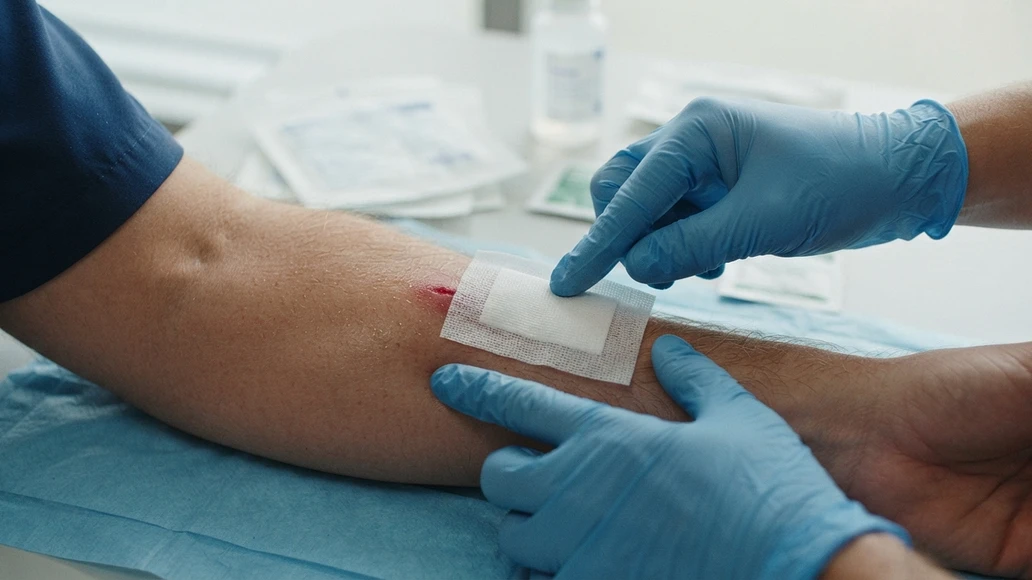
- Stop bleeding with firm, direct pressure using clean gauze or cloth.
- Rinse the wound with clean running water or sterile saline. For scrapes, gentle irrigation helps remove dirt.
- Wash the skin around the wound with mild soap, but do not scrub the wound bed aggressively.
- Avoid routine use of alcohol, hydrogen peroxide, or strong iodine inside minor open wounds. These can damage healthy tissue and slow healing.
- Pat dry around the area with a clean cloth.
- Apply a thin layer of the chosen wound product, if using one.
- Cover with a clean nonstick dressing or bandage.
- Change the dressing daily, or sooner if it becomes wet, dirty, or loose.
- Watch for increasing redness, swelling, warmth, pus, bad odor, fever, or red streaks.
For a minor burn, cool the area under cool running water for about 20 minutes as soon as possible. Do not put ice directly on the skin. After cooling, protect the area with a clean dressing and consider aloe vera if the burn is superficial.
Does a moist wound heal faster?
In many cases, yes. Modern wound care generally favors a protected, slightly moist environment instead of letting a wound dry out and form a thick hard scab. Moisture helps new cells move across the wound surface more easily. The goal is moist, not soggy. A wound that stays wet under a dirty dressing can break down and become infected.
Petroleum jelly is not a natural remedy, but it is worth mentioning because it is one of the simplest and best-supported ways to prevent a minor wound from drying out. If you prefer a more natural option, some people use medical-grade honey or a simple aloe gel for selected wounds, but the wound still needs proper cleaning and a clean dressing.
Natural topical options, what helps most and what is less certain
Not every natural remedy deserves equal confidence. Some have decent evidence for specific uses, while others are mostly traditional or experimental. The table below separates likely healing support from symptom relief and uncertain options.
| Remedy or approach | Main benefit | Evidence strength | Likely to shorten healing time? | Major cautions |
|---|---|---|---|---|
| Medical-grade honey | Helps control bacteria, supports moist healing | Strong for selected wounds | Yes, for some minor and chronic wound types | Use medical-grade only, not grocery honey. May sting. Not for deep home-treated wounds. |
| Aloe vera gel, pure or pharmaceutical grade | Soothes inflammation, supports surface repair | Moderate to strong for minor burns and shallow wounds | Often yes, especially for superficial burns | Avoid fragranced or alcohol-based products. |
| Turmeric or curcumin | Anti-inflammatory effects | Moderate but mixed | Possible, but uncertain | Can irritate skin, stain, and homemade pastes may be contaminated. |
| Coconut oil | Moisture support | Limited human evidence | Unclear | Use only a thin layer on a clean minor wound. Can trap debris if overapplied. |
| Diluted tea tree oil or other essential oils | Possible antimicrobial action | Limited and mixed | Uncertain | Never use undiluted. Can cause dermatitis or burning. |
| Onion or garlic pastes | Traditional antimicrobial claims | Weak | Unclear | Higher risk of irritation and contamination. Best avoided on open wounds. |
| Clean water or saline irrigation | Reduces contamination | Strong | Yes, indirectly by lowering infection risk | Do not skip this step in favor of a remedy. |
| Moisture-retentive dressing | Protects new tissue | Strong | Yes | Change regularly and keep clean. |
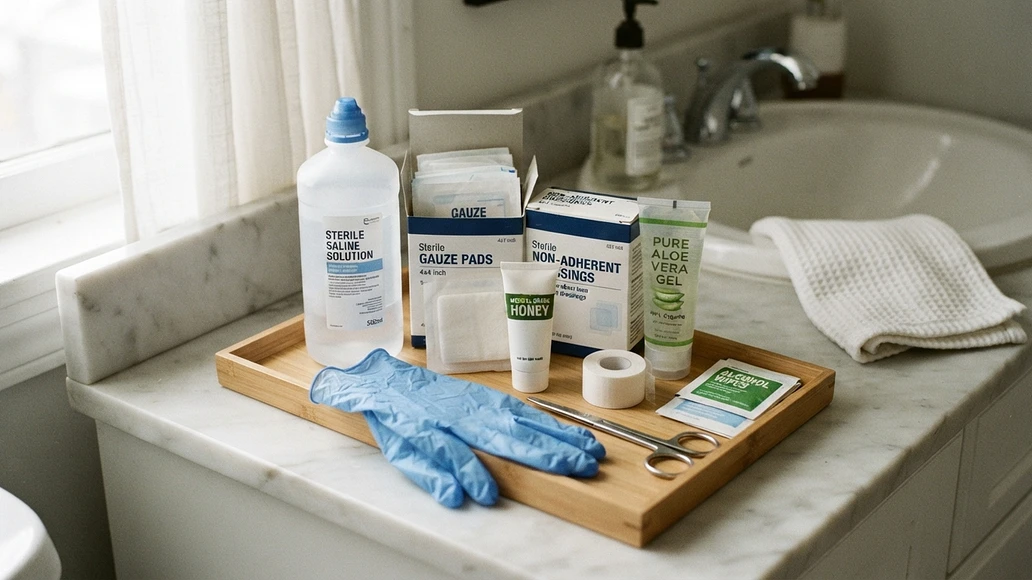
Medical-grade honey, when it helps and how to use it
Honey is one of the better-supported natural wound aids, but the important phrase is medical-grade. Sterile wound honey products are prepared for clinical use. Regular kitchen honey is not the same. It may contain contaminants and is not packaged for wound care.
For a small, clean, shallow wound, a thin layer of medical-grade honey on a dressing can help maintain moisture and may reduce bacterial growth. It is most useful as an adjunct after proper cleaning, not as a substitute for cleaning. Change the dressing as directed on the product or at least daily if it becomes messy or wet.
Do not pack honey into deep wounds at home. Do not use it on heavily bleeding wounds. Stop using it if pain, rash, or worsening redness develops.
Aloe vera for minor burns and shallow skin injuries
Aloe vera has a better reputation than many home remedies for a reason. Pure aloe gel can soothe pain and support healing in minor superficial burns and some shallow abrasions. It is most helpful after the area has been cooled and cleaned.
Choose a simple product with minimal additives. Many cosmetic aloe gels contain alcohol, fragrance, or dyes that can sting and irritate damaged skin. If you are using aloe directly from a plant, cleanliness matters. The gel should be fresh and the leaf surface should be washed first, but a commercial pure gel is often a safer choice for consistency.
Turmeric, coconut oil, and other plant-based options
Turmeric and curcumin are interesting because they show anti-inflammatory and antimicrobial activity in lab and early clinical research. Still, the evidence is not as strong or practical as it is for proper cleaning, dressings, honey, or aloe. If used at all, turmeric products are best limited to very minor wounds and only in clean, skin-safe formulations. Homemade kitchen pastes are not ideal for open wounds.
Coconut oil may help prevent excessive dryness around a minor healing area, but it is not a first-line wound treatment. A very thin layer can be reasonable on a clean, shallow wound or on surrounding skin once the wound is closing, but thick oily coatings can trap dirt and moisture in the wrong way.
Calendula, chamomile compresses, and similar herbal options may soothe irritation, but they should be viewed mainly as comfort measures unless you have a clinician guiding their use.
Essential oils, possible benefits and real risks
Essential oils are often promoted as natural antiseptics, but they are easy to misuse. Tea tree oil is the most common example. While it has antimicrobial properties in lab settings, direct application to broken skin can cause burning, allergic reactions, and delayed healing if too strong.
If someone chooses to use an essential oil, it should be diluted appropriately in a skin-safe carrier and used cautiously on very limited areas only. Even then, it is not a preferred first-line option for children, pregnant or breastfeeding people, or anyone with sensitive skin, eczema, or a history of contact allergies. Never pour undiluted essential oils into an open wound.
Natural approaches that mostly soothe symptoms
Some remedies feel helpful without clearly speeding closure of the wound. That does not make them useless, but it helps to be realistic.
| Approach | What it may help with | Does it clearly speed healing? | Best use |
|---|---|---|---|
| Cool compress around the area | Pain and swelling | No clear direct effect | Early comfort for bruised or irritated skin, not directly on an open wound |
| Simple herbal compress | Itching or mild irritation | Uncertain | Only on intact or nearly healed skin |
| Rest and elevation | Swelling control | Indirectly helpful | Useful for minor limb injuries |
| Red light devices | Possible tissue support | Promising but not definitive | Not a primary DIY treatment for fresh wounds |
What should you avoid putting on a wound?
Several common home habits can slow healing instead of helping it.
| Common mistake | Why it can be a problem | Better choice |
|---|---|---|
| Alcohol or hydrogen peroxide inside the wound | Can damage healthy tissue | Use clean water or saline |
| Letting the wound dry out completely | Can slow cell movement and crack new tissue | Use a clean moist-protective dressing |
| Undiluted essential oils | May burn or irritate skin | Avoid, or use only diluted with caution |
| Homemade garlic or onion paste | Can irritate and contaminate the wound | Skip it |
| Thick salves on a dirty wound | Can trap debris and bacteria | Clean first, then apply a thin appropriate layer |
| Picking scabs | Reopens tissue and raises scar risk | Keep covered and leave it alone |
Nutrition and daily habits that help wounds heal faster
Topical products get most of the attention, but healing also depends on what your body has available to rebuild tissue. Protein is especially important because skin repair requires amino acids. Vitamin C supports collagen formation. Zinc helps with immune function and tissue repair. Hydration, sleep, and blood sugar control also matter.
| Nutrient or habit | Role in healing | Practical food sources or actions | When to consider medical advice |
|---|---|---|---|
| Protein | Builds new tissue | Eggs, yogurt, beans, fish, poultry, lean meat, tofu | If appetite is poor or healing is slow |
| Vitamin C | Supports collagen production | Citrus, berries, kiwi, peppers, potatoes | If diet is limited or deficiency is possible |
| Zinc | Supports immune and skin repair functions | Meat, shellfish, beans, nuts, seeds | Before taking supplements long term |
| Hydration | Supports circulation and tissue function | Drink enough fluids through the day | If dehydration or illness is present |
| Sleep | Supports recovery hormones and immune balance | Aim for consistent adequate sleep | If poor sleep is chronic |
| Blood sugar control | Helps reduce delayed healing risk | Follow diabetes care plan and monitor as directed | Any wound in a person with diabetes deserves extra caution |
| Avoid smoking | Improves blood flow and oxygen delivery | Reduce or quit if possible | If you need cessation support |
Special guidance for children, older adults, and people with diabetes
These groups need a lower threshold for medical care. Children may not describe pain or infection clearly, and older adults often have thinner skin and slower healing. People with diabetes or poor circulation can develop serious wound problems from injuries that seem minor at first.
If a child has a facial cut, a dirty puncture, a bite, or a wound that keeps bleeding, get medical advice promptly. For older adults, skin tears and leg wounds deserve careful monitoring. For anyone with diabetes, foot wounds should be taken seriously from day one. Do not rely on home natural remedies for diabetic foot wounds.
How long should a minor wound take to heal?
Healing time depends on depth, location, friction, age, circulation, and whether the wound stays clean. The table below gives rough expectations for uncomplicated minor injuries.
| Wound type | Typical healing time | What is normal | When delay is a concern |
|---|---|---|---|
| Small paper cut or shallow cut | Several days to 1 week | Mild tenderness, closing edges | If still open or worsening after about 1 week |
| Minor scrape | About 1 to 2 weeks | Pink new skin, light scabbing | If redness spreads or drainage increases |
| Small superficial burn | About 1 to 2 weeks | Gradual pain reduction and skin recovery | If blistering worsens, pain rises, or signs of infection appear |
| Bruised skin with surface break | 1 to 3 weeks | Color changes and slow fading | If swelling, warmth, or drainage increases |
Warning signs that mean natural care is not enough
Stop home treatment and seek medical care if you notice increasing redness, warmth, swelling, pus, foul odor, fever, chills, red streaks, worsening pain, numbness, or a wound that is not improving. Also get help if the wound reopens repeatedly, drains more instead of less, or changes to a gray, black, or unusual color.
Do not delay care because a remedy seemed to help at first. Infection can worsen quickly.
Using natural and over the counter products together
Some people combine natural products with standard wound care. That can be reasonable for a minor wound, but keep it simple. Too many layers and ingredients make it harder to spot irritation or infection.
For example, you might clean with saline, use a thin layer of medical-grade honey or pure aloe depending on the wound type, and cover with a nonstick dressing. If you prefer an antibiotic ointment, use that instead of stacking multiple products unless a clinician has advised otherwise. Mixing honey, essential oils, herbal salves, and antibiotic ointment all at once is not a smart experiment.
Common mistakes that slow healing and increase scarring
The most common errors are overcleaning, undercleaning, and overapplying products. Scrubbing a wound repeatedly can damage fragile new tissue. On the other hand, leaving dirt in a scrape raises infection risk. Another mistake is changing dressings too rarely, or using a bandage that rubs and reopens the area.
Sun exposure is another overlooked issue. Freshly healed skin darkens and scars more easily in sunlight. Once the wound has fully closed, protect it from sun with clothing or sunscreen appropriate for healed skin.
Natural scar care after the wound closes
Once the skin surface is fully closed, the goal shifts from wound healing to scar support. A plain moisturizer, gentle massage, and sun protection can help the scar mature more evenly. Silicone gel or silicone sheets are not natural, but they are among the better-supported options for raised scars. Natural oils may soften dry skin, but they are less proven for scar remodeling than silicone and sun protection.
Do not massage or apply scar products to a wound that is still open.
Build a practical home wound care kit
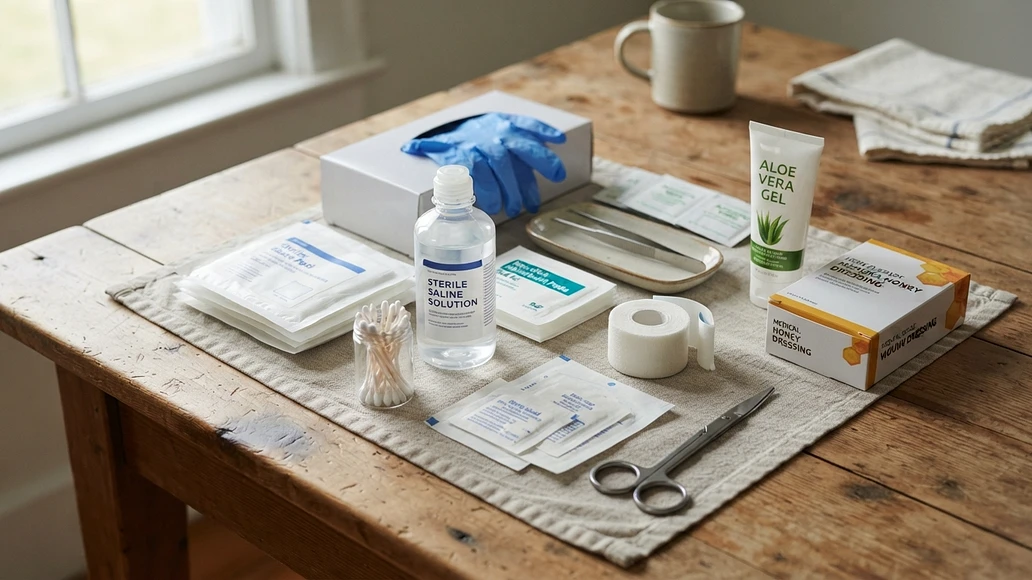
A good home kit should support both standard first aid and a few selective natural options.
| Item | Why keep it | Natural, standard, or both |
|---|---|---|
| Sterile saline or wound wash | For gentle cleaning | Standard |
| Nonstick dressings and gauze | Protects healing tissue | Standard |
| Medical tape or wrap | Secures dressings | Standard |
| Disposable gloves | Cleaner wound handling | Standard |
| Tweezers | Removes visible debris carefully | Standard |
| Petroleum jelly | Helps maintain moisture | Standard |
| Medical-grade honey dressing or gel | Natural adjunct for selected minor wounds | Both |
| Pure aloe vera gel | Useful for minor burns and irritation | Both |
| Thermometer | Checks for fever if infection is suspected | Standard |
| Emergency contact and urgent care info | Speeds decisions when a wound worsens | Standard |
How to talk with your doctor about natural wound care
If you want to use natural remedies, tell your clinician exactly what you are applying, how often, and when the wound started. Mention any diabetes, circulation problems, immune issues, pregnancy, allergies, or medicines such as blood thinners or steroids. This helps them judge whether the remedy is reasonable or whether it may be masking a problem.
An integrative approach often works best. Use natural options where they fit, but let evidence-based wound care lead the plan.
FAQ
Can I use regular kitchen honey on a cut or scrape?
It is better not to. Medical-grade honey is sterilized and prepared for wound use. Grocery honey is not the same and may carry contaminants.
Is it better to let a wound air out instead of keeping it covered?
Usually no. Minor wounds often heal better when kept clean, protected, and slightly moist under a dressing rather than left open to dry out.
Are natural remedies safe for children's cuts and scrapes?
Some are, but caution is important. Simple cleaning, a protective dressing, and plain products are safest. Avoid essential oils and homemade pastes on children's wounds unless a clinician advises otherwise.
How do I know if my wound is infected even if I used natural treatments?
Watch for spreading redness, warmth, swelling, increasing pain, pus, bad odor, fever, or red streaks. Natural products do not prevent every infection, and they should not delay medical care.
Can I still use antibiotic ointment if I am using honey or aloe on a wound?
In general, choose one main topical approach at a time unless a clinician tells you to combine them. Layering multiple products can increase irritation and make the wound harder to assess.