How to Improve Your Vehicle’s Odds in an EMP Event
A car cannot be made truly invulnerable to EMP at home, but you can make it more resilient. Here is a practical, evidence-based look at what affects vehicles, which types are naturally tougher, and which preparedness steps offer the best return.

If you are asking whether a car can be made EMP-proof, the most honest answer is no, not in the absolute sense. A private owner can improve resistance, reduce weak points, and store replacement electronics, but cannot guarantee survival against a strong electromagnetic pulse. That distinction matters, because a lot of advice online treats this as a simple yes or no question when it is really about probabilities, tradeoffs, and backup planning.
A more useful goal is to make one vehicle more likely to keep running, or at least easier to repair quickly after an event. For most people, that means focusing first on maintenance, spare parts, storage, and realistic transportation backups before attempting major electrical modifications.
What an EMP is, and why vehicles are part of the conversation
EMP is short for electromagnetic pulse, a burst of energy that can induce damaging voltages in wiring and electronics. Vehicles are relevant because modern cars contain multiple electronic control modules, sensors, wiring harnesses, and communication networks. Those systems can provide paths for transient energy to reach sensitive components.
It also helps to separate three different threats that often get lumped together:
| Threat type | What it is | Typical scale | How it may affect vehicles |
|---|---|---|---|
| High-altitude nuclear EMP | A large pulse produced by a nuclear detonation high above the atmosphere | Regional to continental | Fast, intense pulse can upset or damage electronics, especially through wiring and connected systems |
| Non-nuclear localized EMP or RF weapon | A smaller directed or localized electromagnetic attack | Local | Could affect nearby electronics, but impact depends heavily on distance, power, and exposure |
| Geomagnetic storm | Space weather from solar activity | Very large geographic areas | Usually more serious for long conductors and the power grid than for individual cars, though charging systems and connected infrastructure may still be affected indirectly |
For cars, the main concern is not that the metal body magically attracts EMP. The issue is that wiring, antennas, seams, and attached accessories can act as coupling paths. In plain language, the pulse can get into the vehicle through the electrical system, not just through the sheet metal.
EMP-proof versus EMP-resistant
These terms should not be treated as interchangeable. EMP-proof implies a guaranteed outcome under all relevant conditions. That is not something a consumer can honestly claim for a road vehicle parked in the real world. EMP-resistant means the vehicle may be less likely to suffer damage, less likely to stall, or easier to restore to service.
That difference changes how you should spend your time and money. If you chase a perfect shield, you can waste effort on gimmicks. If you aim for resilience, you can make practical improvements that shorten downtime and preserve options.
| Term | What it really means | Realistic for a private owner? | Examples |
|---|---|---|---|
| EMP-proof | Guaranteed survival with no meaningful failure | No | Consumer claims that a gadget or wrap makes any car immune |
| EMP-resistant | Reduced vulnerability and better recovery odds | Yes, within limits | Good grounds, fewer add-on electronics, protected spare modules, careful surge suppression |
| Recoverable after EMP | Vehicle may stall or glitch, but can be restarted or repaired with stored parts | Often the most practical goal | Keeping a spare ECU or ignition module in a Faraday container with tools and documentation |
What official testing suggests about cars
One of the biggest problems with popular EMP advice is that it often assumes almost every modern vehicle will be permanently disabled. That is not a balanced reading of the available public discussion around government testing. Summaries of EMP Commission and related preparedness material have long suggested that many tested vehicles did not suffer catastrophic permanent failure. Some experienced temporary issues, warning lights, or stalling, and many could be restarted.
That does not mean modern cars are safe. It means the all-or-nothing story is too simple. Real outcomes likely depend on pulse strength, orientation, wiring layout, whether the engine is running, what accessories are connected, and the design of the vehicle itself.
For preparedness planning, the takeaway is straightforward. Do not assume every car dies instantly, and do not assume your car will be fine. Plan for interruption, not certainty.
Which vehicles are naturally more resilient
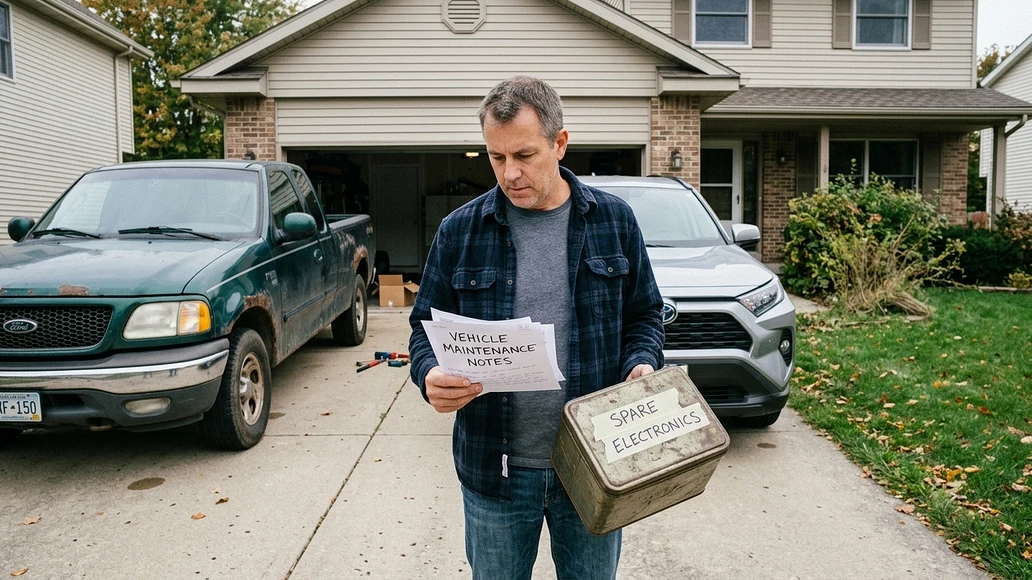
Vehicles with fewer sensitive electronics are generally easier to understand, easier to repair, and less dependent on multiple control modules. That does not automatically make every old vehicle superior. Age brings its own problems, including worn wiring, poor grounds, hard-to-find parts, and lower reliability in daily use.
Modern vehicles often have better shielding and more robust engineering than people assume, but they also rely on many more electronic systems. Hybrids and EVs add high-voltage power electronics and more control complexity, which increases the number of components that could be affected.
| Vehicle type | Electronics density | Likely resilience | Typical mitigation options | Main tradeoffs |
|---|---|---|---|---|
| Older carbureted vehicle with mechanical systems | Low | Generally favorable | Maintain ignition parts, keep spare module if electronic ignition is present, preserve wiring and grounds | Age-related reliability, fuel economy, emissions compliance, parts availability |
| Older fuel-injected vehicle | Moderate | Moderate | Store ECU and ignition spares, maintain charging system, reduce unnecessary accessories | Still dependent on electronic controls, but simpler than many newer vehicles |
| Modern gas vehicle | High | Mixed | Faraday-stored spare modules, careful surge protection, excellent maintenance, passive storage strategies | More modules, sensors, and networked systems |
| Hybrid | Very high | Lower confidence | Focus on maintenance, spare low-voltage modules where practical, professional-only electrical work | Complex power electronics and specialized repair needs |
| Battery electric vehicle | Very high | Lower confidence | Emphasize backup transportation planning and protected accessories rather than DIY hardening | Heavy dependence on electronics and charging infrastructure |
| Motorcycle, ATV, or small tractor | Varies widely | Can be useful as backup | Choose simpler models, store ignition parts, keep manual starting procedures and tools | Less cargo, weather exposure, lower safety margin on roads |
High-value steps that do not require modifying the car
The best first moves are boring, which is exactly why they work. A vehicle with clean grounds, healthy battery connections, intact harness insulation, and no mystery aftermarket wiring is less likely to have marginal behavior during any electrical disturbance. Good maintenance also makes post-event troubleshooting much easier.
Another high-value step is to identify the few electronic parts that would keep your specific vehicle from running if they failed. On many vehicles, that may include an engine control module, ignition module, crankshaft position sensor, camshaft position sensor, coil pack, voltage regulator, or a key anti-theft component. The exact list depends on the make and model, so use a factory service manual or a trusted repair database before buying spares.
Storage location matters too. A metal-roofed or reinforced garage may offer some passive reduction in exposure compared with open parking, though it is not a guarantee. For solar storm concerns, keeping the vehicle disconnected during long-term storage can also reduce some pathways, but this is a storage habit, not a universal answer.
| Preparedness step | Typical cost range | Difficulty | Evidence strength | Main benefit | Main risk or limit |
|---|---|---|---|---|---|
| Catch up on maintenance and clean grounds | Low to moderate | Low | Strong practical value | Reduces existing electrical weakness and improves reliability | Does not harden the vehicle by itself |
| Store critical spare electronics in a Faraday container | Low to moderate | Low to moderate | Plausible and practical | Improves odds of quick repair after a damaging event | Only helps if you choose the right parts and can install them |
| Reduce unnecessary add-on electronics | Low | Low | General guidance | Fewer vulnerable accessories and wiring paths | May not change core vehicle survivability much |
| Park in a metal or concrete structure when possible | Low to high | Low | Mixed but reasonable | May add passive shielding in some scenarios | Not a guarantee against a strong EMP |
| Battery disconnect during long storage | Low | Low | General guidance | Useful for storage discipline and reducing some connected pathways | Not practical for daily use, may reset vehicle systems |
How to build a simple Faraday container for vehicle spares
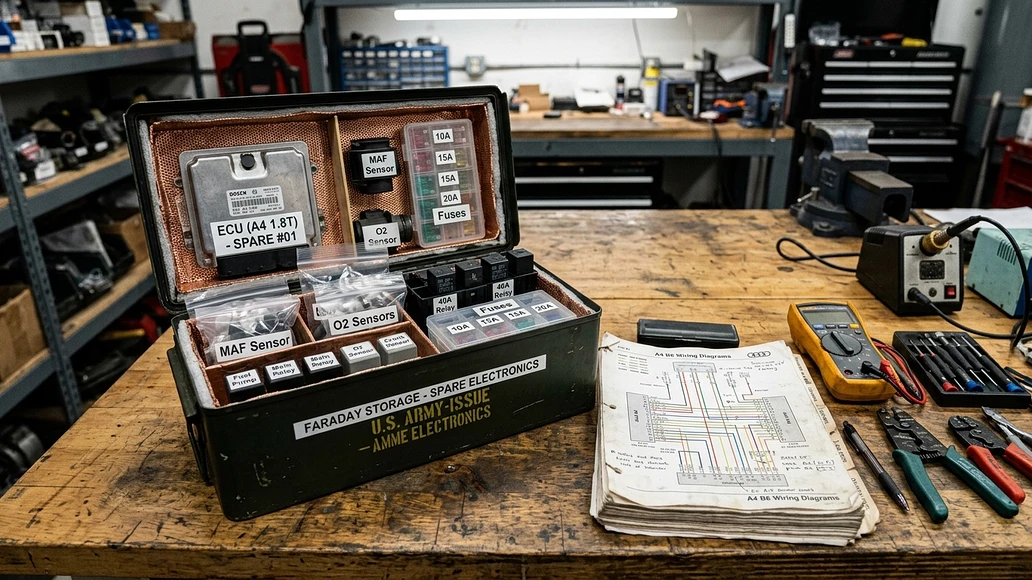
For most households, this is the most practical EMP-related project. The idea is simple. Store selected spare electronics inside a conductive metal container, while making sure the parts do not directly touch the metal. The container should close fully, stay dry, and be dedicated to electronics rather than fuel or chemicals.
Common choices include metal ammo cans with an insulating liner, galvanized steel trash cans with tight-fitting lids, or other conductive containers lined with cardboard, foam, or another dry nonconductive material. The goal is to create a continuous conductive shell around the contents while preventing direct contact.
Label every part with the vehicle year, engine, trim, and part number. Include hand tools, fuses, a printed wiring diagram, and any anti-theft or relearn notes needed for installation. If you cannot identify and replace the part under stress, the spare is less useful.
| Vehicle type | Example spare parts to consider | Container type | Estimated cost |
|---|---|---|---|
| Modern gas car | ECU or PCM if practical, crank sensor, cam sensor, ignition coil or coil pack, relays, fuses | Lined metal ammo can or galvanized can | Moderate to high, depending on module prices |
| Older truck with electronic ignition | Ignition module, coil, voltage regulator, starter relay, fuses | Lined metal box | Low to moderate |
| Motorcycle or ATV | CDI or ignition box, regulator rectifier, ignition coil, starter relay, fuses | Small lined metal can | Low to moderate |
Check stored parts once or twice a year for corrosion, moisture, and labeling. If your vehicle changes, update the kit. A spare module for the car you sold three years ago is just clutter.
DIY hardening for advanced tinkerers, with important cautions
There are a few technical measures that may improve resistance to fast transients, but they are not beginner projects. They also carry real risks if done poorly, including short circuits, battery fires, charging problems, and interference with safety systems.
TVS diodes and surge suppression
Transient voltage suppression devices are used in electronics to clamp short spikes. In theory, correctly selected automotive-grade TVS protection on appropriate low-voltage power feeds can reduce damaging peaks. In practice, component choice, placement, grounding, heat handling, and fuse coordination matter. Installing the wrong part across a high-current line can create a failure point instead of protection.
Ferrite clamps
Ferrite chokes on certain cables can help reduce high-frequency noise coupling. They are common in EMI control, but their effect depends on cable type, frequency, placement, and the rest of the system. They are not magic rings that make a car immune.
Bonding and shielding improvements
Improving body panel bonding, preserving factory ground straps, and protecting damaged harness shielding can make sense from a general electrical hygiene standpoint. However, wrapping random modules or enclosing engine-bay electronics without accounting for heat and moisture can shorten component life or impair operation.
If you are considering any of these changes, involve a qualified automotive electrician, especially on vehicles with airbags, ABS, stability control, electric power steering, or hybrid and EV systems. After any significant electrical work, scan for fault codes and verify normal operation of safety systems.
| Modification | Typical cost range | Installation difficulty | Evidence strength | Main benefit | Main risks |
|---|---|---|---|---|---|
| Automotive-grade TVS protection on selected circuits | Low to moderate parts cost | High | Technical basis, limited direct vehicle EMP proof | May clamp fast voltage spikes on protected lines | Fire risk, incorrect sizing, charging issues, warranty concerns |
| Ferrite clamps on selected cables | Low | Moderate | Technical basis | May reduce high-frequency coupling | Marginal benefit if poorly chosen or placed |
| Ground and bonding improvements | Low to moderate | Moderate | General guidance | Better electrical integrity and fewer weak points | Can create new faults if done incorrectly |
| Harness shielding repair or upgrade | Moderate | High | General guidance | May reduce susceptibility on vulnerable runs | Heat, moisture, abrasion, and diagnostic complications |
| Shielded garage or storage area | Moderate to very high | High | Mixed | Passive protection for vehicle and spares | Costly, difficult to validate, not a guarantee |
What not to do
Some ideas sound clever but offer little proven benefit, or create new problems.
| Common claim | Evidence level | Why to be cautious |
|---|---|---|
| All modern cars will be permanently dead after an EMP | Mixed and often overstated | Public summaries of official testing suggest many vehicles may only suffer temporary effects or can be restarted |
| Wrapping the whole car in foil or mesh makes it safe | Weak to mixed | Difficult to execute correctly, may create gaps or unintended effects, and is impractical for real use |
| Any old truck is automatically EMP-proof | Weak | Many older vehicles still have electronic ignition or charging components, and age-related failures are common |
| Online EMP gadgets guarantee protection | Weak | Independent testing is rarely shown, and broad claims should be treated skeptically |
| Shielding every module individually is always better | Mixed | Heat, moisture, and serviceability issues can outweigh any benefit |
Parking, storage, and everyday habits that improve resilience
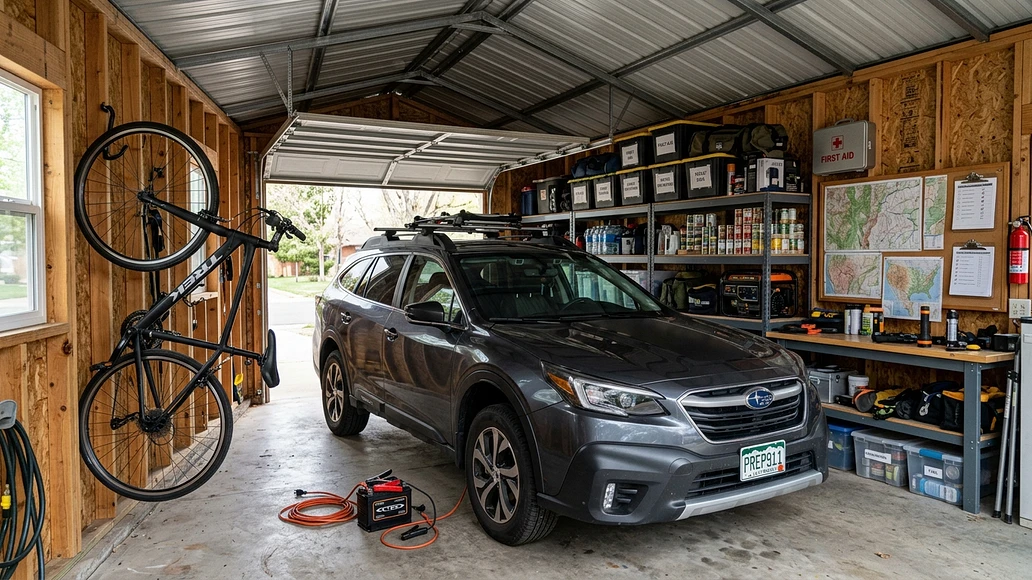
Preparedness is often about stacking small advantages. If you already have a garage with a metal roof or substantial concrete structure, use it. If your vehicle sits for long periods, keep the battery healthy, remove unnecessary accessories, and avoid sloppy aftermarket wiring. If space weather alerts are elevated and a vehicle is going into storage, disconnecting the battery may be reasonable for some owners, provided you understand the consequences for alarms, memory settings, and relearn procedures.
Also think beyond the car itself. Fuel pumps, payment systems, traffic signals, and repair shops may be affected in a wider event. A running car is helpful, but it is not the whole transportation plan.
Cost and practicality, who should do what
Not everyone needs the same level of effort. For a typical household, the best value usually comes from maintenance, a spare-parts Faraday kit, and a backup transportation plan. For a rural household that depends on one truck for water, livestock, or medical access, spending more on duplicate parts and a simpler backup vehicle may be justified. For advanced hobbyists, selective electrical hardening may be worth exploring, but only with proper skill and testing.
| Preparedness level | Best approach | Who it fits |
|---|---|---|
| Basic | Maintain the vehicle, keep fuel habits sensible, store maps, have bike and walking options | Most drivers |
| Intermediate | Add a Faraday-stored spare electronics kit and model-specific repair notes | Prepared households, rural drivers, people with one critical vehicle |
| Advanced | Own a simpler backup vehicle, keep duplicate modules, consider professional electrical hardening | Technical hobbyists and high-dependence users |
Warranties, insurance, and when to get professional help
Any nontrivial electrical modification can affect warranty coverage, inspections, and insurance claims. That is especially true if you alter wiring near safety systems or install non-approved devices on power circuits. Before modifying a newer or leased vehicle, review your owner documentation and talk with the dealer or insurer if needed.
Get professional help if you plan to install surge suppression hardware, alter grounding and bonding, open major harnesses, or work on hybrids and EVs. High-voltage systems are not the place for guesswork. Even on conventional vehicles, a poor installation can create a fire hazard or disable a safety feature without obvious warning.
Bottom line
You probably cannot make a car truly EMP-proof in your garage. You can, however, improve your odds. The most practical path is to keep the vehicle electrically healthy, reduce unnecessary complexity, store critical spare electronics in a proper Faraday container, and build a transportation plan that does not depend on one machine working perfectly after a rare but disruptive event.
That approach is less dramatic than the marketing version of EMP preparedness, but it is far more useful.
FAQ
Will my modern car definitely stop working after an EMP?
No. Public summaries of official testing suggest many modern vehicles may continue running, stall temporarily, or restart after the event. Permanent failure is possible, but it should not be assumed for every vehicle.
Are electric vehicles and hybrids more vulnerable to EMP than gas cars?
In general, they are harder to evaluate confidently because they depend on more power electronics and control systems. That does not mean every hybrid or EV will fail, but it does mean there are more critical electronic components involved.
What are the simplest steps I can take to protect my car from an EMP without rewiring it?
Focus on maintenance, clean grounds and battery connections, remove unnecessary aftermarket electronics, park in a substantial garage when possible, and store model-specific spare electronics in a lined metal Faraday container.
Can parking my car in a metal garage really help against an EMP or solar storm?
It may provide some passive benefit, especially compared with open parking, but it is not a guarantee. The quality of the structure, openings, and the strength of the event all matter.
Is buying an old “EMP-proof” truck worth it for everyday drivers?
Sometimes, but not automatically. A simpler older truck can be easier to understand and repair, yet it may also be less reliable day to day and still contain vulnerable electronics. For many people, a well-maintained current vehicle plus stored spares is the better balance.