Charcoal and Wound Care, What Helps, What Hurts, and What Belongs in a Real First Aid Kit
Activated charcoal has a place in medicine, but not in the way many DIY guides suggest. Learn where charcoal dressings may help, why homemade powders are risky on open skin, and how to handle wounds safely at home or in an emergency.

Activated charcoal has a strong reputation in preparedness circles, but wound care is one area where folklore can outrun the evidence. Some medical products do use activated carbon in dressings, especially for chronic wounds with odor or heavy drainage. That is very different from sprinkling charcoal powder from a capsule onto a fresh cut. If you want a practical answer, here it is: charcoal may have a limited role as an adjunct dressing in specific situations, but it is not a substitute for cleaning, bleeding control, infection monitoring, or timely medical care.
This article is for general information only and is not a substitute for professional medical advice, diagnosis, or emergency care.
What activated charcoal is, and how it actually works
Activated charcoal is a specially processed form of carbon with a very large surface area. Its main trick is adsorption, not absorption. That means substances can bind to its surface. In medicine, that property is most clearly useful inside the digestive tract for selected poisonings, and in some wound dressings for managing odor and moisture.
That does not mean charcoal magically pulls out toxins from the body or sterilizes a wound. In wound care, its likely benefit is much narrower. It may help manage exudate, reduce odor, and improve the local dressing environment in certain chronic wounds. Those are useful goals, but they are not the same as curing infection or accelerating healing in every type of injury.
The one well established medical use, poisoning and overdose care
The strongest evidence for activated charcoal is oral or tube administration in selected poisoning cases under medical supervision. Timing matters, the substance swallowed matters, and the patient's airway and gut function matter. Because of those limits, activated charcoal is not a good do-it-yourself treatment for overdose or poisoning at home.
If someone may have swallowed a poison, call 911 or poison control right away. Do not give charcoal unless a qualified professional tells you to do so. Used incorrectly, it can cause vomiting, aspiration, constipation, black stools, and in rare cases bowel complications. It can also interfere with important medications.
Can charcoal help a wound heal, what the evidence really says
The best topical evidence does not come from homemade poultices. It comes from medical-grade activated carbon cloth dressings used in structured wound care, often for chronic leg ulcers or other hard-to-heal wounds. In that setting, some case series and small studies suggest benefits such as less odor, better moisture handling, improved surrounding skin condition, and in some cases wound size reduction over time.
That is promising, but it is still limited evidence. It does not prove that generic activated charcoal powder speeds healing in ordinary cuts, scrapes, punctures, or burns. It also does not show that charcoal replaces debridement, antibiotics when needed, pressure relief, blood sugar control, or circulation management.
| Use or claim | Evidence level | Typical setting | Main takeaway |
|---|---|---|---|
| Oral activated charcoal for selected poisonings | Well supported | Hospital or poison center guided care | Useful in specific cases, not for routine home self-treatment |
| Activated carbon cloth dressings for chronic wounds and odor control | Emerging but promising | Clinical wound care, chronic ulcers, complex wounds | May help with odor and exudate, sometimes supports healing as an adjunct |
| Generic charcoal powder on minor acute wounds | Mixed to weak | DIY home use | No strong proof it improves healing over standard wound care |
| Charcoal as an antimicrobial cure for wounds | Mixed | Often overstated in consumer content | Does not reliably replace cleaning, debridement, or antibiotics |
| Charcoal detox for skin or wound toxins | Weak to unsupported | Wellness and cosmetic marketing | Popular claim, poor evidence |
| Long-term oral charcoal for wellness | Not recommended | Supplement use | Can impair medication and nutrient absorption |
Medical charcoal dressings versus DIY charcoal powder
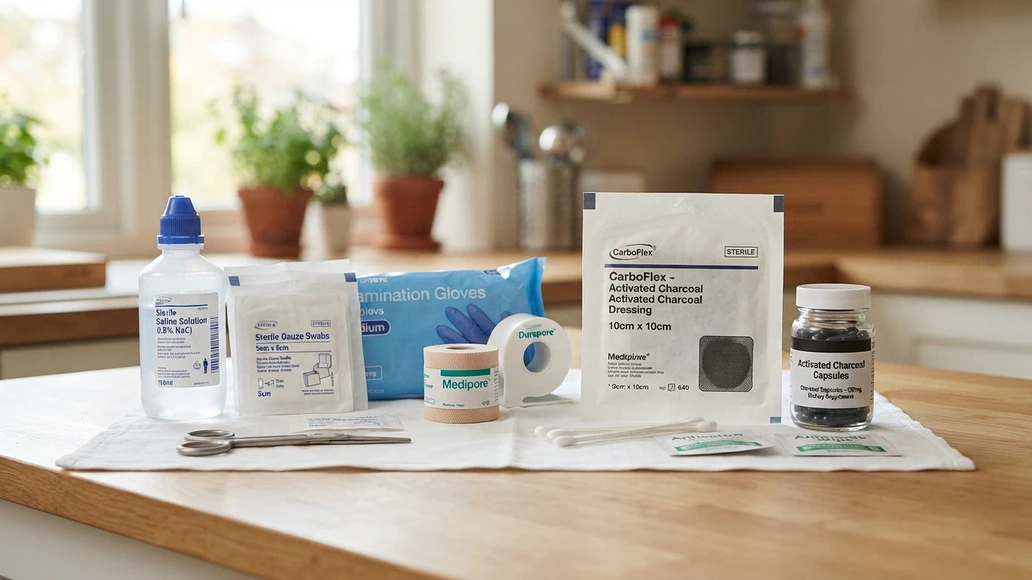
This is the distinction most articles miss. Medical charcoal dressings are manufactured for wound use. They are designed to handle drainage, sit within a dressing system, and meet product standards intended for skin contact and wound management. A capsule of activated charcoal, loose powder from a supplement jar, or homemade charcoal from burned wood is not the same thing.
Improvised charcoal can introduce contaminants, leave particles embedded in tissue, complicate cleaning, and create a false sense of security. Even if the powder is sold for ingestion, that does not make it appropriate for open tissue. Sterility, particle size, carrier material, and dressing structure all matter.
What charcoal may do in wound care, and what it does not do
In the right product and the right situation, charcoal may help by adsorbing odor-causing compounds and handling some excess moisture. That can make a chronic wound easier to manage and may improve comfort and dressing tolerance.
What it does not do is close a deep wound, stop serious bleeding, reverse poor circulation, remove all contamination, or cure an infection by itself. If a wound smells bad because tissue is infected or dying, charcoal may reduce odor while the real problem worsens underneath. That is why it should never replace proper assessment.
Basic wound care comes first, at home or in the field
If you are dealing with a small, uncomplicated wound, the basics matter far more than charcoal. First, stop bleeding with firm direct pressure. Then rinse the wound well with clean running water or sterile saline. Gently remove visible dirt if you can do so without digging into tissue. Pat the surrounding skin dry, then cover the wound with a clean dressing that protects it and maintains a reasonable moisture balance.
Change the dressing when it becomes wet, dirty, or loose. Watch for increasing redness, swelling, warmth, pain, pus, foul odor, fever, or red streaking. Those signs matter more than any trendy ingredient.
| Wound situation | Reasonable home care action | When to get medical help |
|---|---|---|
| Small clean scrape or shallow cut | Rinse well, apply pressure if needed, cover with clean dressing, monitor daily | If redness spreads, pain worsens, drainage develops, or it does not improve |
| Bleeding wound | Firm direct pressure for 10 to 15 minutes | If bleeding does not stop or soaks through repeated dressings |
| Deep cut, gaping edges, visible fat or deeper tissue | Cover with clean dressing and limit contamination | Prompt medical evaluation, may need closure and deeper cleaning |
| Puncture wound | Clean surface gently, do not pack with powders | Medical evaluation is often wise, especially if dirty, deep, or from an animal or rusty object |
| Burn, bite, crush injury, or heavily contaminated wound | Basic first aid only | Professional care is strongly recommended |
| Foot or leg wound in a person with diabetes or poor circulation | Protect and keep clean | Early medical care is important, even if it looks minor |
When a charcoal dressing might make sense in preparedness
For most home first aid kits, charcoal dressings are optional, not foundational. If you are building a more advanced preparedness kit, a sealed medical-grade activated carbon dressing may be reasonable for situations involving chronic wounds, significant odor, or heavy exudate, especially when someone already has an ongoing wound care plan.
That is a very different use case from treating a fresh kitchen cut or trail scrape. In everyday first aid, clean water, sterile gauze, nonstick pads, tape, gloves, and a few well-chosen dressings will do more good than a jar of charcoal powder.
Safer low-tech and natural-minded options to compare
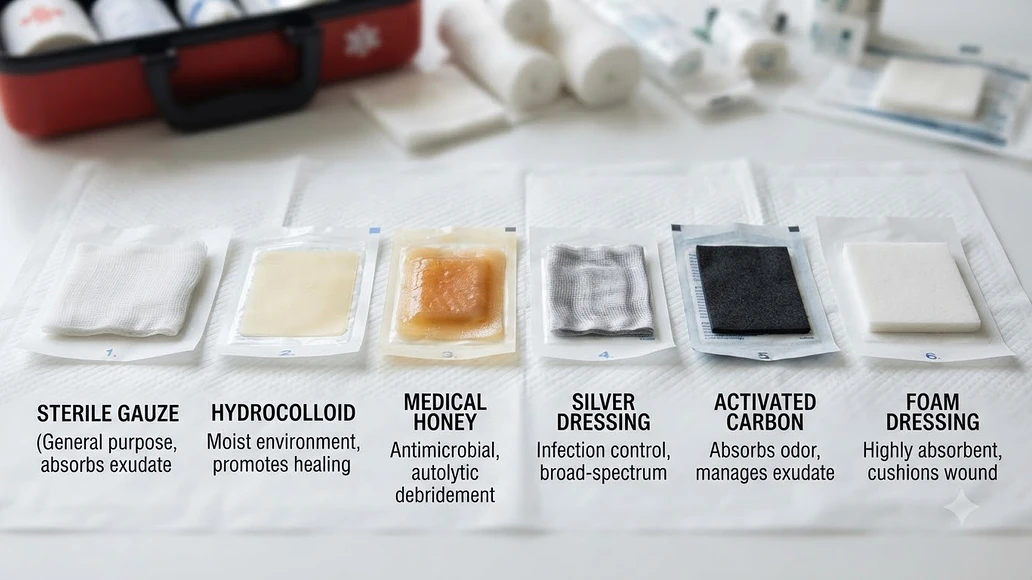
People often reach for charcoal because they want something simple and low-tech. That is understandable. But if your goal is practical wound support, other options often have clearer roles. Medical honey dressings have a longer track record in wound care. Hydrocolloid dressings can protect shallow wounds and maintain moisture balance. Chitosan-based products are used in some hemostatic dressings. Silver dressings may be used in selected infected or high-risk wounds under guidance.
| Dressing or approach | Best use | Strengths | Limits or cautions |
|---|---|---|---|
| Sterile gauze and nonstick pads | Everyday cuts, scrapes, temporary coverage | Versatile, inexpensive, essential in any kit | Needs regular changing, limited moisture control |
| Hydrocolloid dressing | Shallow clean wounds, blisters | Protects wound, supports moist healing | Not ideal for infected or heavily draining wounds |
| Medical honey dressing | Selected wounds needing moisture balance and broad wound support | Useful evidence base, practical in many settings | Use medical-grade products, not kitchen honey |
| Silver dressing | Selected wounds with infection concerns | Can help manage bioburden in the right case | Not needed for routine minor wounds, can be overused |
| Chitosan hemostatic product | Bleeding control | Useful for hemostasis in some emergency products | Product-specific, not a cure for wound infection |
| Activated carbon dressing | Odorous or draining chronic wounds | May reduce odor and manage exudate | Adjunct only, limited evidence for routine acute wounds |
Topical charcoal and oral charcoal are not interchangeable
This is worth repeating because confusion here can be dangerous. Topical charcoal products are intended for external use. Oral activated charcoal, when used medically, is for selected poisonings and only under guidance. Taking charcoal pills after an injury, surgery, or infection will not help your body heal faster. It may reduce absorption of prescription medicines, supplements, and nutrients you actually need.
Likewise, putting oral charcoal powder into an open wound does not turn it into a wound dressing. Different route, different purpose, different safety profile.
Who should avoid DIY charcoal wound treatment
Children, older adults, pregnant people, and anyone with diabetes, peripheral vascular disease, kidney disease, immune suppression, or poor healing history should be especially cautious. These groups can develop serious wound complications from injuries that look minor at first.
If you fall into one of those categories, do not rely on experimental home charcoal treatments as your main plan. Early assessment is often the safer choice.
Common myths about charcoal and wounds
Myth, charcoal pulls infection out of a wound
Not reliably. It may adsorb some compounds and help with odor, but it does not replace cleaning, drainage, debridement, or antibiotics when needed.
Myth, if it is natural, it is safer
Not necessarily. Nonsterile powders and homemade preparations can contaminate wounds and delay proper care.
Myth, black powder means stronger healing action
No. Visible charcoal on a wound does not tell you anything useful about tissue repair, blood supply, or bacterial control.
Myth, charcoal detox helps recovery after injury
There is no good evidence for that. Long-term or casual oral use can create more problems than it solves.
Red flags that mean home treatment should stop
Seek prompt medical care if a wound is deep, gaping, contaminated with soil or debris, caused by an animal or human bite, or associated with numbness, loss of function, or severe pain. Get help if bleeding does not stop after 10 to 15 minutes of firm pressure. Infection warning signs include spreading redness, warmth, swelling, increasing pain, pus, foul odor, fever, or red streaks.
Also get help if a wound is not improving over 7 to 14 days, especially on the legs or feet, or if the injured person has diabetes, poor circulation, or a weakened immune system.
How to build a practical wound care kit
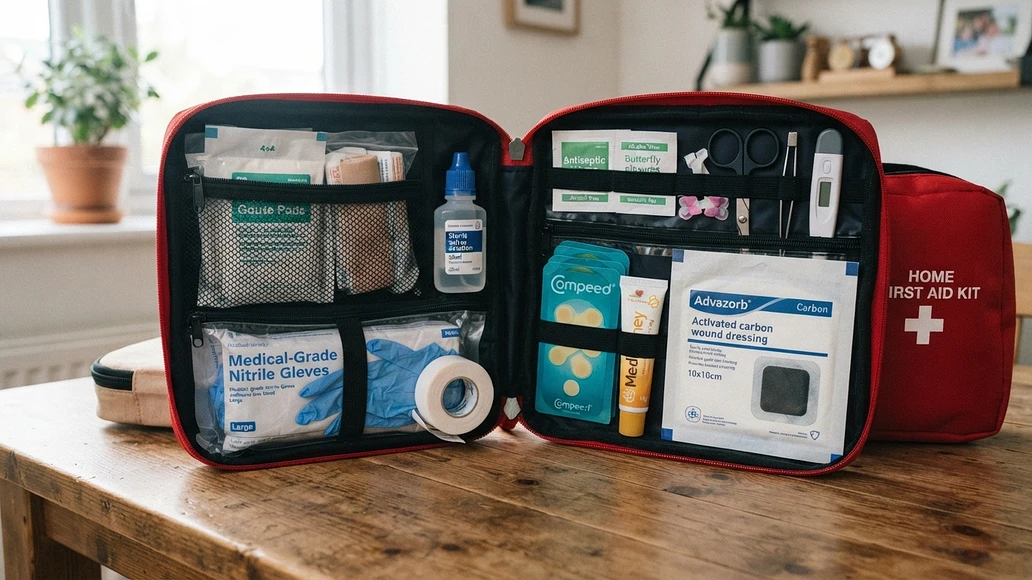
A good preparedness kit should prioritize proven basics first. Think clean irrigation, barrier protection, bleeding control, and reliable dressings. If you want to add charcoal products, add a sealed medical-grade activated carbon dressing as an optional specialty item, not as the centerpiece of your kit.
| Kit item | Priority level | Why it matters |
|---|---|---|
| Clean water or sterile saline | Essential | Thorough rinsing is one of the most important steps in wound care |
| Nitrile gloves | Essential | Reduces contamination during care |
| Sterile gauze and nonstick pads | Essential | Core dressing materials for most wounds |
| Medical tape and wrap | Essential | Keeps dressings secure |
| Hemostatic dressing or pressure bandage | High priority | Useful for bleeding emergencies |
| Hydrocolloid or blister dressings | Useful | Helpful for shallow wounds and friction injuries |
| Medical honey dressing | Useful | Reasonable adjunct for selected wounds |
| Activated carbon dressing | Optional specialty item | Most useful for odor and exudate in chronic wound situations |
| Loose charcoal powder or capsules for wound use | Not recommended | Wrong tool, contamination risk, weak evidence |
Choosing a charcoal product safely
If you decide to keep charcoal-based wound products on hand, choose products specifically labeled for wound dressing use from reputable medical suppliers. Avoid cosmetic charcoal masks, scrub products, loose powders, and homemade charcoal for broken skin. Packaging, intended use, and cleanliness standards matter.
FAQ
Can I sprinkle activated charcoal from a capsule directly onto a cut or scrape?
That is not a good idea. Capsule charcoal is not the same as a medical wound dressing. It may not be sterile, can leave particles in the wound, and has weak evidence for improving healing in simple cuts or scrapes.
Is it safe to use activated charcoal on a wound for my child or an older relative?
Use extra caution. Children and older adults can have more serious complications from wounds, and they should not be treated with improvised charcoal products on open skin. Stick with basic wound care and seek medical advice sooner rather than later.
Will activated charcoal remove toxins or infection from a wound on its own?
No. That claim is overstated. Charcoal may help with odor or moisture in certain dressings, but it does not reliably clear infection or neutralize all harmful substances in a wound.
What kind of charcoal wound dressings should I look for if I want to add them to my emergency kit?
Look for sealed, medical-grade activated carbon dressings intended specifically for wound care. These are more appropriate than powders, capsules, cosmetic products, or homemade charcoal. Even then, think of them as optional adjuncts, not first-line treatment for routine injuries.
Can I take activated charcoal pills after an injury or surgery to help my body heal faster?
No. There is no good evidence that oral charcoal improves healing after injury or surgery. It can interfere with medications and nutrient absorption, which may make recovery harder instead of easier.
References
- Activated Charcoal, StatPearls, NCBI Bookshelf
- Activated Charcoal, Benefits, Uses and Risks, WebMD
- Application of 100% Activated Carbon Cloth Dressings in Patients With Chronic Wounds, Wounds International
- Charcoal, Activated Monograph for Professionals, Drugs.com
- Canadian Antidote Guide, Activated Charcoal
- Therapeutic Potential of Chitosan-Based and Related Wound Dressings, PMC