7 Smart Protection Habits for Everyday Safety at Home and Away
Protecting yourself is not just about rare worst case scenarios. This practical guide covers seven high impact habits that improve personal safety, emergency readiness, health protection, scam awareness, and resilience for everyday life.

Protecting yourself is not only about dramatic emergencies. For most households, the biggest gains come from preparing for common problems that happen every year, including home fires, severe weather, power outages, respiratory illness, scams, falls, and confusing information during stressful events. A useful protection plan covers physical safety, health, communication, and peace of mind.
The seven strategies below are designed for a broad US audience and focus on practical steps you can actually use. They are grounded in mainstream emergency and public health guidance. Where health, legal, or self-defense topics are involved, this article stays general on purpose. If you have a medical condition, are pregnant, care for an older adult, or are considering any self-defense tool, talk with the right professional and check local laws before making decisions.
What protecting yourself really means today
A good personal protection plan starts with the risks you are most likely to face, not just the ones that are most dramatic. Everyday protection usually falls into four areas: staying safe at home, staying safer when out in public, protecting your health, and avoiding bad information or fraud. When you think this way, your time and money go much further.
| Everyday risk | Typical likelihood | Potential impact | Protection habits that help most |
|---|---|---|---|
| Home fire or carbon monoxide exposure | Moderate | High | Home safety checks, alarms, escape drills, emergency plan |
| Severe weather or power outage | Moderate to high, depending on region | Moderate to high | Family plan, emergency kit, local alerts, backup lighting |
| Respiratory illness spreading through a household | High | Moderate, sometimes high for vulnerable people | Hand hygiene, cleaner air, staying home when sick, medical planning |
| Scams, phishing, or fraud | High | Moderate to high | Information checks, account security, slowing down before acting |
| Crime or unsafe situations away from home | Varies by location and routine | Moderate to high | Situational awareness, route planning, communication, leaving early |
| Falls and household injuries | High, especially for older adults | Moderate to high | Home hazard reduction, lighting, first aid supplies, medication review |
Way 1. Make a simple family emergency plan before you need it
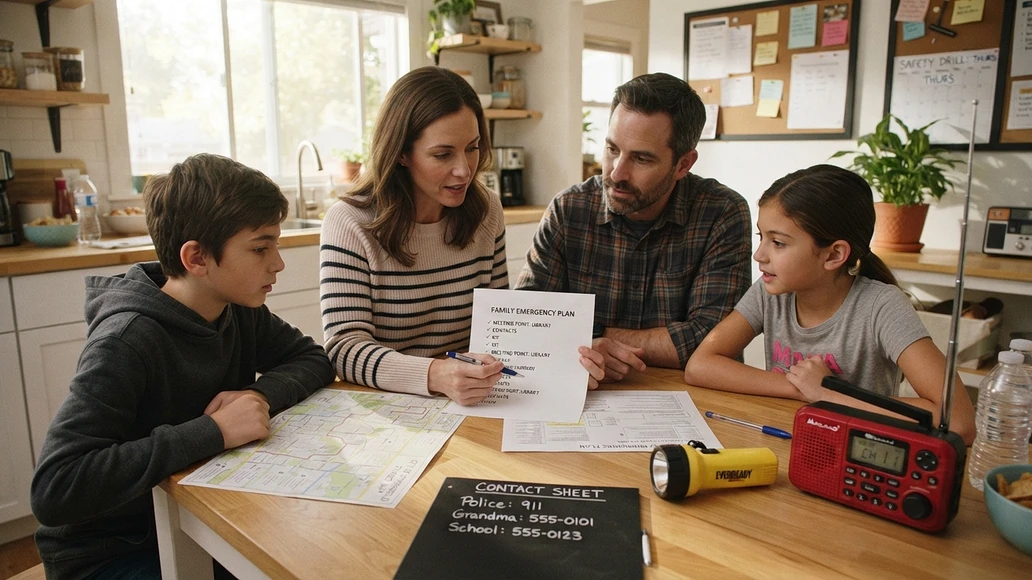
If your household only does one preparedness task this month, make a basic plan. Plans reduce confusion, shorten response time, and help people act calmly under stress. A useful plan should answer a few simple questions. How will you get alerts? Where will you shelter? When would you evacuate? How will you contact each other if cell service is overloaded? Where will you meet if you cannot return home?
Keep the plan short enough that everyone can remember it. Pick one nearby meeting place, such as a mailbox or neighbor's porch, and one out-of-area contact person who can relay messages if local lines are busy. Include routes for leaving your home, neighborhood, workplace, and school area. If you commute, think through what you would do if roads were blocked or public transit stopped running.
It also helps to practice. A plan that lives only on paper is easy to forget. Walk through it once or twice a year, and update it after a move, a new job, a new baby, or a major health change in the household.
What to include in a basic plan
| Plan element | Why it matters | Simple starting point | How often to review |
|---|---|---|---|
| Emergency alerts | Gives early warning for weather, evacuation, and local hazards | Turn on Wireless Emergency Alerts and install your local emergency management app if available | Every 6 months |
| Meeting places | Reduces confusion if family members are separated | Choose one nearby and one outside the neighborhood | Every 6 months |
| Out-of-area contact | Provides a backup communication hub | Pick a trusted friend or relative in another city or state | Every 6 months |
| Evacuation routes | Helps you leave quickly and safely | Identify two ways out of home and neighborhood | Every 6 months |
| Shelter plan | Important for storms, smoke, and hazardous conditions | Know your safest room and local shelter options | Seasonally |
| Medical information | Critical during urgent care or evacuation | Keep medication lists, allergies, and clinician contacts in wallet and phone | After any change |
Way 2. Build an emergency kit you can actually carry and use
An emergency kit does not need to be expensive or tactical-looking to be useful. The goal is simple: help your household function safely for at least 72 hours if services are disrupted. Start with water, food, medications, copies of important documents, a flashlight, batteries, phone charging options, basic hygiene items, and a first aid kit. Add cash in small bills if you can, because card systems sometimes fail during outages.
Think in layers. A home kit covers sheltering in place. A smaller grab-and-go bag covers sudden evacuation. A car kit helps if you are stranded on the road. If money is tight, build your kit one category at a time instead of trying to buy everything at once.
| Item | Why it matters | Low-cost option | Special notes |
|---|---|---|---|
| Water | Essential for drinking and basic sanitation | Clean reused bottles filled and rotated regularly | Plan extra for infants, hot climates, and medical needs |
| Shelf-stable food | Keeps energy up during outages and disruptions | Use foods you already eat, such as peanut butter, canned beans, oats, crackers | Check expiration dates and dietary restrictions |
| Medications | Interruptions can become serious quickly | Ask pharmacist about refill timing and safe storage | Talk with a clinician if you have chronic illness or pregnancy-related needs |
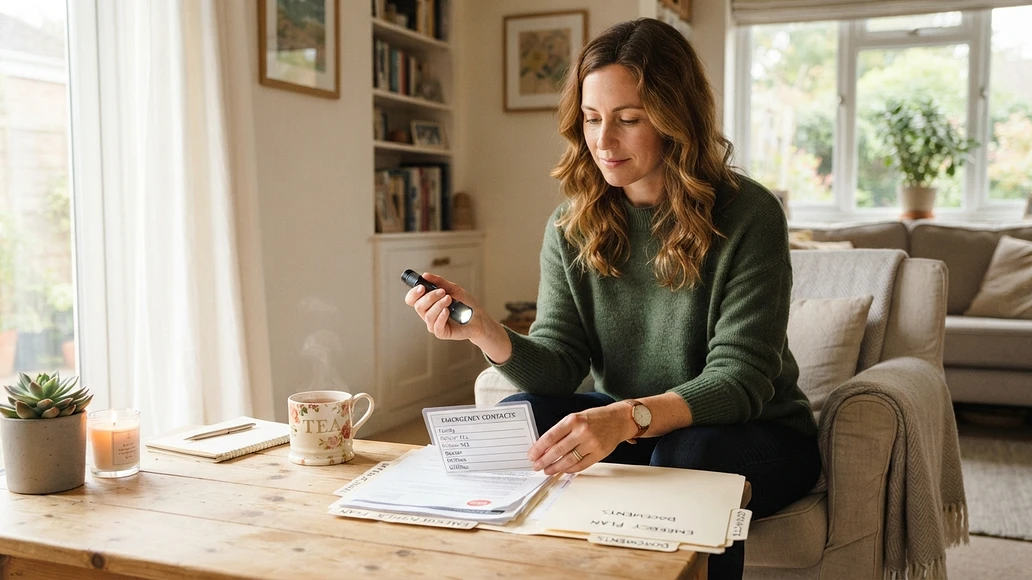
| Documents | Speeds recovery after evacuation or loss | Paper copies in a zip bag plus secure digital backups | Include ID, insurance, prescriptions, and emergency contacts |
| Flashlight and batteries | Safer than candles during outages | Basic LED flashlight | Keep one by the bed and one in the main living area |
| Phone charging | Maintains communication and alerts | Charged power bank or car charger | Test monthly |
| First aid supplies | Helps with minor injuries until care is available | Bandages, gauze, tape, antiseptic, gloves | Seek professional care for serious injury or heavy bleeding |
| Comfort items | Reduces stress, especially for children | Small toy, book, blanket, snacks | Also helpful for adults during long disruptions |
A common mistake is buying lots of gear without matching it to your real life. If you live in an apartment, your kit may need stair-safe carrying options. If you rely on refrigerated medicine, your plan should include what to do during a prolonged outage. If you have pets, include food, water, leash, carrier, and records.
Way 3. Protect yourself at home with fire, utility, and injury prevention basics
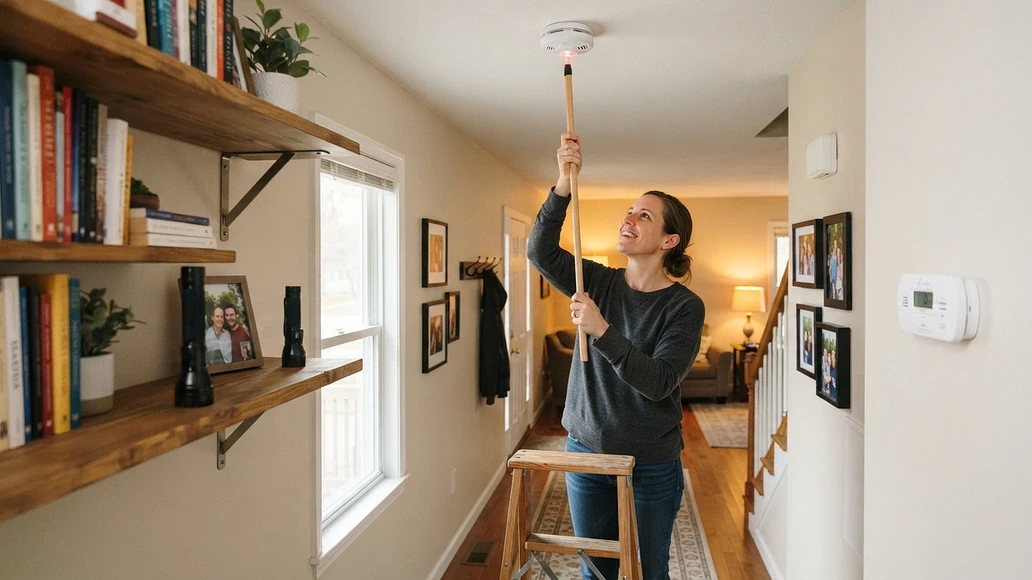
Home is where many preventable injuries happen. The most effective protection steps are not glamorous, but they work. Test smoke alarms and carbon monoxide alarms regularly. Know where fire extinguishers are and how to use them. Keep exits clear. Practice a home fire escape drill so everyone knows two ways out of each sleeping area if possible.
Look beyond fire. Secure top-heavy furniture to walls, especially if children are in the home. Improve lighting on stairs and in hallways. Reduce trip hazards like loose rugs and extension cords across walkways. Review heating safety every cold season. Space heaters need clearance, stable placement, and careful supervision. If you smell gas, suspect a carbon monoxide issue, or see sparking electrical outlets, leave the area and contact the appropriate utility or emergency service.
| Home safety task | Time estimate | Why it matters | Recommended frequency |
|---|---|---|---|
| Test smoke alarms and CO alarms | 10 minutes | Early warning saves lives | Monthly testing, replace batteries as needed |
| Review fire escape routes | 20 minutes | Reduces panic and delay | Twice a year |
| Check extension cords and outlets | 15 minutes | Reduces electrical fire risk | Every 3 months |
| Secure furniture and TVs | 30 to 90 minutes | Prevents tip-over injuries | Once, then after rearranging rooms |
| Reduce fall hazards | 30 minutes | Important for all ages, especially older adults | Seasonally |
| Review first aid and medication supplies | 20 minutes | Keeps essentials usable and current | Every 3 to 6 months |
Way 4. Protect your health from everyday illness and respiratory viruses
Health protection is part of self-protection. Updated public health guidance increasingly treats respiratory viruses with a practical, layered approach. Wash hands regularly, especially before eating and after being in crowded places. Improve indoor air when possible by opening windows when conditions allow, using ventilation, or running an air cleaner. If you are sick, stay home when you can and take extra precautions as you return to normal activity. In higher-risk situations, masking and testing can still be useful tools.
Vaccination remains an important way to reduce severe illness from preventable diseases, but the right schedule depends on age, health status, pregnancy, and other factors. For that reason, it is best to talk with your doctor, pharmacist, or other qualified clinician about what is appropriate for you or your family.
Do not overlook routine care. Refilled prescriptions, updated eyeglasses, backup medical supplies, and written medication lists can matter just as much as a stocked pantry during a disruption. If someone in your home has asthma, diabetes, heart disease, mobility limitations, or another chronic condition, build your emergency plan around those needs first.
When self-care is reasonable, and when to seek help
| Situation | Reasonable self-care steps | Signs to seek professional help | Notes |
|---|---|---|---|
| Mild respiratory illness | Rest, fluids, hand hygiene, cleaner air, limit close contact with others | Trouble breathing, chest pain, confusion, dehydration, worsening symptoms | Follow current public health guidance and clinician advice |
| Minor cuts or scrapes | Clean the wound, apply pressure, bandage | Heavy bleeding, deep wounds, signs of infection | Use gloves if available |
| Heat exhaustion concerns | Move to a cooler place, hydrate, rest | Fainting, confusion, very high body temperature, worsening condition | Older adults and pregnant people may need earlier evaluation |
| Mental stress after an emergency | Rest, routine, talk with trusted people, limit doomscrolling | Persistent panic, insomnia, hopelessness, inability to function | Consider a licensed mental health professional |
| Chronic illness disruption | Use your written plan, contact pharmacy or clinician | Missed critical medication, worsening symptoms, urgent warning signs | Discuss backup planning before an emergency happens |
Way 5. Stay safer when you are out and about
Personal safety outside the home is often about awareness, planning, and leaving early rather than confrontation. Before you go somewhere unfamiliar, check the route, parking, weather, and expected return time. Keep your phone charged. Let someone know where you are going if plans involve travel, late hours, or isolated areas. When possible, avoid distractions that reduce awareness, such as walking while deeply focused on your screen.
If a place or interaction feels wrong, create distance and leave. Trusting your instincts does not mean panicking. It means giving yourself permission to change plans before a situation gets harder to exit. Choose well-lit routes, keep keys accessible before you reach your car or door, and avoid displaying cash or valuables unnecessarily.
Some readers may also consider self-defense classes or tools. Training can improve confidence and decision-making, but tools and use-of-force laws vary widely by state and locality. Get qualified instruction and understand local law before carrying or using any self-defense tool. This article does not provide tactical or legal advice.
Way 6. Protect yourself from bad information, scams, and fraud
During emergencies and stressful news cycles, misinformation spreads fast. So do scams that pressure people to act before they think. One of the best ways to protect yourself is to slow down. Verify urgent claims through official sources, especially local emergency management, Ready.gov, FEMA, CDC, the National Weather Service, and your state or county agencies. If a post makes a dramatic claim but links nowhere reliable, treat it cautiously.
Scam prevention uses the same habit. Pause before clicking links, sending money, sharing codes, or giving account details over the phone. Government agencies and banks do not usually demand immediate payment by gift card, wire transfer, or cryptocurrency. If a message claims to be from a company you use, go to the official website or app directly instead of using the message link.
| Threat | Common warning sign | Safer response | Best official source |
|---|---|---|---|
| Fake emergency alert on social media | Viral post with no official link or location details | Check local emergency management, National Weather Service, or official app | Local .gov agencies, FEMA, NWS |
| Phishing email or text | Urgent tone, suspicious link, request for login or payment | Do not click, go directly to the official website | FTC consumer guidance, company fraud page |
| Impersonation phone scam | Caller demands immediate action or secrecy | Hang up, verify through an official number | FTC, bank or agency official contact page |
| Fundraising scam after a disaster | Pressure to donate immediately with little transparency | Research the organization first | State charity regulator, official nonprofit website |
Way 7. Guard your mental health and build resilience
Preparation should make you steadier, not more fearful. If your safety habits leave you constantly alarmed, unable to sleep, or checking threats all day, the process may need to be simplified. A healthy approach is to set a small routine. Review your plan, refresh supplies, and check official alerts on a schedule instead of constantly. Build resilience through sleep, movement, social connection, and realistic expectations. Most disruptions are inconvenient and stressful, but manageable with a calm plan.
Children often do better when emergency practice is framed as a skill, not a threat. Older adults and people with disabilities may need extra planning around mobility, hearing, vision, power-dependent equipment, or medication access. If anxiety about safety becomes intrusive or disabling, talking with a licensed mental health professional is a smart protection step too.
How to adapt these steps for kids, older adults, and special health needs
Preparedness works best when it fits the people in your home. Children may need simple language, practice drills, and comfort items in their kits. Older adults may need duplicate glasses, hearing aid batteries, mobility aids, and a medication list that is easy to find. People with disabilities may need backup charging plans, transportation arrangements, and support contacts who understand their routines.
If someone in the household is pregnant or has a chronic medical condition, plan with a clinician rather than guessing. Ask about medication storage, refill timing, heat and cold risks, evacuation limits, and what warning signs should trigger urgent care. This is especially important for oxygen use, insulin, dialysis, seizure disorders, severe allergies, and heart or lung disease.
Recent changes in health and safety guidance worth knowing
In the last two years, public health messaging has become more integrated around respiratory viruses. Instead of treating every illness as a separate rulebook, current guidance puts more emphasis on common-sense layers such as hand hygiene, cleaner air, staying home when sick, and taking extra precautions after illness. At the same time, emergency management continues to stress local alerts, evacuation planning, and community readiness. In other words, the basics still matter most, but keeping up with current official guidance helps you use those basics better.
Common mistakes people make when trying to protect themselves
One common mistake is over-focusing on rare threats while ignoring high-probability risks like fire, falls, storms, and illness. Another is buying gear without making a plan or practicing it. A third is relying on one information source, especially social media, during a fast-moving event. Some people also forget to plan for the most vulnerable person in the household first, which can make every emergency harder.
A better approach is balanced and boring in the best way. Make a plan. Build a modest kit. Test alarms. Review medications. Follow official alerts. Practice once in a while. Those habits do more to protect most families than a closet full of gadgets.
Your practical protection checklist
| Time frame | Action | Why it matters |
|---|---|---|
| This week | Choose meeting places and an out-of-area contact | Creates the backbone of your emergency plan |
| This week | Test smoke and CO alarms | Improves home safety immediately |
| This week | Start a 72-hour kit with water, food, flashlight, medications, and documents | Builds basic resilience fast |
| This month | Review local alert systems and trusted official websites | Improves decision-making during emergencies |
| This month | Reduce trip hazards and secure heavy furniture | Prevents common injuries at home |
| Next 3 months | Practice a home fire drill and update medical information | Turns plans into usable habits |
| Every 6 to 12 months | Refresh supplies and review the whole plan | Keeps protection steps current and realistic |
FAQ
How often should I update my emergency plan and kit?
Review both at least every 6 months, and sooner after a move, a new child, a medication change, a major weather season, or a change in work or school routines. Food, batteries, documents, and prescriptions need periodic checks.
What are the most important protections if I live on a tight budget?
Start with the highest-value basics. Make a family plan, turn on emergency alerts, test smoke alarms, store some water, gather a flashlight, keep a medication list, and build your kit from items you already use. Planning and maintenance usually matter more than expensive gear.
How can I talk to my kids about emergencies without scaring them?
Keep it simple and calm. Explain that families practice safety the same way schools practice drills. Focus on what to do, where to go, and who helps. Let children help pack comfort items and practice short routines so the process feels familiar.
What official websites and apps should I trust for emergency alerts?
Start with local emergency management, the National Weather Service, Ready.gov, FEMA, and CDC for health guidance. Wireless Emergency Alerts on your phone are also important. Local county or state agencies are often the best source for evacuation and shelter details.
Do I really need special protection steps if I have a chronic health condition?
Yes. Chronic conditions can turn a short disruption into a serious problem. Keep an updated medication list, ask about refill timing, plan for power needs if you use medical equipment, and discuss emergency planning with your clinician or pharmacist.