7 Smart Habits That Strengthen Personal Safety Every Day
Protecting yourself is not just about rare worst case scenarios. Learn seven practical ways to improve home safety, emergency readiness, health protection, scam awareness, and resilience with realistic steps you can use now.

When people think about protecting themselves, they often jump straight to dramatic threats. In real life, the biggest gains usually come from simpler actions, planning for emergencies, making your home safer, reducing health risks, staying alert in public, and avoiding bad information. The goal is not to live in fear. It is to lower your odds of harm from the problems most households are actually likely to face.
This guide covers seven practical ways to protect yourself and your family, with a focus on everyday life in the United States. It also includes clear limits for medical, legal, and mental health issues. If you are dealing with a serious injury, trouble breathing, chest pain, signs of stroke, stalking, domestic violence, or a credible threat, seek professional help right away.
What protecting yourself really means today
Personal protection is broader than self-defense. It includes physical safety, health protection, information safety, and emotional resilience. A good plan addresses common hazards first, because those are the ones most likely to affect you.
| Everyday risk | Typical likelihood | Potential impact | Protection steps that help most |
|---|---|---|---|
| Home fire | Moderate | High | Emergency plan, smoke alarms, escape drills, home safety checks |
| Severe weather and power outages | Moderate to high, depending on region | Moderate to high | Emergency kit, alerts, backup communication, shelter planning |
| Respiratory illness | High | Low to high, depending on health status | Hand hygiene, cleaner air, staying home when sick, medical planning |
| Falls and household injuries | Moderate | Moderate to high | Home safety improvements, first aid supplies, medication review |
| Scams and misinformation | High | Moderate to high | Official sources, verification habits, fraud prevention steps |
| Street crime or unsafe situations | Varies by location and routine | Moderate to high | Situational awareness, route planning, de-escalation, leaving early |
Way 1, make a simple emergency plan before you need it
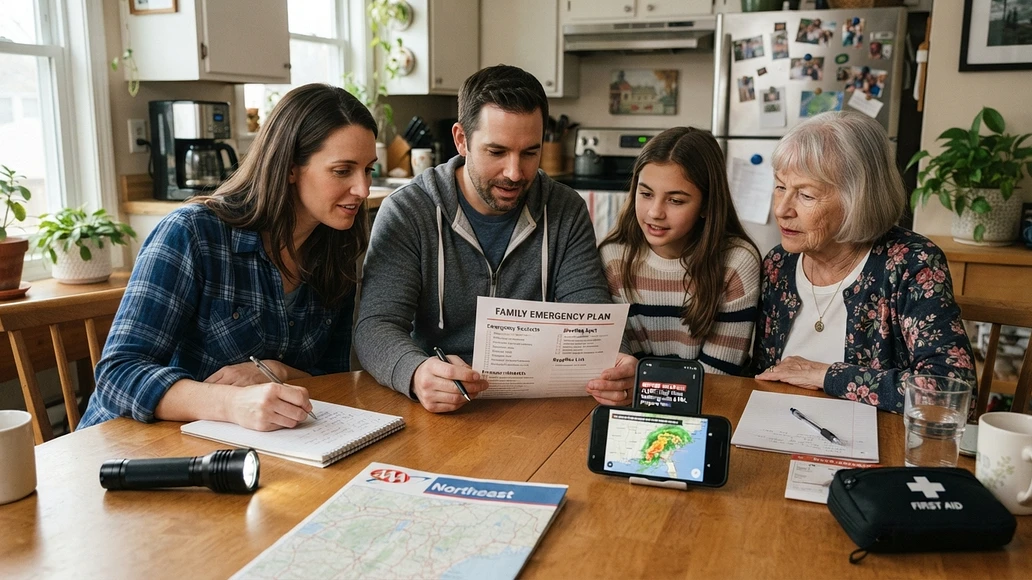
A family emergency plan reduces confusion when stress is high. It should be short enough to remember and specific enough to use. Start with three questions, how will we get alerts, where will we go, and how will we reconnect if separated?
Your plan should cover sheltering at home, evacuating quickly, and communicating if cell service is spotty. Include one nearby meeting place, one outside your neighborhood, and one out-of-area contact person everyone can text or call. If you commute, work odd hours, or have school-age children, build those routines into the plan.
Think through the places you spend time most often, home, work, school, car, and regular travel routes. A plan that only works in your living room is not enough.
What to include in a basic plan
- How you will receive alerts, such as local emergency notifications, weather apps, and phone alerts.
- Where you will shelter for storms, smoke, or short-term utility failures.
- Two evacuation routes from home and from your neighborhood.
- Meeting points if family members are separated.
- Emergency contacts on paper, not just in phones.
- Special instructions for pets, medications, mobility needs, and children.
Way 2, build an emergency kit you can actually use
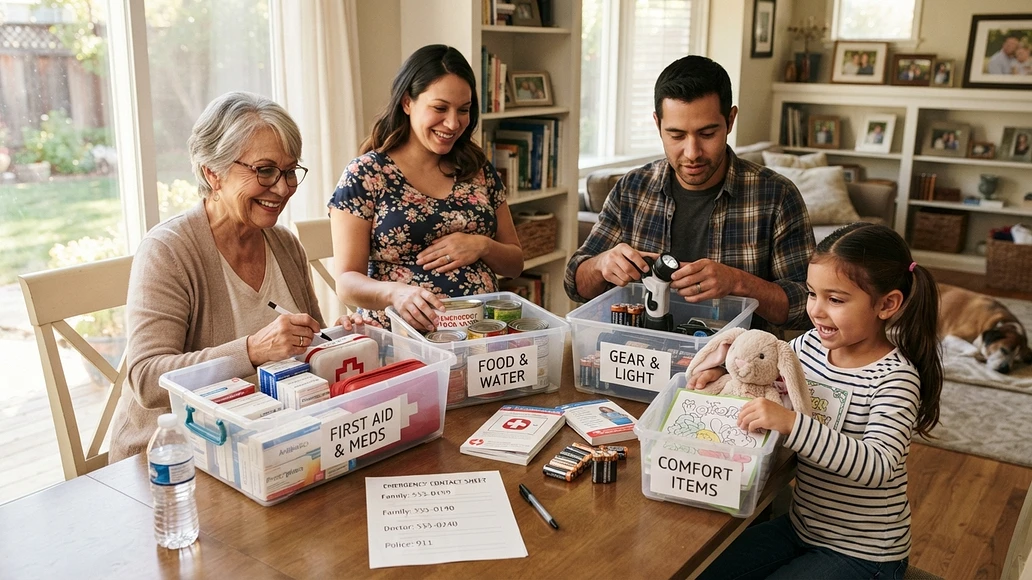
An emergency kit is helpful only if it matches your real life. Start with enough basics for at least 72 hours, then improve it over time. You do not need to buy everything at once. A practical kit usually includes water, shelf-stable food, medications, copies of important documents, chargers, a flashlight, batteries, hygiene items, and a basic first aid kit.
Keep one main home kit and a smaller grab-and-go version for your car or closet. If you have children, older adults, or anyone with a chronic condition in the household, customize the kit for them. Medical needs come first. For prescription planning, insulin storage, oxygen, pregnancy-related needs, or special feeding supplies, talk with a doctor or pharmacist.
| Item | Why it matters | Low-cost option | Special notes |
|---|---|---|---|
| Water | Hydration and basic sanitation | Store tap water in clean containers if appropriate for your area | Increase supply for heat, illness, infants, and pets |
| Food | Maintains energy during disruptions | Use normal shelf-stable foods you already eat | Consider allergies, baby formula, and easy-open packaging |
| Medications | Prevents dangerous interruptions | Ask about refill timing and backup plans | Keep a current medication list and dosing instructions |
| Documents | Speeds recovery after evacuation or loss | Paper copies in a waterproof bag | Include ID, insurance, contacts, and medical information |
| Lighting and power | Helps during outages and evacuation | Flashlights and charged power banks | Avoid unsafe indoor fuel use |
| First aid supplies | Supports minor injury care | Start with a small store-bought kit | Seek professional care for serious injuries |
Way 3, make your home harder to hurt you
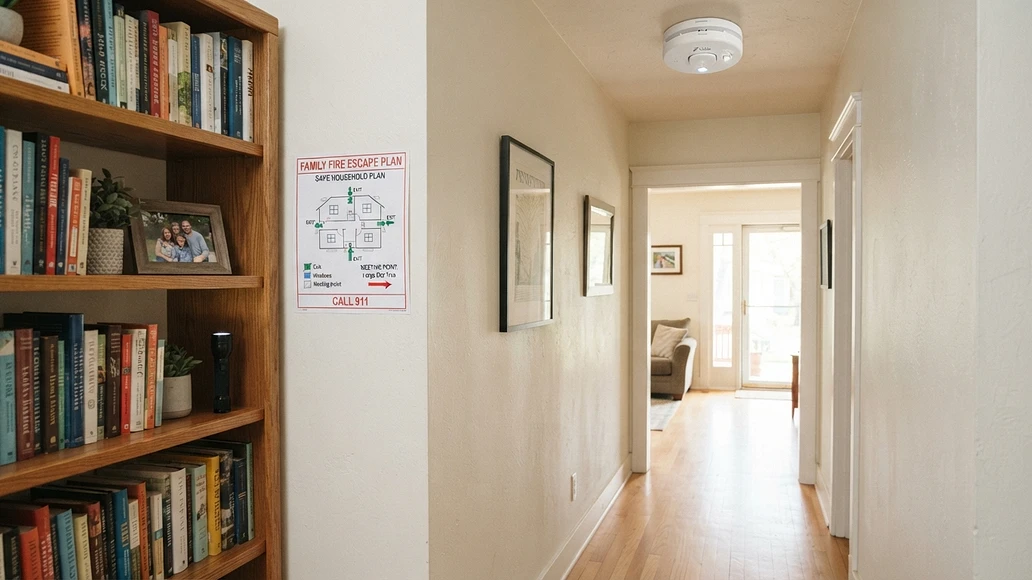
Many injuries happen at home, not in extreme scenarios. Smoke alarms, carbon monoxide alarms, safe heating practices, and clear exits do more to protect most families than expensive gear. Test alarms regularly, replace batteries as needed, and practice getting out of the house quickly.
Look for common hazards such as overloaded outlets, blocked exits, loose rugs, unstable furniture, and clutter near heaters. If you have children, anchor furniture and televisions. If you have older adults in the home, focus on fall prevention, lighting, handrails, and medication organization.
| Home safety task | Time estimate | How often | Why it matters |
|---|---|---|---|
| Test smoke and CO alarms | 10 minutes | Monthly | Early warning saves time to escape |
| Review fire escape routes | 15 minutes | Twice a year | Reduces confusion during a fire |
| Check cords, outlets, and heaters | 20 minutes | Seasonally | Lowers electrical and heating fire risk |
| Secure heavy furniture | 30 to 90 minutes | Once, then recheck after moves | Prevents tip-over injuries |
| Reduce trip hazards | 20 minutes | Monthly | Helps prevent falls |
| Review first aid and medication storage | 20 minutes | Every 3 to 6 months | Keeps supplies usable and accessible |
Way 4, protect your health with basic prevention habits
Health protection is a major part of personal safety. Current public health guidance emphasizes simple habits that reduce the spread of respiratory viruses and other common illnesses. Wash hands regularly, improve indoor air when possible, stay home when sick, and use extra precautions after illness if you still have symptoms. In crowded or high-risk settings, some people may choose added layers such as masking or testing.
Cleaner air matters more than many people realize. Opening windows when conditions allow, using kitchen and bathroom exhaust fans, and running a portable air cleaner can help reduce indoor pollutants and infectious particles.
Vaccination is also a form of self-protection, especially for preventable diseases that can lead to severe illness. Because this is a medical topic, the safest approach is individualized advice. Talk with your doctor, pharmacist, or clinic about which vaccines and preventive care are appropriate for your age, pregnancy status, travel, and health conditions.
If you have asthma, heart disease, diabetes, immune system concerns, or another chronic condition, include health planning in your preparedness routine. Keep an updated medication list, refill information, and clinician contacts in your kit.
Way 5, stay safer when you are out and about
Situational awareness is not about being paranoid. It is about noticing enough to make better choices early. Before you go out, know your route, parking plan, and backup options. Share your plans with someone you trust if you are meeting a stranger, traveling alone, or returning late.
When something feels off, create distance sooner rather than later. Move toward well-lit, populated areas. Leave if a place becomes tense or chaotic. Keep your phone charged, avoid distractions when walking, and trust your judgment if a situation starts to escalate.
Self-defense training can be useful when it emphasizes avoidance, boundary setting, escape, and legal awareness. Laws on self-defense tools and use of force vary by state and locality. If you are considering any tool or class, check local laws and seek qualified instruction. Avoid relying on gear you have not practiced with, because false confidence can make a bad situation worse.
Way 6, protect yourself from scams, fraud, and bad information
During emergencies, misinformation spreads fast. So do scams. One of the best ways to protect yourself is to slow down before acting on alarming claims, urgent money requests, or dramatic social media posts. Verify with official sources first, especially local emergency management, Ready.gov, FEMA, CDC, the National Weather Service, and your state or county agencies.
For fraud prevention, use simple habits. Do not click links in unexpected texts or emails. Do not give personal information to callers who pressure you. Use strong passwords and multifactor authentication when available. If a message claims to be from a bank, utility, or government office, contact that organization directly using a number from its official website.
Bad information can be dangerous even when it is not a scam. In a storm, wildfire, disease outbreak, or civil disruption, unverified claims can send people to the wrong place, cause panic buying, or delay medical care. Cross-check before you share.
Way 7, protect your mental health and build resilience
Preparedness should make you calmer, not more consumed. A little planning reduces stress. Constant doom-scrolling increases it. Good resilience habits include sleep, routines, movement, connection with other people, and limiting how often you check upsetting news.
If emergency planning starts to trigger intrusive worry, insomnia, panic, or hopelessness, step back and talk with a licensed mental health professional. This is especially important after a disaster, violent incident, or prolonged caregiving stress. Emotional resilience is part of safety, not separate from it.
A useful rule is this, prepare in scheduled blocks, then return to normal life. For example, spend one hour this weekend updating contacts, then stop. Next week, test alarms. Small, repeatable actions work better than all-day anxiety.
Adapting these steps for kids, older adults, and special health needs
Households are not one-size-fits-all. Children benefit from simple drills, familiar language, and comfort items in emergency kits. Older adults may need larger-print contact sheets, mobility planning, backup power for medical devices, and extra attention to fall prevention. People with disabilities may need transportation planning, accessible shelter information, or communication supports.
Pregnant people and those with chronic illnesses should be especially careful about heat, cold, dehydration, medication interruptions, and evacuation strain. Build plans with clinicians when needed. Keep copies of prescriptions, allergies, and key medical history available in case you need urgent care away from home.
Recent changes in health and safety guidance worth noting
In the last two years, public health guidance has continued to shift toward a broader respiratory virus approach. Instead of focusing on one illness alone, recommendations now emphasize staying home when sick, cleaner indoor air, hand hygiene, and extra precautions after illness when symptoms continue. This makes personal protection simpler and more practical for daily life.
Emergency management guidance has also stayed consistent on the basics, local alerts, evacuation planning, communication, and community readiness. In other words, the fundamentals still matter most.
Common mistakes that leave people less protected
| Mistake | Why it causes problems | Better approach |
|---|---|---|
| Buying lots of gear without a plan | Creates a false sense of readiness | Make a plan first, then fill gaps with useful supplies |
| Focusing only on rare threats | Ignores common risks like fire, illness, and falls | Prioritize likely hazards in your area and household |
| Relying on one information source | Raises the chance of acting on misinformation | Verify with official agencies and cross-check reports |
| Skipping drills and maintenance | Plans fail when people have never practiced them | Review routes, alarms, and supplies on a schedule |
| Ignoring special household needs | Leaves vulnerable people without support | Customize plans for age, health, disability, and pets |
Your practical protection checklist
If you want to make progress this week, do these seven things in order. Write down emergency contacts, sign up for local alerts, test your smoke alarms, gather three days of basic supplies, review medications, choose a family meeting place, and verify the official sources you will trust in a crisis. Then put a reminder on your calendar to revisit the plan every six months.
| Situation type | Reasonable self-care step | When to seek professional help |
|---|---|---|
| Minor cuts, scrapes, or small burns | Use basic first aid and monitor closely | Deep wounds, uncontrolled bleeding, signs of infection, or severe burns |
| Respiratory illness symptoms | Rest, fluids, hygiene, cleaner air, reduce contact with others | Trouble breathing, chest pain, confusion, dehydration, or worsening chronic illness |
| High stress after an emergency | Rest, routines, social support, limit distressing media | Persistent insomnia, panic, hopelessness, or inability to function |
| Threatening or stalking behavior | Document incidents and prioritize immediate safety | Contact law enforcement and specialized support services promptly |
FAQ
How often should I update my emergency plan and kit?
Review both at least every six months, and anytime your household changes. Moves, new medications, a new baby, a divorce, a new school, or a new job can all affect your plan.
What are the most important protections if I live on a tight budget?
Start with free or low-cost steps, sign up for alerts, write down contacts, test alarms, clear exits, store a little extra water and food you already use, and gather copies of important documents. Planning beats shopping.
How can I talk to my kids about emergencies without scaring them?
Keep it simple and calm. Practice what to do like a routine, not a threat. Use short drills, show them meeting places, and let them help pack a comfort item for the kit.
What official websites and apps should I trust for emergency alerts?
Start with local emergency management, the National Weather Service, Ready.gov, FEMA, CDC, and your state or county public health department. Local alerts are often the most immediately useful.
Do I really need special protection steps if I have a chronic health condition?
Yes. Medication continuity, backup supplies, clinician contacts, and evacuation planning matter more when health needs are ongoing. Ask your doctor or pharmacist how to prepare safely for disruptions.