A Practical Guide to Venomous Snakes in America, Range, Risks, and Bite Response
Learn the four native venomous snake groups in the United States, where they are most often found, how to avoid risky misidentification, and what to do immediately after a suspected bite.

People often search for the most venomous snakes found in the United States when what they really need is something more useful, which snakes are actually native here, where they are likely to be encountered, how to avoid a dangerous mistake, and what to do if someone is bitten. That practical approach matters because venom potency is only one part of the risk. Bite location, venom yield, the size and health of the victim, how quickly care is reached, and whether the snake injected much venom all affect the outcome.
This guide focuses on the four native venomous snake groups commonly recognized in the United States, rattlesnakes, copperheads, cottonmouths, and coral snakes. It also covers broad regional range, common identification errors, home and outdoor prevention, and emergency first aid. This is safety information, not a substitute for medical care. Any suspected venomous snakebite should be treated as an emergency.
What “most venomous” really means
The phrase sounds simple, but it can be misleading. A snake can have highly potent venom yet cause fewer serious injuries if it rarely bites people, lives in a limited range, or delivers a small amount of venom. Another species may be involved in more medical emergencies because it is widespread, harder to notice, or more likely to be encountered around homes, trails, farms, or job sites.
For that reason, it is better to think in terms of exposure risk and medical significance instead of trying to crown one snake as the single worst in every situation. In the United States, most medically important bites involve pit vipers, which include rattlesnakes, copperheads, and cottonmouths. Coral snakes are less commonly involved, but their bites can still be serious and require urgent evaluation.
The four native venomous snake groups in the United States
| Group | Broad traits | Typical habitat | Main medical concern |
|---|---|---|---|
| Rattlesnakes | Heavy-bodied pit vipers, many have a rattle, variable color and pattern | Deserts, grasslands, rocky slopes, scrub, forests, canyons | Pain, swelling, tissue injury, bleeding problems, systemic illness |
| Copperheads | Pit vipers with tan to copper tones and hourglass-like bands | Wood edges, leaf litter, rocky areas, suburban greenbelts, brush piles | Pain and swelling, usually less severe than many rattlesnake bites but still an emergency |
| Cottonmouths | Heavy-bodied pit vipers, also called water moccasins | Wetlands, swamps, ponds, ditches, stream edges, nearby dry ground | Pain, swelling, tissue injury, systemic symptoms |
| Coral snakes | Small to medium elapids with ringed coloration in native species | Sandy soils, pine flatwoods, scrub, woodland edges, hidden cover | Neurotoxic effects, weakness, drooping eyelids, breathing problems, sometimes subtle early wound findings |
Pit vipers versus coral snakes
Most native venomous snakes in the United States are pit vipers. Rattlesnakes, copperheads, and cottonmouths fall into that group. Coral snakes are different. They are elapids, not pit vipers, and their venom acts differently.
| Feature | Pit vipers | Coral snakes |
|---|---|---|
| US groups included | Rattlesnakes, copperheads, cottonmouths | Coral snakes |
| Common venom effects | Pain, swelling, bruising, tissue damage, bleeding abnormalities | Neurologic symptoms, weakness, drooping eyelids, trouble speaking or breathing |
| Visible local injury | Often obvious, but not always | Can be mild early, which may falsely reassure the victim |
| Identification caution | Color and pattern vary widely by species and age | Do not rely on color rhymes alone |
One important safety point is that wound appearance does not reliably tell you how dangerous a bite is. Fang marks may be hard to see, and a small-looking bite can still become a medical emergency.
Rattlesnakes, the most widespread venomous group
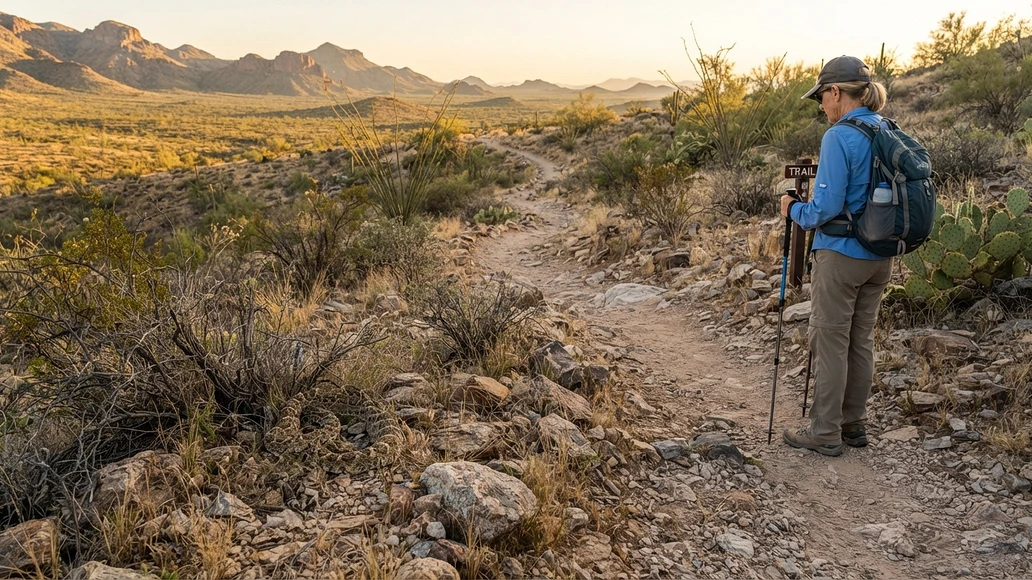
Rattlesnakes are the venomous snakes many Americans are most likely to recognize, but they are not all the same. Species vary in size, color, habitat, and behavior. Some live in arid desert country, while others occupy forests, prairies, or rocky hillsides. They are especially important in the West, Southwest, parts of the South, and some Great Plains areas.
Many rattlesnakes have a visible rattle, but you should not depend on hearing one before noticing the snake. A rattlesnake may remain still, may not rattle, or may be partly hidden under brush, rocks, boards, or tall grass. Their bites can cause severe pain, rapid swelling, bruising, blistering, bleeding problems, weakness, nausea, and shock.
Because rattlesnakes are widespread and often encountered during hiking, ranch work, landscaping, and recreation, they account for many of the most medically significant snakebite emergencies in the country.
Copperheads, common, well camouflaged, and often misidentified
Copperheads are responsible for many bites in the eastern and central United States because they blend in extremely well with leaves, mulch, logs, and low vegetation. Their pattern is often described as hourglass-shaped bands across the body, but lighting, mud, shedding, and regional variation can make field identification tricky.
Juvenile copperheads can be especially confusing because they may have a brighter tail tip and stronger contrast than adults. People sometimes mistake them for harmless young snakes, which is one reason children and gardeners are at risk. Copperheads are often found near wood lines, rock piles, overgrown edges, old boards, and suburban yards that back up to natural cover.
Many copperhead bites are less severe than major rattlesnake envenomations, but that should not lead to complacency. Significant pain and swelling can occur, and every suspected venomous bite needs prompt medical evaluation.
Cottonmouths, the water moccasins
Cottonmouth is the proper common name, and water moccasin is another common name for the same snake. Cottonmouths live mainly in the Southeast and are strongly associated with water, but they are not limited to being in the water itself. They may rest on banks, logs, trails near wetlands, drainage areas, pond edges, and even dry ground close to aquatic habitat.
A common error is assuming any snake near water is a cottonmouth. Many harmless water snakes are killed or harassed because of that mistake. Cottonmouths are usually heavy-bodied and can appear dark overall, but harmless species can also look dark, thick, or defensive. The safest rule is simple, do not handle any unidentified snake, especially around water or low visibility vegetation.
Cottonmouth bites can cause serious local tissue injury and systemic illness. If a bite occurs, treat it as an emergency even if the person initially seems stable.
Coral snakes, less often seen, still medically important
Coral snakes have a more limited range than pit vipers, with native populations in parts of the Southeast and South, including areas of Florida and the Gulf Coast, plus parts of the Southwest for western species. They are often secretive, spending time under cover or in loose soil, leaf litter, or debris.
People sometimes rely on color rhymes to identify coral snakes, but that is not a dependable safety method across all regions, look-alikes, lighting conditions, or nonnative species kept in captivity. A better rule is not to touch any banded snake you cannot identify with certainty from a safe distance.
Coral snake bites may produce less dramatic early swelling than pit viper bites, but they can still become life-threatening because of neurotoxic effects. Drooping eyelids, slurred speech, trouble swallowing, muscle weakness, and breathing difficulty are major warning signs.
Where venomous snakes are found by region
| Region | Venomous groups commonly encountered | General pattern |
|---|---|---|
| Southeast | Rattlesnakes, copperheads, cottonmouths, coral snakes in some areas | Highest diversity in many states, with wetlands, forests, farms, and suburban edge habitat all contributing to encounters |
| Southwest | Rattlesnakes are especially prominent, coral snakes in some areas | Desert, scrub, rocky terrain, canyons, and warm-season recreation increase exposure |
| Great Plains | Rattlesnakes in many areas, copperheads in some eastern portions | Prairie, ranchland, rocky outcrops, and field work create encounter risk |
| Midwest | Copperheads in some states, rattlesnakes in selected areas | Range is patchier, but bites still occur around bluffs, woods, and brushy edges |
| Northeast | Primarily limited rattlesnake and copperhead range in select areas | Lower diversity than the South, but local populations still matter for hikers and rural homeowners |
Exact range depends on species and state. Local wildlife agencies are the best source for county-level information. Range maps are helpful, but they do not replace caution. Snakes can be encountered outside the places people expect, especially near cover, water, rock, debris, or rodent activity.
How to identify a snake safely, without getting closer
The goal is not perfect species identification in the field. The goal is avoiding a bite. If you see a snake, stop, back away slowly, and give it space. If it is necessary to describe it for medical or wildlife purposes, note a few broad features from a safe distance.
| Useful detail | Why it helps | Safety rule |
|---|---|---|
| Location and habitat | Wetland, rocky slope, leaf litter, desert wash, shed, woodpile | Observe from where you already are, do not move closer |
| Body shape and size | Heavy-bodied versus slender, approximate length | Do not try to estimate by stepping near it |
| Pattern and color blocks | Bands, blotches, solid dark, ringed pattern | Lighting can distort color, so avoid overconfidence |
| Head and tail behavior | Rattle, defensive posture, tail movement | Never provoke the snake to make it display |
| Photo from a distance | May help experts or clinicians | Only if it can be done without approaching, trapping, or delaying care |
Do not attempt to catch, kill, pin, or transport a snake for identification. Many bites happen during exactly those actions.
What venom can do to the body
Pit viper venom often causes local pain, swelling, bruising, tissue injury, and sometimes bleeding or clotting problems. People may also develop nausea, vomiting, weakness, sweating, low blood pressure, or faintness. Coral snake venom is more associated with neurologic effects, though early symptoms may be subtle.
Symptoms can worsen over time. A person who looks fairly well in the first few minutes can deteriorate later. That is why waiting to see what happens is risky. The absence of dramatic fang marks or immediate collapse does not rule out serious envenomation.
What to do immediately after a suspected bite
If a bite just happened, move away from the snake first. Do not try to identify it up close. Call 911 right away, or have someone call while the victim stays as still as possible. Keep the person calm and limit walking or use of the affected limb. Remove rings, watches, bracelets, and tight clothing near the bite before swelling increases.
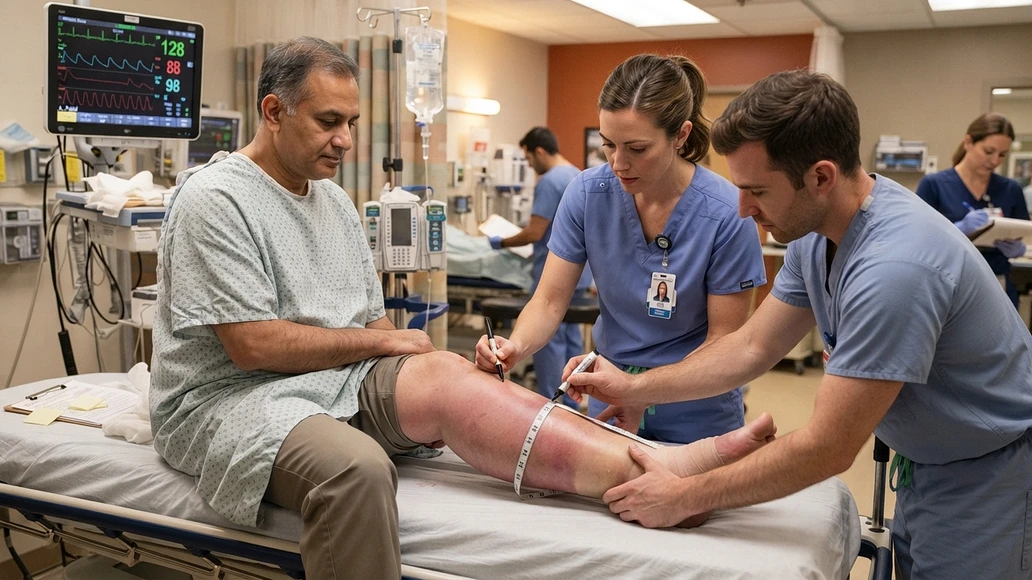
If practical, gently wash the area with soap and water and cover it with a clean, dry dressing. Keep the affected area below heart level if that can be done comfortably and without delaying transport. If swelling starts, mark the edge of the swelling and note the time. That information can help clinicians track progression.
If a photo can be taken from a safe distance without approaching the snake or delaying care, it may be useful. Otherwise skip it. The priority is emergency evaluation, not identification.
| Step | What to do | Why it matters |
|---|---|---|
| 1 | Move away from the snake | Prevents a second bite |
| 2 | Call 911 | Suspected venomous bites need urgent medical care |
| 3 | Keep the person calm and still | Reduces unnecessary movement and supports safe transport |
| 4 | Remove rings, watches, and tight items | Swelling can make them dangerous or impossible to remove later |
| 5 | Wash and cover the wound if practical | Basic wound care without delaying transport |
| 6 | Mark swelling and record time | Helps clinicians assess progression |
| 7 | Arrange rapid transport to emergency care | Definitive evaluation and treatment happen at the hospital |
What not to do after a snakebite
Old snakebite myths are still common, and some are dangerous. First aid does not neutralize venom. It only supports the victim until medical care is reached.
| Do not do this | Why it is unsafe or unhelpful |
|---|---|
| Cut the wound | Causes more tissue injury and does not remove meaningful venom |
| Suck out venom | Not effective and can damage tissue or expose the rescuer |
| Apply ice | Can worsen tissue injury |
| Use a tourniquet | Can reduce blood flow and increase harm |
| Immerse the limb | Delays care and does not treat envenomation |
| Apply electricity | Dangerous and ineffective |
| Rely on a suction kit | Not established as meaningful treatment |
| Try to catch or kill the snake | Creates a high risk of another bite |
| Walk out alone if avoidable | Symptoms can worsen during self-evacuation |
When symptoms require immediate escalation
Any suspected venomous bite deserves emergency care, but certain signs are especially urgent. Rapidly increasing pain or swelling, bruising, blistering, bleeding, discoloration, vomiting, weakness, confusion, faintness, drooping eyelids, double vision, slurred speech, trouble swallowing, muscle weakness, or difficulty breathing all require immediate escalation.
Bites to the face, neck, torso, hand, or foot are especially concerning. Children, older adults, pregnant people, and anyone with a bleeding disorder, major chronic illness, or medications that affect bleeding may face higher risk and should be evaluated without delay.
How hospitals evaluate and treat envenomation
In the emergency department, clinicians look at the wound, track swelling, assess pain and neurologic status, monitor breathing and circulation, and may order blood tests depending on the suspected species and symptoms. Not every bite injects venom, and not every envenomation is treated the same way.
Antivenom is the definitive hospital treatment for clinically significant envenomation, but the decision to use it belongs to the treating team. It depends on symptoms, progression, examination findings, and laboratory results. Observation may be needed even when early symptoms seem limited.
Prevention for hikers, campers, gardeners, and outdoor workers
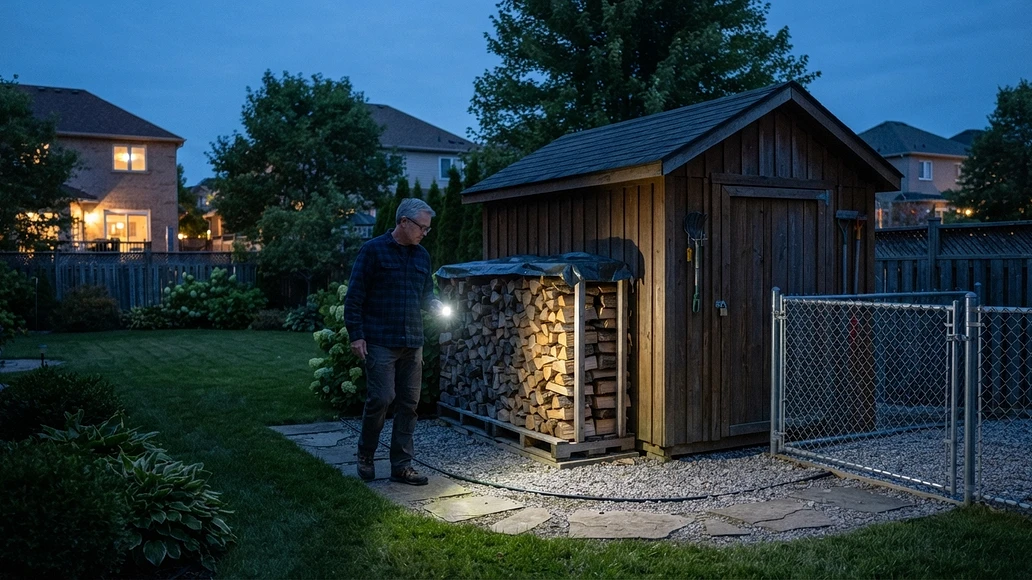
Most bites are preventable. Watch where you place your hands and feet. Step onto logs and rocks carefully, then look down on the far side before stepping off. Do not reach into brush, holes, crevices, woodpiles, or under tarps without checking first. Use a flashlight at night, even around camp or in your own yard.
Footwear matters. Sturdy boots and long pants do not make you snakeproof, but they can reduce minor contact injuries and encourage more careful movement. Children should be taught not to touch any snake, alive or dead. Pets should be kept leashed on trails in snake habitat and supervised in yards with brush or water features.
| Setting | Practical prevention step | Why it helps |
|---|---|---|
| Hiking | Stay on the trail and watch foot placement | Reduces surprise encounters in cover |
| Camping | Use lights at night and keep sleeping areas clear | Improves visibility around gear and paths |
| Gardening | Move pots, boards, and mulch carefully with tools first | Snakes may shelter in cool, hidden spots |
| Outdoor work | Wear boots, gloves when appropriate, and inspect work areas | Reduces hand and foot exposure |
| Children outdoors | Teach a no-touch rule for all snakes | Prevents risky curiosity and misidentification |
Home and yard practices that reduce encounters
Snakes are often drawn to places that offer food, cover, and stable temperatures. That means rodent activity, clutter, dense ground cover, stacked lumber, junk piles, and poorly managed pet food can all increase the odds of a yard encounter. The goal is not to sterilize the landscape, but to reduce hiding places close to doors, walkways, play areas, and work zones.
| Area | Risk factor | Safer practice |
|---|---|---|
| Woodpiles and lumber stacks | Cool, protected shelter and rodent habitat | Store neatly off the ground and away from main traffic areas |
| Brush and tall grass | Conceals snakes and prey | Trim back around paths, foundations, and play spaces |
| Sheds and garages | Dark hiding spots, clutter, entry gaps | Reduce clutter, seal obvious gaps, use caution when reaching in |
| Pet areas | Food attracts rodents, water attracts wildlife | Clean feeding areas and supervise pets outdoors |
| Night movement | Low visibility around steps and landscaping | Use outdoor lighting and carry a flashlight |
A preparedness checklist for remote recreation
Snake country is easier to manage when you plan before the trip. The most important preparations are communication, route awareness, and realistic evacuation options.
| Preparedness item | What to confirm before leaving | Why it matters |
|---|---|---|
| Location planning | Know the region, habitat, and nearest road access | Speeds rescue and reduces confusion in an emergency |
| Communication | Check cell coverage, backup communication, and who knows your route | 911 access may be limited in remote areas |
| Footwear and clothing | Wear sturdy boots and practical trail clothing | Supports safer movement through brush and rocks |
| Lighting | Carry a flashlight or headlamp with spare batteries | Many encounters happen in low light |
| First-aid supplies | Bring dressings, marker, water, and basic wound-care items | Useful for supportive care while awaiting transport |
| Emergency contacts | Save 911 access details and Poison Help, 1-800-222-1222 | Fast guidance matters when symptoms change |
Special risk groups
Children can deteriorate faster because of smaller body size. Older adults may have more complicated recovery because of chronic illness or medications. Pregnancy adds another layer of urgency because both the pregnant person and fetus may be affected. People taking anticoagulants, or those with bleeding disorders, heart disease, kidney disease, or major allergies, should not try to self-manage a bite.
Pets also need immediate veterinary care after a suspected venomous bite. Do not apply home remedies to animals, and do not delay transport while trying to identify the snake.
Bottom line
The United States has four main native venomous snake groups, rattlesnakes, copperheads, cottonmouths, and coral snakes. Trying to rank them in a simple top-ten style list is less useful than understanding where they live, how people get bitten, and how to respond correctly. Most serious mistakes happen when someone gets too close, tries to handle a snake, or delays medical care because the bite does not look dramatic at first.
If you remember only one thing, remember this. A suspected venomous snakebite is an emergency. Move away, call 911, keep the person calm and still, remove constricting items, gently wash and cover the wound if practical, and get rapid medical care. Do not cut, suck, ice, shock, or tourniquet the bite, and do not try to catch the snake.