The Truth About Ballistic Wall Panels for Homes
Many people search for bulletproof drywall, but what exists in the real world is usually a tested wall system, not magical gypsum board. Here is why these products are rarely sold in home centers, how ratings work, and what upgrades often make more sense first.

People often search for “bulletproof drywall” as if there were a standard sheet of gypsum board that could simply replace ordinary wallboard. In practice, that is not how the industry works. What is usually being described is a bullet resistant wall assembly, often made with fiberglass, aramid, steel, or other ballistic materials installed behind a normal finished wall. That distinction matters, because performance depends on the whole assembly, not just one layer.
It also explains why you rarely see these products stacked next to regular drywall at a home improvement store. Ballistic wall systems are niche, expensive, heavy, code-sensitive, and usually specified for a defined threat level. For most households, they are not a casual retail purchase. They are a specialized security product that needs careful planning.
This article explains what these systems really are, how ratings work, why consumer retail is uncommon, and what practical alternatives may improve safety more for the average home.
What people mean when they say “bulletproof drywall”
The phrase is mostly a shortcut, not a precise product category. Ordinary drywall is brittle and is not considered bullet resistant. When people use the term, they are usually referring to one of these setups:
- A ballistic fiberglass or composite panel installed behind standard drywall
- A reinforced wall assembly using steel or other protective layers
- A secure room or protected partition designed and tested to a known ballistic standard
Another important point is that “bulletproof” is not a technical promise. The more accurate term is bullet resistant. A wall may resist a specific caliber, ammunition type, velocity, and shot pattern under a test standard, but that does not mean it will stop every projectile under every condition.
How bullet resistant wall systems actually work
Instead of relying on gypsum alone, ballistic wall systems use materials that absorb, spread, deform, or trap the energy of a projectile. Depending on the design, the protective layer may be rigid fiberglass, aramid-based composite, steel, or a multi-layer assembly.
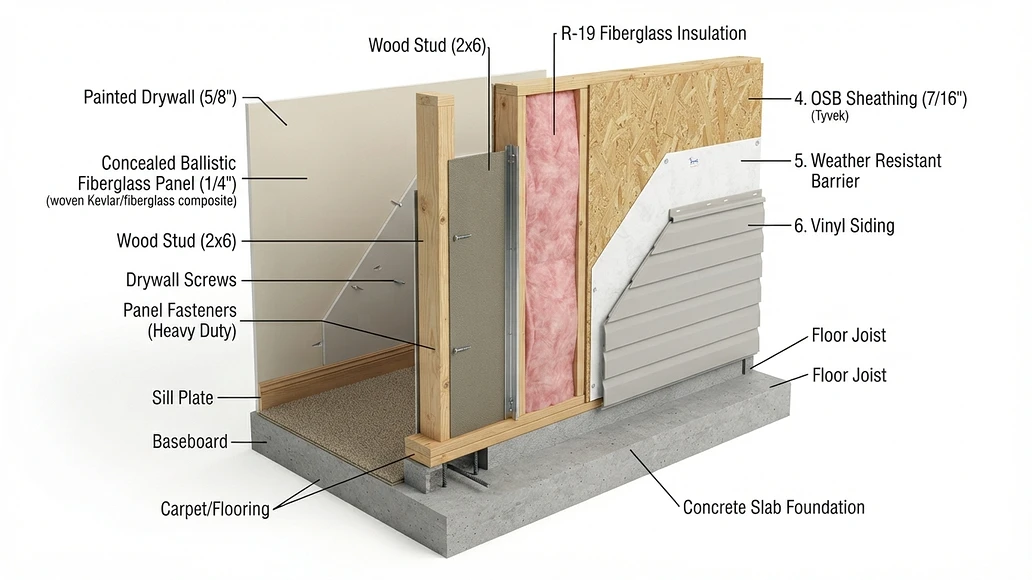
In a common concealed setup, the ballistic panel is fastened to framing and then covered with conventional drywall so the room still looks normal. The finished wall can resemble any other interior wall, but the protective performance comes from the hidden panel and the tested installation details.
That last part is critical. Fasteners, seams, framing, penetrations, and finish layers all affect performance. A panel with a published rating does not automatically make every wall bullet resistant if it is cut, joined, or installed incorrectly.
Why the wall assembly matters more than the label
Consumers naturally want a simple answer, such as “buy this sheet and your wall is protected.” Real ballistic design is more complicated. A tested assembly may include stud spacing, overlap requirements at seams, approved fasteners, backing materials, and rules for electrical boxes, doors, glazing, and adjacent weak points.
That is why “bulletproof drywall” is often a marketing misnomer. The drywall is usually just the finish surface. The ballistic function comes from the concealed protective layer and the way the whole system is built.
For homeowners, this means a product page alone is not enough. You need to know whether the published rating applies to the panel by itself, a complete wall assembly, or a broader system that includes framing and finishing details.
Understanding the main standards, UL 752 and NIJ 0108.01
Two standards come up often in this space. UL 752 is the one most people will see for architectural barriers such as walls, doors, transaction windows, and partitions. NIJ 0108.01 is a ballistic resistance standard for protective materials that is often discussed alongside UL, but it is not as building-specific for architectural assemblies.
For a homeowner or builder, UL 752 is usually the more relevant starting point when discussing wall systems.
| Standard | Primary use | Where it is commonly applied | Why it matters to buyers |
|---|---|---|---|
| UL 752 | Bullet resisting equipment for buildings and barriers | Walls, doors, glazing, counters, secure vestibules, partitions | Most relevant standard for architectural products and building security discussions |
| NIJ 0108.01 | Ballistic resistant protective materials | Protective materials and some security products | Useful for understanding threat resistance, but less directly tied to building assemblies than UL 752 |
When a supplier mentions a level, ask exactly which standard is being used and whether the rating applies to the panel, the full assembly, or both. That question alone can prevent expensive misunderstandings.
A simple way to think about ratings
A rating is not a general statement that a wall is safe. It is a test result against a defined threat. The test specifies the ammunition, velocity, number of shots, and acceptance criteria. If your concern is handgun fire, the level you need may be very different from a design intended for rifle threats. Higher levels usually mean thicker, heavier, and more expensive assemblies.
| Example rating concept | What it tells you | What it does not tell you |
|---|---|---|
| UL 752 Level designation | The tested threat category for that product or assembly | That it will stop every firearm or every shot angle |
| NIJ material rating | The tested resistance of a protective material under NIJ criteria | That a finished wall built from mixed components will perform the same way |
| Marketing term such as bulletproof | Very little by itself | Any reliable technical performance without supporting documentation |
Why home centers rarely stock these products
There is no single reason. Several practical barriers push bullet resistant wall systems out of normal retail channels.
Niche demand
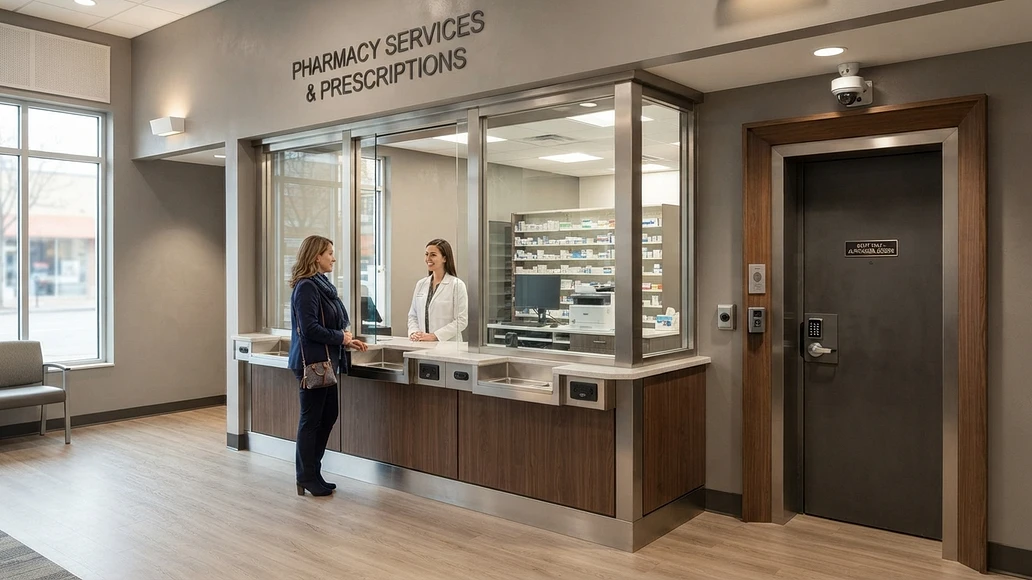
Most homeowners are not building ballistic partitions. The main buyers are institutions, commercial facilities, schools, pharmacies, government spaces, cash-handling rooms, and specialized residential projects. That kind of demand is too narrow for many big-box stores.
High cost per sheet
Standard drywall is cheap, familiar, and easy to move. Ballistic panels are a specialty product with much higher manufacturing and shipping costs. Even when sold in standard sheet sizes, the price difference is large enough that most consumer retailers do not want to dedicate floor space to slow-moving inventory.
Weight and handling issues
Many bullet resistant panels are substantially heavier than ordinary drywall. That affects freight, storage, jobsite handling, and installation labor. Some projects may also need framing review or reinforcement depending on the system and location.
Liability and specification concerns
A store can sell regular drywall with relatively simple expectations. A ballistic product carries much more risk if a buyer misunderstands the rating, installs it incorrectly, or assumes protection that the product was never tested to provide. That makes these products a poor fit for casual retail sales.
Code and fire-rating complications
Walls still need to satisfy local code requirements. Fire resistance, structural behavior, penetrations, electrical work, and inspection issues do not disappear just because a wall includes ballistic material. Specialty suppliers and installers are better positioned to handle those details than a general home center aisle.
Where bullet resistant walls are commonly used
These systems are real and commercially available. They are just sold into markets where the need is defined and the installation can be controlled. Common examples include secure school vestibules, government offices, law enforcement facilities, pharmacies, banks, cash rooms, and critical infrastructure spaces.
In those settings, the wall is usually one part of a broader security plan that may also include controlled entry, reinforced doors, rated glazing, surveillance, communication systems, and emergency procedures.
Does a ballistic wall make sense in a home?
Sometimes, but not as often as internet headlines suggest. A realistic residential use case is usually a limited hardened area, not an entire bullet resistant house. Examples might include a safe room, a protected bedroom area, or a small shelter space integrated into a remodel.
Even then, the decision should be based on a documented threat assessment, not fear alone. If the concern is burglary, forced entry, or civil disorder, stronger doors, better locks, exterior lighting, communication plans, and layered security may provide more everyday value than expensive ballistic wall panels.
If someone has a specific elevated risk, such as a public-facing business owner, a person with credible threats, or a property with unique exposure, a professionally designed hardened room may be reasonable. But that is a custom security project, not a simple drywall upgrade.
Upgrades that often matter more for everyday safety
For many households, the first dollars are better spent on entry resistance, visibility, and planning. Ballistic walls can reduce a narrow category of risk, but they do little for many of the incidents people are more likely to face, such as break-ins through weak doors, poor exterior lighting, or lack of a family emergency plan.
| Security measure | Typical cost tier | Installation complexity | Everyday safety value |
|---|---|---|---|
| Ballistic wall panels in a room or partition | High | High | Useful for specific threat scenarios, limited benefit for routine household security |
| Reinforced exterior doors, strike plates, hinges, and quality locks | Low to medium | Low to medium | Often high value because doors are common attack points |
| Improved exterior lighting and cameras | Low to medium | Low to medium | Helpful for awareness, deterrence, and documentation |
| Safer room layout and family emergency planning | Low | Low | Often high value because it improves response under stress |
| Rated doors and glazing for a hardened room | High | High | Can be valuable when paired with a professionally designed safe room concept |
This is not to dismiss ballistic products. It is simply practical prioritization. Most homes have more obvious vulnerabilities than the interior drywall.
Cost, weight, and installation realities
Bullet resistant panels are sold in multiple thicknesses and protection levels, often in sheet sizes similar to drywall. But the similarities end there. Costs are far higher, shipping is more difficult, and installation details matter much more.
Higher-rated products generally become thicker and heavier. That can affect labor, framing, anchorage, and how the wall interfaces with floors, ceilings, doors, and windows. A wall is only as strong as its weakest adjacent component, so protecting one section while leaving a hollow-core door or unprotected sidelight nearby may not achieve the intended result.
| Factor | Standard drywall | Bullet resistant wall panel system | Why the difference matters |
|---|---|---|---|
| Material cost | Low | High | Specialty materials and testing raise project cost quickly |
| Weight | Relatively manageable | Often much heavier | Handling, freight, and framing demands increase |
| Installation tolerance | Forgiving for routine work | Much less forgiving | Seams, fasteners, and penetrations can affect performance |
| Code review | Routine | Potentially complex | Fire rating, structural issues, and inspections may need special attention |
| Retail availability | Common | Limited | Most products move through specialty distributors and installers |
Fire ratings, code compliance, and inspection issues
This is one of the biggest reasons these products are not a simple DIY shelf item. A wall may need to satisfy fire-resistance requirements, maintain structural integrity, preserve required egress, and accommodate electrical and mechanical systems correctly. Some ballistic products are used in assemblies with fire-tested characteristics, but that does not mean every field-built combination is automatically compliant.
If you alter a fire-rated wall, a structural wall, or a wall with wiring and life-safety systems, mistakes can create serious hazards unrelated to ballistics. That is why local building officials, licensed contractors, architects, or engineers may need to be involved, especially for larger projects or occupied commercial spaces.
Common myths that lead people astray
Myth 1, thick equals bullet resistant
Heavy or thick materials do not automatically provide predictable ballistic performance. Without testing to a recognized standard, assumptions are risky.
Myth 2, one panel solves the whole problem
A protected wall section does not help much if the door, glazing, seams, or surrounding construction remain weak. Security works as a system.
Myth 3, DIY layering is close enough
Improvised assemblies can fail in ways that are not obvious. They may also create fire, structural, or liability problems. This is not a good area for guesswork.
Myth 4, a bullet resistant wall makes a home safe
No single product can make that promise. Good security is layered and includes planning, communication, entry hardening, and realistic expectations.
How to plan responsibly if you are considering a hardened room
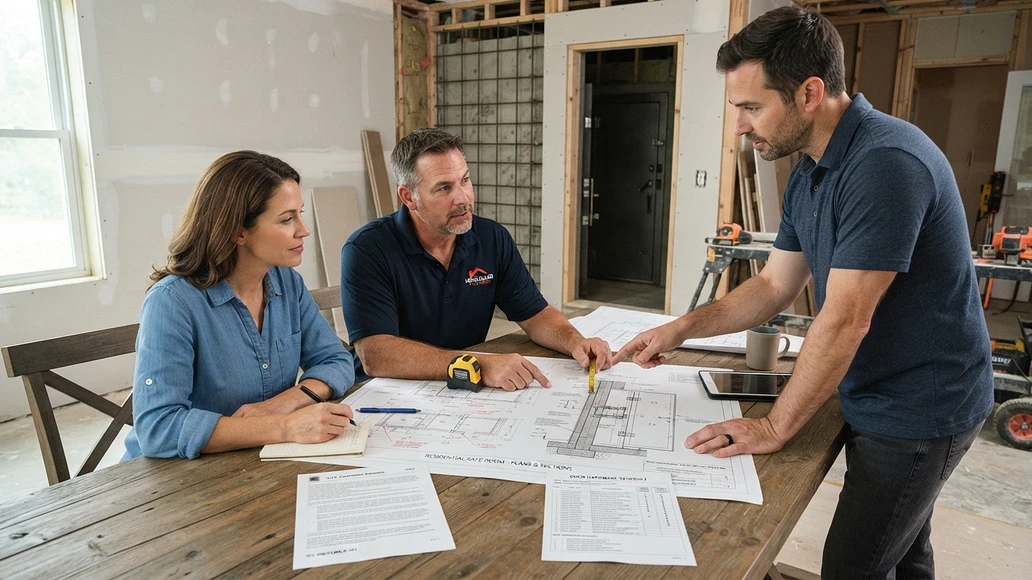
If you are seriously considering ballistic protection, start with the threat, not the product. Define what risk you are trying to reduce. Is the concern opportunistic crime, a specific credible threat, or a need for a temporary refuge while waiting for law enforcement? The answer affects the level, layout, and budget.
Then evaluate the room as a complete system. Walls alone are not enough. Doors, frames, locks, glazing, communication, ventilation, and emergency access all matter. So do code issues, especially if the room could trap occupants or interfere with egress.
For most people, professional design help is the safest route. That may include a security consultant, architect, engineer, or contractor familiar with ballistic assemblies and local code requirements.
Questions to ask suppliers and installers
| Question | Why it matters |
|---|---|
| What standard is this rated to, UL 752 or NIJ 0108.01? | You need to know what test basis supports the claim |
| Is the published rating for the panel alone or the full wall assembly? | Assembly details can change real-world performance |
| What threat level was tested? | Handgun and rifle threats are not the same design problem |
| Are there fire-rating or code documents for this assembly? | Life safety and inspection issues still apply |
| What framing, fasteners, and seam treatments are required? | Incorrect installation can compromise the system |
| How are outlets, switches, and penetrations handled? | Openings are common weak points |
| Who should install it? | Many products are best handled by trained installers |
| What documentation should I keep? | Ratings, drawings, and installation records matter for future work and liability |
When professional help is the right call
You should strongly consider professional involvement if the project includes a safe room, structural changes, fire-rated assemblies, public-facing commercial space, or any claim of specific ballistic protection. This is especially true if children, employees, tenants, or customers could rely on that protection.
| Task | DIY suitability | Recommended professional |
|---|---|---|
| Basic home security review | Often suitable for homeowner research | Security consultant if risk is elevated |
| Selecting a ballistic panel level | Limited suitability | Security specialist or knowledgeable supplier |
| Designing a hardened room | Not ideal for DIY | Architect, engineer, security consultant |
| Modifying structural or fire-rated walls | Poor DIY fit | Licensed contractor, engineer, code officials |
| Commercial or school installation | Not suitable for DIY | Professional design and installation team |
FAQ
Can regular drywall ever stop a bullet?
Regular drywall is not considered a reliable bullet resistant material. It may slow fragments or reduce energy in some situations, but it should not be treated as protective cover.
Is there any true bulletproof drywall product I can buy for my house?
Not in the literal sense. What you can buy are specialty bullet resistant panels or wall systems, usually through commercial suppliers. They are typically installed behind ordinary drywall and selected for a specific tested threat level.
What UL 752 level is enough for most realistic handgun threats?
That depends on the threat being assessed, and the answer should come from a qualified supplier or security professional. In general, buyers should match the rating to a documented risk rather than guessing. Higher levels increase cost, weight, and installation demands.
Do bullet resistant walls make a home safer than stronger doors and locks?
Not necessarily. For many homes, reinforced doors, better locks, improved lighting, cameras, and a practiced emergency plan provide more practical day-to-day benefit. Ballistic walls are more specialized and usually make the most sense in a limited hardened area, not as a first upgrade.
How much more expensive are bullet resistant wall panels than standard drywall?
They are typically far more expensive than standard drywall, both in material cost and installation cost. Shipping, labor, framing considerations, and code review can all add substantially to the total project price.
Bottom line
“Bulletproof drywall” is rarely sold because it is not really a normal drywall product. It is usually a specialty bullet resistant wall system that must be matched to a threat level, installed correctly, and integrated with code-compliant construction. That makes it a poor fit for casual retail shelves.
For the average homeowner, the smartest path is usually to harden the basics first, doors, locks, lighting, communication, and emergency planning. If you still have a credible reason to consider ballistic protection, think in terms of a professionally designed hardened space, not a magical sheet of drywall.
References
- The Impulse for Bullet Proof Drywall | Impact Security
- Ballistic Gypsum Board Assemblies: Code Compliance Guide
- Ballistic Protection Standards for Buildings | ISCoA
- UL 752 Explained: The Complete Guide to the Bullet Resisting Equipment Standard
- Difference between UL 752 and NIJ standards | Armortex
- NIJ Testing Standards | Insulgard