Armored Vehicle Pricing in Plain English, What a Safer Ride Really Costs
Thinking about an armored car? Here is a realistic US cost breakdown for bullet resistant upgrades, protection levels, legal issues, hidden ownership costs, and lower cost alternatives worth considering first.

For most civilians, a so called bulletproof car is not a casual upgrade. It is a specialized security purchase with serious cost, safety, legal, and maintenance implications. As of the mid 2020s, professional armoring in the US often starts in the tens of thousands of dollars, and full high end builds can climb far beyond that once you include the base vehicle, engineering, and optional systems.
This guide explains what buyers are actually paying for, how protection levels change the price, what ownership looks like after the install, and why many people are better served by lower cost security measures. This is general information only, not legal advice or a DIY guide. If you are considering armoring, talk with a reputable armoring company, your insurer, and your state DMV or a local attorney before spending money.
What armoring a car really means
The term bulletproof is common, but bullet resistant is more accurate. No vehicle can promise unlimited protection against every caliber, angle, repeated strike, explosive threat, or mechanical failure. Real armoring is about matching a vehicle to a credible threat level.
A professionally armored vehicle may include ballistic glass, opaque armor panels in the doors and body, overlap protection around seams, reinforced pillars, protected fuel system components, run flat tire systems, and suspension and brake upgrades to handle the extra weight. Some builds also add floor or roof protection, depending on the risk profile.
That matters because the price is not just for thicker windows. You are paying for materials, labor, disassembly and reassembly, engineering, testing, and the mechanical changes needed to keep the vehicle safe to drive after hundreds or even thousands of pounds are added.
How much armored vehicle work costs in the US
For a realistic starting point, many professional retrofit packages fall roughly between $30,000 and $100,000+. Higher protection levels, larger SUVs, and premium brands can push the armoring package much higher. If you buy a complete factory armored luxury vehicle, the total can easily reach $150,000 to $300,000+, and some flagship models land far above that.
The biggest pricing variables are the protection level, the size of the vehicle, how much of the vehicle is armored, the type of glass used, and whether the chassis needs major supporting upgrades.
Typical retrofit ranges by protection level
| Protection level | Typical threat stopped | Added weight estimate | Approximate retrofit range for sedan | Approximate retrofit range for SUV |
|---|---|---|---|---|
| B4 or similar handgun focused level | Common handgun threats, depending on exact standard and build | About 800 to 1,200 pounds | $30,000 to $55,000 | $40,000 to $70,000 |
| B6 or similar rifle resistant level | Higher threat protection, commonly associated with rifle resistance in professional builds | About 1,200 to 1,800 pounds | $55,000 to $95,000 | $70,000 to $120,000 |
| B7 or similar higher rifle level | More demanding rifle threat protection, depending on certification and design | About 1,600 to 2,200 pounds or more | $85,000 to $140,000+ | $100,000 to $180,000+ |
These are broad market ranges, not quotes. A discreet luxury sedan with custom interior work can cost more than a simpler SUV, and some specialty builds exceed these numbers quickly.
Total cost when you include the base vehicle
One common source of confusion is the difference between armoring cost and total vehicle cost. If you already own a suitable vehicle, you may only be paying for the retrofit. If you are buying a new vehicle specifically for armoring, your total budget must include the purchase price, transport, taxes, registration, and any warranty changes.
| Scenario | What is included | Typical total budget range |
|---|---|---|
| Basic handgun resistant retrofit on an existing mid size sedan | Armoring package, some mechanical upgrades, no new vehicle purchase | $30,000 to $55,000 |
| Rifle resistant retrofit on an existing full size SUV | Higher grade armor, heavier glass, suspension and brake work, run flats | $70,000 to $120,000+ |
| New luxury sedan purchased and then armored | Base vehicle plus retrofit and related costs | $150,000 to $300,000+ |
| Factory armored flagship luxury model | Vehicle engineered and sold as armored from the manufacturer or specialist builder | $300,000 to $900,000+ depending on model |
Protection standards, simplified
Buyers should not accept vague claims like military grade or fully bulletproof. Ask what standard the vehicle or materials were tested to. Common references include NIJ, UL 752, EN 1063, VPAM, and the familiar B level shorthand used in the armored vehicle market.
The exact test method matters, but for shopping purposes, the practical question is simple. What threat is the vehicle designed and documented to stop?
| Common label | General use in the market | Typical threat category | Cost effect | Weight effect |
|---|---|---|---|---|
| B4 | Entry level professional vehicle armoring | Handgun focused protection | Lowest of the common full vehicle packages | Noticeable, but usually the easiest to package |
| B6 | Common executive protection level | Rifle resistant protection in many builds | Significantly higher than B4 | Requires more serious chassis support |
| B7 | Higher threat armoring | More demanding rifle threat protection | Highest among common civilian packages | Can heavily affect handling, braking, and wear |
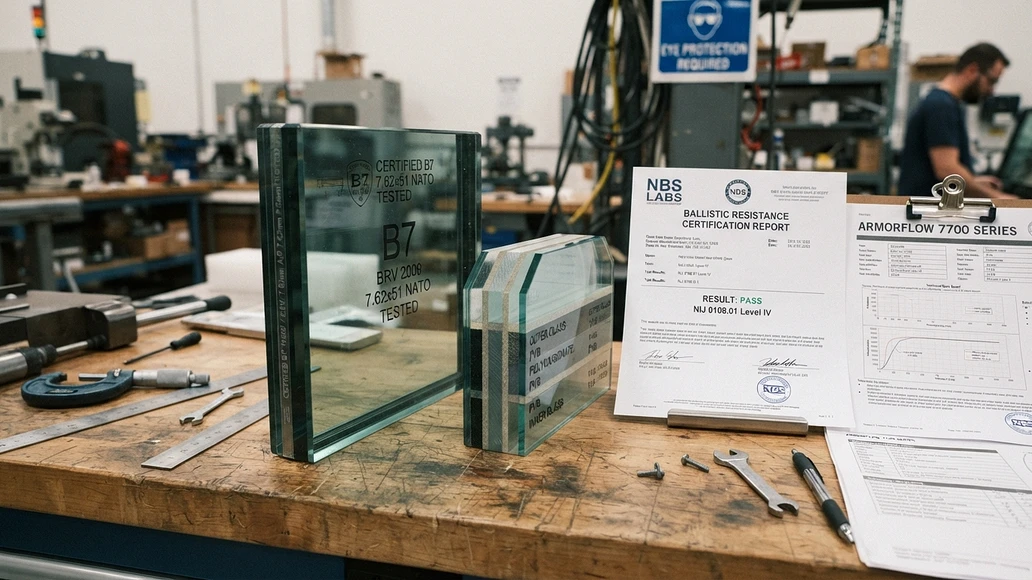
Do not assume one label means the same thing across every seller. Ask for the actual certification, the test standard, and whether the complete system or only individual materials were tested.
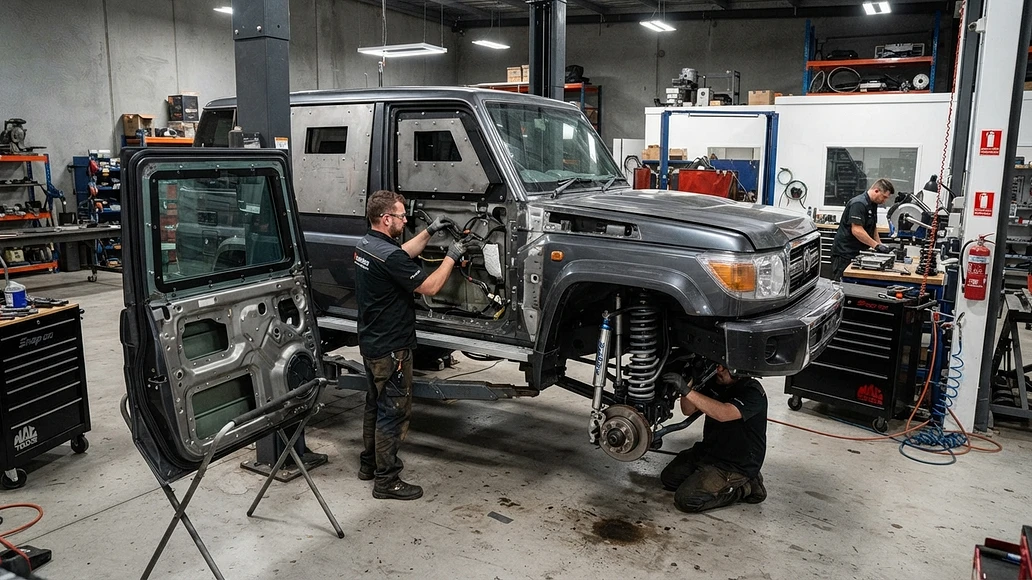
Where the money goes
Most of the budget is consumed by glass, armor materials, labor, and the supporting upgrades needed to keep the vehicle roadworthy.
Component level cost breakdown
| Component | Typical price range | What affects the price | Performance impact |
|---|---|---|---|
| Ballistic glass package | $10,000 to $50,000+ | Protection level, window size, windshield complexity, curvature | Adds major weight high on the vehicle, can slow window operation or require fixed windows |
| Body armor panels | $15,000 to $50,000+ | Coverage area, steel versus composite materials, overlap design | Adds substantial mass to doors, pillars, roofline, and body structure |
| Structural reinforcement | $5,000 to $20,000+ | Vehicle platform, fabrication complexity, load distribution needs | Helps maintain crashworthiness and door function under extra weight |
| Run flat systems or specialized tires | $3,000 to $10,000+ | Wheel size, tire type, insert design | Improves mobility after tire damage, can increase ride harshness and replacement cost |
| Suspension and brake upgrades | $5,000 to $20,000+ | Added weight, axle load, intended driving conditions | Critical for safe braking, handling, and tire life |
| Optional electronics and security extras | $2,000 to $25,000+ | Tracking, sirens, intercoms, fire suppression, emergency systems | Varies by system, may add maintenance complexity |
Glass often surprises buyers. It is expensive because it is thick, heavy, optically demanding, and difficult to fit correctly. A poor windshield installation can create visibility problems, leaks, or safety issues long before ballistic performance is ever tested.
Retrofit versus factory armored vehicles
Retrofitting an existing vehicle can be cheaper up front, especially if you already own a compatible SUV or sedan. Factory armored vehicles usually cost more, but they may offer better integration, more complete engineering, and stronger warranty support.
| Factor | Retrofit | Factory armored |
|---|---|---|
| Upfront cost | Usually lower if you already own the vehicle | Usually higher because the base vehicle and armoring are bundled |
| Engineering integration | Depends heavily on the armoring company | Often more cohesive and purpose built |
| Warranty | May affect original vehicle warranty, armorer warranty varies | Often clearer, but still needs careful review |
| Lead time | Can be faster for common platforms, can also vary widely | May involve long order times for specialty models |
| Resale | More variable, buyer pool can be narrow | May hold value better in niche markets, but still limited |
| Discretion | Can be very discreet if done well | Also discreet, depending on model and builder |
A retrofit makes the most sense when the platform is common, structurally suitable, and supported by an experienced armorer. A factory armored model makes more sense when the buyer wants a complete engineered package and is willing to pay for it.
Who actually needs this, and who probably does not
Most people do not need an armored vehicle. The cost is high, the driving compromises are real, and the ownership burden is ongoing. Armoring is most rational when there is a documented threat profile, frequent travel in elevated risk areas, or a professional security requirement.
Examples of people who may have a legitimate case include executives with specific threats, public figures, security contractors, or travelers who regularly move through areas with elevated carjacking or armed attack risk. Even then, the vehicle should be part of a broader security plan, not the entire plan.
For many households, the money may go further if spent on driver training, route planning, secure parking, communications, home hardening, or occasional armored transport rental for specific trips.
How armoring changes the way a vehicle drives
Armor and glass can add roughly 800 to 2,200 pounds, sometimes more. That extra mass affects acceleration, braking distance, tire wear, suspension life, and fuel economy. It can also change how doors open and close, how the vehicle reacts in emergency maneuvers, and how it behaves in a crash.
This is one of the biggest safety issues in the entire category. If a builder adds heavy materials without properly upgrading brakes, springs, dampers, and load handling components, the vehicle may become less safe than stock. That is why bargain armoring is risky.
| Vehicle change | What owners usually notice | Why it matters |
|---|---|---|
| More weight | Slower acceleration, heavier steering feel, more body motion | Changes emergency handling and stopping behavior |
| Longer braking distances | More pedal effort or earlier brake fade under load | Requires proper brake upgrades and conservative driving |
| Lower fuel economy | More frequent fill ups | Raises ongoing operating cost |
| Higher tire and suspension wear | Shorter service life for wear items | Increases maintenance budget |
| Expensive glass replacement | Very high replacement cost if damaged | A single repair can be a major bill |
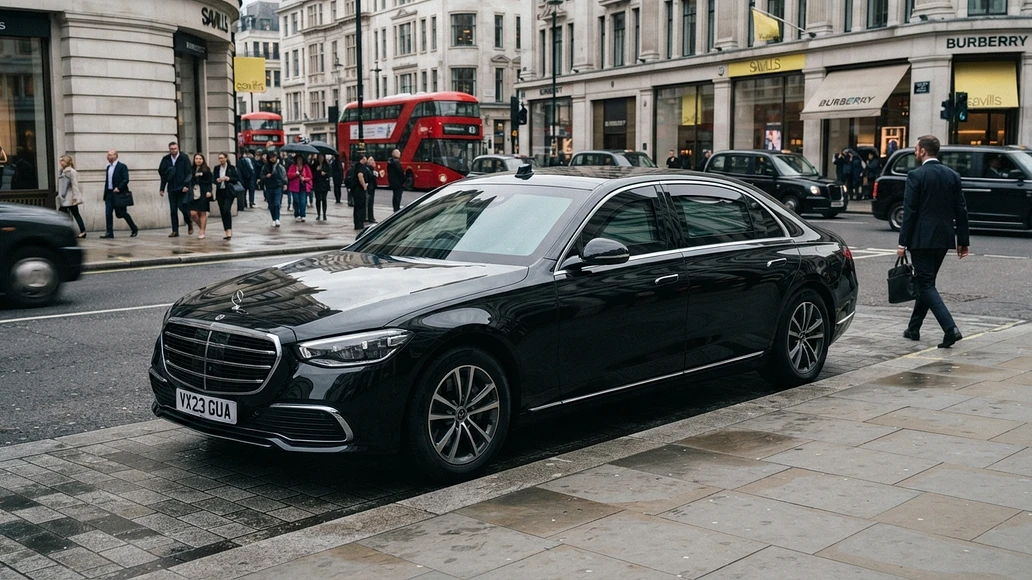
Legal and insurance considerations in the US
There is no blanket federal ban on civilians owning armored vehicles or ballistic glass in the US. That said, legality is not the same as simple compliance. State and local rules can affect window tint, inspections, registration, weight ratings, and documentation requirements.
Before commissioning work, confirm the following with your state DMV and insurer:
- Whether the modified vehicle still complies with state equipment and inspection rules.
- Whether the glass and tint combination remains legal for road use.
- Whether the added weight affects registration class, axle limits, or safety inspection requirements.
- Whether your insurer will cover the modifications and how they want them documented.
Insurance pricing is not well standardized in public sources, so treat any exact premium claim with caution. What is clear is that you should disclose the modifications. Failing to do so can create claim problems later.
How to vet an armoring company
The safest purchase is usually the one with the clearest paperwork. A reputable builder should be able to explain the protection level, show test documentation, describe the mechanical upgrades, and spell out warranty and service support.
| Question to ask | Why it matters | What a good answer looks like |
|---|---|---|
| What ballistic standard was used? | Prevents vague marketing claims | Specific standard named, with test reports or certification details |
| Was the complete vehicle system tested, or only materials? | System integration matters as much as raw material strength | Clear explanation of whole vehicle or component testing |
| How much weight is added? | Weight drives safety and wear | Estimated curb weight increase and axle load impact provided |
| What suspension and brake upgrades are included? | Critical for safe operation | Specific parts or engineering changes listed |
| What warranty applies to armor and glass? | Repairs can be costly | Written terms, exclusions, and service process explained |
| Can you provide maintenance guidance and replacement part support? | Ownership continues after delivery | Documented service intervals and parts support plan |
Red flags include prices far below market norms, refusal to discuss standards, no written documentation, unrealistic lifetime promises, and no explanation of how the added weight is managed.
Alternatives if full armoring is out of reach
There is a wide gap between doing nothing and buying a full armored SUV. Depending on the threat, partial solutions may be more practical.
| Alternative | Best use case | Cost direction | Main limitation |
|---|---|---|---|
| Partial armoring, such as glass only or cabin cell only | Specific threat concerns with limited budget | Lower than full vehicle armoring, but still substantial | Protection gaps remain |
| Armored vehicle rental | Short term travel in higher risk areas | Much lower than ownership for occasional use | Not practical for daily life |
| Professional driver training | Reducing accident and avoidance risk | Low compared with armoring | Does not stop ballistic threats |
| Route planning and secure parking | Urban security and carjacking avoidance | Low | Relies on habits and environment |
| Communications and tracking upgrades | Emergency response and accountability | Low to moderate | Supportive measure, not physical protection |
For many readers, these options provide a better risk to cost balance than full armoring.
DIY bulletproofing myths and why they are risky
Homebrew solutions are not a substitute for professional armoring. Adding random steel, homemade panels, or heavy glass without engineering review can overload doors, damage hinges, compromise crash safety, and create dangerous blind spots. It can also affect insurance coverage and legal compliance.
This article is not a how to guide for modifying a vehicle at home. If you believe you face a real threat, get a professional assessment first. Improvised changes can create false confidence, which is one of the worst outcomes in any personal safety decision.
What to budget after the install
The purchase price is only the beginning. Armored vehicles usually cost more to run and maintain than their standard counterparts.
| Ongoing cost area | Why it increases | Budget impact |
|---|---|---|
| Fuel | Extra weight increases consumption | Moderate ongoing increase |
| Tires | Higher loads and specialized systems wear faster and cost more | Moderate to high |
| Brakes and suspension | Heavier vehicle stresses wear components | Moderate to high |
| Glass repair or replacement | Ballistic glass is specialized and expensive | Potentially very high |
| Insurance coordination | Modified vehicle may need special documentation | Variable |
| Resale friction | Niche buyer pool and documentation needs | Can reduce liquidity and sale speed |
If you are stretching to afford the install, ownership may become uncomfortable later. A realistic budget should include several years of higher operating costs.
Recent trends buyers should know
The market has been moving toward lighter composite materials, more discreet builds, and higher prices. Demand from civilian and executive buyers has helped keep pricing elevated. At the top end, factory armored luxury sedans and SUVs can now reach price points that would have seemed extreme a decade ago.
That does not mean every buyer needs the newest or highest rated package. In fact, overbuying can be wasteful if the threat is low and the vehicle becomes harder to drive safely. The right answer is the smallest credible package that matches the real risk.
Bottom line
If you want a simple answer, professionally armoring a car in the US usually means spending at least tens of thousands of dollars, with many practical builds landing between $30,000 and $100,000+. Once you move into rifle resistant packages, large SUVs, or luxury platforms, the total can rise fast.
The smartest way to approach the decision is not to ask, “How cheap can I do this?” Ask, “What threat am I actually trying to solve, and what level of protection is documented to address it safely?” For many people, the honest answer will point to training, planning, and occasional armored transport rather than full time ownership.