20 Survival Films That Spark Smarter Preparedness
A practical watch list of 20 survival movies, grouped by scenario, with realism labels, content notes, and one safe preparedness takeaway from each.

Survival movies are fun because they compress fear, problem-solving, and human behavior into a few intense hours. They can also prompt useful questions. Would you know where your family would meet after an evacuation? Do you carry backup navigation on a hike? Could you stay warm during a winter power outage? This guide uses 20 memorable films as a starting point for safer, more realistic preparedness thinking.
Important safety note: These films are entertainment, not instruction. This article offers general preparedness education, not medical advice, wilderness certification, or a substitute for official emergency orders. For serious injury, severe bleeding, breathing trouble, chest pain, altered mental status, suspected poisoning, heat illness, or hypothermia, call 911 or your local emergency service. Follow evacuation alerts, do not drink untreated water, do not use generators indoors, and do not attempt movie-style medical procedures.
What counts as a survival movie here
Not every survival story is the same. To make the lessons more useful, this list includes several types of scenarios: wilderness survival, maritime survival, aviation incidents, natural disasters, pandemics, post-collapse fiction, and psychological endurance under isolation or confinement. Some films are grounded in real-world limits. Others are speculative or heightened for drama. Both can still teach something, as long as you separate cinematic tension from safe action.
How realism is judged
| Label | What it means | How to use it |
|---|---|---|
| Realistic | Generally aligns with known environmental, medical, or emergency-planning principles | Look for planning, communication, exposure management, and decision-making lessons |
| Partly realistic | Mixes credible challenges with dramatized timelines or actions | Use the broad lesson, not the exact technique shown on screen |
| Speculative | Built around fictional technology, future collapse, or unlikely conditions | Focus on mindset, cooperation, and contingency planning |
| Primarily entertainment | Uses survival themes but stretches realism heavily | Treat it as a conversation starter, not a model |
What movies often get wrong about survival
| Movie myth | Safer real-world view |
|---|---|
| Clear water is safe to drink | Water should be treated, filtered, boiled, or handled according to authoritative guidance |
| Improvised medical care can replace professionals | First aid training helps, but serious injuries need emergency care |
| Traveling immediately is always best | Sometimes sheltering in place, signaling, or waiting for rescuers is safer |
| A lone hero solves everything | Communication, planning, and cooperation usually improve outcomes |
| Fire solves cold, food, morale, and rescue all at once | Fire can help, but exposure protection, dry clothing, shelter, and safe fuel use matter just as much |
| Foraging is easy if you are desperate | Eating unidentified plants or animals can be dangerous or fatal |
Scenario map, what these films can help you think about
| Scenario | Examples in this list | Preparedness angle |
|---|---|---|
| Cold exposure | The Grey, Alive, Arctic | Insulation, shelter, signaling, staying dry |
| Heat and dehydration | 127 Hours, Cast Away | Water planning, route sharing, turn-around decisions |
| Storms and maritime emergencies | All Is Lost, Adrift, The Perfect Storm | Weather awareness, flotation, distress signaling |
| Isolation and navigation failure | Into the Wild, Jungle, The Revenant | Trip plans, maps, backup tools, risk limits |
| Household or community disaster | The Impossible, Greenland, Contagion | Evacuation, family contacts, medication planning |
| Long-duration disruption | The Road, Children of Men, I Am Legend | Security, sanitation, mutual aid, mental resilience |
20 films, and the safest lesson to take from each
1. Cast Away, 2000
Type: Isolation survival. Realism: Partly realistic. Content note: loneliness, injury, distress.
This classic focuses on isolation, routine, and adaptation after a catastrophic separation from normal life. The practical lesson is not how to copy every improvised trick. It is that morale and routine matter. In a prolonged disruption, simple structure helps people think more clearly.
Safe takeaway: Build a basic home outage routine now, including lighting, water, meals, phone charging, and check-in times.
Do not copy this: Do not assume improvised food, water, or medical choices shown in a film are safe without training or reliable information.
2. 127 Hours, 2010
Type: Wilderness entrapment. Realism: Realistic. Content note: graphic injury, intense distress.
The strongest lesson here is prevention. Solo travel in remote terrain without leaving a detailed plan can turn a manageable accident into a life-threatening emergency. A route shared with a trusted contact, plus a realistic return time, can matter more than any single tool.
Safe takeaway: Before a hike or canyon trip, share your route, destination, vehicle location, and expected return time with someone who will act if you do not check in.
Do not copy this: Do not attempt improvised surgery or delay rescue while trying extreme self-treatment.
3. The Martian, 2015
Type: Space survival. Realism: Speculative. Content note: isolation, peril.
Even though the setting is fictional for most readers, the preparedness value is real. Inventory, rationing, problem breakdown, and communication discipline are all useful habits during emergencies. The film rewards methodical thinking over panic.
Safe takeaway: Make a written inventory of your emergency food, water, batteries, medications, and backup power so you know what you actually have before a crisis.
Do not copy this: Do not improvise electrical, fuel, or pressure-related systems at home without proper expertise and safety controls.
4. Alive, 1993
Type: Aviation crash and cold exposure. Realism: Partly realistic. Content note: death, starvation, trauma.
This film highlights how quickly cold, injury, and isolation can overwhelm people after a crash or remote incident. The broad lesson is that exposure control and group organization are immediate priorities.
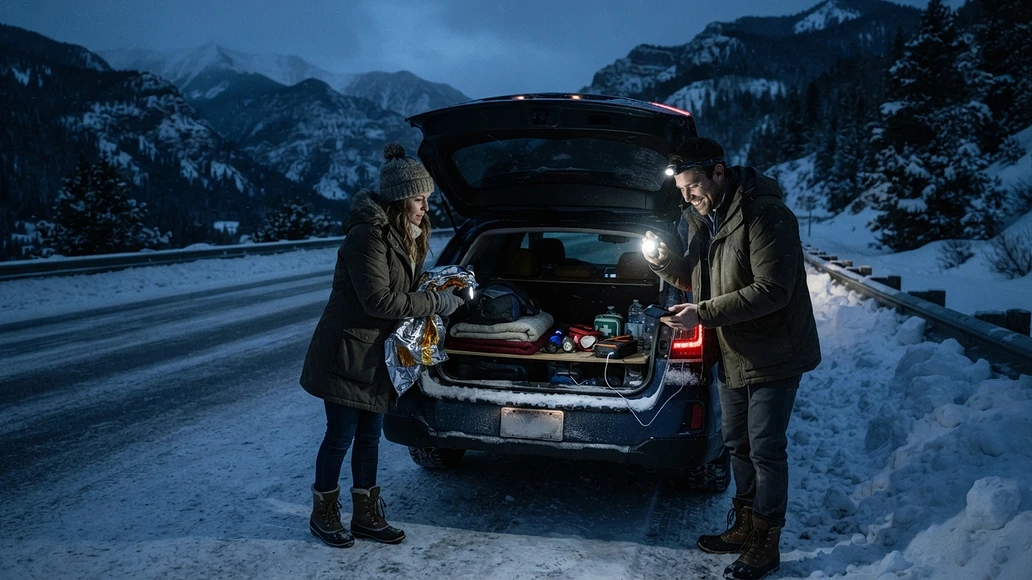
Safe takeaway: Keep cold-weather layers, blankets, water, and a charger in your vehicle during winter travel, and check weather before long drives.
Do not copy this: Do not use the film as guidance for food decisions in extreme conditions. Real emergencies require rescue efforts, signaling, and exposure management first.
5. The Grey, 2011
Type: Cold-weather survival thriller. Realism: Primarily entertainment. Content note: violence, animal threat, death.
The movie is intense and dramatic, but the practical lesson is simple. Cold kills quietly through exposure, poor decisions, and exhaustion. Staying dry, reducing wind exposure, and avoiding unnecessary movement can matter more than bravado.
Safe takeaway: Add hats, gloves, emergency blankets, and spare socks to your winter vehicle kit.
Do not copy this: Do not approach wildlife or treat animal confrontation scenes as field instruction.
6. All Is Lost, 2013
Type: Maritime survival. Realism: Partly realistic. Content note: isolation, peril.
This film is a strong reminder that small equipment failures at sea can escalate fast. Redundancy matters. So does signaling. On the water, communication and flotation are not optional extras.
Safe takeaway: If you boat, review life jacket use, weather checks, float plans, and distress signaling before the season starts.
Do not copy this: Do not rely on improvisation instead of proper marine safety gear and training.
7. Adrift, 2018
Type: Storm and maritime survival. Realism: Partly realistic. Content note: injury, storm trauma.
Storm survival stories underline a lesson many people ignore on land too. Weather windows matter. Delaying departure, changing plans, or turning back can be the smartest survival decision you make.
Safe takeaway: Get in the habit of checking marine, mountain, or highway weather before travel, not after you are committed.
Do not copy this: Do not assume determination can overcome severe weather once conditions have turned dangerous.
8. The Perfect Storm, 2000
Type: Maritime disaster. Realism: Partly realistic. Content note: peril, loss.
This is less a how-to film than a warning about risk stacking. Harsh weather, distance, fatigue, and equipment limitations can combine into a situation that no amount of grit can fix.
Safe takeaway: Respect forecast uncertainty and build larger safety margins into travel and work decisions when weather is unstable.
Do not copy this: Do not normalize pushing into worsening conditions because of schedule pressure or sunk costs.
9. The Revenant, 2015
Type: Frontier survival. Realism: Partly realistic. Content note: graphic violence, animal attack, harsh exposure.
The film is brutal, but one useful lesson stands out. Injury plus exposure is a dangerous combination. Warmth, bleeding control, and getting help matter more than dramatic endurance.
Safe takeaway: Take a recognized first-aid class and carry a practical kit suited to your trip, not a random assortment of gadgets.
Do not copy this: Do not imitate improvised wound care, animal encounters, or shelter methods without training.
10. Jungle, 2017
Type: Rainforest survival. Realism: Partly realistic. Content note: injury, infection risk, psychological stress.
Remote travel becomes much safer when route choice, local knowledge, and communication are taken seriously. Dense terrain can magnify small mistakes, especially when weather and water hazards are involved.
Safe takeaway: Carry navigation backups, such as a paper map and compass, and know how to use them before a remote trip.
Do not copy this: Do not drink untreated water or assume a river route is a safe shortcut.
11. Into the Wild, 2007
Type: Wilderness isolation. Realism: Partly realistic. Content note: starvation, isolation, death.
This film is often discussed as a warning about underestimating the outdoors. Romantic ideas about self-reliance can collapse quickly when maps, local conditions, river crossings, and food realities are ignored.
Safe takeaway: Research seasonal conditions, access points, and exit routes before any remote trip, and leave room to turn around early.
Do not copy this: Do not forage based on guesswork, photos, or movie scenes. Misidentification can poison you.
12. Arctic, 2018
Type: Cold-weather isolation. Realism: Partly realistic. Content note: injury, severe exposure.
Arctic survival stories emphasize energy conservation. In real cold emergencies, unnecessary movement, sweat, and wet clothing can worsen risk. The best decision is often the least dramatic one.
Safe takeaway: Learn the signs of hypothermia and keep dry insulating layers available during winter travel.
Do not copy this: Do not consume snow or ice as your main hydration strategy when safer options exist. Melt and treat water when possible.
13. The Impossible, 2012
Type: Tsunami disaster. Realism: Partly realistic. Content note: family separation, injury, disaster trauma.
This film is powerful because it shows how quickly families can be separated in a fast-moving disaster. Communication planning matters long before the event itself.
Safe takeaway: Create a family emergency contact plan with an out-of-area contact, meeting points, and written phone numbers.
Do not copy this: Do not re-enter unstable areas or flood zones without official clearance.
14. Greenland, 2020
Type: Evacuation and infrastructure disruption. Realism: Speculative. Content note: panic, family peril, crowd stress.
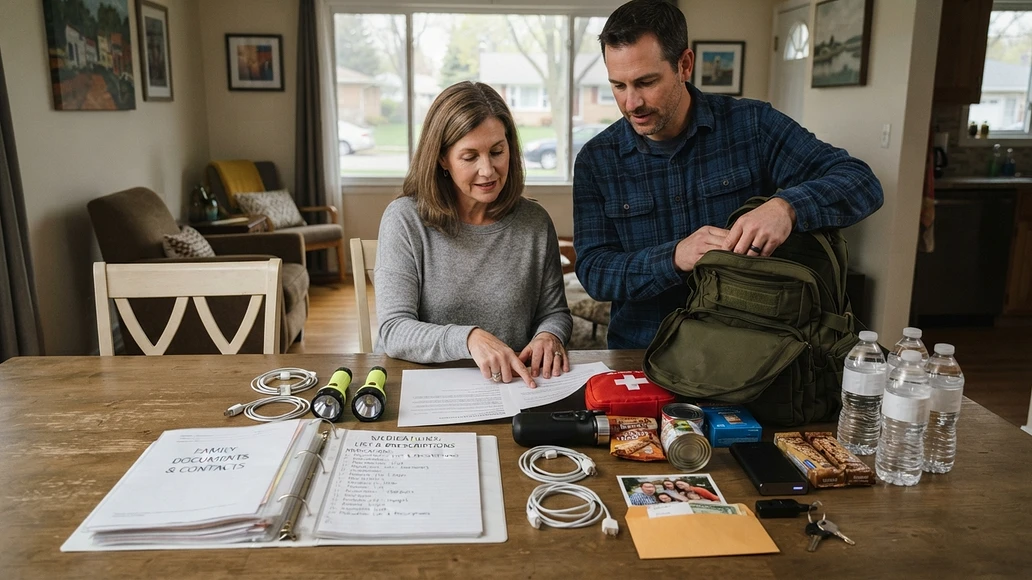
The scenario is extreme, but the useful lesson is ordinary. Evacuation is chaotic when documents, medications, and transportation plans are not ready. Preparedness is often paperwork plus timing.
Safe takeaway: Keep IDs, insurance information, medication lists, chargers, and a few days of essentials ready to grab quickly.
Do not copy this: Do not treat crowd conflict or forceful behavior as a preparedness model. Avoidance and lawful compliance are safer.
15. Contagion, 2011
Type: Pandemic fiction. Realism: Partly realistic. Content note: illness, death, social disruption.
This is one of the better films for showing how public behavior, information quality, and supply disruptions interact. The practical lesson is to prepare for staying home temporarily and to follow public-health guidance rather than rumor.
Safe takeaway: Keep a modest reserve of routine household supplies, hygiene items, and prescription planning in place so short disruptions are easier to manage.
Do not copy this: Do not self-medicate, substitute medications, or ignore official health guidance based on fear or internet claims.
16. I Am Legend, 2007
Type: Post-pandemic isolation. Realism: Speculative. Content note: violence, isolation, frightening imagery.
Its monsters are fiction, but isolation, routine, and mental strain are not. Long disruptions can wear down judgment. Social connection and structure help preserve decision-making.
Safe takeaway: Include mental health and social check-ins in your emergency plan, especially for people living alone, older adults, and those with chronic conditions.
Do not copy this: Do not treat weapons-centered scenes as general preparedness advice.
17. Children of Men, 2006
Type: Social breakdown and displacement. Realism: Speculative. Content note: violence, civil unrest, trauma.
This film is useful for thinking about movement through unstable environments. In real emergencies, avoiding hotspots, keeping a low profile, and having multiple routes can matter more than gear.
Safe takeaway: Learn at least two evacuation routes from home, work, and school, and know where you could go if one route is blocked.
Do not copy this: Do not enter unrest areas out of curiosity or assume you can navigate them safely without current information.
18. The Road, 2009
Type: Long-duration collapse fiction. Realism: Speculative. Content note: extreme bleakness, violence, starvation, child endangerment.
This is not a practical manual, but it does raise important questions about sanitation, trust, calories, and protecting dependents during prolonged hardship. It also reminds viewers that children change every preparedness calculation.
Safe takeaway: Plan supplies around actual household needs, including baby items, mobility aids, pet needs, and refrigeration-dependent medications.
Do not copy this: Do not let collapse fiction push you toward antisocial or unlawful behavior. Real resilience usually depends on cooperation.
19. A Quiet Place, 2018
Type: Family survival under extreme threat. Realism: Primarily entertainment. Content note: creature violence, child peril, intense suspense.
The creatures are fantasy, but the family planning angle is useful. Households with infants, disabilities, hearing needs, or medical equipment need more detailed contingency planning than generic checklists usually provide.
Safe takeaway: Tailor your emergency plan for children, pregnancy, disability, service animals, and medical devices that depend on power.
Do not copy this: Do not rely on silence, concealment, or isolation as a substitute for official alerts, evacuation, or medical care.
20. Apollo 13, 1995
Type: Technical emergency and team problem-solving. Realism: Realistic. Content note: sustained tension, confinement.
This is one of the best examples of calm teamwork under pressure. The lesson is not that every household needs aerospace-level skill. It is that checklists, communication, and role clarity reduce mistakes when stress is high.
Safe takeaway: Write down who does what during a home emergency, who grabs medications, who checks on pets, who turns off utilities if instructed, and who contacts relatives.
Do not copy this: Do not improvise utility shutoff, electrical work, or fuel handling unless you know the correct procedure and it is safe to do so.
Preparedness lessons by living situation
| Living situation | Most useful movie themes | Practical focus |
|---|---|---|
| Apartment | Evacuation, smoke, power outage, communication | Stairwell routes, flashlights, water storage, backup charging, renter documents |
| Suburban home | Family reunification, storms, short-term outages | Contact plans, food rotation, generator safety, medication lists |
| Rural home | Isolation, delayed services, weather exposure | Longer supply buffers, alternate heat plans, road access, water backup |
| Traveler or day hiker | Navigation, injury, weather shifts, signaling | Route sharing, map backup, water treatment, first-aid basics |
Short disruptions versus long emergencies
| Emergency length | What matters most | Examples of safe planning |
|---|---|---|
| Hours to 72 hours | Lighting, communication, water, medications, shelter temperature | Charged power banks, flashlights, stored water, ready-to-eat food, alert apps |
| Several days to two weeks | Resupply planning, sanitation, refrigeration, family coordination | Food rotation, cooler strategy, hygiene supplies, backup contacts |
| Longer disruptions | Community support, health management, fuel, mental resilience | Mutual aid contacts, refill planning, lawful security habits, routine and morale |
A low-cost action plan after movie night
| After watching a film about | Do this within 15 minutes |
|---|---|
| Wilderness survival | Put a paper map, whistle, and spare battery in your daypack |
| Storms or flooding | Check local alerts and identify your nearest higher ground or evacuation route |
| Pandemic or contamination | Review your medication list and basic hygiene supplies |
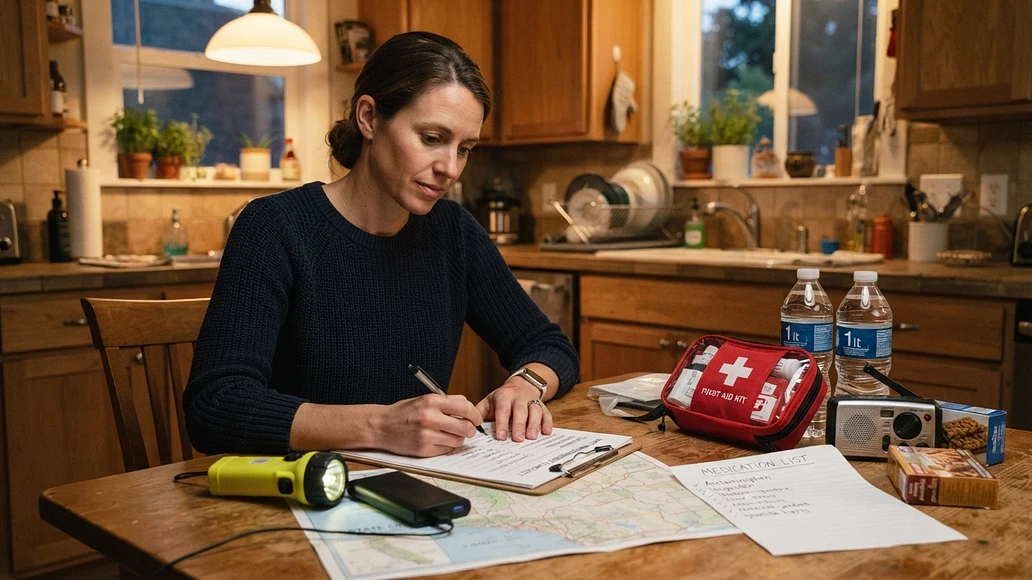
| Power outage | Test flashlights and charge a power bank |
| Family separation | Text your household meeting point and out-of-area contact to everyone |
| Cold-weather survival | Add gloves, hats, and a blanket to your vehicle or entry closet |
Content guidance for viewers
| Viewer concern | Films to approach carefully | Why |
|---|---|---|
| Graphic injury | 127 Hours, The Revenant, The Impossible | Detailed wounds, trauma, medical distress |
| Disaster anxiety | Contagion, Greenland, The Impossible | Mass-casualty themes, family separation, panic |
| Bleak mood | The Road, Children of Men, I Am Legend | Hopeless settings, violence, prolonged fear |
| Animal harm or threat | The Grey, The Revenant | Predator scenes, attack imagery |
| Family viewing caution | A Quiet Place, The Road, 127 Hours | Intense suspense, child peril, disturbing scenes |
Final thought
The best survival lesson from movies is usually not how to copy a dramatic act. It is how to prepare before the crisis starts. A written contact plan, safe water, weather awareness, first-aid training, medication readiness, and a realistic evacuation mindset will do more for most households than any cinematic stunt. Enjoy the stories, then use them as prompts to make one small improvement at home.
References
- Ready.gov
- FEMA National Preparedness
- CDC, Emergency Water Supply
- CDC, Carbon Monoxide Poisoning Basics
- National Weather Service, Heat Safety
- National Weather Service, Cold Weather Safety
- National Park Service, Leave No Trace Principles
- American Red Cross, First Aid Training
- FDA, Emergency Preparedness and Your Medications