Practical Home Skills That Stretch a Tight Budget Before Hard Times Hit
Economic resilience starts with ordinary habits, not fantasy scenarios. Learn which DIY and household skills offer the best return in a downturn, how to practice them safely, and where to stop and call a professional.

If a household budget gets squeezed by layoffs, inflation, storm damage, higher utility bills, or supply delays, the most valuable skills are usually the least dramatic. Knowing how to cook from basic ingredients, stop a small leak early, mend clothing, rotate pantry food, back up important documents, and make a realistic spending plan can reduce stress long before a situation becomes a true emergency.
This article focuses on economic resilience, not collapse fiction. In practical terms, that means learning skills that either shorten the financial problem, such as cutting recurring costs and preventing expensive damage, or ease the symptoms during disruptions, such as keeping food, water, lighting, and communication organized during an outage. Both matter, but they are not the same.
What an economic downturn means at the household level
For most families, a downturn does not look like a movie. It looks like reduced work hours, rising grocery prices, a broken car, a rent increase, a regional disaster, or a power outage that ruins refrigerated food. That is why the best DIY skills are the ones you can use in ordinary life.
| Situation | What usually helps most | What helps, but mainly eases discomfort |
|---|---|---|
| Job loss or reduced income | Expense tracking, contacting creditors early, meal planning, document organization, maintaining employable skills | Stored food, basic sewing, emergency lighting |
| Inflation | Cooking from staples, reducing waste, reviewing subscriptions and insurance, preventive maintenance | Container gardening, bulk buying when used carefully |
| Short power outage | Food safety knowledge, backup lighting, charged devices, stored water | Camping-style cooking gear used safely outdoors |
| Supply disruption | Pantry rotation, freezer management, flexible recipes, spare household essentials | Seed saving, barter ideas |
| Home repair surprise | Leak detection, shutoff knowledge, simple tool use, emergency fund | Advanced DIY projects beyond your skill level |
The highest-return skills for the first 30 days
If you can only focus on a few things first, start with the skills that are cheap to learn, useful every week, and low risk when practiced carefully.
| Skill | Startup cost | Time to basic competence | Likely household benefit | Risk level |
|---|---|---|---|---|
| Expense tracking and bill triage | Low | 1 to 3 days | High | Low |
| Cooking from shelf-stable staples | Low to moderate | 1 to 2 weeks | High | Low |
| Food storage and rotation | Low | A few days | High | Low |
| Basic home maintenance | Low to moderate | 2 to 4 weeks | High | Low to moderate |
| Hand sewing and mending | Low | A few hours to 2 weeks | Moderate | Low |
| Digital backups and scam detection | Low | 1 week | High | Low |
| First aid and CPR training | Moderate | One class plus refreshers | Moderate to high | Low when formally trained |
| Container gardening | Low to moderate | 1 season | Low to moderate | Low |
| Home food preservation | Moderate to high | Several sessions | Moderate | Moderate to high if done incorrectly |
1. Budgeting and expense triage, the skill that solves the most problems
Before learning any hands-on project, learn where your money actually goes. This is the most direct skill for an economic downturn because it can reveal recurring costs, late-fee traps, insurance gaps, and categories where small changes add up quickly.
A safe first project is a 30-day spending map. Review bank and card statements, list fixed bills, estimate groceries and transportation, and separate essentials from optional spending. Then identify which bills would become urgent first if income dropped tomorrow.
Practice this skill once a week for a month, then once a month after that. A reasonable stopping point is a one-page household plan that includes monthly essentials, account logins stored securely, due dates, emergency contacts, and a short list of bills to cut or pause first.
This skill does not replace professional advice for bankruptcy, debt restructuring, taxes, investing, or insurance disputes. For those issues, use a qualified financial professional, legal aid resource, or reputable public agency.
2. Cooking from basic ingredients, the everyday resilience multiplier
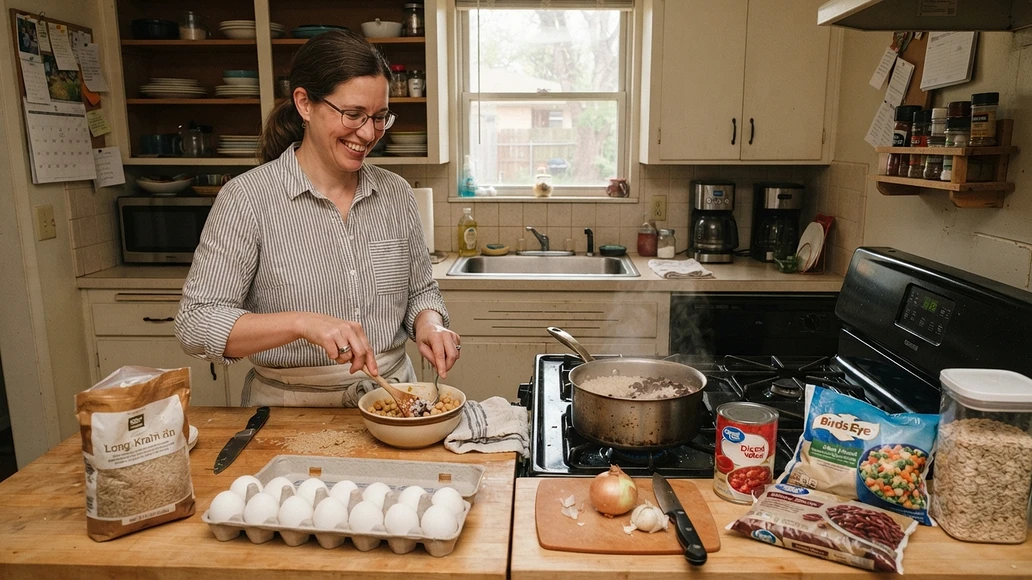
Cooking from staples is one of the fastest ways to reduce convenience spending while making pantry food more useful. Rice, beans, pasta, oats, potatoes, flour, canned tomatoes, frozen vegetables, eggs, and affordable proteins can become many low-cost meals if you know a few repeatable methods.
A good beginner project is learning five inexpensive meals your household will actually eat, such as bean chili, soup, pasta with vegetables, oatmeal variations, and sheet-pan meals. The goal is not gourmet cooking. The goal is to make dinner cheaper, easier, and less dependent on takeout or specialty ingredients.
Practice two or three times a week. A reasonable stopping point is being able to build meals from what is already on hand, substitute ingredients, and use leftovers safely.
Savings vary widely. Cooking at home can cut food costs, but only if meals get eaten and ingredients do not spoil. A freezer, basic containers, and a simple meal plan often matter more than fancy equipment.
3. Food storage and rotation, because buying food is not the same as managing it
Many households waste money by overbuying, losing track of expiration dates, or storing food poorly. Food resilience starts with knowing what you have, where it is, and how quickly you use it.
A safe first project is a pantry reset. Group foods by type, place older items in front, label open packages, and create a simple inventory of the 20 to 30 items you use most. Then build a two-week menu around those foods.
Practice this weekly with a five-minute pantry check and a freezer review before shopping. A reasonable stopping point is a rotating pantry of foods your household already eats, plus a plan for power outages and food safety.
If you preserve food, use tested procedures only. Freezing and dehydration are often easier for beginners than canning. For canning, use approved recipes and the correct processing method. Many low-acid foods require pressure canning. Oven canning, open-kettle canning, and random social-media recipes are not safe substitutes.
4. Basic home maintenance, small fixes that prevent big bills
Preventive maintenance often saves more money than ambitious DIY remodeling. Replacing HVAC filters, sealing drafts, tightening loose hardware, cleaning dryer vents, checking under sinks, and improving drainage can prevent damage and reduce waste.
A smart beginner project is a monthly home walk-through. Check for dripping faucets, soft flooring near tubs, stains on ceilings, loose handrails, missing caulk, clogged gutters, and doors or windows that no longer close properly. In rentals, document issues and report them promptly.
Practice monthly and seasonally. A reasonable stopping point is being comfortable with simple tasks like changing filters, replacing weatherstripping, patching small nail holes, lubricating hinges, unclogging a simple sink trap if appropriate, and knowing where the water shutoff is.
Do not treat all repairs as DIY. Electrical panels, gas lines, fuel-burning appliances, roofing, structural movement, major plumbing leaks, sewage backup, mold remediation, and anything requiring permits or licensed work should be handled according to local code and by qualified professionals when required. If you smell gas, see sparking, notice overheating, or suspect carbon monoxide, stop immediately and seek emergency help.
| Task | Usually reasonable for careful beginners | Often better left to a professional |
|---|---|---|
| Weatherstripping and draft sealing | Yes | Only if hidden damage is discovered |
| Replacing HVAC filters | Yes | No, unless access is unsafe |
| Tightening cabinet hardware and door hinges | Yes | No |
| Minor caulking around sinks or tubs | Yes | If there is rot, mold, or hidden leaks |
| Simple drain cleaning | Sometimes | If repeated clogs, sewage, or major leaks occur |
| Switches, outlets, breaker work | Only within your skill level and local rules | Often yes, especially if wiring is old or symptoms are unclear |
| Gas appliance or gas line work | No | Yes |
| Roofing and structural repairs | Usually no | Yes |
5. Tool literacy, measuring, fastening, and safe repair basics
You do not need a huge workshop to become more self-reliant. You need to know how to measure accurately, choose the right fastener, use a stud finder carefully, drill pilot holes, and work safely with basic hand tools.
A good first project is hanging a shelf or replacing worn cabinet hardware. That teaches measuring, level use, anchors, screws, and patience. Start with eye protection, stable footing, and the correct bit or screwdriver. Keep children and pets away from the work area.
Practice on low-risk projects every few weeks. A reasonable stopping point is being able to assemble furniture, patch minor wall damage, replace simple hardware, and recognize when a task exceeds your skill level.
Wear eye, hearing, respiratory, hand, and foot protection appropriate to the task. Avoid ladder work if you are tired, rushed, or physically unsteady. Read tool manuals. A failed repair can cost more than hiring help in the first place.
6. Sewing and mending, small repairs that add up
Mending is not glamorous, but it can stretch the life of jeans, school clothes, workwear, towels, backpacks, and bedding. It is especially useful during inflation, for families with children, and for anyone who wants to reduce replacement purchases.
A safe first project is sewing on a button, repairing a small seam by hand, or patching a knee or elbow. A basic kit with needles, thread, pins, scissors, and a measuring tape is enough to start.
Practice once a week on real household items. A reasonable stopping point is handling simple hems, seam repairs, patches, and basic alterations. A sewing machine can expand what you can do, but it is not required at first, and it does not automatically save money.
7. Water, sanitation, laundry, and waste reduction during interruptions
Economic stress often overlaps with service interruptions. Knowing how to store water, manage laundry, reduce waste, and keep basic sanitation going can make a short disruption much easier.
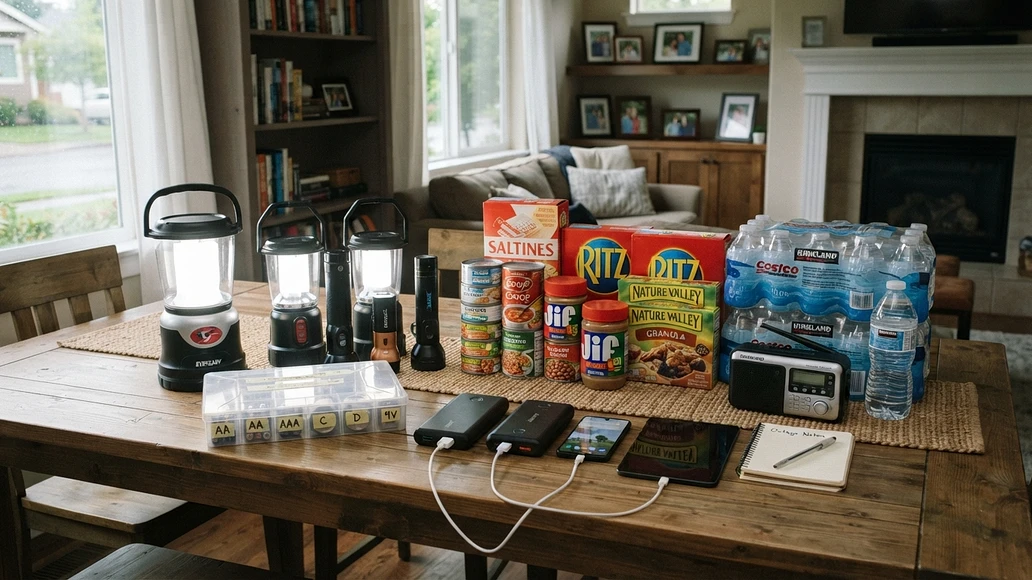
A good first project is building a two- to three-day household water plan and a simple outage routine. That includes drinking water, sanitation supplies, backup phone charging, flashlights, and a plan for refrigerated food if power fails.
Practice by reviewing supplies every few months. A reasonable stopping point is having enough water and household basics for short disruptions, plus knowing which treatment methods fit which problem.
Do not treat boiling, bleach, filters, and tablets as interchangeable. The correct method depends on the contaminant and the product instructions. Boiling can help with many microbes, but it does not remove most chemical contamination or salt. Follow current public-health guidance for your area.
8. Safe backup lighting and cooking, with strict carbon-monoxide limits
During outages, the goal is not to recreate normal life perfectly. It is to stay safe, preserve food where possible, and avoid preventable injuries. Battery lighting, power banks, and shelf-stable meals usually offer a better return than buying complex gear too early.
A practical first project is testing your flashlights, labeling batteries, charging power banks monthly, and planning a no-cook or low-cook menu for 48 hours. If you use outdoor cooking equipment, practice before you need it.
Never use charcoal grills, camp stoves, generators, or any fuel-burning equipment indoors, in garages, or near doors and windows. Carbon monoxide can build up quickly and become deadly. If anyone has headache, dizziness, nausea, confusion, or trouble breathing during fuel use, get to fresh air and seek emergency help.
9. Gardening, but with realistic expectations
Gardening can support resilience, but it is often oversold as a fast money saver. For beginners, herbs, greens, and a few high-value crops in containers usually make more sense than trying to replace a grocery store.
A good first project is a small container garden with herbs, lettuce, or one or two vegetables your household already buys often. Track the cost of soil, containers, water, pest control, and your time. This gives you a realistic picture of value.
Practice through one full growing season. A reasonable stopping point is learning what grows well in your climate, how much water is required, and whether expanding makes financial sense for your household. Renters, apartment dwellers, and people without yards can still learn useful gardening through windowsill herbs, balcony containers if allowed, or community garden plots.
Gardening is often best viewed as a resilience skill, not a guaranteed savings machine. It can produce food, confidence, and useful habits, but startup costs and crop failures are real.
10. First aid, CPR, and medication continuity
Health problems can become financial problems quickly. Basic first aid knowledge, CPR training, and a plan for prescriptions and medical records can improve resilience during both downturns and disasters.
A safe first project is enrolling in a recognized first aid or CPR class and assembling a practical household kit based on actual needs. Include medications, allergy information, and emergency contacts. Review refill timing for prescriptions and ask about backup options where appropriate.
Practice with periodic refreshers. A reasonable stopping point is knowing how to respond to common minor injuries, when to call for help, and how to maintain medication continuity during short disruptions.
First aid does not replace medical care. Pregnancy, diabetes, kidney or liver disease, immune suppression, allergies, and medication use can change what is safe. For severe bleeding, chest pain, breathing difficulty, poisoning, altered consciousness, or serious injury, call emergency services or poison control as appropriate.
11. Digital resilience, document backups, and scam detection
When money is tight, losing access to accounts or falling for a scam can be devastating. Digital organization is one of the highest-value low-cost skills in this entire topic.
A good first project is creating a secure document packet. Gather identification, insurance details, lease or mortgage records, medical information, vehicle documents, and account contacts. Store copies securely, with both physical and digital backups where appropriate.
Practice by reviewing passwords, enabling multi-factor authentication, and learning common scam patterns. A reasonable stopping point is being able to recover key accounts, verify suspicious messages, and access essential records quickly during an outage, evacuation, or job disruption.
| Digital task | Why it matters in a downturn | Beginner action |
|---|---|---|
| Document backup | Speeds insurance, aid, employment, and account recovery | Scan and securely store IDs, policies, and key records |
| Password hygiene | Reduces account takeover risk | Use unique passwords and multi-factor authentication |
| Scam detection | Protects limited cash and personal data | Pause before clicking links or sending money |
| Offline contact list | Helps during phone loss or outages | Print essential numbers and keep a copy in a go folder |
12. Community skills, because resilience is rarely solo
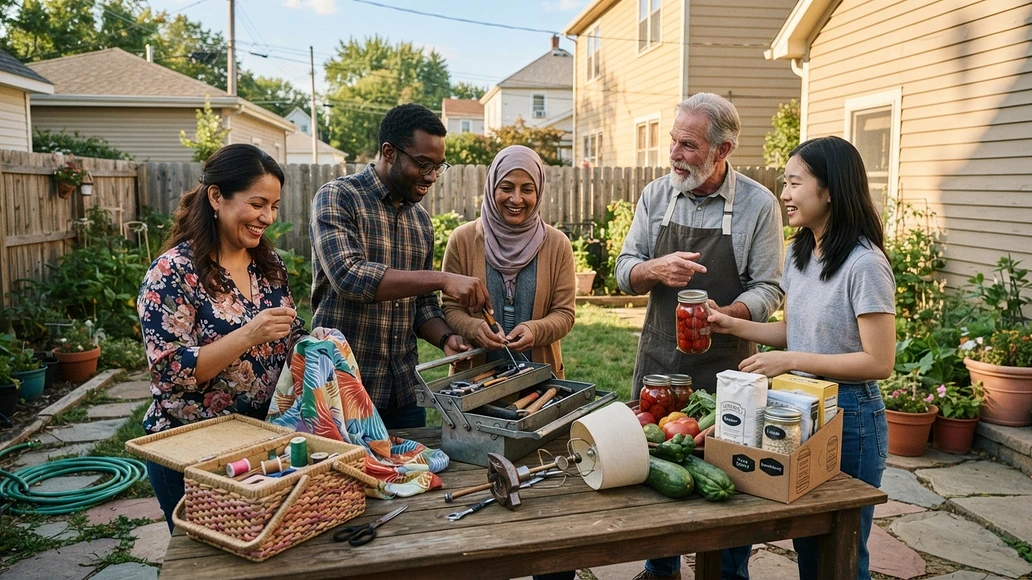
Households do better when they know who can help with childcare, rides, pet care, elder check-ins, tool sharing, or local information. Community ties are often more useful than buying one more gadget.
A practical first project is making a small local contact list. Include nearby family, trusted neighbors, school contacts, building management, and anyone with complementary skills. If you borrow or share tools, set clear expectations and return items promptly.
Practice by checking in occasionally, not only during emergencies. A reasonable stopping point is having a few trusted people who know how to reach you and what kind of help you can realistically exchange.
How to choose skills based on your home, health, and budget
The best skill for one household may be a poor fit for another. A renter in an apartment may get more value from cooking, document backups, sewing, and outage planning than from large gardening projects. A homeowner in a cold climate may benefit more from weatherization and drainage checks. A person with limited mobility may focus on digital organization, pantry systems, medication continuity, and seated repair tasks.
| Household situation | Best early skills | Skills to approach carefully |
|---|---|---|
| Renter or apartment dweller | Budgeting, cooking, pantry rotation, sewing, digital backups, outage planning | Major repairs, balcony gardening without approval, fuel storage |
| Homeowner | Preventive maintenance, tool literacy, drainage, weatherization, cooking, budgeting | Electrical, gas, roofing, structural work without training or permits |
| Family with children | Meal planning, laundry systems, first aid training, clothing repair, document organization | Chemicals, power tools, preserved foods stored unsafely |
| Older adults | Medication continuity, fall prevention, simple maintenance, community contacts | Ladder work, heavy lifting, rushed repairs |
| Limited mobility or chronic illness | Digital resilience, pantry systems, seated mending, emergency planning, delivery backups | Tasks requiring balance, heat exposure, or heavy repetitive motion |
A 30, 60, and 90-day learning plan
First 30 days
Track spending, build a simple bill calendar, learn five low-cost meals, reset the pantry, gather important documents, test flashlights and power banks, and identify shutoffs and emergency contacts.
Days 31 to 60
Start monthly home inspections, learn basic mending, replace filters, seal obvious drafts, take a first aid or CPR class, and create a two- to three-day water and outage plan.
Days 61 to 90
Add one small repair project, try safe food preservation methods such as freezing or dehydration, start a small container garden if it fits your space, and review insurance, subscriptions, and recurring expenses again.
Where to stop and call a professional
DIY skills should reduce risk, not create it. Stop and seek qualified help for gas odors, sparking, overheating wires, suspected carbon monoxide, major leaks, structural movement, sewage backup, serious mold, roof hazards, severe injuries, poisoning, breathing difficulty, chest pain, or altered consciousness. Local codes, permits, landlord approval, and licensed trades may apply even to projects that look simple online.