Smarter Home Care for Minor Wounds, Natural Options That Help Without Slowing Recovery
Learn which natural wound care methods actually support healing, which ones mainly soothe symptoms, and when a cut, scrape, or burn needs medical attention instead of DIY treatment.

Many people want gentler ways to care for cuts, scrapes, and small burns at home. The good news is that some natural approaches can support healing, but the fastest results usually come from combining them with solid first aid. Clean the wound well, protect it, keep it slightly moist, and use only remedies that are appropriate for minor injuries.
This guide is for minor, uncomplicated wounds only. It is not a substitute for medical care. Do not delay urgent or emergency treatment for deep wounds, heavy bleeding, bites, punctures, large burns, or signs of infection. If you have diabetes, poor circulation, immune suppression, or take blood thinners, be more cautious and seek professional advice sooner.
How wound healing works
Your body repairs skin in stages. First comes inflammation, when bleeding stops and immune cells clean up damage. Next comes tissue building, when new skin and collagen start filling in the area. Last comes remodeling, when the wound strengthens over time. Natural remedies can sometimes help by reducing irritation, supporting moisture balance, or lowering bacterial burden, but they cannot replace proper cleaning and protection.
That is why the basics matter so much. A wound that is gently cleaned and covered usually heals better than one treated with a long list of home ingredients but poor technique.
Which wounds are usually safe for home care?
Home care is generally reasonable for small, shallow cuts, mild scrapes, and minor burns with limited skin damage. If the wound is deep, gaping, contaminated, or in a high-risk location, natural care should not be your main plan.
| Wound feature | Usually safe for home care | Needs urgent medical evaluation | Needs emergency help |
|---|---|---|---|
| Small shallow cut or scrape | Yes, if bleeding stops and it can be cleaned fully | If redness, swelling, or drainage develops | No, unless bleeding becomes severe |
| Deep or gaping cut | No | Yes, may need closure | Yes if bleeding is heavy or structures are visible |
| Puncture wound | Usually not ideal for DIY care alone | Yes, especially if dirty or painful | Yes if severe bleeding or embedded object |
| Animal or human bite | No | Yes | Yes if severe tissue damage or uncontrolled bleeding |
| Minor kitchen burn | Yes, if small and superficial | Yes if blistering is extensive or pain worsens | Yes for large, electrical, or chemical burns |
| Wound on face, hand, joint, or genitals | Sometimes, if very minor | Often yes because function and scarring matter | Yes if deep or heavily bleeding |
First aid steps that help wounds heal faster
Before thinking about honey, aloe, or herbal products, start here. These steps do more to prevent delayed healing than most topical remedies.
- Wash your hands well with soap and water.
- Apply firm pressure with clean gauze or cloth if the wound is bleeding.
- Rinse the wound with clean running water or sterile saline to remove dirt and debris.
- Gently wash the skin around it with mild soap, but do not scrub the wound bed.
- Avoid routine use of alcohol, hydrogen peroxide, or strong iodine inside minor open wounds. These can damage healthy tissue.
- Pat dry around the area.
- Apply an appropriate thin layer of treatment, if using one.
- Cover with a clean nonstick dressing or bandage.
- Change the dressing when wet, dirty, or at least daily.
Moist, protected wounds often heal faster than wounds left dry and exposed. The goal is not soggy skin. The goal is a clean, lightly moist healing environment.
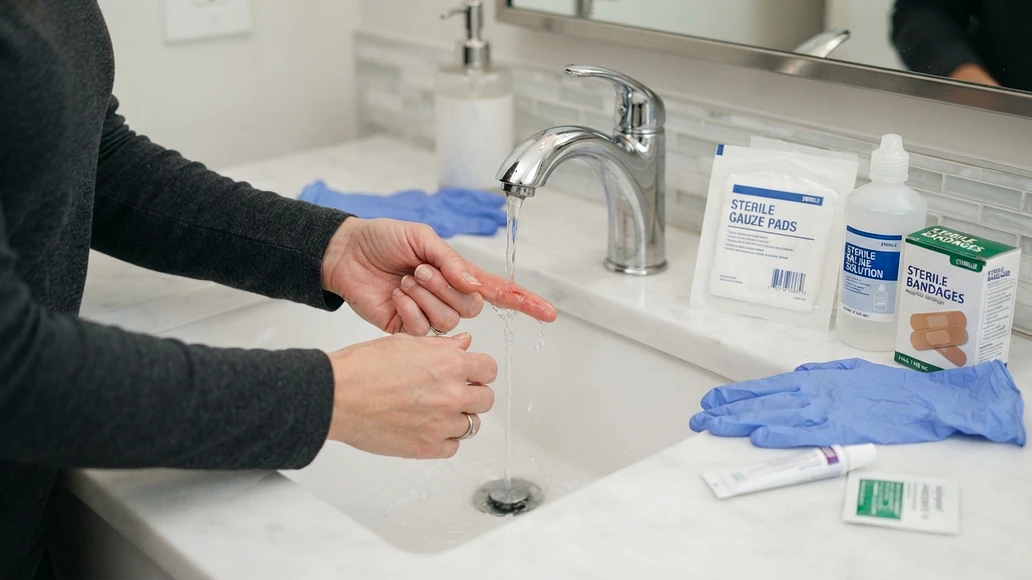
Does keeping a wound moist really help?
Yes, for many minor wounds. Modern wound care generally favors moisture-balanced healing. When a wound dries out too much, a hard scab can form and slow the movement of new skin cells across the surface. A clean dressing and a moisture-retaining layer can protect fragile new tissue, reduce friction, and lower the chance of cracking.
This is one reason petroleum jelly remains widely recommended, even though it is not a natural remedy. If you prefer a more natural approach, the closest evidence-backed options are medical-grade honey and certain aloe products, depending on the wound type.
Natural remedies with the best support
Not every natural product belongs on broken skin. Some have decent evidence for specific situations, while others are mostly traditional remedies with limited human data.
| Remedy or approach | Main benefit | Evidence strength | Likely to shorten healing time? | Major cautions |
|---|---|---|---|---|
| Medical-grade honey | Helps control moisture, may reduce bacterial growth, supports tissue repair | Strong for some wound types | Yes, in some minor and chronic wounds | Use medical-grade only, not grocery honey |
| Aloe vera, pure or pharmaceutical grade | Soothes skin, may support surface repair | Moderate to strong for minor burns and superficial wounds | Often yes for small burns and abrasions | Avoid fragranced or alcohol-based gels |
| Turmeric or curcumin | Anti-inflammatory effects, some antimicrobial lab data | Moderate but mixed | Possible, uncertain | Can irritate skin and stain, avoid deep open wounds |
| Coconut oil | Helps with dryness and skin barrier support | Limited human wound data | Unclear | Use only a thin layer on clean minor wounds |
| Diluted tea tree oil or other essential oils | Possible antiseptic effect | Limited | Mixed and uncertain | Must be diluted, can burn or irritate skin |
| Onion or garlic pastes | Traditional use | Weak | Unclear | Higher risk of irritation and contamination |
| Clean water or saline irrigation | Removes debris and lowers contamination | Strong | Yes, indirectly | Do not skip this step |
| Moisture-retentive dressing | Protects new tissue and supports healing | Strong | Yes | Change if dirty, wet, or too tight |
Medical-grade honey
Honey is one of the better-supported natural wound options, but the important phrase is medical-grade. Sterile wound honey products are prepared for skin use and are different from regular kitchen honey. They can help maintain a moist environment and may reduce bacterial growth in some wounds.
Use it only on minor wounds after proper cleaning, and follow the product directions. A thin layer under a clean dressing is typical. Stop using it if irritation increases. Do not rely on honey alone for deep wounds, heavy bleeding, or infected wounds.
Aloe vera for minor burns and shallow abrasions
Aloe can be helpful for small superficial burns and irritated skin. It may cool the area and support surface healing. Choose a product with high aloe content and as few additives as possible. Fragrance, alcohol, and cosmetic fillers can sting and dry the skin.
For a minor burn, cool the area first with cool running water, not ice, then apply aloe and cover if needed. If blisters are large, pain is severe, or the burn covers a large area, seek medical care.
Turmeric, coconut oil, and other plant-based options
Turmeric and curcumin are interesting but less proven in real-world home wound care. They may help with inflammation, but they can also irritate skin and make it harder to judge redness because of staining. If used at all, they are better thought of as cautious adjuncts for very minor skin injuries, not as primary treatment for open wounds.
Coconut oil may help prevent dryness once a wound is clean and superficial, but it is not a substitute for irrigation, dressing, or infection monitoring. Thick oils and salves can trap debris if used too early or too heavily.
Essential oils, where caution matters most
Essential oils are often marketed as natural antiseptics, but they are also common causes of skin irritation and allergic reactions. Undiluted oils can burn damaged skin. If someone chooses to use them, they should be diluted appropriately, patch tested on intact skin first, and avoided on large areas, children, during pregnancy, and on deeper wounds unless a clinician advises otherwise.
For most people, essential oils are not the first natural option to try on a fresh wound.
Natural remedies that mostly soothe, not speed healing
Some home measures can make you feel better without clearly shortening healing time. That still has value, as long as expectations are realistic.
| Approach | Main effect | May speed closure? | Best use |
|---|---|---|---|
| Cool compress around the area | Reduces discomfort and swelling | Usually no direct effect | Minor bumps, surrounding irritation, small burns after cooling |
| Aloe on superficial burn | Soothing plus some healing support | Sometimes | Small, mild burns |
| Gentle elevation | Limits swelling | Indirectly may help comfort | Minor limb injuries with swelling |
| Rest and friction avoidance | Protects new tissue | Yes, indirectly | Cuts over hands, knees, elbows, and feet |
What not to put on a wound
Several common habits can slow healing instead of helping it. Routine use of alcohol, hydrogen peroxide, and harsh antiseptics can injure healthy cells. Homemade garlic or onion pastes can cause dermatitis or contamination. Thick layers of oil on a dirty wound can trap bacteria and debris. Undiluted essential oils can sting, burn, and delay recovery.
Another mistake is over-cleaning. Once the wound is clean, repeated scrubbing can restart irritation and damage new tissue.
Food, hydration, and daily habits that support faster healing
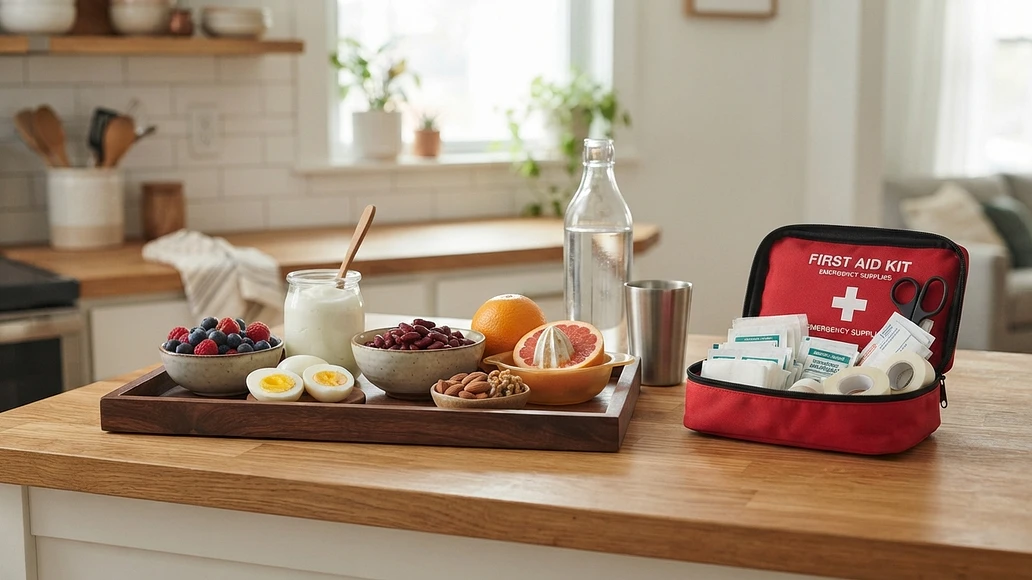
Skin repair is not only about what you apply. Your body needs raw materials to rebuild tissue. Protein supports collagen and new cell growth. Vitamin C helps collagen formation. Zinc plays a role in immune function and healing. Fluids support circulation. Sleep helps the repair process. Smoking and poorly controlled blood sugar can slow healing significantly.
| Nutrient or habit | Role in healing | Practical sources or action | When to seek medical advice |
|---|---|---|---|
| Protein | Builds new tissue | Eggs, yogurt, beans, fish, poultry, lean meat | If appetite is poor or healing is slow |
| Vitamin C | Supports collagen formation | Citrus, berries, peppers, potatoes, broccoli | If diet is limited or deficiency is possible |
| Zinc | Supports immunity and repair | Meat, shellfish, beans, nuts, seeds | Before taking supplements long term |
| Hydration | Supports circulation and tissue function | Drink fluids regularly, especially in heat | If dehydration or illness is present |
| Blood sugar control | Reduces delayed healing risk | Follow diabetes care plan closely | If glucose is running high or wound is on the foot |
| Sleep and no smoking | Improves repair and circulation | Prioritize rest, avoid nicotine | If you need support quitting smoking |
Special caution for children, older adults, and people with diabetes
Children can usually heal well from small scrapes, but they may need help keeping dressings clean and avoiding picking. Older adults often have thinner skin and may bruise or tear more easily. People with diabetes, poor circulation, or immune compromise should be much more conservative with home treatment because infection risk and delayed healing are higher.
Foot wounds deserve special caution in diabetes. Even a small blister or cut can become serious. If that applies to you, seek medical guidance early rather than experimenting with multiple natural products.
How long should a minor wound take to heal?
Healing time depends on depth, location, friction, moisture balance, and your overall health. A shallow scrape may improve within days, while a deeper cut can take longer.
| Wound type | Typical healing time | When delay is a concern |
|---|---|---|
| Small paper cut or shallow nick | Several days | If redness or pain keeps increasing |
| Minor abrasion or scrape | About 1 to 2 weeks | If it is not clearly improving after several days |
| Small superficial burn | About 1 to 2 weeks | If blistering worsens or drainage develops |
| Small deeper cut | 1 to 3 weeks depending on depth and location | If edges separate, drainage increases, or healing stalls |
If a wound is not showing progress within about a week, or if it worsens at any point, get it checked.
Warning signs that mean natural care is not enough
Seek prompt medical care if you notice increasing redness, warmth, swelling, worsening pain, pus, bad odor, fever, or red streaks moving away from the wound. Also get help for wounds that reopen, turn dark, become numb, or keep draining.
Get immediate help for heavy bleeding that does not stop after 10 to 15 minutes of firm pressure, visible bone or tendon, deep punctures, bites, or large burns.
Using natural and over-the-counter products together
Sometimes a mixed approach makes the most sense. For example, a person might clean a wound with water or saline, then use either petroleum jelly or a medical-grade honey product under a clean dressing. Aloe may fit better for a minor burn than for a deeper cut. If you are using an antibiotic ointment, avoid layering multiple products at once unless you know they are compatible, because too many layers can trap moisture and make skin irritation harder to identify.
If you have medication allergies, sensitive skin, or a chronic condition, ask a clinician or pharmacist before combining products.
Common mistakes that slow healing
Picking scabs, leaving wounds uncovered in dirty environments, using harsh antiseptics repeatedly, changing dressings too rarely, changing them too aggressively, and returning too soon to friction-heavy activity can all slow recovery. Another common mistake is assuming that if something is natural, it must be safe on broken skin. That is not always true.
Scar care after the wound closes
Once the skin surface has fully closed, gentle moisturizing can help with dryness and tightness. Sun protection matters because fresh healed skin can darken more easily. Avoid aggressive rubbing early on. If you want to try scar massage, wait until the wound is fully closed and no longer tender or draining.
Natural oils may help with comfort after closure, but they do not erase scars overnight. Time, sun protection, and avoiding repeat injury matter more.
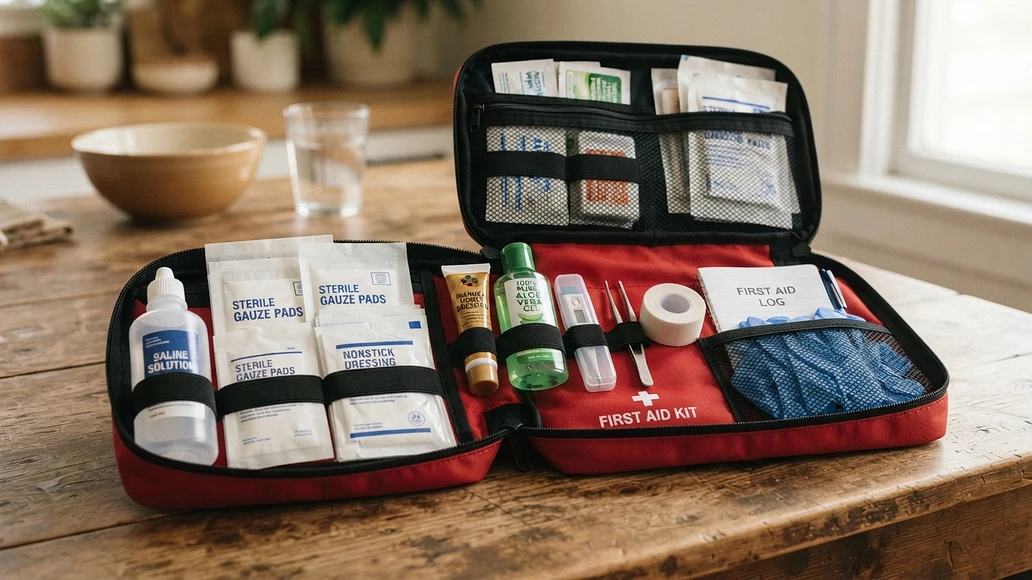
Build a home wound-care kit with safe natural options
A practical kit should include both standard basics and a few carefully chosen natural-support items. Think clean water or saline, sterile gauze, nonstick dressings, medical tape, gloves, tweezers, a thermometer, and a reliable moisturizer or wound dressing product. If you want natural options, choose medical-grade honey dressings and a simple aloe gel rather than homemade mixtures.
Preparedness is less about collecting exotic remedies and more about having clean, proven supplies ready before you need them.
How to talk with your doctor about natural wound care
If you prefer natural remedies, tell your clinician exactly what you are using, how often, and on what type of wound. Mention any medical conditions, allergies, pregnancy, or medications such as blood thinners or immune-suppressing drugs. That helps them guide you toward options that are less likely to interfere with healing.
An integrative approach often works best. You do not have to choose between all-natural and all-medical. The safest plan usually combines evidence-based first aid with selective natural support.
FAQ
Can I use regular kitchen honey on a cut or scrape?
It is better to use medical-grade honey made for wound care. Grocery honey is not prepared to the same cleanliness standard and may not be appropriate for open skin.
Is it better to let a wound air out instead of keeping it covered?
Usually no. Many minor wounds heal better when kept clean, protected, and slightly moist under an appropriate dressing.
Are natural remedies safe for children’s cuts and scrapes?
Some are, but caution is important. Simple cleaning, protection, and monitoring are the priority. Avoid essential oils and homemade pastes unless a pediatric clinician specifically approves them.
How do I know if my wound is infected even if I used natural treatments?
Watch for increasing redness, warmth, swelling, pain, pus, odor, fever, or red streaks. Natural products do not prevent every infection, so worsening symptoms still need medical attention.
Can I still use antibiotic ointment if I am using honey or aloe on a wound?
Possibly, but do not pile on multiple products without a reason. Too many layers can irritate skin and make the wound harder to assess. If you are unsure, ask a pharmacist or clinician.