7 Smart Protection Habits for Everyday Safety and Emergency Readiness
Protecting yourself is not just about rare threats. It starts with a plan, a practical kit, a safer home, better health habits, and reliable information. Here are seven grounded ways to reduce risk for yourself and your family.

Protecting yourself is not only about dramatic worst case scenarios. For most people, the biggest risks are the ordinary ones, home fires, severe weather, car trouble, scams, falls, and contagious illness. A useful protection plan focuses on what is most likely to affect your household, then builds simple habits that make you safer without turning daily life into a constant state of alarm.
The seven strategies below are designed for a general US audience and reflect mainstream preparedness guidance from public health and emergency management sources. They are practical, affordable, and adaptable for families, singles, renters, homeowners, older adults, and people managing health conditions.
What protecting yourself really means today
Personal protection has several layers. Physical safety matters, but so do health protection, information safety, and emotional resilience. A person with a stocked closet but no evacuation plan is not fully prepared. A person who follows every rumor online during a storm is not well protected either. The goal is to reduce confusion, lower exposure to common hazards, and make better decisions under stress.
| Everyday risk | Typical likelihood | Potential impact | Protection habits that help |
|---|---|---|---|
| Home fire | Moderate | High | Emergency plan, home safety checks, escape drills |
| Severe weather and power outages | Moderate to high, depending on region | Moderate to high | Emergency kit, alerts, backup communication, home readiness |
| Respiratory illness | High | Low to high, depending on age and health | Hand hygiene, cleaner air, staying home when sick, medical planning |
| Scams and fraud | High | Moderate to high | Information checks, slow-down habits, official sources |
| Street crime or unsafe situations away from home | Low to moderate | Moderate to high | Situational awareness, route planning, de-escalation, leaving early |
| Falls and household injuries | Moderate | Moderate to high | Home safety fixes, lighting, first aid supplies, medication review |
1. Make a simple emergency plan before you need one
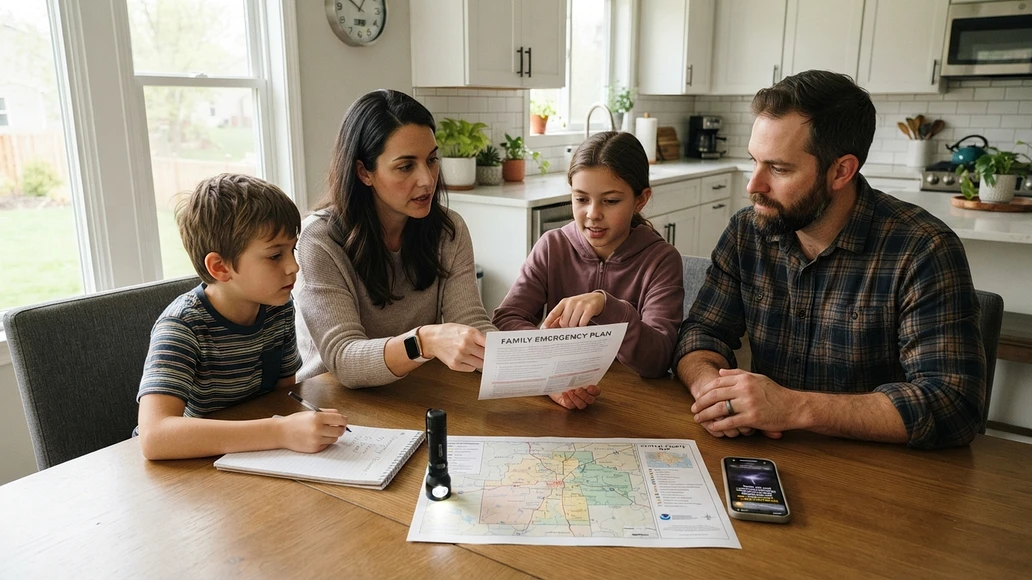
A written plan prevents panic and wasted time. Every household should know how to receive alerts, where to shelter, when to evacuate, how to contact each other, and where to meet if separated. This matters at home, at work, at school, and while traveling.
Start with the basics. Choose one nearby meeting place and one outside your neighborhood. Decide who your out-of-area contact person will be. Write down important phone numbers in case your phone battery dies or your contacts are unavailable. Review local evacuation routes and identify at least two ways out of your area.
If you live in a region with hurricanes, wildfires, tornadoes, floods, or winter storms, tailor your plan to those hazards. If someone in your home depends on refrigerated medication, mobility equipment, oxygen, or regular treatments, include backup power and transportation options. If you are pregnant, older, or managing a chronic illness, talk with your clinician about what to prepare in advance.
Children do better when plans are simple and practiced calmly. Older adults and people with disabilities may need transportation support, extra medication copies, and a neighbor or relative who can check on them quickly.
What a basic plan should cover
| Plan element | What to decide | Why it matters | How often to review |
|---|---|---|---|
| Alerts | Which weather and emergency apps, text alerts, and local warning systems to use | Fast information reduces delays | Every 6 months |
| Shelter | Safest room for storms, smoke, or local hazards | Improves immediate protection | Every 6 months |
| Evacuation | Two routes out, transportation options, pet plan | Prevents last-minute confusion | Every 6 months |
| Communication | Out-of-area contact, backup phone numbers, meeting points | Keeps family connected if networks are overloaded | Every 3 to 6 months |
| Medical needs | Medication list, equipment needs, clinician contacts | Critical for vulnerable household members | Monthly for medications, otherwise every 6 months |
2. Build an emergency kit you can actually use
A good kit supports your household for at least 72 hours and helps you function if stores are closed, roads are blocked, or power is out. It does not need to be expensive. Start with what you already have, then fill the most important gaps first.
Water, shelf-stable food, medications, copies of important documents, flashlights, batteries, chargers, hygiene supplies, and a basic first aid kit are the foundation. Add weather-appropriate clothing, cash in small bills, and supplies for pets or infants if needed. Keep one main home kit and a smaller grab-and-go version for your car or closet.
If you take prescription medication, ask your doctor or pharmacist how to handle refill timing, storage, and emergency backups. Do not make medication changes on your own. If anyone in your home uses medical devices or has mobility limits, plan for batteries, transport, and backup contacts.
| Item | Why it matters | Low-cost option | Special notes |
|---|---|---|---|
| Water | Hydration and basic sanitation | Clean reused containers if safe and appropriate for water storage | Increase supply for heat, illness, pregnancy, and pets |
| Shelf-stable food | Maintains energy when stores are closed | Use foods you already eat, canned beans, peanut butter, oats | Consider allergies, infant feeding, and low-sodium needs |
| Medications | Prevents dangerous interruptions | Organize current supplies and refill on schedule | Review expiration dates and storage instructions |
| Flashlight | Safer than candles during outages | Basic LED flashlight | Keep one by the bed and one in the kit |
| Phone charger and power bank | Maintains communication | Budget battery bank or car charger | Recharge monthly |
| Important documents | Speeds recovery after evacuation or loss | Paper copies in a waterproof bag | Include ID, insurance, medication list, contacts |
| First aid supplies | Helps with minor injuries | Build a simple kit over time | Seek professional care for serious injury or severe bleeding |
3. Make your home safer from fire, carbon monoxide, and common injuries
Many households spend more time thinking about rare threats than about the hazards most likely to injure them at home. Smoke alarms, carbon monoxide alarms, safe heating practices, and clear exits do more to protect most families than buying specialized gear.
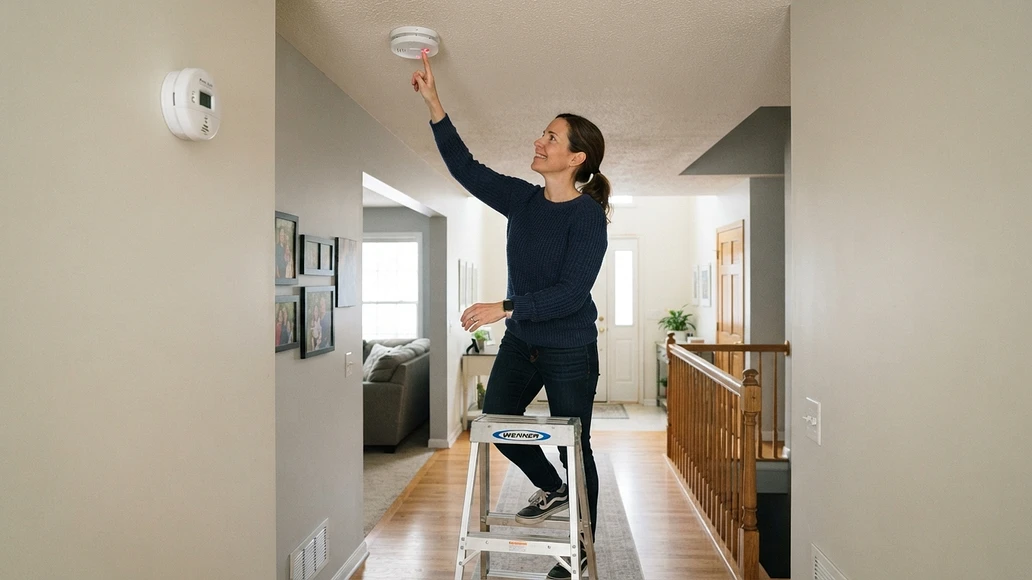
Test alarms regularly. Replace batteries as recommended. Know how to get out of every bedroom and practice a home fire escape drill. Keep exits clear. Use space heaters carefully and according to manufacturer instructions. Avoid overloading outlets and replace damaged cords. If you smell gas or suspect a utility problem, leave the area and contact the utility or emergency services as appropriate.
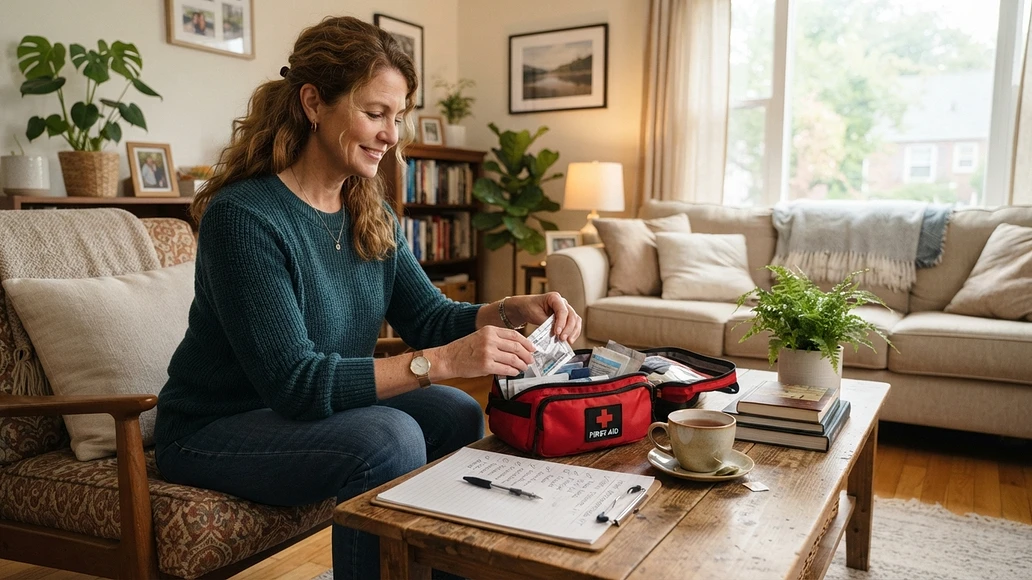
Injury prevention matters too. Secure top-heavy furniture, improve lighting on stairs, reduce tripping hazards, and keep a stocked first aid kit in an easy-to-reach place. Review household medications periodically so expired or confusing supplies do not create problems during an emergency.
| Home safety task | Time needed | Why it helps | Suggested frequency |
|---|---|---|---|
| Test smoke alarms | 10 minutes | Early warning saves lives | Monthly |
| Check carbon monoxide alarms | 10 minutes | Helps detect an invisible hazard | Monthly |
| Practice fire escape routes | 20 minutes | Reduces confusion under stress | Twice a year |
| Clear exits and hallways | 15 minutes | Speeds evacuation and reduces falls | Monthly |
| Secure furniture and TVs | 30 to 90 minutes | Prevents tip-over injuries | Once, then recheck yearly |
| Review first aid and medications | 20 minutes | Improves readiness for minor injuries and health needs | Every 3 months |
4. Protect your health with everyday prevention habits
Health protection is part of self-protection. The most useful habits are also the least dramatic, washing hands, improving indoor air, staying home when sick when possible, and taking sensible precautions during periods of respiratory illness. Recent public health guidance has increasingly emphasized cleaner air and practical steps that apply across respiratory viruses, not just one disease.
Open windows when conditions allow, improve ventilation, and consider portable air cleaning in crowded or poorly ventilated spaces if that fits your budget. If you are sick, limit close contact with others and take extra precautions after returning to normal activities. In higher-risk settings, masking and testing may still make sense, especially around medically vulnerable people.
Vaccination is another evidence-based layer of protection, but it is a medical decision. Stay current on routine preventive care and talk with your doctor, pharmacist, or other licensed clinician about vaccines, chronic disease management, pregnancy, and medication planning. Seek urgent medical care for chest pain, trouble breathing, signs of stroke, severe dehydration, high fever with confusion, or rapidly worsening symptoms.
5. Stay safer when you are away from home
Situational awareness is less about fear and more about attention. Know where you are going, how you are getting there, and what your backup plan is if something changes. Charge your phone before leaving, share your plans with someone you trust when appropriate, and avoid becoming so distracted that you miss obvious warning signs.
Choose well-lit routes when possible. Notice exits in public spaces. If a situation feels wrong, leave early rather than waiting for proof. De-escalation and distance are often safer than confrontation. If you are interested in self-defense tools or training, get qualified instruction first and check your state and local laws. Laws on possession, carry, and use of force vary widely, and using tools without training can increase risk rather than reduce it.
This is also the point where digital and physical safety overlap. Rideshare details, location sharing, and public social posts can reveal more than you intend. Limit real-time posting when you are alone or away from home overnight.
6. Protect yourself from misinformation, scams, and fraud
During emergencies, bad information spreads fast. False evacuation rumors, fake donation drives, phishing texts, and impersonation scams can cause real harm. One of the best ways to protect yourself is to slow down before acting.
Use official sources first, such as local emergency management, the National Weather Service, Ready.gov, CDC, and your state or county public safety agencies. Cross-check major claims before sharing them. Be skeptical of messages that demand immediate payment, ask for gift cards, pressure you to click a link, or claim a crisis exception to normal procedures.
A simple rule helps: pause, verify, then act. If a bank, utility, insurer, or government office contacts you unexpectedly, do not use the number in the message. Look up the official number yourself and call back. The same habit protects you during storms, disease outbreaks, and everyday financial scams.
| Situation | Safer response | Warning signs | Best source to verify |
|---|---|---|---|
| Emergency alert shared on social media | Check local government or weather agency channels | No source, dramatic language, no location details | County emergency management, National Weather Service |
| Text claiming account trouble | Do not click, contact company directly | Urgent threats, shortened links, spelling errors | Official company website or phone number |
| Donation request after disaster | Research charity before giving | Pressure to send money immediately | Official charity site, consumer protection resources |
| Health advice during outbreak | Use public health guidance and your clinician for personal decisions | Miracle cures, anti-expert claims, no evidence | CDC, state health department, licensed clinician |
7. Guard your mental health and build resilience
Preparedness should make you calmer, not more consumed. If safety planning turns into constant doom-scrolling, panic buying, or intrusive worry, it stops being protective. A resilient household has routines, realistic expectations, and people who can help each other think clearly under stress.
Keep preparation tasks small and scheduled. Spend one weekend testing alarms and updating contacts. Spend another assembling supplies. Practice a few drills, then move on with life. Stay connected to neighbors, relatives, and community groups, because support networks matter in almost every emergency.
If anxiety becomes persistent, disrupts sleep, or makes daily functioning harder, talk with a licensed mental health professional. If there is stalking, domestic violence, or a credible threat, involve law enforcement and specialized support services rather than trying to manage it alone.
How to adapt these steps for kids, older adults, and special health needs
Preparedness works best when it reflects the people in your home. Children often respond well to short drills framed as practice, not danger. Let them help choose a meeting spot or pack a comfort item. Older adults may need larger-print contact sheets, medication lists, backup glasses, hearing aid batteries, and transportation support.
People with disabilities or chronic health conditions may need a more detailed plan for mobility, refrigeration, oxygen, dialysis, or backup caregivers. Pregnant people should discuss heat exposure, evacuation strain, and medication planning with a clinician. These are not details to improvise during a storm warning or blackout.
Recent changes in health and safety guidance worth noting
Over the last two years, public health messaging has shifted toward a broader respiratory virus approach. Instead of treating every illness as a separate rulebook, current guidance emphasizes practical prevention, hand hygiene, cleaner indoor air, staying home when sick when possible, and added precautions after illness. That makes personal protection simpler and more sustainable.
Emergency preparedness guidance has also continued to stress local alerts, evacuation planning, and community resilience. In other words, the basics still matter most. The best update is often not a new gadget, but a current plan and reliable information source.
Common mistakes people make when trying to protect themselves
One common mistake is over-focusing on rare threats while ignoring likely ones. Another is buying gear without practicing how to use it. Some households store supplies but never test alarms, review medications, or discuss where to meet after an evacuation. Others rely too heavily on social media during fast-moving events.
A better approach is balanced. Plan first. Build a modest kit. Fix obvious home hazards. Follow current health guidance. Verify information before acting. Repeat the process once or twice a year.
Your practical protection checklist
| Protection area | Do this in the next 7 days | Do this in the next 3 months |
|---|---|---|
| Emergency plan | Pick meeting places and an out-of-area contact | Practice one drill and review local evacuation routes |
| Emergency kit | Gather water, food, flashlight, charger, documents | Fill medication, hygiene, and seasonal clothing gaps |
| Home safety | Test smoke and CO alarms | Secure furniture, clear exits, review first aid supplies |
| Health protection | Restock soap, masks if desired, and basic sick-day supplies | Discuss preventive care and medication planning with a clinician |
| Away-from-home safety | Share routes when appropriate and charge your phone | Take a reputable safety or first aid class |
| Scam protection | Turn on account alerts and review phishing habits | Check trusted emergency and consumer protection sources |
| Mental resilience | Set one short preparedness task instead of doom-scrolling | Build a support network and revisit your plan calmly |
FAQ
How often should I update my emergency plan and kit?
Review your plan at least every 6 months and after any major life change, such as a move, a new baby, a new diagnosis, or a job change. Check medications, batteries, food, and contact lists more often, usually every 1 to 3 months depending on the item.
What are the most important protections if I live on a tight budget?
Start with the highest-value basics, a written plan, working smoke alarms, a flashlight, water, shelf-stable food you already eat, copies of documents, and a phone charging option. Planning and maintenance usually matter more than expensive gear.
How can I talk to my kids about emergencies without scaring them?
Keep it calm and age-appropriate. Explain that the family practices safety the same way it wears seat belts. Use short drills, simple language, and let children help with small tasks like identifying exits or packing a comfort item.
What official websites and apps should I trust for emergency alerts?
Start with local emergency management, the National Weather Service, Ready.gov, FEMA information channels, and your state or county public safety agencies. For health guidance, use CDC and your state or local health department. Verify app publishers before downloading.
Do I really need special protection steps if I have a chronic health condition?
Yes. Chronic conditions can turn a short disruption into a serious problem if medications, power, refrigeration, mobility support, or treatment access are interrupted. Work with your doctor, pharmacist, or care team on a personalized backup plan.