Powdered Butter in the Pantry, Smart Fat Storage for Emergencies
Butter powder can add compact calories and cooking flexibility to emergency food storage, but it is not magic. Learn what it is, how long it really lasts, how to store it, and when ghee or clarified butter may be the better choice.

Fat is one of the hardest parts of emergency food storage to get right. Dry staples like rice, beans, oats, and pasta store well, but they do not provide much fat and can become repetitive fast. Butter powder is appealing because it offers butter flavor and usable calories in a compact form that can sit on the shelf far longer than a stick of regular butter. Still, it is not a forever food, and it is not automatically the best survival fat for every pantry.
If you are considering butter powder for preparedness, the practical questions matter more than the hype. What exactly is it? How shelf-stable is it in real life? What happens after the container is opened? And is it worth the price compared with ghee, clarified butter, or other long-keeping fats? Here is a grounded look at where butter powder fits, and where it does not.
What butter powder is
Butter powder is a dehydrated butter-based product made to deliver butter flavor and some fat in a dry, shelf-stable form. Depending on the brand, it may contain actual butter solids plus added ingredients that help it stay free-flowing and easier to reconstitute. Common additions include milk solids, anti-caking agents, and carbohydrate carriers such as maltodextrin.
That means two products labeled as powdered butter may not be nutritionally identical. One may be richer in fat, while another may lean more heavily on dairy solids or fillers to improve texture and shelf life. Always read the ingredient panel and nutrition label instead of assuming every butter powder is just dried butter.
How butter powder is made
Commercial butter powder is generally produced by turning butter or butterfat into a dry ingredient through industrial dehydration methods, often with supporting ingredients that stabilize the powder. The goal is to reduce moisture enough to slow spoilage while creating a product that can be mixed into recipes or reconstituted for spreadable use.
Removing water helps, but it does not make the fat immune to damage. Oxidation still happens over time, especially when heat, oxygen, humidity, and light are involved. That is why packaging and storage conditions matter so much more than bold shelf-life claims on social media.
Butter powder vs butter, ghee, and clarified butter
These products are related, but they are not interchangeable in storage or use. Regular butter contains water and milk solids, which makes it perishable. Ghee and clarified butter remove much of that moisture and many milk solids, which improves shelf stability. Butter powder is dry and compact, but its exact performance depends heavily on formulation and packaging.
| Product | Shelf stability | Refrigeration needs | Best uses | Main cautions |
|---|---|---|---|---|
| Regular butter | Short-term at room temperature only, longer in refrigerator or freezer | Yes, for safe longer storage | Table use, baking, everyday cooking | Perishable, not a long-term pantry fat |
| Butter powder | Can be shelf-stable when commercially processed and stored cool and dry | Usually no while sealed, but follow label directions after opening | Emergency cooking, baking mixes, backpacking, dry pantry storage | Shelf life varies by brand, moisture and heat shorten quality, reconstituted product is perishable |
| Clarified butter | More shelf-stable than regular butter, but still product-specific | Often stable unopened for a period, refrigeration may help after opening | Cooking, sautéing, flavoring grains and beans | Not all products are equal, heat still degrades quality |
| Ghee | One of the more established shelf-stable butterfat options | Often pantry-stable unopened, check label after opening | Cooking, frying, flavoring, calorie-dense storage | Still a concentrated fat, not suitable for everyone medically |
Is butter powder really shelf-stable?
Yes, many commercial butter powders are shelf-stable in the sense that they can be stored unopened at room temperature for a meaningful period. But shelf-stable does not mean permanent, and it does not mean every container will perform the same way in every home.
The biggest threats are oxygen, moisture, heat, and time. A sealed can stored in a cool indoor closet is in a very different situation from an opened pouch kept in a humid kitchen cabinet above the stove. The product may still be safe for a while, but flavor, texture, and nutritional quality can decline faster than people expect.
Be skeptical of dramatic claims that any butter powder lasts forever or automatically stays good for decades. The most reliable shelf-life guidance is the manufacturer label, especially when it specifies unopened storage conditions.
How long butter powder lasts
There is no single universal answer. Unopened shelf life can vary widely by brand, packaging style, oxygen exposure, and storage temperature. A commercially packed can with strong moisture and oxygen barriers will usually outlast a thin bag or a frequently opened container. Once opened, the clock speeds up.
In practical terms, think in terms of quality preservation rather than chasing the longest possible date. Buy from reputable brands, note the packaging date if available, rotate stock, and use the oldest container first. If the manufacturer gives a best-by date, treat that as a planning tool, not a guarantee of perfect quality under poor storage conditions.
Best storage conditions for butter powder
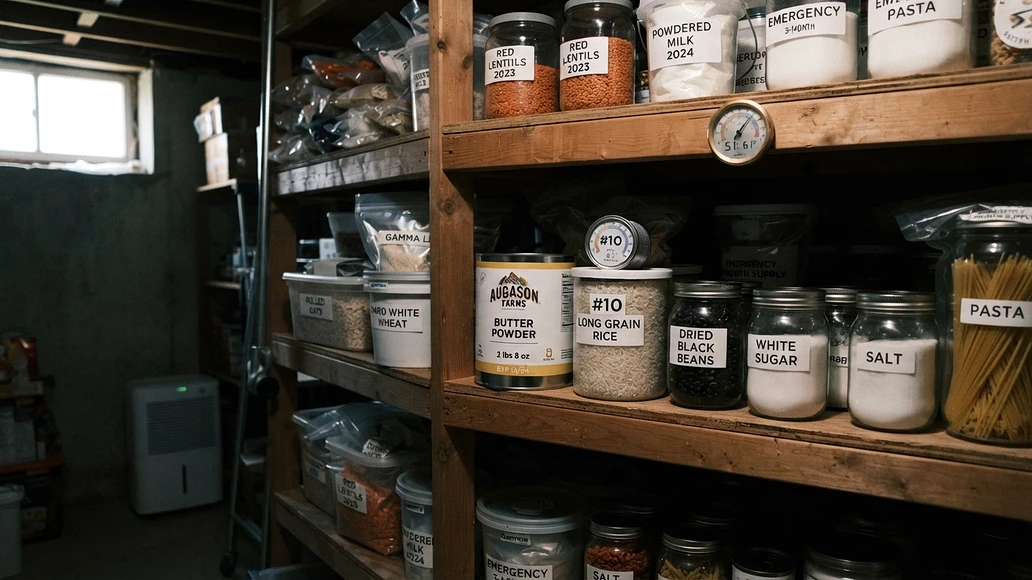
For longest useful life, store butter powder in a cool, dry, dark place with stable temperatures. Indoor closets, conditioned pantries, and basement storage areas that stay dry are usually better than garages, sheds, or hot utility rooms. Humidity is a major enemy because it encourages clumping and can shorten quality fast.
If the original packaging is sturdy and resealable, it may be best to leave the product in it until opened. If you do repackage, use a truly airtight container that protects from moisture and light, and avoid introducing humidity during transfer. Clean, dry utensils matter too.
| Storage condition | Expected effect on quality | Practical notes |
|---|---|---|
| Cool, dry pantry | Best routine option for unopened storage | Keep away from stove heat, sunlight, and steam |
| Warm pantry | Faster flavor loss and fat oxidation over time | Acceptable short term, not ideal for long storage |
| Humid kitchen cabinet | Higher risk of clumping and moisture damage | Avoid cabinets near dishwasher, kettle, or sink |
| Garage or shed | Poor choice, heat swings accelerate breakdown | Not recommended for fat-rich powders |
| Repackaged in airtight container | Can help after opening if done correctly | Only useful if container is dry, sealed well, and stored cool |
Does butter powder need refrigeration after opening?
Usually, unopened commercial butter powder does not require refrigeration if the label says it is shelf-stable. After opening, refrigeration is not always required for the dry powder, but cool and dry storage becomes much more important. Follow the product label first, because formulations differ.
What absolutely does require colder handling is reconstituted butter powder. Once you add water and turn it into a spread or sauce ingredient, treat it like a perishable dairy food. Refrigerate leftovers promptly and do not leave it sitting out for long periods.
How to tell if butter powder has gone bad
Butter powder often gives warning signs before it becomes unusable. Because it contains fat, rancidity is one of the main concerns. A paint-like, soapy, bitter, stale, or oddly sharp smell is a strong signal to discard it. Moisture damage is another common problem.
| Sign | What it may mean | What to do |
|---|---|---|
| Rancid or paint-like odor | Fat oxidation and quality breakdown | Discard |
| Clumping after moisture exposure | Humidity damage, reduced shelf quality | If minor and odor is normal, quality may be reduced. If severe, discard |
| Discoloration | Age, oxidation, or storage damage | Use caution, compare with fresh product, discard if odor or taste is off |
| Visible mold | Moisture contamination | Discard immediately |
| Insect activity or pests | Packaging breach or poor storage | Discard immediately |
| Off taste after mixing | Quality loss or spoilage | Do not continue using it |
If there is visible mold, pest contamination, obvious moisture intrusion, or a strong off smell, do not try to salvage it. When in doubt, throw it out.
Nutritional value of butter powder
Butter powder can help add calories and fat to emergency meals, which matters because many shelf-stable staples are low in fat. It can improve satiety, flavor, and cooking performance. That said, it is not a complete food and should not be treated like one.
Depending on the formula, butter powder may also contain milk solids, sodium, and carbohydrate carriers. Some products are less fat-dense than people assume. If you are buying it mainly as a survival calorie source, compare calories per ounce, grams of fat per serving, and ingredient simplicity before you buy.
Best uses for butter powder in emergency food storage
Butter powder shines when you want butter flavor without refrigeration and without carrying a jar of liquid fat. It works especially well in dry mixes, camp cooking, and backup pantry meals where convenience matters.
| Use case | How well butter powder fits | Why it works or falls short |
|---|---|---|
| Baking mixes | Very good | Easy to blend into dry ingredients for biscuits, pancakes, and breads |
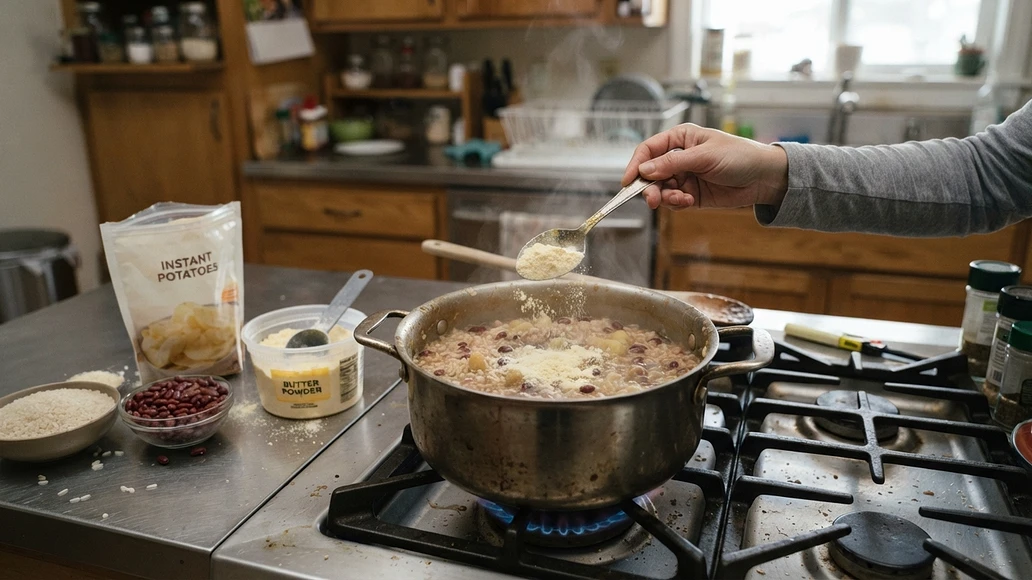
| Emergency pantry cooking | Good | Adds flavor to rice, pasta, potatoes, and sauces |
| Backpacking | Good | Lightweight and compact, though cost can be high |
| Long-term calorie storage | Moderate | Useful, but often expensive compared with other fats |
| Table spread replacement | Fair | Texture after mixing may not match fresh butter |
| High-heat frying | Poor to fair | Usually not the most practical or economical choice |
When butter powder is a poor choice
Butter powder is not the best answer for every preparedness plan. If your main goal is the longest practical shelf life for a butterfat product, ghee or clarified butter may be simpler and more established choices. If your goal is the lowest cost per calorie, neutral shelf-stable oils or shortening may compare better, depending on current prices and packaging.
It is also a poor fit if you expect it to fully replace fresh butter in every use. Reconstituted texture can vary, and some products are better as ingredients than as a direct spread. Finally, if your storage area runs hot or humid, butter powder may lose quality faster than you hoped.
Common mistakes when storing butter powder
The most common mistake is storing it where temperatures swing hard, such as a garage, shed, attic, or cabinet above the oven. Another is opening a large container repeatedly in a humid kitchen. Every opening introduces air and sometimes moisture.
People also make the mistake of buying based only on dramatic shelf-life claims without checking ingredients, packaging type, or serving nutrition. A product with more fillers and less fat may not deliver the value you expect. And once mixed with water, it should not be treated like a dry pantry item anymore.
Is butter powder worth the price?
That depends on what problem you are trying to solve. If you want compact butter flavor, decent shelf stability, and easy use in dry mixes, it can be worth keeping on hand. If you are building a broad emergency pantry from scratch and watching every dollar, it may be a secondary purchase rather than a first one.
Compare products by more than container size. Look at calories per serving, grams of fat, ingredient list, servings per package, and whether the packaging is designed for long storage. In many cases, butter powder is best treated as a convenience fat and morale booster, not the backbone of your emergency calorie plan.
Safety cautions for people with dairy restrictions or chronic illness
Butter powder is a dairy product. People with a true dairy allergy should avoid it. People with lactose sensitivity may also react, depending on the formulation. Read labels carefully, especially if the product includes milk solids or other dairy ingredients beyond butterfat.
Because it is a concentrated fat product, people with pancreatitis, gallbladder disease, lipid disorders, or medically prescribed fat-restricted diets should be cautious. If you are pregnant or managing a chronic condition with diet limits, general preparedness advice is not a substitute for guidance from your clinician or dietitian.
If someone develops significant gastrointestinal symptoms after using it, or if there is concern about contamination, mold, or improper storage, stop using the product and seek professional advice when needed.
What to buy, packaging quality, and label reading
Look for products from established sellers that clearly state ingredients, serving size, fat content, and storage guidance. Packaging quality matters. A sturdy can or well-sealed pouch designed to limit oxygen and moisture is generally preferable to flimsy packaging for long storage.
Check for these basics before buying: whether the product is mostly butter or heavily padded with carriers, whether the manufacturer gives realistic storage instructions, whether the container size matches how quickly you will use it after opening, and whether the price makes sense compared with other shelf-stable fats.
Building a balanced survival fat plan
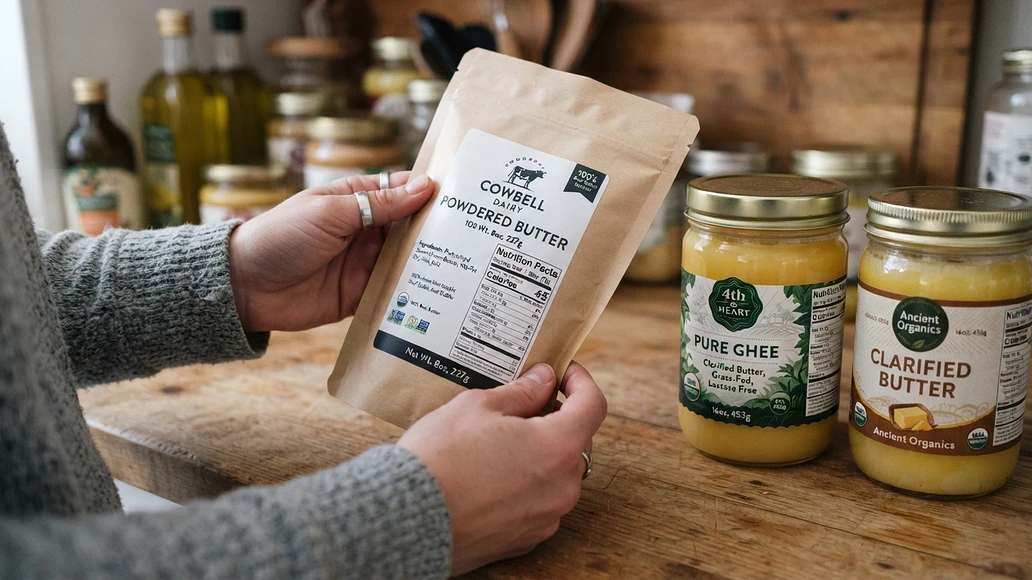
A resilient pantry usually uses more than one fat source. Butter powder can be one part of that plan, especially for baking, flavor, and compact storage. Ghee or clarified butter may cover cooking needs. Other shelf-stable fats may help with cost and calorie density. The goal is not to bet everything on one product, but to spread risk across several useful options.
| Fat storage option | Best role in preparedness | Main tradeoff |
|---|---|---|
| Butter powder | Flavor, dry mixes, compact backup fat | Can be expensive and quality varies by brand |
| Ghee | Cooking and calorie-dense pantry fat | Heavier than powder, still sensitive to heat over time |
| Clarified butter | Butterfat cooking option with reduced moisture | Storage performance varies by product |
| Shelf-stable oils | Economical calories and cooking use | Oxidation risk, shorter quality window once opened |
| Nut butters | Calories plus some protein | Shorter shelf life than many expect |
Short emergency food storage checklist for fats
Use this quick checklist when adding butter powder or any other fat to your pantry.
- Choose a reputable product with clear labeling and realistic storage instructions.
- Store it in a cool, dry, dark indoor location.
- Avoid garages, sheds, attics, and hot kitchen cabinets.
- Protect opened containers from humidity and repeated air exposure.
- Rotate stock and use oldest packages first.
- Check smell, texture, and appearance before use.
- Treat reconstituted butter powder like perishable dairy.
- Do not rely on one fat source for all emergency nutrition.
Bottom line
Butter powder can be a useful preparedness ingredient, especially if your pantry is heavy on dry carbohydrates and light on flavor and fat. It is compact, practical, and often convenient. But it is not a miracle food, and it is not automatically the best long-storage fat in every situation.
If you store it cool and dry, buy good packaging, rotate it sensibly, and use it for the jobs it does well, butter powder can earn a place in a home emergency pantry. Just keep your expectations realistic, and build your fat storage plan around variety rather than hype.
References
- U.S. Food and Drug Administration, Buy, Store, Serve Safe Food
- USDA FSIS, Food Safety Basics
- FoodSafety.gov, FoodKeeper App
- Penn State Extension, Food Safety and Storage
- University of Minnesota Extension, Storing Food Safely
- Food Allergy Research & Education, Food Allergy 101
- National Institute of Diabetes and Digestive and Kidney Diseases, Digestive Diseases