Fast Cash Flow Fixes: 15 Smart Ways to Cut Spending in a Hurry
Need breathing room fast? This practical guide breaks down 15 realistic ways to save money quickly, from same-day subscription audits to grocery resets, bill negotiation, and bare-bones budgeting, with safety notes and clear timelines.

If you need to save money quickly, the goal is not perfection. It is to create breathing room without making your life harder next week. The fastest wins usually come from three places: stopping money leaks today, lowering recurring bills for the next billing cycle, and avoiding expensive mistakes like overdrafts, late fees, and high-interest borrowing.
This guide separates one-time cash moves from recurring monthly savings, shows how long each tactic usually takes, and explains where the biggest impact tends to be. Savings vary by household, so think in terms of priorities, not promises.
What “saving money quickly” really means
For most households, saving money quickly means one of two things. First, you may need to free up cash in the next 24 hours to 7 days. Second, you may need to reduce next month’s bills before they hit. Those are related, but they are not the same problem.
A one-time sale of unused items can help with this week’s cash crunch. Canceling a subscription or lowering your phone plan can help every month going forward. The best plan usually combines both.
| Type of move | What it does | Typical timing | Best for | Main caution |
|---|---|---|---|---|
| One-time cash generation | Creates money you can use right away | Same day to 1 week | Short-term cash gaps | Not a permanent fix |
| Recurring expense cuts | Lowers future monthly bills | Same day to next billing cycle | Ongoing budget pressure | May require account changes or cancellation steps |
| Fee prevention | Avoids extra costs like overdrafts and late fees | Immediate | Paycheck-to-paycheck households | Requires close account monitoring |
| Budget reset | Helps you decide what gets paid first | Same day | Anyone losing track of spending | Can feel restrictive if too detailed |
The fastest ways to free up cash in 24 hours
If your checking account feels tight right now, start with actions that stop outflow immediately. These are usually easier and safer than trying to earn money overnight.
1. Freeze nonessential spending for the next 24 to 72 hours
Pause takeout, impulse online shopping, convenience-store stops, hobby purchases, and entertainment spending. This is not a forever rule. It is a short reset to stop the bleeding while you review your accounts.
A simple definition helps here. A no-spend day means you buy only true essentials already planned, such as medication, gas to get to work, or a scheduled bill. It works best as a reset tool, not as a punishment.
2. Audit your bank and card transactions line by line
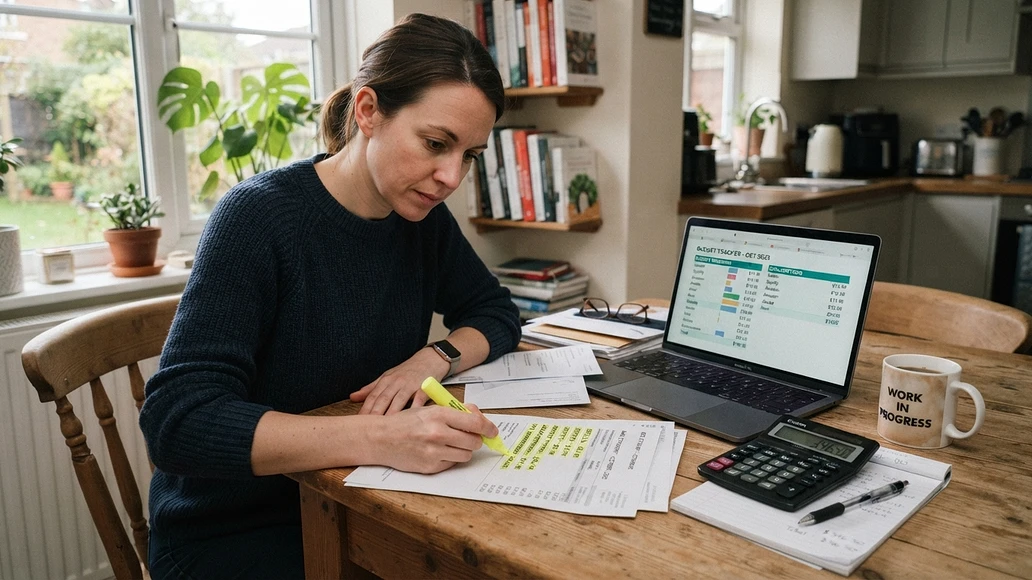
Open the last 30 days of checking, credit card, and payment app activity. Look for duplicate charges, free trials that converted, app renewals, delivery fees, and small recurring charges you forgot about. Tiny charges are not always harmless if there are several of them.
3. Cancel unused subscriptions and recurring charges
This is one of the fastest recurring savings moves. Streaming, premium apps, gaming memberships, meal kits, cloud storage upgrades, and subscription boxes are common targets. Before canceling, check whether there is a billing date, annual renewal, or early termination fee. Take a screenshot of the confirmation page and save the cancellation email.
Watch for subscription traps. Some services require cancellation a certain number of days before renewal. Others make you cancel through the app store instead of the company website.
4. Move money away from impulse zones
If you tend to spend whatever sits in checking, transfer a small amount into savings the same day you get paid, even if it is modest. Automation matters more than size at first. The purpose is to reduce accidental spending, not to starve your essentials budget.
15 practical ways to save money quickly
Here is a prioritized list that balances speed, impact, and realism.
| Way to save | Time to see results | One-time or recurring | Who it helps most | Key tradeoff or caution |
|---|---|---|---|---|
| Pause nonessential spending | Same day | One-time and recurring | Anyone with discretionary spending | Works only if you define essentials clearly |
| Cancel unused subscriptions | Same day to next billing cycle | Recurring | Households with many auto-renewals | Check cancellation terms |
| Use pantry and freezer meals | This week | One-time and recurring | Families with stocked kitchens | Do not replace with expensive convenience food |
| Shop with a strict grocery list | This week | Recurring | Most households | Coupons help only if they match your plan |
| Compare unit prices | This week | Recurring | Regular grocery shoppers | Bulk is not always cheaper if food gets wasted |
| Downgrade phone or internet plans | Next billing cycle | Recurring | Households on older plans | Watch for data limits or equipment fees |
| Ask for bill payment plans | Same day to 1 week | Short-term relief | People facing due dates | Read terms and late fee rules |
| Shop insurance rates | 1 day to 2 weeks | Recurring | Drivers and homeowners | Do not cut needed coverage blindly |
| Reduce utility waste safely | This week to next bill | Recurring | Homeowners and renters | Avoid unsafe temperature extremes |
| Sell unused items | Same day to 1 week | One-time | People with clutter or spare gear | Income is not guaranteed |
| Return recent unused purchases | Same day to 1 week | One-time | Anyone with unopened items | Check return windows and restocking fees |
| Plan lower-cost transportation for the week | This week | One-time and recurring | Commuters | Not realistic for every area or schedule |
| Lower credit card APR or seek hardship options | 1 day to 2 weeks | Recurring | People carrying balances | High-interest debt can erase savings fast |
| Build a bare-bones budget | Same day | Recurring | Paycheck-to-paycheck households | Needs honest spending categories |
| Use assistance programs when eligible | Varies | Short-term and recurring | Households struggling with essentials | Application timing varies by program |
Which expenses should you cut first?
Start where the dollars are. Cutting a few large recurring costs usually matters more than chasing every small purchase. That does not mean small leaks do not matter, but they should not distract you from bigger categories like food, transportation, debt interest, insurance, phone, internet, and subscriptions.
| Expense category | Typical savings potential | Speed | Examples of quick levers | Notes |
|---|---|---|---|---|
| Subscriptions | Low to moderate | Fast | Cancel, pause, downgrade | Easy recurring win |
| Food | Moderate | Fast | Meal plan, pantry meals, list shopping | Can change this week |
| Transportation | Moderate | Medium | Combine trips, compare gas prices, adjust commuting | Depends on location and job |
| Utilities | Low to moderate | Medium | Reduce waste, ask about budget billing | Use safe temperature settings |
| Phone and internet | Moderate | Medium | Downgrade plan, negotiate, switch providers | Check contract terms |
| Insurance | Moderate to high | Medium | Requote, bundle, adjust deductibles carefully | Do not underinsure |
| Debt interest | Moderate to high | Medium | APR reduction request, hardship plan, counseling | Important if balances are growing |
How to cancel subscriptions without hidden-fee surprises
A subscription audit is a review of every recurring charge tied to your bank account, credit card, app store, and payment apps. It is one of the best quick wins because it can lower next month’s bills without changing your daily routine much.
- Search your statements for repeating charges over the last 2 to 3 months.
- List the service, amount, billing date, and cancellation method.
- Cancel the least-used services first.
- Check for annual plans, notice periods, and equipment return rules.
- Save proof of cancellation.
If you share accounts with family, confirm who uses what before canceling. If a service is needed occasionally, see whether a lower tier or ad-supported option exists.
How to reduce grocery spending this week
Food is one of the few major categories you can often change immediately. The safest and most reliable methods are meal planning, list shopping, leftovers, and unit-price comparison. Avoid extreme tactics like skipping meals. Saving money should not put your health at risk.
5. Cook from what you already have first
Before shopping, check your pantry, freezer, and fridge. Build 3 to 5 simple meals around what is already there. This cuts waste and delays another store trip.
6. Shop with a list and compare unit prices
Unit price means the cost per ounce, pound, or count, not just the sticker price. It helps you compare sizes honestly. Bigger is not always better if you will not use it before it spoils.
7. Replace convenience spending, not nutrition
Swap restaurant lunches, delivery fees, and impulse snacks for packed meals and simple staples. The goal is to lower cost per meal, not to underfeed yourself or your family.
How to meal plan on a tight budget
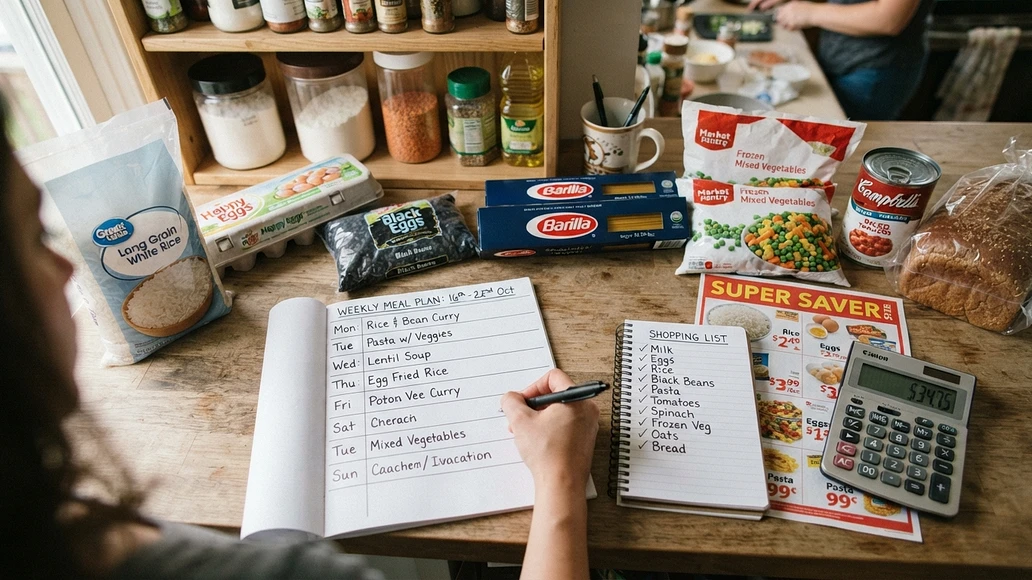
Meal planning does not need to be fancy. Pick a few low-cost meals that share ingredients, such as rice bowls, pasta with vegetables, soups, tacos, oatmeal, eggs, sandwiches, or baked potatoes with toppings. Reuse ingredients across several meals so nothing gets wasted.
If your household is under serious food strain, look into SNAP, WIC, local food pantries, school meal programs, or community resources. Assistance is a practical tool, not a failure.
How to lower utility bills safely
Utility savings matter, but safety comes first. Do not use advice that risks mold, frozen pipes, heat illness, or unsafe appliance use.
8. Cut waste, not safety
Turn off lights in empty rooms, wash full loads, use cold water when appropriate, and seal obvious drafts with renter-friendly methods if allowed. In hot or cold weather, avoid extreme thermostat settings that make your home unsafe or damage the property.
9. Ask about utility programs
Some providers offer budget billing, payment plans, medical baseline programs, or efficiency audits. If you are behind, contact the utility before the due date if possible. Waiting can lead to fees or service risk.
How to negotiate phone, internet, insurance, and other bills
Negotiation works best when you are specific. Know your current plan, what competitors charge, and what you actually use each month.
| Bill type | What to ask for | Best timing | Possible savings type | Caution |
|---|---|---|---|---|
| Phone | Lower tier, autopay discount, loyalty offer | Before renewal or after usage review | Recurring | Check data caps and hotspot limits |
| Internet | Promotional rate, slower speed tier, retention offer | When promo ends | Recurring | Equipment fees may offset savings |
| Insurance | Requote, bundle, safe-driver discounts | Before renewal | Recurring | Compare coverage, not just premium |
| Credit card | APR reduction, hardship plan | When carrying a balance | Recurring | Terms vary and missed payments can hurt credit |
| Medical bill | Payment plan, itemized bill review | As soon as bill arrives | Short-term relief | Care decisions should involve your clinician when relevant |
| Utilities | Budget billing, due-date change, payment plan | Before delinquency | Short-term and recurring | Program availability varies |
What should you sell first for fast cash?
If you need money quickly, sell items that are easy to photograph, easy to verify, and easy to replace only if truly needed later. Good candidates include unused tools, duplicate kitchen appliances, unopened electronics, hobby gear you no longer use, furniture in good condition, and children’s items outgrown recently.
Start with things that have clear resale value and low emotional cost. Avoid selling essentials you may need to buy back at a higher price later.
10. Sell unused items with realistic expectations
Local marketplaces can be fast, but results vary. Meet safely in public places when possible, use secure payment methods, and factor in platform fees or shipping if applicable. Resale income is helpful, but it is not guaranteed.
11. Return unopened or barely used purchases
This is often faster than reselling. Check closets, garages, and recent online orders for items still within the return window.
How to stop impulse spending before it starts
Impulse spending is often a systems problem, not a character flaw. Friction helps.
12. Use a 24-hour rule for nonessential purchases
Wait one full day before buying anything that is not necessary. Many wants fade once the moment passes.
13. Remove saved payment methods and shopping triggers
Log out of retail apps, delete stored cards from favorite stores, and unsubscribe from promotional emails and texts. If a purchase takes more effort, you are less likely to make it automatically.
What is a no-spend day, and does it work?
A no-spend day or week can work as a reset, especially after overspending. It is most useful when paired with a plan for what happens next. Without a budget reset, some people simply rebound and spend later.
Use it to identify habits, such as daily convenience purchases or boredom spending. Do not use it to avoid buying medication, needed food, or transportation required for work.
How to build a bare-bones budget
A bare-bones budget is a temporary spending plan that covers essentials and minimum obligations while you stabilize cash flow. It is not meant to be permanent.
14. Sort every expense into four buckets
| Bucket | What belongs there | Priority level | Examples |
|---|---|---|---|
| Essential survival costs | Needs required for health and basic functioning | Highest | Housing, utilities, groceries, medication, work transportation |
| Minimum debt obligations | Required payments to avoid immediate damage | High | Minimum credit card payment, loan minimums |
| Useful but adjustable costs | Needed services with downgrade options | Medium | Phone plan, internet speed tier, insurance shopping |
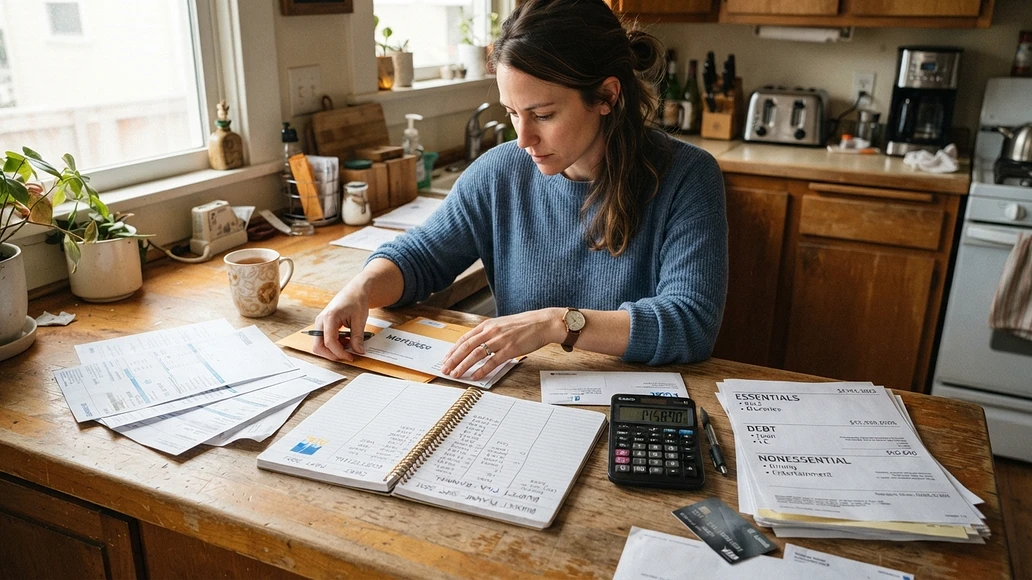
| Nonessential spending | Can pause temporarily | Lowest | Streaming, takeout, hobbies, impulse shopping |
If you like simple rules, the 50/30/20 budget is a common framework for needs, wants, and savings or debt payoff. But when money is tight, a bare-bones budget is often more useful than trying to force a standard ratio.
Which tactics shorten the problem, and which only ease symptoms?
Not every money-saving tip has the same value. Some create lasting relief. Others mainly buy time.
| Tactic | Shortens the problem | Main benefit | Limit |
|---|---|---|---|
| Canceling recurring subscriptions | Yes | Lowers future bills | Savings may be modest if only one service is cut |
| Lowering fixed bills | Yes | Creates recurring monthly relief | May take calls, quotes, or plan changes |
| Selling unused items | Partly | Provides quick cash | One-time only |
| No-spend challenge | Partly | Stops leaks temporarily | Can backfire without a budget reset |
| Couponing and cashback apps | Usually limited | Small savings on planned purchases | Can encourage extra spending |
| APR reduction or hardship plan | Yes | Reduces interest drag | Depends on lender and account status |
How to save money if you are living paycheck to paycheck
When every dollar already has a job, the most important move is protecting essentials and preventing extra fees.
15. Focus on fee prevention and early communication
Track bill due dates, ask for due-date changes if your paycheck timing is awkward, and contact providers before accounts become delinquent. Overdraft fees, late fees, reconnect fees, and credit card interest can wipe out small savings quickly.
If you are choosing between essentials, look for assistance programs early. Depending on your situation, that may include SNAP, WIC, LIHEAP, utility hardship programs, local rent help, or nonprofit credit counseling. If debt payments are only being made by new borrowing, that is a sign to seek help rather than trying to squeeze harder with frugal tricks alone.
Common mistakes that make saving money more expensive
Some “savings” tactics cost more in the long run. Watch for these traps.
- Buying discounted items you did not plan to buy.
- Canceling insurance or reducing coverage without understanding the risk.
- Bulk buying food that will spoil or go unused.
- Ignoring bills until late fees or collections start.
- Using high-interest credit to cover routine spending.
- Taking on gig work without considering taxes, mileage, child care, or other costs.
- Trying extreme food cuts that affect health or energy for work.
When to get help from a nonprofit or professional
Seek outside help if bills are already delinquent, if you cannot cover housing, utilities, food, or medication, or if you are using new debt to make old debt payments. A nonprofit credit counselor may help you review options, and public benefit programs may reduce pressure on essentials.
Be cautious with debt relief offers that charge high fees or make unrealistic promises. Read terms carefully and watch for credit score effects, settlement risks, and scam language.
References
- Consumer Financial Protection Bureau, Budgeting
- Consumer Financial Protection Bureau, Debt Collection and Delinquency Guidance
- Federal Trade Commission, Cancelling Subscription Traps
- USA.gov, Benefits and Assistance Programs
- USDA, SNAP Information
- Administration for Children and Families, LIHEAP
- National Council on Aging, Help Paying Bills